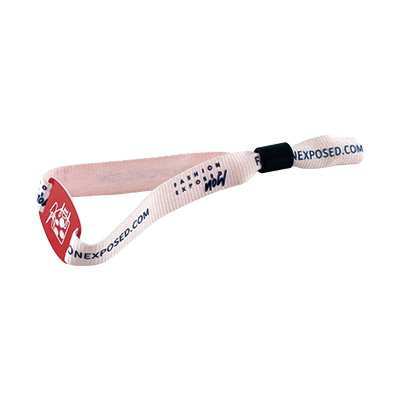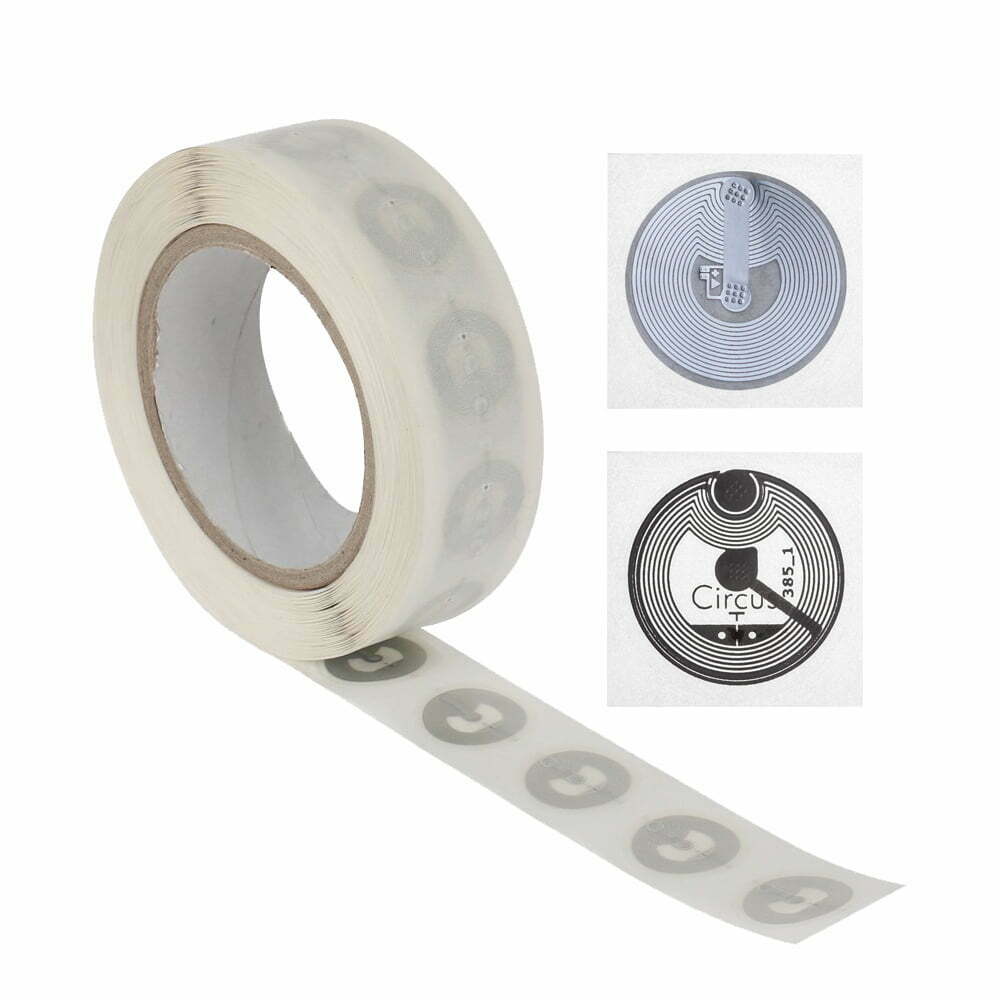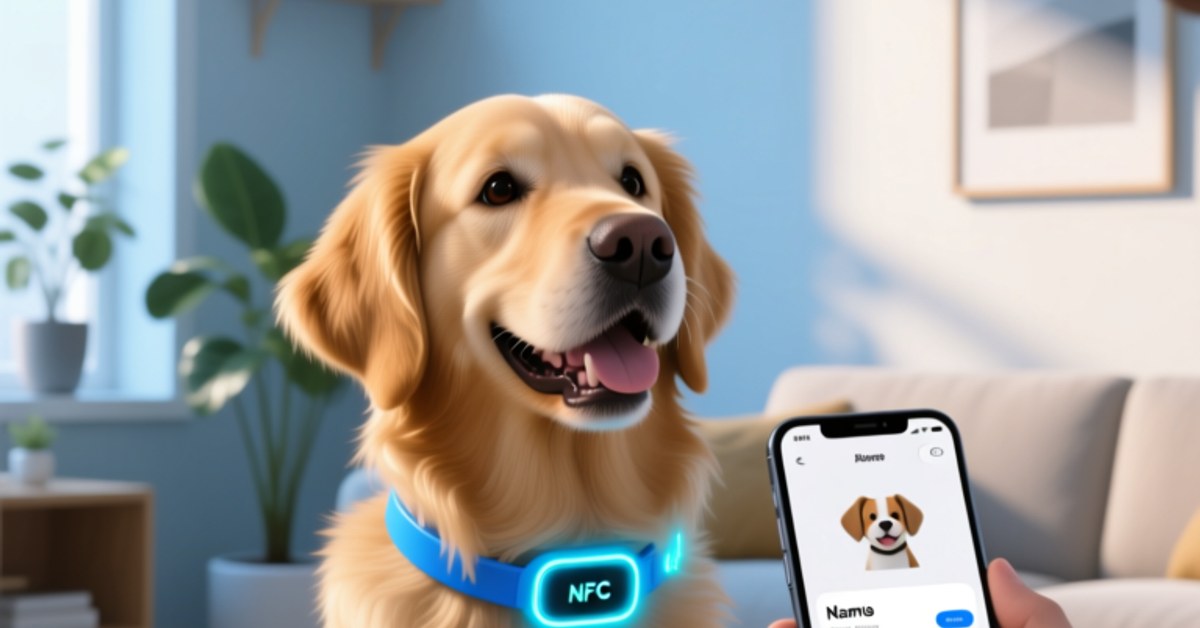
Dla rodziców, Bransoletka dla dziecka nigdy nie powinna sprawiać wrażenia kolejnego ekranu, którym trzeba zarządzać. Właśnie dlatego urządzenia do noszenia dla dzieci z technologią NFC zyskują popularność wśród marek rodzinnych, obozy letnie, szkoły, i operatorzy atrakcji. Lekki Urządzenie do noszenia przez dzieci z NFC może nosić bezpieczną tożsamość cyfrową, otwórz profil kontaktu alarmowego jednym dotknięciem, i usprawniaj codzienne operacje, bez baterii, bez ekranu, i bez ciągłego śledzenia lokalizacji.
Dlaczego bez ekranu, Konstrukcja bez baterii ma znaczenie dla dzieci
Większość urządzeń do noszenia dla dorosłych to miniaturowe telefony: jasne ekrany, powiadomienia aplikacji, codzienne ładowanie, i konta żądne danych. Dla dzieci, cechy te stają się zobowiązaniami. A inteligentna bransoletka dla dzieci zbudowany w oparciu o pasywną technologię NFC, nie ma wyświetlacza, brak baterii, i brak portu ładowania. Pozostaje wyłączony do czasu celowego odczytania przez smartfon lub czytnik ręczny z obsługą NFC.
- Brak czasu ekranowego: Bransoletka staje się narzędziem bezpieczeństwa, nie jest rozrywką ani symbolem statusu.
- Brak procedury ładowania: Pasywny Chipy NFC pozostają czytelne przez lata, zmniejszając ryzyko utraty funkcji podczas obozów i wycieczek.
- Mniej pęknięć: Mniej elementów elektronicznych oznacza mniej rzeczy do złamania, przegrzać, lub ponieść porażkę.
Ta konstrukcja bez ekranu obsługuje również inteligentna identyfikacja do noszenia w ustawieniach, w których urządzenia są współdzielone lub wymieniane między uczniami. Ponieważ chip jest pasywny, obóz może wydać setki opasek na rękę bez zarządzania ładowarkami, kody parowania, lub uprawnienia aplikacji.
Kontakt w nagłych wypadkach: Moment, który uzasadnia technologię
W zatłoczonym muzeum, plac gier i zabaw, lub wycieczka szkolna, zagubione dziecko może nie pamiętać numeru telefonu. Bransoletka NFC nie wymaga od dziecka mówienia ani odblokowywania czegokolwiek. Pracownik lub pobliska osoba dorosła dotyka opaski Smartfon z obsługą NFC, a chip otwiera wybrany przez opiekuna profil alarmowy.
Dobrze zaprojektowany bezpieczeństwo dzieci NFC przepływ pracy może zostać wyświetlony:
- Numer kontaktowy opiekuna lub numer lidera grupy na miejscu
- Odpowiednie uwagi dotyczące alergii lub medycyny
- Nieidentyfikujące odniesienie podrzędne lub kod grupy
- Ostatnie znane instrukcje dotyczące miejsca spotkania dla danego miejsca
Ponieważ kran jest oparty na bliskości, tworzy intencjonalność, interakcja lokalna. Nie przekazuje lokalizacji dziecka do sieci publicznej ani nie utrzymuje stałego połączenia. Dzięki temu kontakt alarmowy stanowi praktyczne uzupełnienie nadzoru człowieka, nie jest jego zamiennikiem.
Cyfrowa tożsamość dziecka bez ciągłego śladu danych
Prywatność jest często pierwszą obawą zgłaszaną przez rodziców i administratorów szkół. Bransoletkę dziecięcą NFC można skonfigurować tak, aby obsługiwała m.in tożsamość cyfrowa dziecka stosując zasady prywatności już w fazie projektowania. Zamiast przechowywać profile w centralnej aplikacji pod imieniem i nazwiskiem dziecka, chip może zawierać token lub adres URL prowadzący do ograniczenia, rekord sieciowy chroniony hasłem.
Operatorzy mogą decydować, jakie dane mają być kodowane. Typowe podejścia skupiające się na prywatności obejmują:
- Kodowanie losowego identyfikatora zamiast pełnego imienia i nazwiska na chipie
- Korzystanie ze stron chronionych hasłem w celu uzyskania danych kontaktowych opiekuna
- Ustawianie dat ważności profili wystawionych na obozach
- Przechowuj dzienniki odczytu na urządzeniach lokalnych, a nie w chmurze publicznej
W przeciwieństwie do zegarków GPS, Pasywne urządzenia do noszenia z technologią NFC nie generują ciągłych danych o ruchu. Domyślnie nie można śledzić dziecka w czasie. Dla szkół, upraszcza to formularze zgody i jest zgodne z oczekiwaniami dotyczącymi minimalizacji danych dzieci zgodnie z nowoczesnymi ramami ochrony prywatności. RFIDHY i linie produktów NFCWORK, w tym Opaska na rękę NFC I Opaska silikonowa NFC formaty, może obsługiwać te modele tożsamości cyfrowej oparte na tokenach w połączeniu z lekkim systemem zarządzania.
Działalność obozów i szkół: Od zameldowania do ruchu grupowego
Dla operatorów, ta sama opaska, która pomaga w nagłych wypadkach, eliminuje również tarcia w codziennych czynnościach. A opaska na obóz szkolny może służyć jako identyfikator, karnet na posiłek, żeton obecności, i identyfikator grupy, a wszystko to bez konieczności noszenia przez każde dziecko telefonu lub karty.
Typowe zastosowania operacyjne
- Zameldowanie poranne: Personel dotyka czytnika ręcznego lub smartfona i potwierdza obecność w ciągu kilku sekund.
- Ruch grupowy: Opaski na rękę mają kolor grupowy, trasa, lub kod harmonogramu czytelny dla personelu.
- Bezgotówkowa stołówka: Niektóre lokale korzystają Opaski na rękę NFC do drobnych zakupów lub śledzenia posiłków, ograniczając utratę gotówki i biletów.
- Kontrole autobusów i aktywności: Na wycieczkach terenowych, opiekunowie skanują bransoletki, aby potwierdzić obecność wszystkich uczniów.
Opaska papierowa vs. Urządzenie do noszenia przez dzieci z NFC
>
| Funkcja | Opaska papierowa lub tymczasowa | Urządzenia do noszenia dla dzieci NFC |
|---|---|---|
| Pojemność danych | Minimalny, często tylko wzrokowo | Zakodowany identyfikator, Adres URL, token kontaktu, dane grupowe |
| Odporność na warunki atmosferyczne | Może się rozerwać lub rozmazać | Wytrzymały, wodoodporny, bezpieczne do pływania |
| Możliwość ponownego użycia | Zwykle jednorazowego użytku | Można go ponownie zakodować lub przypisać |
| Szybkość operacyjna | Ręczne kontrole wizualne | Szybkie meldowanie poprzez dotknięcie i przeczytanie |
| Dostęp dla rodziców/opiekunów | Nic | Bezpieczne łącze do kontaktu w sytuacjach awaryjnych |
Trwałość i zmywalność: Zbudowany z myślą o prawdziwym dzieciństwie
Dzieci biegają, wylać, pływać, i stracić rzeczy. Bransoletka, która zawiedzie po jednej bitwie wodnej, nie jest produktem zabezpieczającym. Dlatego ważny jest wybór materiału i podłoża wiórowego. Opaski silikonowe NFC I Opaski RFID są powszechnie wybierane dla dzieci, ponieważ są miękkie, odporny na rozdarcie, i łatwe do czyszczenia.
Do zastosowań, w których nie da się uniknąć cykli prania, Przywieszki RFID do prania stanowią przydatne porównanie: są zaprojektowane tak, aby przetrwać wielokrotne pranie, wysuszenie, i obsługa przemysłowa. Chociaż nie zawsze jest to konieczne w przypadku opasek na rękę, obowiązuje to samo myślenie projektowe. Operatorzy powinni szukać:
- Całkowicie uszczelnione lub formowane Chipy NFC
- Wodoodporna konstrukcja przystosowana do pływania i mycia rąk
- Wygodny rozmiar z zabezpieczeniem przed manipulacją lub regulowanymi zamknięciami
- Nietoksyczny, bezpieczny dla skóry silikon lub materiały powlekane
Zmywalność jest również kwestią operacyjną. Obozy, w których wielokrotnie używa się opasek na nadgarstki podczas sesji, muszą je szybko dezynfekować między grupami. Trwały Opaska eventowa NFC można czyścić standardowymi chusteczkami dezynfekującymi, nie uszkadzając chipa, pod warunkiem, że elektronika jest całkowicie zamknięta.
Wybór odpowiedniego formatu NFC lub RFID
Nie wszystkie ubrania dla dzieci są takie same. Właściwy wybór zależy od zasięgu odczytu, środowisko, oraz czy opaska jest jednorazowa czy wielokrotnego użytku.
- Opaska na rękę NFC: Najlepsze do interakcji ze smartfonem, prywatność na krótkim dystansie, i profile kontaktów alarmowych.
- Opaska RFID: Często preferowany do szybkiego czytania grupowego, kontrola dostępu, oraz systemy bezgotówkowe, w których przydatny jest większy zasięg odczytu.
- Opaska silikonowa NFC: Wygodny, trwała opcja dla obozów, centra zabaw, i rodzinne wyjścia.
- HF Tagi RFID / Tagi NFC: Możliwość wbudowania w bransoletki, odznaki, lub smycze umożliwiające tańsze wdrożenie.
- Przywieszki RFID do prania: Dotyczy szpitali lub szkół stacjonarnych, które wymagają śledzenia na poziomie odzieży wraz z identyfikatorem opaski na nadgarstek.
Niezależnie od wybranego formatu, upewnij się, że typ chipa i ekosystem czytnika są zgodne. Scenariusz kontaktu alarmowego skoncentrowanego na smartfonie wymaga chipa zgodnego z NFC i przejrzystego przepływu pracy poprzez dotknięcie. Scenariusz dotyczący obecności w całej szkole może być lepiej obsługiwany przez wyspecjalizowanego nauczyciela Czytnik RFID lub czytnik NFC do szybkiego, powtarzalne skany.
Lista kontrolna wdrożenia dla szkół, Obozy, i Operatorzy Obiektów
- Zdefiniuj podstawowy scenariusz bezpieczeństwa przed kodowaniem danych.
- Wybierz urządzenie do noszenia, które pasuje do Twojego otoczenia: basen, plac gier i zabaw, klinika, lub klasie.
- Jeśli to możliwe, zamiast pełnego imienia i nazwiska dziecka użyj losowego identyfikatora lub tokenu.
- Przeszkol personel w zakresie prostego przepływu pracy typu „dotknij, aby przeczytać”. smartfony lub czytniki przenośne.
- Ogranicz dostęp do profili awaryjnych za pomocą haseł i dat ważności.
- Testuj trwałość, wodoodporność, i komfort w małej grupie przed pełnym wdrożeniem.
- Jasno komunikuj się z rodzicami na temat tego, jakie dane są przechowywane, kto może to przeczytać, i jak długo jest przechowywany.
Często zadawane pytania
Czy urządzenia do noszenia dla dzieci z technologią NFC wymagają baterii lub ładowania??
NIE. Pasywne urządzenia do noszenia z NFC nie wymagają baterii. Po dotknięciu zasilane są z pola czytnika.
Czy kontakt alarmowy dziecka może odczytać każdy, kto ma telefon??
Nie koniecznie. Bransoletka może otworzyć token lub adres URL chroniony hasłem lub dostępny tylko dla upoważnionego personelu. Operatorzy mogą również kodować tylko niewrażliwe identyfikatory grup.
Czy opaski dziecięce NFC są wodoodporne i można je prać??
Wiele silikonowych opasek na rękę NFC i zapieczętowanych Opaski RFID są wodoodporne i nadają się do pływania, mycie rąk, i wycieranie. Zawsze potwierdzaj dokładną ocenę środowiskową u dostawcy.
Czy moje dziecko jest stale śledzone za pomocą bransoletki NFC??
NIE. Pasywny NFC nie ma GPS i nie transmituje w sposób ciągły. Reaguje tylko wtedy, gdy celowo dotknie go pobliski czytnik.
Co powinien kodować obóz letni na szkolnej opasce obozowej?
Najlepszą praktyką jest kodowanie losowego identyfikatora grupy, flaga ostrzegawcza medyczna, oraz ograniczony link do kontaktu w nagłych wypadkach zamiast pełnego imienia i nazwiska lub adresu domowego dziecka.
Buduj bezpieczniej, Inteligentniejsze programy do noszenia dla dzieci
RFIDHY i NFCWORK zapewniają trwałość Opaski na rękę NFC, Opaski silikonowe NFC, oraz powiązane produkty RFID dla obiektów rodzinnych, szkoły, i operatorzy obozów. Poznaj nasze Gama produktów NFC lub skontaktuj się z naszym zespołem, aby omówić wdrożenie systemu bezpieczeństwa dzieci, w którym najważniejsza jest prywatność.