Kial la Fingro Batas la Pojnon: La Neeksplodita Potencialo de NFC Ring Wearables
Pojnoj, ŝlosilŝlosiloj, kaj saĝtelefonaj monujoj regis la porteblajn konversacion dum jaroj. Tamen por multaj ĉiutagaj interagoj—pagante por kafo, malŝlosante oficejon pordon, aŭ kontroli identecon ĉe gimnazio—la plej intuicia formo estas tiu, kiun ni uzas dum jarmiloj: la ringo. NFC-ringo movas pasivan senkontaktan teknologion sur la fingron, kombinante la rapidecon de krano kun formofaktoro, kiu neniam bezonas esti elprenita el sako aŭ poŝo. Por portebla aparataro startoj, fintech-kompanioj, kaj alirkontrolaj integrigantoj, NFC-ringoj reprezentas unikan ŝancon liveri senjuntajn uzantspertojn, kiuj sentas sin pli naturaj, estas pli malfacile perdeblaj, kaj senpene adaptiĝas al ĉiutagaj rutinoj.
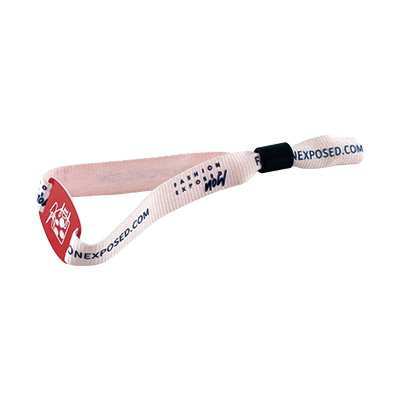
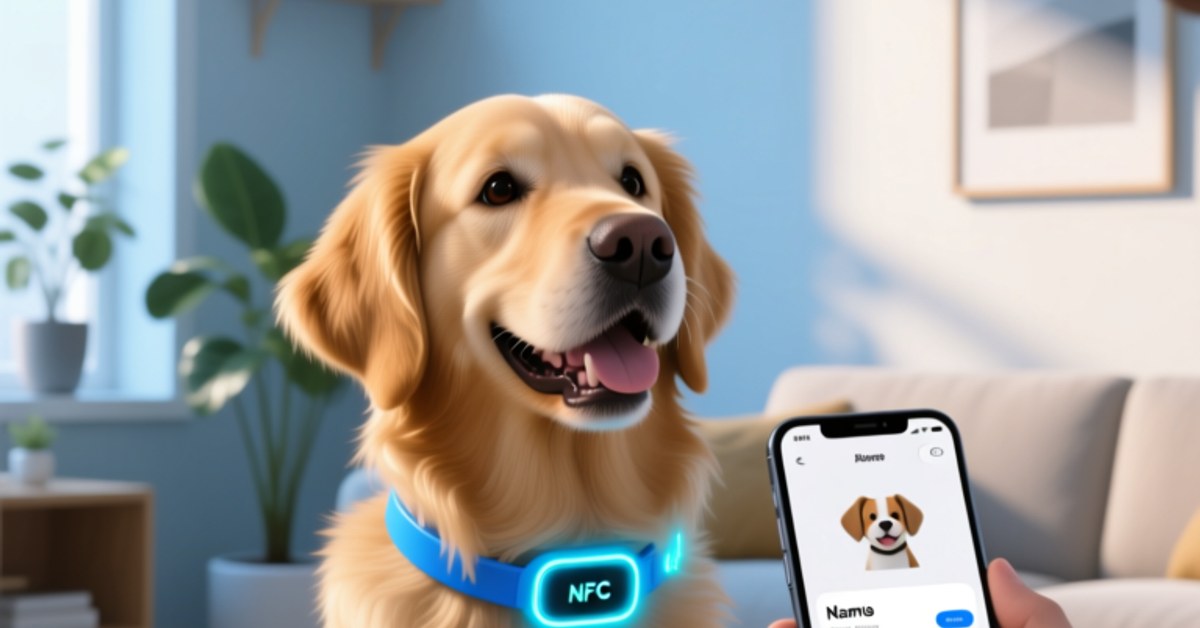
Ĉe RFIDHY, ni vidis kiel speciale konstruita Porteblaj NFC—de NFC-pojnoj al NFC-ŝlosiloj—povas transformi aliron kaj engaĝiĝon. La ringo, tamen, aldonas tavolon de persona konstanteco, kiun aliaj porteblaj ne povas egali. Tiu artikolo plonĝas en la unikajn avantaĝojn de la ringformfaktoro, realaj uzkazoj enhavantaj pagojn, fizika aliro, transito, kaj identeco, kaj ŝlosilaj dezajnaj konsideroj por helpi produktteamojn konstrui sekurajn, daŭraj solvoj, kiujn uzantoj efektive volos porti ĉiutage.
La Unika Avantaĝoj de la Ringa Formfaktoro
Kio diferencas inteligentan ringon de inteligenta horloĝo aŭ karto? Ne temas nur pri estetiko - la ringforma faktoro enkondukas konkretan ergonomion, kondutismaj, kaj operaciaj avantaĝoj kiuj rekte influas uzantan adopton kaj sisteman fidindecon.
Ĉiam Disponebla, Nula Frikcio
Male al telefono, kiu loĝas en poŝo aŭ pojno, kiu povas malhelpi manikojn, NFC-ringo restas sur la fingro 24/7. Uzantoj ne bezonas preni aparaton; ili simple alportas sian manon al leganto. Ĉi tiu "ĉiam havebla" pozo forigas paŝojn en la interaga fluo, reduktante transakcian tempon kaj forigante barojn kiuj povas kaŭzi uzantojn forlasi sistemon. Por transitaj funkciigistoj aŭ konstruaj administrantoj, la diferenco inter 2-sekunda frapeto kaj 5-sekunda palpumo kun telefono povas difini pinthoran trairon.
Pasiva, Funkciado sen Baterio
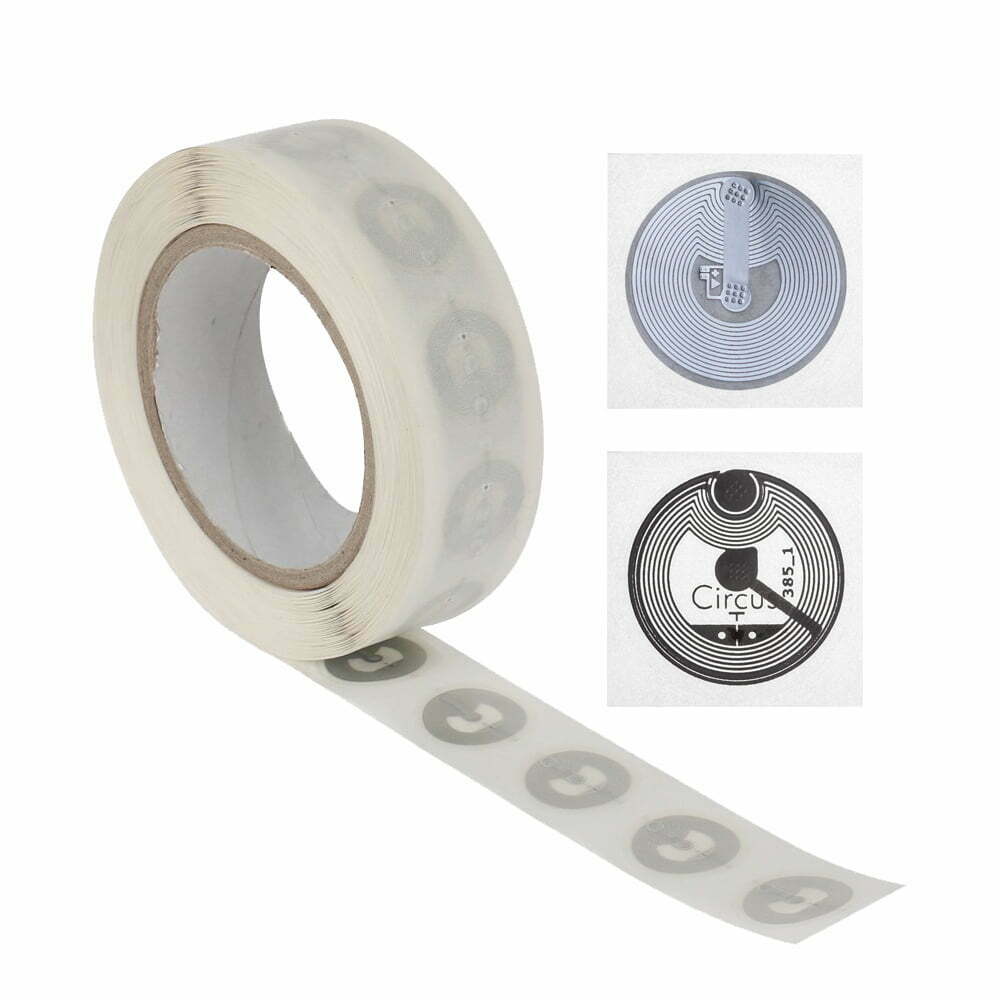
NFC-ringoj funkcias sen interna energifonto. Ili rikoltas energion de la RF-kampo de la leganto, same kiel an NFC-etikedo enigita en a NFC-glumarko aŭ NFC inkrustaĵo. Ĉi tio signifas neniun ŝarĝon, neniu baterio degradado, kaj neniu planita anstataŭaĵo. Por produktmanaĝeroj, la Fakturon de Materialoj (BOM) restas malgrasa, akvorezisto fariĝas pli simpla, kaj longdaŭraj bontenadkostoj malpliiĝas draste. Se desegnite ĝuste, pasiva NFC-ringo povas daŭri tiel longe kiel la metala aŭ ceramika korpo kiu enhavas ĝin.
Intuicia, Kulture Konata Gesto
Ringoj portis simbolan kaj funkcian signifon dum jarcentoj. La movo frapi ringon kontraŭ leganto sentas naturan - etendo de manpremo-simila homa interago. Ĉi tio malaltigas la lernadon kaj pliigas la konfidon de la uzanto, precipe en konsumantoj-alfrontaj aplikoj kiel senkontaktaj pagoj aŭ lojalecaj programoj. Fintech-kompanioj integriĝantaj NFC ringpago solvoj ofte raportas pli altajn enskribajn indicojn kiam la ĵetono sentas kiel persona akcesoraĵo prefere ol alia aparato por administri.
Reduktita Perdo kaj Mislokiga Risko
Kartoj estas faligitaj; pojnoj estas forgesitaj. Ringo, kiu restas sur la fingro dum la tuta tago—dum pluvegoj, trejnadoj, kaj dormo—havas signife pli malaltan perdan indicon. Por alirkontrolaj medioj (gimnastikejoj, kunlaboraj spacoj, kompaniaj kampusoj), ĉi tio tradukiĝas en malpli da reeldonkostoj kaj malpli da streĉo de helpservo-resursoj. Integrintoj ankaŭ povas ligi la unikan identigilon de la ringo al ununura uzanto sen zorgi pri ĵeton-dividado, plifortigante reviziajn spurojn.
Diskreta kaj Eleganta
Modernaj NFC-ringoj estas kreitaj el materialoj kiel ceramiko, titanio, kaj hipoalergena neoksidebla ŝtalo, desegnita por aspekti kiel tradicia juvelaĵo. Ĉi tiu estetika alogo igas ilin taŭgaj por altsekurecaj medioj kie malkaŝa teknologio povus esti nebonvena. (luksaj hoteloj, privataj kluboj) kaj por modkonsciaj konsumantoj, kiuj neniam portus plastan pojnon. La ringa formo-faktoro portebla tiel transpontas la interspacon inter industria-grada identecĵetono kaj ĉiutaga akcesoraĵo.
Pagaj Uzaj Kazoj: Transformante la Ringon en Ciferecan Monujo-Kunulon
NFC-ringaj pagokapabloj estas inter la plej konvinkaj ŝoforoj de komerca intereso. Ŝargante ĵetonigitan kartan akreditaĵon sur sekura NFC-elemento, ringo povas kopii senkontaktan bankkarton aŭ proprietan stokitan valoran instrumenton.
En tipa deplojo, la NFC-ringo enhavas sekuran elementon, kiu stokas pagajn apletojn konformajn al senkontaktaj specifoj de EMVCo. Kiam frapetita sur norma POS-terminalo, la transakcio okazas same kiel ajna kart-bazita senkontakta pago. Financaj institucioj jam esplorantaj porteblajn pagpilotojn vidis uzantojn elspezi pli ofte kaj elmontri pli altan paperaran gluecon kiam ringo anstataŭigas tradician plastan karton.. La kialo estas simpla: la ringo estas ĉiam ĉe la mano, fari spontaneajn malaltvalorajn transakciojn (kafo, transito, vending) senfrikcio konservante la saman kriptografan sekurecon kiel blatkarto.
Por fermitaj cirklaj medioj - kompaniaj kafejoj, universitataj kampusoj, feriaj propraĵoj—NFC-ringo povas funkcii kiel stokita-valora ĵetono ligita al a Senkonta pago de NFC sistemo. Male al saĝtelefona aplikaĵo, kiu postulas ekrantuŝojn kaj biometriajn malŝlosojn, ring-bazita pago estas unufrapa ago kiu ne rompas la fluon de la uzanto. Ĉi tio igas ĝin ideala por altrapidaj linioj kaj rapidservaj restoracioj kie ĉiu sekundo gravas.
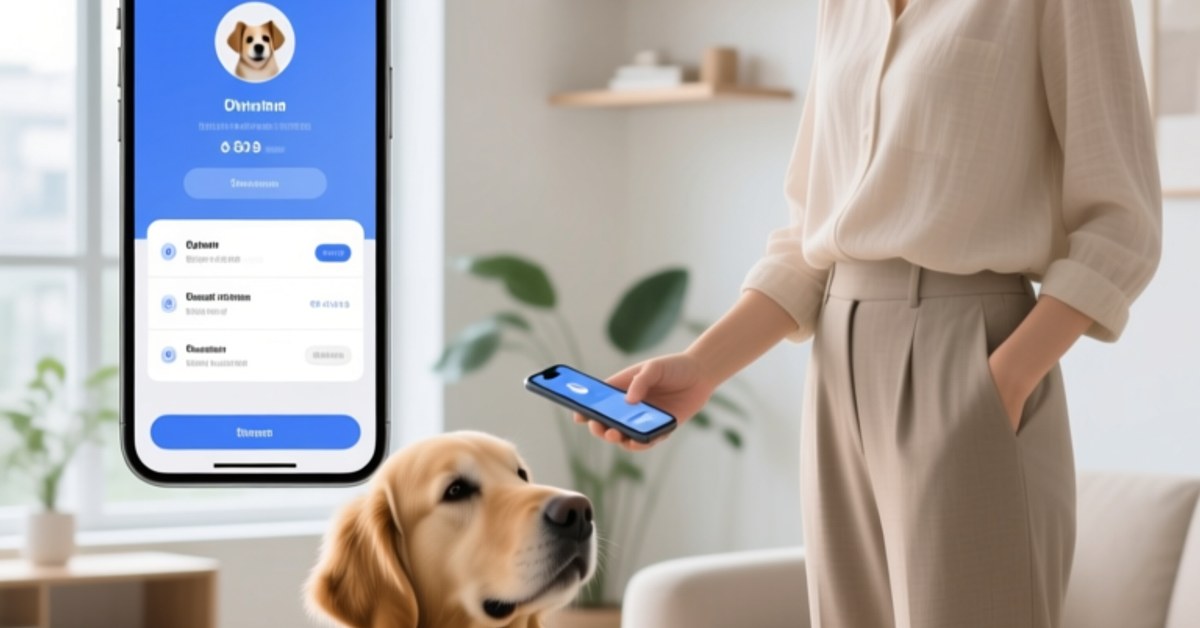
Produktteamoj evoluantaj NFC-ringan pagoplatformon devas zorge pripensi la provizantan procezon. Super-aera ĵetono per kuna poŝtelefona aplikaĵo nun estas norma, permesante al uzantoj administri kiu karto aŭ konto estas ligita al la ringo. La ringo mem restas pasiva ŝipo, sed la aplikaĵo fariĝas la kontrolcentro por ekvilibrokontroloj, transakcia historio, kaj fora malaktivigo. Ĉi tiu arkitekturo tenas la ringon simpla kaj la sekurecon regebla, kun ĉiuj sentemaj operacioj okazantaj servilflanke aŭ ene de la fidinda ekzekutmedio de la provizanta inteligenta telefono.
Porda Aliro kaj Transiro: Repripensi Fizikan Interagon kun Spacoj
Alirkontrolo estas kie NFC-ringoj vere brilas. La gesto—frapi manon sur leganto—jam estas mensa modelo por plej multaj homoj danke al senkontakta karto-eniro.. La ringo simple forigas la bezonon porti apartan akreditaĵon.
Oficejo kaj Korporacia Aliro
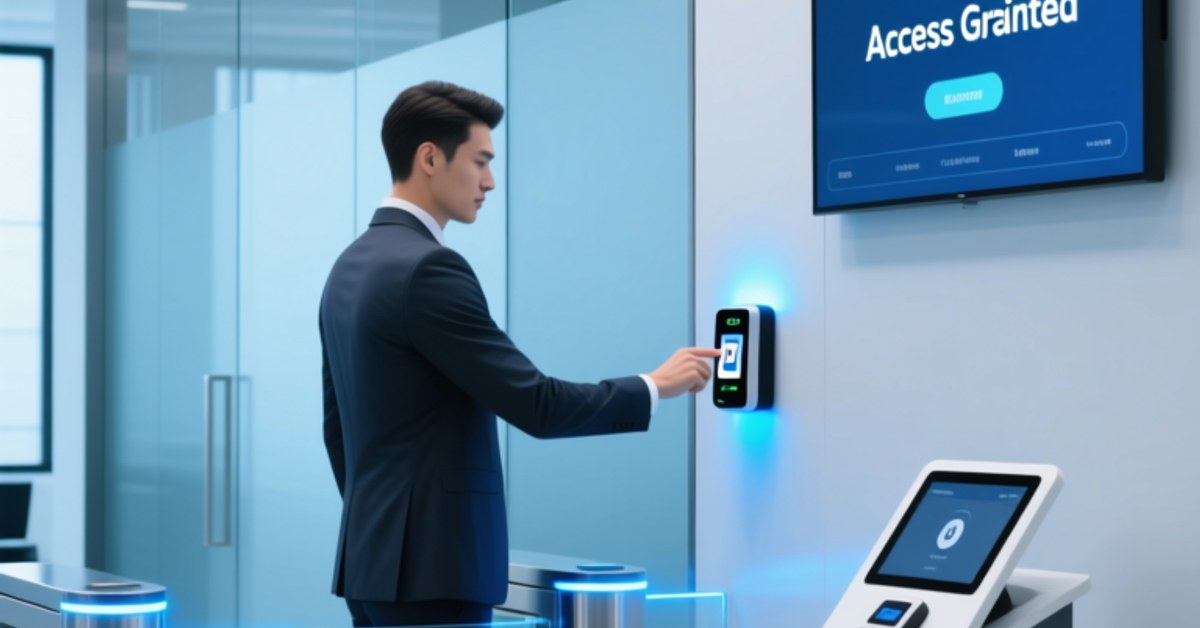
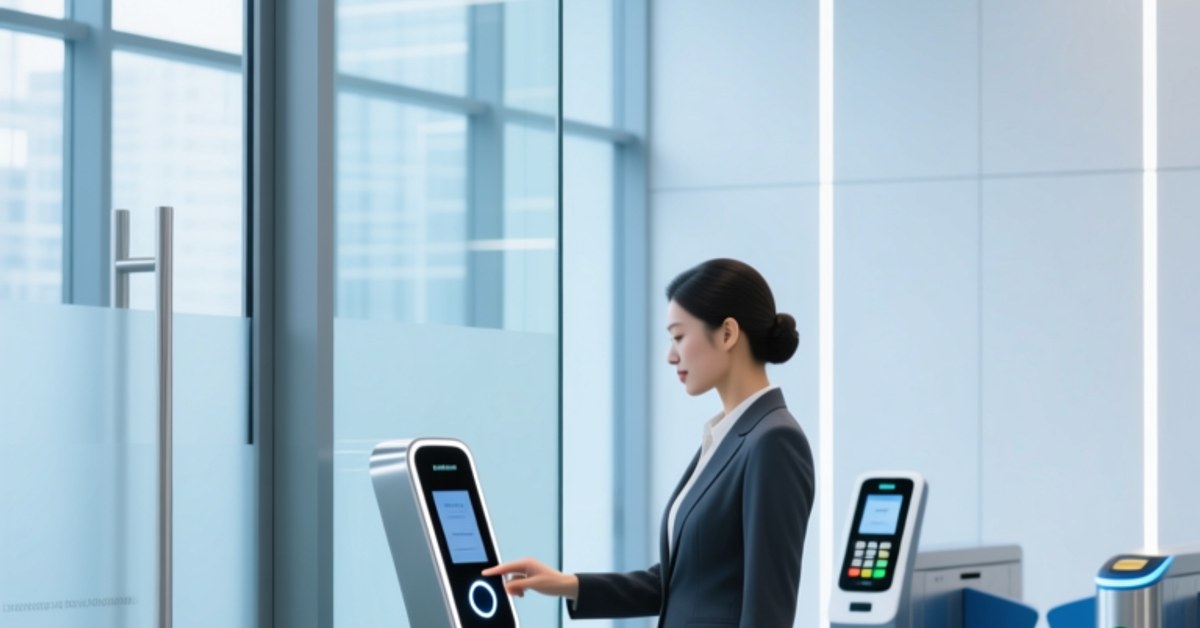
Modernaj oficejoj moviĝas for de plastaj insignoj al pli flekseblaj portebla aliro solvoj. NFC-ringo povas teni plurajn alirŝlosilojn: unu por konstrua enirejo, alia por planko-restriktitaj zonoj, kaj triono por parkumpordegoj. Integrigantoj povas ĉifri ĉi tiujn ŝlosilojn uzante normajn formatojn (MIFARE DESFire, NTAG DNA, aŭ kutimaj NDEF-rekordoj) kiuj laboras kun ekzistantaj legantoj, eliminante la bezonon de infrastrukturrevizioj. Male al smartphone-bazita poŝtelefona aliro akreditaĵo, kiu povas suferi pro malplenigitaj baterioj aŭ Bluetooth-pariĝo prokrasto, la ringo disponigas tujan "sur-leganton" respondon kun neniuj dependecoj sur la potencostato de la telefontenilo.
Por hibridaj laborejoj, kie dungitoj estas varmaj kaj bezonas provizoran aliron al komunaj rimedoj (ŝrankoj, presiloj, kunvenejoj), la persista ĉeesto de la ringo sur la fingro certigas konsekvencan uzantan sperton sen la frustriĝo de forgesitaj insignoj. Alirprogramoj povas esti ligitaj rekte al la ringo UID de la individuo, kaj ĉar ringoj malofte estas pruntedonitaj, la sistemo akiras pli altan nivelon de identecfido.
Transitaj kaj Amas-Evenaj Biletoj
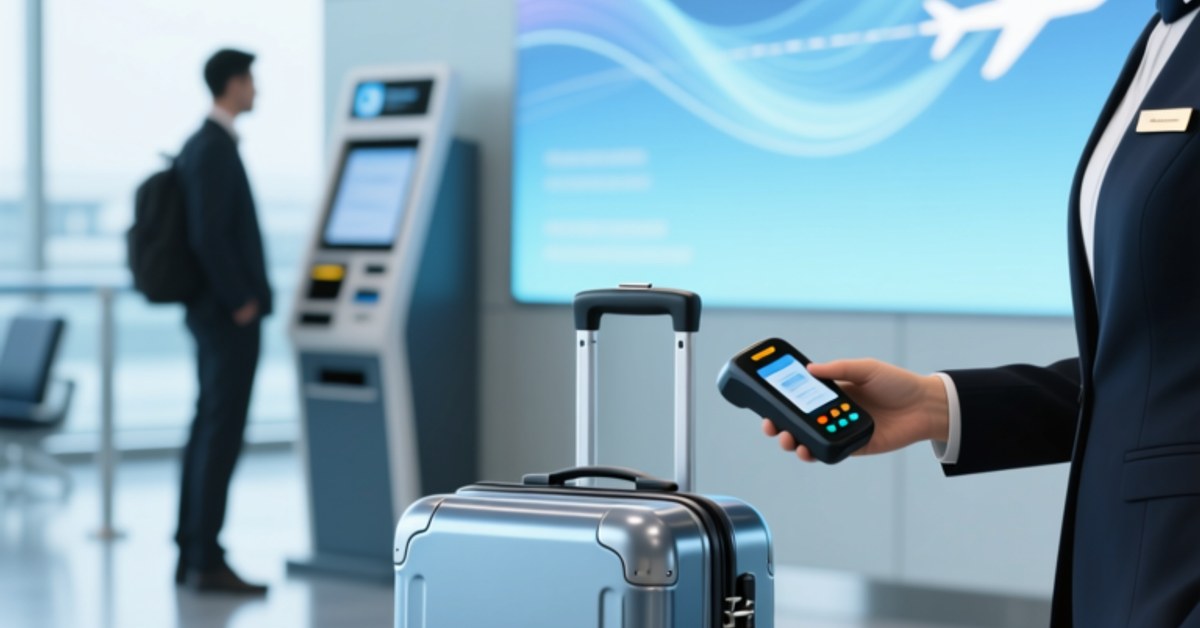
Publikaj transportaj sistemoj tra la mondo ĝisdatiĝas al konto-bazita biletado, kiu subtenas diversajn amaskomunikilarojn, inkluzive de porteblaj. NFC-ringo ĉifrita per transit-specifa aplikaĵo povas anstataŭigi biletkarton por frapetado en kaj el busoj, trajnoj, kaj pramoj. La ĉiam-havebla naturo de la ringo signifas ke navedantoj neniam maltrafas frapeton ĉar ilia karto estas entombigita en sako..
Simile, ĉe grandaj eventoj—festivaloj, konferencoj, stadionoj—NFC-pojnoj estas jam popularaj por aliro kaj senpagaj pagoj. NFC-ringoj proponas la saman funkcion sed kun pli fortika, reuzebla formo. Eventorganizantoj povas elsendi ringojn kiel VIP-akreditaĵojn aŭ plurtagajn enirpermesilojn, plibonigante la superan senton dum redukto de plasta malŝparo. Post-okazaĵo, la ringo povas esti reprovizita por kunulaj programoj aŭ lojalecprogramoj, plilongigante ĝian vivdaŭron preter ununura okazaĵo.
Konfirmo de Identeco: Ligante Ciferecan Identecon al la Fingro
Preter malfermi pordojn kaj movi monon, la NFC-ringo povas porti kriptografie kontroleblajn identecajn atributojn. NFC-ringa identeco uzkazoj ampleksas logikan aliron (ensaluti en sistemojn), kontrolado de fizika ĉeesto (enregistriĝo ĉe gimnazio aŭ hospitalo), kaj eĉ generado de ciferecaj subskriboj.
En entreprenaj medioj, NFC-ringo kun FIDO2-kongrua aŭtentikigilo aŭ PIV-kongrua atestilo povas funkcii kiel senpasvorta unufaktora aŭ plurfaktora ĵetono. Kiam vi frapetas sur tekkomputilo aŭ tablojdo kun NFC-ebligita, la ringo prezentas publikŝlosilan akreditaĵon, kiu pruvas la ĉeeston de la uzanto sen tajpi pasvorton. Ĉar la privata ŝlosilo neniam forlasas la sekuran elementon de la ringo, phishing minacoj estas praktike forigitaj. Por IT-administrantoj, administri ring-bazitajn akreditaĵojn per centralizita MDM aŭ PKI-infrastrukturo estas simpla kaj reduktas la helpservo-ŝarĝon de pasvortrestarigaĵoj..
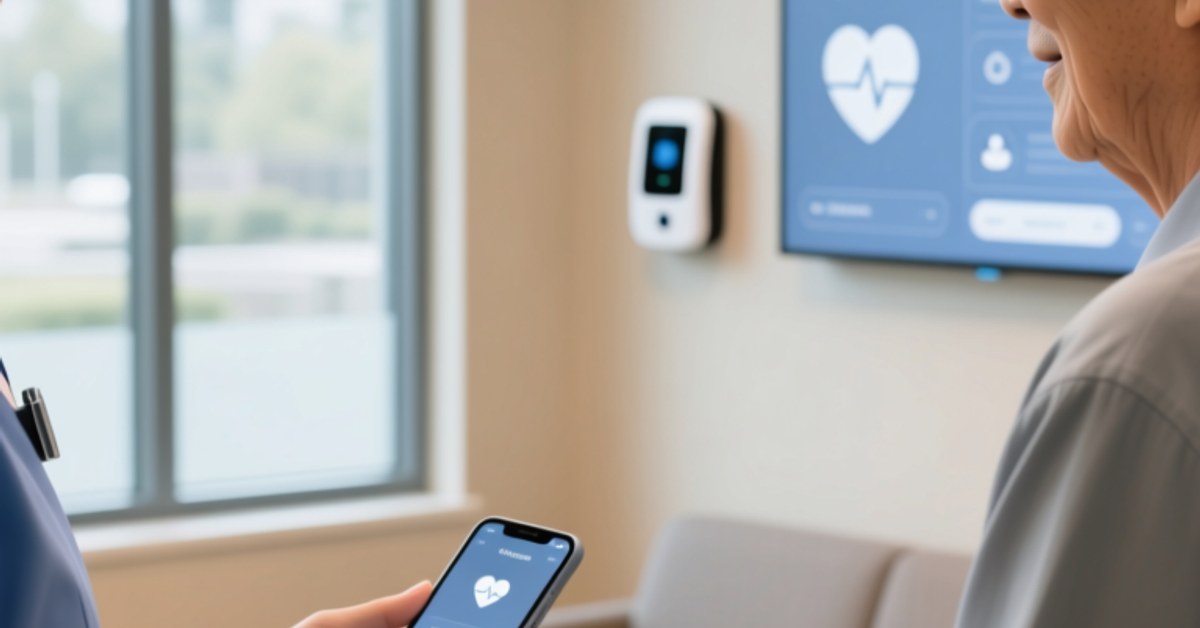
En sanservo kaj taŭgeco agordoj, NFC-ringo povas stoki membrinformojn kaj san-rilatajn konsentajn flagojn. Trejnsalono-membro frapetas la ringon ĉe la enirejo por registri sian viziton, kaj la sama frapeto sur konektita peco de ekipaĵo identigas la uzanton por personecigitaj trejnagordoj. Hospitaloj povas elsendi paciencajn ringojn, kiuj ligas al medicinregistraj identigiloj kaj permesas privatec-konformecan identeckonfirmon ĉe kioskoj.. En ĉiuj ĉi tiuj scenaroj, la ringo restas kun la persono - honorante la principon ke identeco devus esti same persona kaj persista kiel la individuo kiun ĝi reprezentas.
Fortikeco kaj Ĉiutaga Eluziĝo: Realigi Ringon Kiu Daŭras
Kiom ajn brila estas la teknologio, portebla malsukcesos se ĝi ne povas travivi ĉiutagan vivon. NFC-ringo devas elteni akvon, ŝvito, efikoj, kaj kemia malkovro - ĉio konservante fidindan RF-agadon.
Materiala Elekto
Altkvalitaj NFC-ringoj estas kutime konstruitaj el ceramiko (zirkonio) aŭ altkvalitaj metaloj kiel titanio kaj 316L neoksidebla ŝtalo. Ĉi tiuj materialoj rezistas al gratado, makulanta, kaj korodo, igante ilin taŭgaj por 24/7 porti. Ceramiko ofertas plian avantaĝon: ĝi estas RF-travidebla, signifante ke la NFC-anteno povas esti enigita ene de la ringo sen metalaj ŝirmaj problemoj. Metalaj ringoj postulas zorgan antendezajnon, ofte asimilante feritan ŝildon kaj zorge metita fendeto, sed ankoraŭ povas liveri bonegan legan gamon kiam ĝi estas ĝuste realigita.
Akvo kaj Media Rezisto
Ĉar NFC-ringoj estas pasivaj kaj enhavas neniun baterion, atingi akvoreziston estas pli simpla ol kun elektraj porteblaj. Taŭge sigelita NFC-ringo povas facile plenumi IP68-normojn, pluviva mergado en dolĉakvo ĝis profundoj pretere 1 Metro. Uzantoj povas duŝi, naĝi, kaj senĝene lavi la manojn. La foresto de ŝargaj havenoj forigas komunan enirpunkton por humido kaj polvo, plu plibonigante longvivecon.
Ĉiutaga Eluziĝo Testado
Por produktteamoj enirantaj la spacon, estas esence fari vastajn eluzajn provojn. Variabloj kiel ringrotacio sur la fingro, la ĉeesto de locioj aŭ oleoj, kaj metal-al-metala kontakto kun pordaj teniloj ĉiuj influas RF-efikecon. En bone dezajnitaj ringoj, la legata intervalo restas stabila trans diversaj realaj kondiĉoj. Efikeco ankaŭ estas ligita al la leganto: altkvalita NFC-leganto kun malavara antena aperturo kompensos multajn mediajn variablojn. Kunlabori kun spertuloj pri RFID-solvoj, kiuj povas provizi gvidon pri kongruaj legantoj-etikedoj, estas kritika paŝo por integristoj.
Deploja Arkitekturo ĉe Rigardo
>
| Tavolo | Ŝlosilaj Komponentoj | Dezajna Konsidero |
|---|---|---|
| Ringa Aparataro | Pasiva NFC-etikedo blato, anteno, ceramika/metala korpo | Ofta agordo, akvorezisto, legu intervalooptimumigo |
| Sekura Elemento | DESFire EV3, NTAG DNA, apleto de Java Card | Ĉifrado, defio-respondo, plenumo (EMVCo, FIDO2) |
| Leganto-Infrastrukturo | NFC-legantoj, pagterminaloj, alirpaneloj | Kongrueco kun ekzistantaj sistemoj, anteno dezajno, denseca planado |
| Provizanta Apo | Poŝtelefona SDK, tokenigo enirejo, backend CMS | Uzanto sperto, OTA-ĝisdatigoj, fora malaktivigo |
| Administra Instrumentpanelo | TTT-bazita administra konzolo, API-integriĝoj | Analitiko, revoko, vivciklo-administrado |
Dezajnaj Konsideroj por Produktaj Teamoj
Venti NFC-ringon al merkato implikas pli ol aparataron elekton. La sekvaj areoj postulas zorgan atenton:
- Uzanto-Sperto: La frapeta zono devus esti intuicia. Plej multaj ringoj poziciigas la NFC-blaton sur la malsupra flanko aŭ specifa vizaĝo por kuraĝigi naturan geston. Enŝipiĝo (ringo grandeco, konta ligo) devas esti senfrikcio.
- Sekureca Arkitekturo: Decidu inter simpla UID-bazita solvo (por malalt-sekureca aliro) kaj sekuran element-bazitan reciprokan aŭtentikigon (por pagoj kaj alta asekura identeco). Ĉiu havas kostajn kaj kompleksajn kompromisojn.
- Kunfunkciebleco: Provu la ringon kontraŭ la plej oftaj legantoj en la celmerkato. Ringo kiu funkcias perfekte kun unu legantomodelo sed malsukcesas kun alia povas dereligi piloton.
- Privateco de datumoj: Certigu, ke neniuj personaj datumoj estas transdonitaj klare dum frapetaj eventoj kaj ke malantaŭaj sistemoj konformas al regionaj privatecaj regularoj..
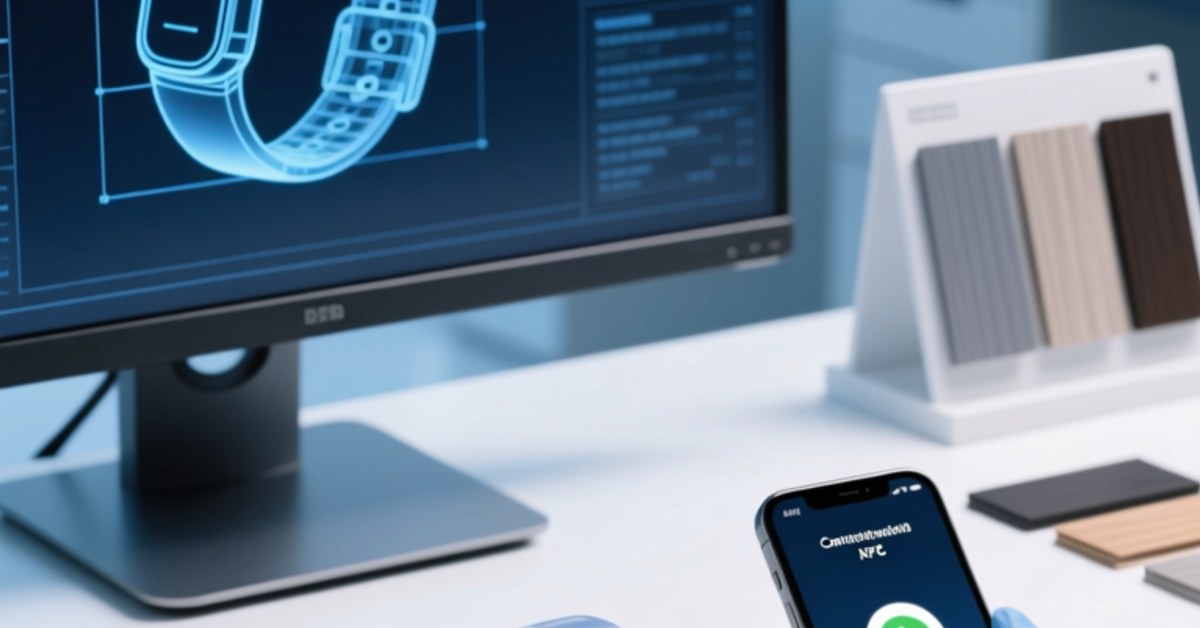
- Estetiko kaj Dimensio: Proponu gamon da grandecoj kaj finoj. Unugranda konvena aliro malofte funkcias por juvelaĵoj. Partneriĝi kun fabrikaj specialistoj de RFIDHY kiuj komprenas precizecan porteblan inĝenieristikon.
Kiel NFC-ringoj konvenas en la Pli Larĝan Porteblajn Ekosistemon
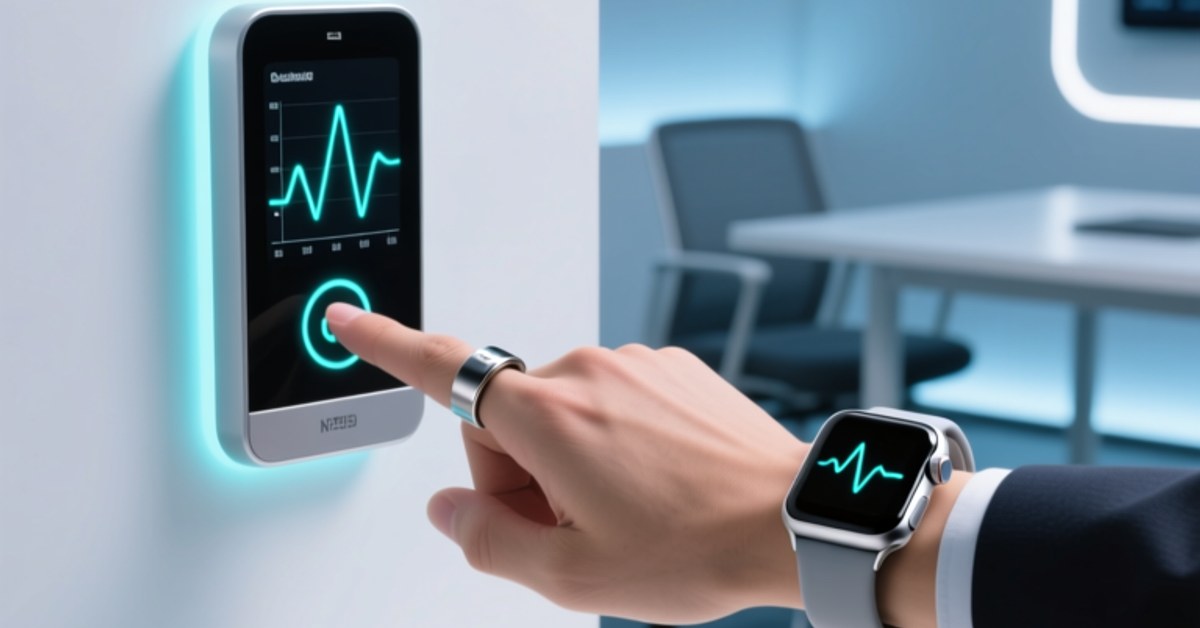
NFC-ringoj ne konkuras kun inteligentaj horloĝoj aŭ taŭgecaj spuriloj - ili kompletigas ilin. Dum inteligenta horloĝo ofertas ekranon, monitorado de korfrekvenco, kaj app-interagoj, la NFC-ringo elstaras je silento, rapida identigo kaj transakcio. Multaj uzantoj portos ambaŭ, uzante la ringon por aliro kaj pago kaj la horloĝon por sciigoj kaj sano-spurado. Por produktostrategiistoj, la ringo malfermas novan kategorion de pasivo, identec-centraj porteblaj kiuj povas esti deplojitaj tra ekosistemoj kiuj jam akceptas inteligenta portebla identigo.
Por entreprenoj kiuj jam disfaldas NFC-pojnoj por eventoj aŭ aliro al hotelo, aldoni NFC-ringopcion pliigas klientan elekton kaj malfermas altkvalitajn plivendajn ŝancojn. La infrastrukturo restas la sama; nur la formofaktoro kaj provizofluo ŝanĝiĝas. Ĉi tiu modulareco faras NFC-ringojn alloga aldono al iu ajn ĵeton-bazita sistemo.
Oftaj Demandoj
Kio estas NFC-ringo?
NFC-ringo estas fingroportita portebla, kiu enhavas pasivan NFC (Proksime de Kampa Komunikado) blato kaj anteno. Ĝi povas komuniki kun kongruaj legantoj por plenumi taskojn kiel senkontakta pago, porda aliro, identeckonfirmo, kaj kundivido de datumoj, ĉio sen kuirilaro.
Kiel funkcias NFC-ringa pago?
NFC-ringo ŝarĝita per tokenigita bankkarto aŭ stokita-valora konto funkcias ekzakte kiel senkontakta karto.. Tenu la ringon proksime de NFC-ebligita POS-terminalo, kaj la transakcio finiĝas ene de momentoj. La ringo uzas la samajn EMV-sekurecnormojn kiel plastkartoj.
Ĉu NFC-ringo povas esti uzata por konstrui alirkontrolon?
Jes. NFC-ringoj povas anstataŭigi tradiciajn alirinsignojn. Ili konservas ĉifritajn akreditaĵojn, kiujn kongruaj pordaj legantoj rekonas. Ĉar la ringo restas sur via fingro, ĝi ĉiam disponeblas kaj reduktas la riskon de perditaj aŭ dividitaj insignoj.
Ĉu NFC-ringo estas akvorezista? Kiel fortika ĝi estas por ĉiutaga vesto?
Plej altkvalitaj NFC-ringoj estas faritaj el ceramiko, titanio, aŭ neoksidebla ŝtalo kaj estas sigelitaj laŭ IP68-normoj, tio signifas, ke ili povas esti subakvigitaj en akvo. Ili estas dizajnitaj por elteni ĉiutagajn agadojn, inkluzive de manlavado, duŝante, kaj ekzercado.
Kiel NFC-ringo pritraktas identeckonfirmon?
NFC-ringo povas stoki kriptografajn ŝlosilojn kiuj ebligas senpasvortan ensalutadon al komputiloj kaj retaj servoj aŭ pruvi membrecon en sekuraj instalaĵoj.. Frapi la ringon sur NFC-leganto sendas sekuran, phishing-rezista akreditaĵo sen elmontri pasvorton.
Kiaj legantoj laboras kun NFC-ringoj?
NFC-ringoj funkcias per iu ajn norma leganto konforma al ISO 14443—la sama tipo uzata por senkontaktaj kreditkartoj kaj alirinsignoj.. Antaŭ grandskala deplojo, oni rekomendas testi la specifan ringan modelon kun via leganto-marko por konfirmi legan gamon kaj transakcian rapidon.
Kie mi povas provi NFC-ringojn por mia projekto?
NFC-ringoj estas haveblaj de specialigitaj porteblaj aparataj provizantoj. NFCWORK ofertas gamon da NFC-porteblaj, inkluzive de ringoj, ŝlosilŝlosiloj, kaj pojnoj, taŭga por aliro, pago, kaj identecaj aplikoj. Kontaktu nian teamon por diskuti laŭmendajn dezajnojn kaj integrigan subtenon.
Preta alporti NFC Ring Solutions al Viaj Klientoj?
Ĉu vi disvolvas porteblan pagplatformon, ĝisdatigante alirkontrolekosistemon, aŭ esplori sekurajn identecajn ĵetonojn, la ĝusta aparataro partnero faras la tutan diferencon. Ĉe RFIDHY kaj NFCWORK, ni provizas finon-al-finan subtenon—de laŭmenda NFC-ringodezajno kaj pogranda fabrikado ĝis leganta infrastrukturo kaj provizanta programaro. Ni transformu la estontecon de portebla identeco en realaĵon, kiujn viaj uzantoj neniam volos ekflugi.