La Emocia kaj Merkata Realeco de Perditaj Dorlotbestoj
Ĉiujare, milionoj da kunuloj malaperas tra Usono kaj Eŭropa Unio. Nur en Usono, la Amerika Societo por la Preventado de Krueleco al Bestoj (ASPCA) notas tion proksimume 6.5 milionoj da hundoj kaj katoj eniras ŝirmejojn ĉiujare, kun granda procento alvenanta kiel perditaj vaguloj. En EU, dorlotbesto proprieto ŝvebis—fin 90 milionoj da domanaroj nun tenas almenaŭ unu dorlotbeston - tamen centralizitaj reakirosistemoj restas fragmentaj. La emocia nombro sur familioj estas grandega, kaj la financa kosto de serĉado, presi flugfoliojn, kaj enŝipiĝo trovitaj bestoj eskaladas rapide.
Kontraŭ ĉi tiu fono, la merkato de inteligentaj porteblaj dorlotbestoj akcelas. Valorita super $2 miliardo tutmonde, ĝi estas movita de posedantoj, kiuj rigardas la sekurecon kaj sanon de siaj dorlotbestoj kiel plej gravaj. Tradiciaj identigaj metodoj tro ofte malsukcesas: kolumoj rompiĝas, ID-etikedoj paliĝas, kaj mikroĉipoj dependas de specialigitaj skaniloj, kiuj mankas al la plej multaj trovintoj. Ĉi tie estas kie NFC (Proksime de Kampa Komunikado) eniras kiel transforma solvo — malmultekosta, universale alirebla cifereca identeca tavolo por dorlotbestoj.
NFC Hejmbestikedoj vs. Mikroĉipoj: Praktika Komparo
Mikroĉipoj estis la ora normo por permanenta identigo de dorlotbestoj dum jardekoj, sed ili venas kun kritikaj limigoj. Ili postulas enplantadon de bestkuracisto, funkcii per pasivaj RFID-frekvencoj, kaj povas nur esti legita per dediĉitaj skaniloj tipe trovitaj en ŝirmejoj aŭ klinikoj. Najbaro kiu trovas perditan hundon en la parko ne havas manieron legi mikroĉipon tuj.
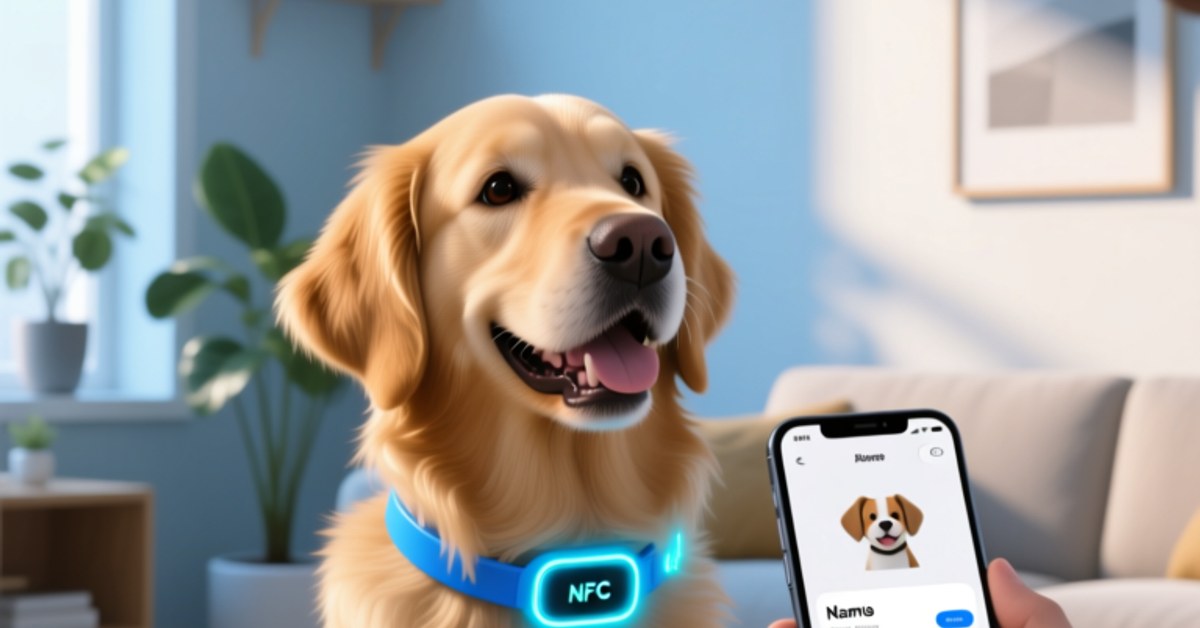
NFC-dorlotbestaj etikedoj, kontraste, utiligi la saman teknologion uzatan en senkontaktaj pagoj. Ĉiu moderna inteligenta telefono povas legi an NFC-etikedo per simpla frapeto—neniu aplikaĵo necesas por baza legado. Ĉi tio draste vastigas la reton de eblaj "skaniloj" al iu ajn kun telefono. Malsupre estas trajto-nivela komparo:
>
| Karakterizaĵo | Mikroĉipo | NFC-Hestetikedo |
|---|---|---|
| Leganta aparato | Dediĉita bestkuracisto/ŝirma skanilo | Ajna NFC-ebligita inteligenta telefono |
| Enplantado | Injektita sub haŭto | Portita sur kolumo/jungilaro (neinvasiva) |
| Datenoj konservitaj | Unika ID (postulas serĉon de datumbazo) | Agordigebla URL, kontaktaj detaloj, sanaj registroj |
| Elektrofonto | Neniu (pasiva) | Neniu (pasiva NFC) |
| Ĝisdatigebleco | Registroŝanĝo nur | Realtempa redaktado per nuba platformo |
| Daŭreco | Vivdaŭro de dorlotbesto | Dependas de etikedo enkapsuliĝo (ĝis 10 jaroj+) |
Dum mikroĉipoj restas esencaj por ŝirm-bazita reakiro, NFC-dorlotbestaj etikedoj kompletigas ilin ebligante tujan, popola reunuiĝo. Kombinita aliro - mikroĉipo por oficiala identigilo, NFC-etikedo por tuja aliro - ofertas la plej fortan sekurecan reton.
Laborfluo pri Reakiro de Perdita Dorlotbesto kun NFC
La forto de NFC-bazita sistemo kuŝas en sia simpleco. Jen tipa reakira sekvenco kiam estas trovita perdita hundo portanta NFC-an inteligentan kolumon:
- Frapu por skani: Trovanto rimarkas la koletikedon kun NFC-simbolo. Per simpla telefonfrapo, la etikedo ekigas pop-up aŭ retligilon.
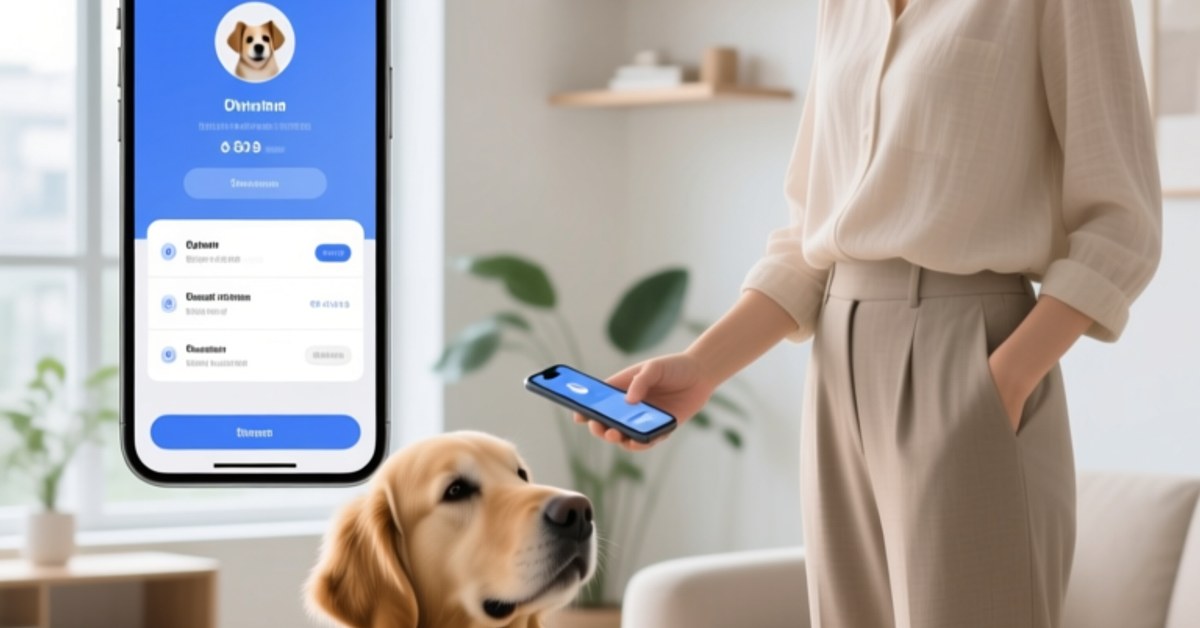
- Rigardu krizan profilon: La ligilo malfermas sekuran dorlotbestan profilpaĝon montrantan la nomon de la besto, posedanto kontaktinformon (aliĝi), medicinaj bezonoj, kaj butonon "voko posedanto"..
- Tuja konekto: La trovinto povas voki aŭ mesaĝi la posedanton sen malkaŝi privatajn numerojn, danke al dinamikaj maskado aŭ stafetservoj.
- Lokdividado: Iuj altnivelaj etikedoj registras la GPS-koordinatojn de la krano (se konsentite) kaj sendu alarmon al la posedanto kun la proksimuma loko de la trovinto.
- Reunuiĝo: La posedanto kaj trovinto aranĝas sekuran renkontiĝon, ofte en minutoj de la skanado.
Ĉar NFC-etikedoj povas esti programitaj per dinamikaj URL-oj, posedantoj povas ĝisdatigi siajn kontaktajn detalojn tuj per interreta panelo. Se telefonnumero ŝanĝiĝas dum dorlotbesto mankas, la profilo restas aktuala - signifa avantaĝo super gravuritaj metaletikedoj.
Integrigado de Pet Health Records per NFC
Moderna dorlotbestoposedo postulas pli ol identigon. Veterinaraj klinikoj, groomers, kaj dorlotbestoj bezonas rapidan aliron al vakcinadaj registroj, alergioj, kaj medikamentaj horaroj. NFC-porteblaj dorlotbestoj funkcias kiel enirejo al ĉi tiu informo.
Kiam bestkuracisto frapetas NFC-ebligitan kolumon, ili povas esti prenitaj al HIPAA-simila sekura portalo (en homaj terminoj, Konforma al GDPR/AVMA) montrante la kompletan medicinan templinion de la dorlotbesto. Ĉi tio estas precipe valora en kriz-okazoj—ekzemple, konante la alergion de maskoto al komuna antibiotiko tuj. Dorlotbestoposedantoj povas doni templimigitan aliron al klinikoj aŭ hundobredejoj, kaj familianoj povas dividi ununuran ciferecan sankarton por la sama besto.
Por dorlotbestaj sanprovizantoj, ĉi tio reduktas administran frikcion kaj minimumigas traktadajn erarojn. Por produktodizajnistoj, ĝi signifas, ke NFC-etikedmemoro devas alĝustigi sekurajn ĵetonojn aŭ UUID-ojn ligantajn al nub-bazitaj EMRoj. (Elektronikaj Kuracarkivoj) prefere ol stoki sentemajn datumojn rekte sur la etikedo.
Produktaj Dezajnaj Konsideroj por Smart Pet-Kolumoj
Konstrui fidindan NFC-porteblan dorlotbeston postulas pripensemajn aparatajn elektojn. Hejmbestaj markoj kaj OEM-oj devas zorge taksi la sekvajn aspektojn:
Formfaktoro kaj Fortikeco
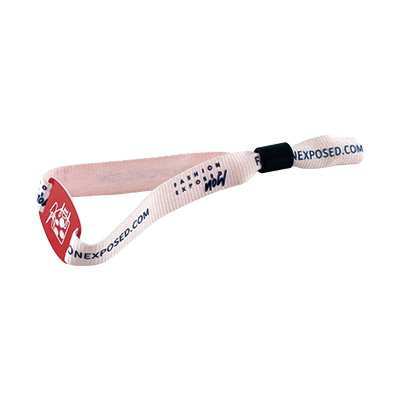
- Alliga metodo: NFC-etikedoj povas esti enigitaj rekte en silikonajn pojnojn (kiel tiuj de RFIDHY), kudrita en nilonan teksaĵon, aŭ enhavita en akvorezistaj pendaĵoj. Silicono NFC-pojnoj adaptitaj por dorlotbestaj kolumoj provizas ŝokon-sorbadon kaj maĉi-reziston.
- Protekto de eniro: Etikedoj devas atingi almenaŭ IP67-rangigon. Ntag-serio NFC-inkrustaĵoj enkapsuligitaj en epoksio aŭ ABS-plasto eltenas pluvon, naĝante, kaj malglata ludo.
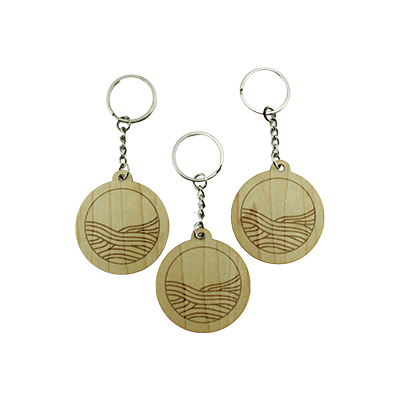
- Grandeco: Malgrandaj formaj faktoroj (T.e., 25mm diskoj aŭ 35×5mm fleksaj inkrustaĵoj) konvenas al katoj kaj ludilaj rasoj sen aldoni troan pezon.
Selektado de blato kaj Memoro
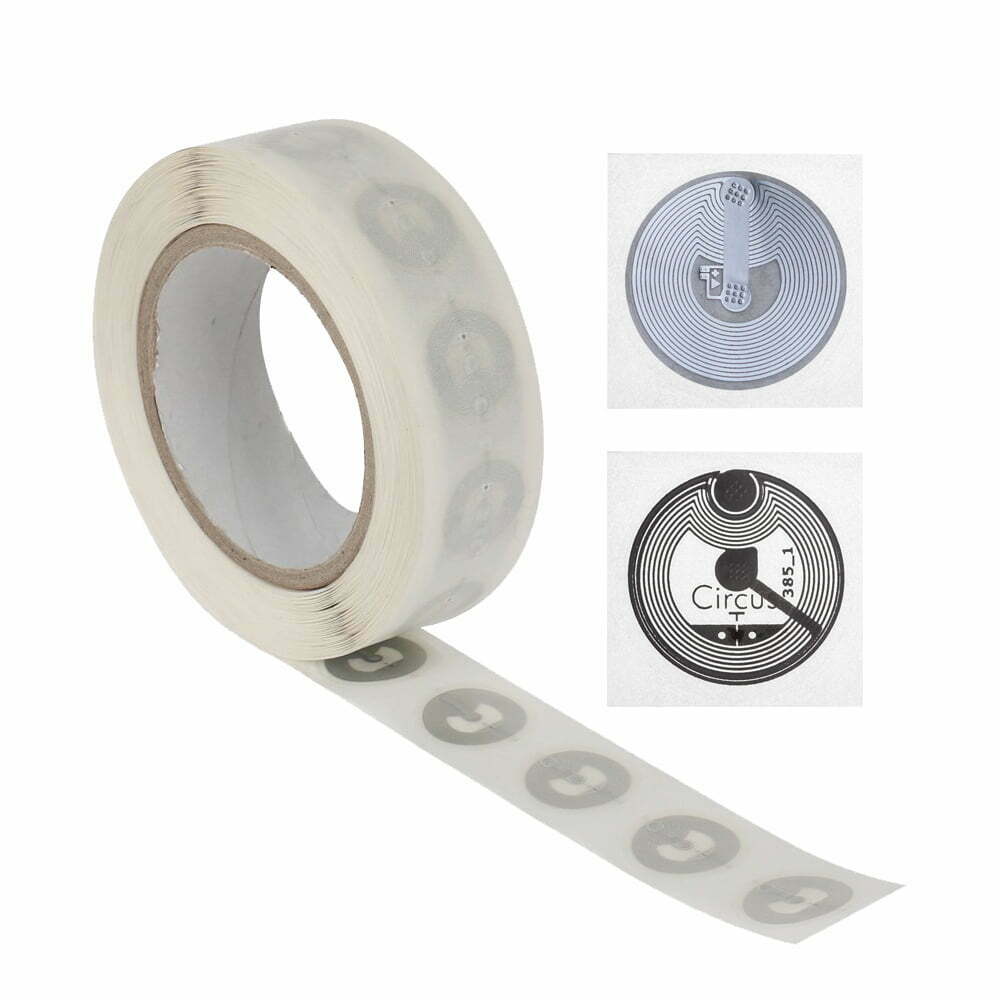
NFC Foruma Tipo 2 Etikedoj (NTAG216, ekzemple) kun 888 bajtoj da uzantmemoro estas populara bazlinio. Ili ofertas sufiĉan spacon por URL plus unikan identigilon. Por integriĝo de sano-rekordo, efektivigi etikedon UUID kiu ligas al nuba datumbazo, konservante la etikedajn datumojn minimume kaj sekuraj.
Ekologia Kongrueco
Dorlotbestoj gratas, mordi, kaj frotu kontraŭ surfacoj. Kontraŭmetalaj NFC-etikedoj (havebla de RFIDTAGHY) povas esti muntita sur metalaj D-ringoj sen de-agordado. Por ŝtofaj kolumoj, NFC malsekaj inkrustaĵoj aŭ flekseblaj sekaj inkrustaĵoj de NFCWORK povas esti kudrita dum fabrikado, kreante senjuntan inteligentan kolumon.
Uzanto-Sperto
La etikedo devus inkluzivi videblan NFC-ikonografion, por ke trovintoj tuj komprenu la frapan agon. Sekurkopio de QR-kodo presita sur la etikedo povas redirekti ne-NFC-telefonuzantojn al la sama profila URL. NFC-etikedo legaddistanco devus esti optimumigita por proksima kontakta frapetado (1–3 cm) por malhelpi hazardajn ellasilon.
La Vojo Antaŭen: NFC kaj la Konektita Dorlotbesto-Ekosistemo
Dum dorlotbestaj porteblaj evoluas, NFC servos kiel la ponto inter fizika identeco kaj ciferecaj servoj. Imagu manĝstaciojn, kiuj rekonas la manĝprofilon de dorlotbesto per NFC, aŭ hundopordoj kiuj registras enirtempojn. Inteligentaj urboj povus integri atentigojn pri perditaj dorlotbestoj kun municipaj NFC-retoj. Por antaŭpensantaj dorlotbestaj markoj kaj veterinaraj praktikoj, adopti NFC nun metas la fundamenton por estonta kunfunkciebleco.
Kombinante fortikajn NFC-inkrustaĵojn de RFIDHY kaj multflankaj NFC-etikedformatoj de NFCWORK, produktprogramistoj povas alporti al la merkato inteligentajn kolumojn kiuj estas ne nur funkciaj sed ankaŭ emocie resonantaj - igante ĉiun inteligentan telefonon en ebla reunuiga ilo..
Oftaj Demandoj
Ĉu NFC-dorlotbestaj etikedoj postulas bateriojn?
Ne. NFC-etikedoj estas pasivaj aparatoj, kiuj rikoltas energion el la elektromagneta kampo de la leganta saĝtelefono. Ili ne havas kuirilaron kaj daŭras jarojn, ofte jardekon aŭ pli kun taŭga enkapsuligo.
Ĉu NFC-dorlotbestaj etikedoj povas esti uzataj kune kun mikroĉipo?
Absolute. Ili servas komplementajn rolojn. Mikroĉipo estas konstanta kaj postulas klinikan skanilon; NFC-etikedo disponigas tujan aliron per inteligenta telefono. Uzi ambaŭ donas al via dorlotbesto la plej altan ŝancon esti resendita rapide.
Ĉu la personaj datumoj de mia dorlotbesto estas sekuraj sur NFC-etikedo?
Modernaj efektivigoj stokas nur unikan identigilon aŭ URL sur la etikedo, ne personaj informoj. La realaj datumoj loĝas en sekura nuba konto, kiun vi kontrolas. Vi povas elekti kiajn detalojn videblas al malsamaj homoj kaj revoki aliron iam ajn.
Ĉu la NFC-etikedo eltenos akvon kaj malglatan ludadon?
Kiam vi uzas industriajn NFC-etikedojn kiel tiuj de RFIDHY, enkapsuligita en daŭraj materialoj, la etikedoj estas akvorezistaj (IP67+), ŝoko imuna, kaj desegnita por ekstera uzo. Silicono NFC-pojnoj adaptitaj por kolumoj estas speciale fortaj.
Kio okazas se iu trovas mian dorlotbeston sed ne havas saĝtelefonon?
Multaj NFC-dorlotbestaj etikedoj ankaŭ inkluzivas presitan QR-kodon kaj mallongan URL sur la etikedo. Iu ajn kun fotila telefono aŭ interreta aliro povas skani la kodon aŭ tajpi la ligon por atingi la profilon de via maskoto kaj kontakti vin.
Kiel mi ĝisdatigas miajn kontaktajn detalojn ligitajn al la NFC-etikedo?
Vi povas ensaluti en nub-bazita profiladministranto (provizita de la etikedproduktanto aŭ servo) kaj redakti viajn informojn en reala tempo. La NFC-etikedo mem neniam bezonas reprogramadon; ĝi simple montras al la plej nova reta rekordo.
Ĉu vi serĉas integri NFC-identecon en vian dorlotbestan produktan linion aŭ veterinaran laborfluon? NFCWORK kaj RFIDHY provizi kompletan gamon da daŭraj NFC-etikedoj, inkrustaĵoj, kaj kutimaj inteligentaj vestaĵoj adaptitaj por bestaj aplikoj. Vizitu nian Inteligenta Portebla Identigo solvopaĝo por esplori antaŭinĝenieritajn opciojn, aŭ kontaktu nin diskuti kutimajn formfaktorojn kaj volumenan produktadon.