Phygital leikkikentät: Älykkäiden esineiden nousu pelaamisessa
Fyysisen pelaamisen ja digitaalisen pelaamisen välinen raja on hajoamassa. Nykypäivän pelaajat odottavat muutakin kuin passiivista ruutuaikaa – he kaipaavat kosketeltavaa vuorovaikutusta, jolla on todellista painoarvoa virtuaalimaailmoissa. Lähellä kenttäviestintää (NFC) on hiljainen mahdollistaja tämän muutoksen takana. Upottamalla NFC -tunnisteet ja lukijat leluihin, kauppakortit, lautapelin nappuloita, ja pelihallikaapit, kehittäjät voivat luoda saumattoman sillan, jossa napautus avaa hahmon lukituksen, säästää edistystä, tai laukaisee pelin sisäisen tapahtuman.
Pelistudioihin, huvipaikat, ja digitaaliset keräilyalustat, NFC-käyttöiset älykkäät objektit tarjoavat uuden suunnittelumallin: jatkuva identiteetti, kontekstuaalinen reagointikyky, ja vaivaton liitettävyys – kaikki ilman akkuja tai monimutkaista pariliitosta. Tässä artikkelissa kerrotaan, kuinka NFC muokkaa pelien rekvisiitta, keräiltäviä hahmoja, arcade-integraatio, ja pelaajien sitoutuminen, hyödyntämällä käsitteellisiä kehyksiä, jotka ovat jo muotoutumassa koko toimialalla.
NFC Game Propsissa: Beyond Button Mashing
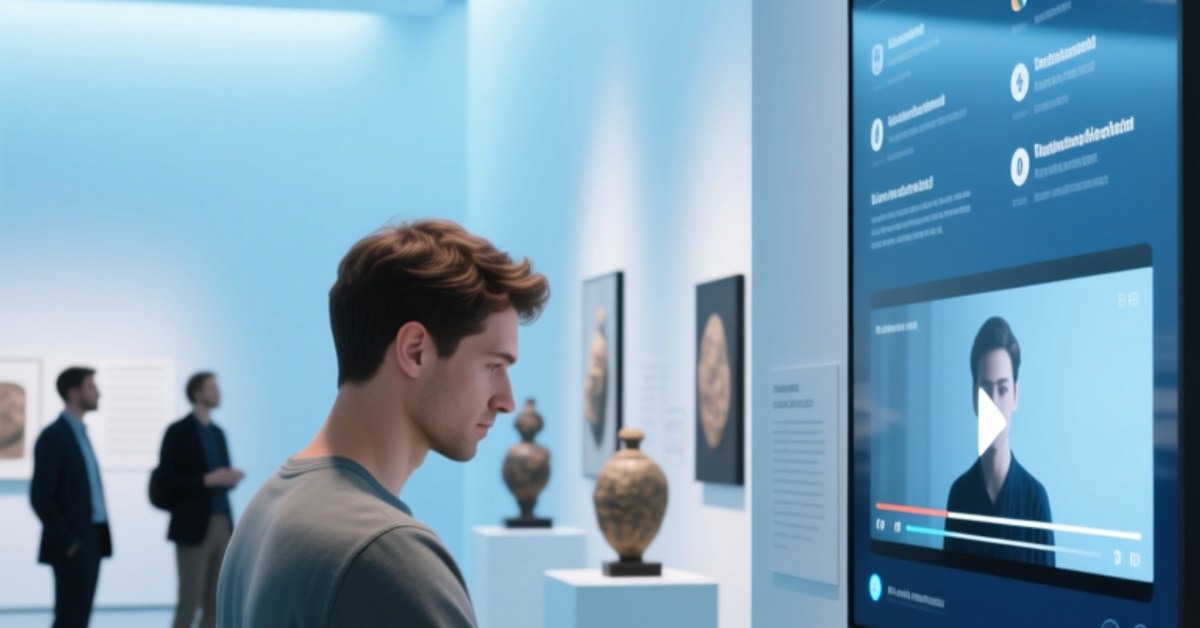
Perinteiset ohjaimet rajoittavat ilmaisun painikesarjoihin. NFC muuttaa fyysiset varusteet aktiivisiksi osallistujiksi pelilogiikassa. Kuvittele Dungeon Crawler -lautapeli, jossa jokainen sankariminiatyyri sisältää NFC -tunniste. Sen asettaminen taululle lataa automaattisesti kyseisen hahmon tilastot, inventaario, ja kokemuspisteet kumppanisovellukseen tai keskeiselle digitaaliselle näytölle. Sama konsepti skaalautuu pakohuonepulmiin, lasertunnistevarusteet, tai interaktiivisia museonäyttelyitä.
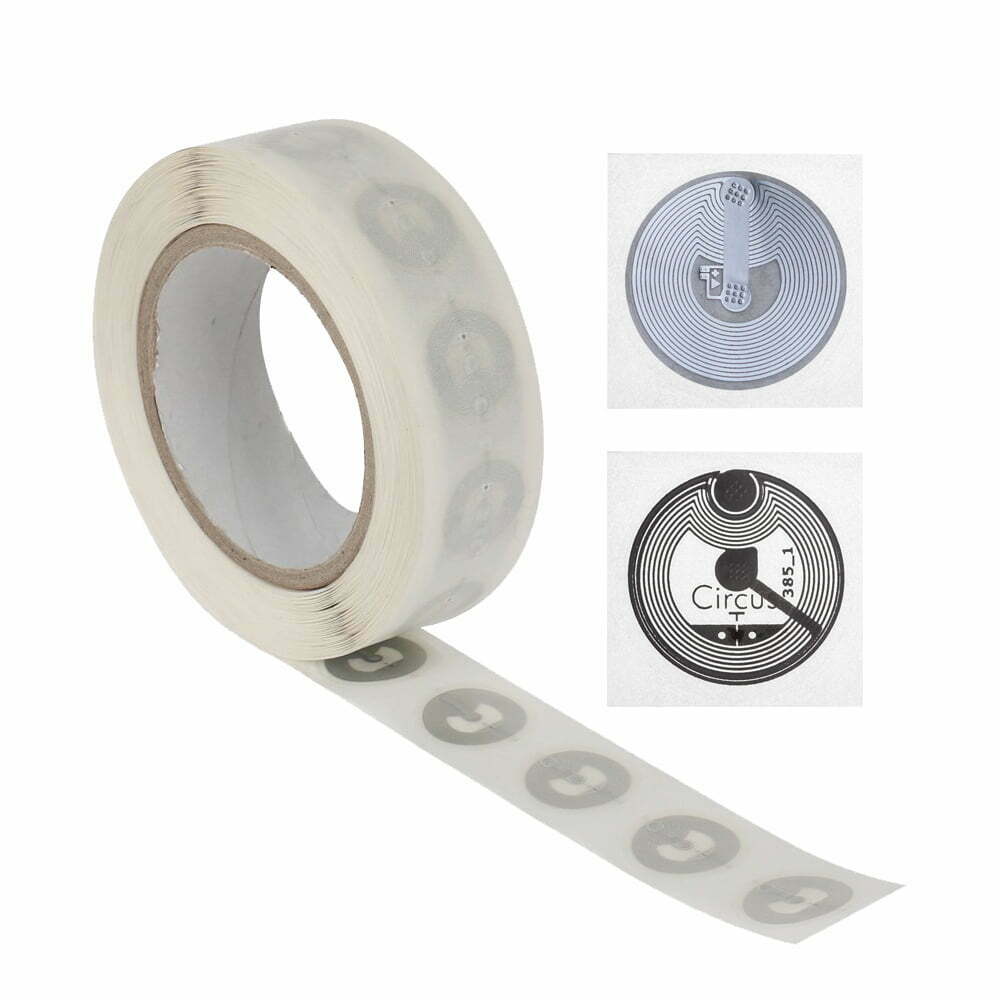
Tällaisten integraatioiden tärkeimmät laitteistokomponentit sisältävät NFC upotteet, NFC-tarrat, ja kompakti RFID-lukijat jotka voidaan piilottaa pöytätasojen tai kioskien sisään. Koska näitä tunnisteita on saatavana useissa eri muodoissa – erittäin ohuista märkäupokkeista jäykkiin epoksi NFC -tunnisteet-Ne sopivat lähes kaikkiin fyysisiin esineisiin häiritsemättä sen estetiikkaa.
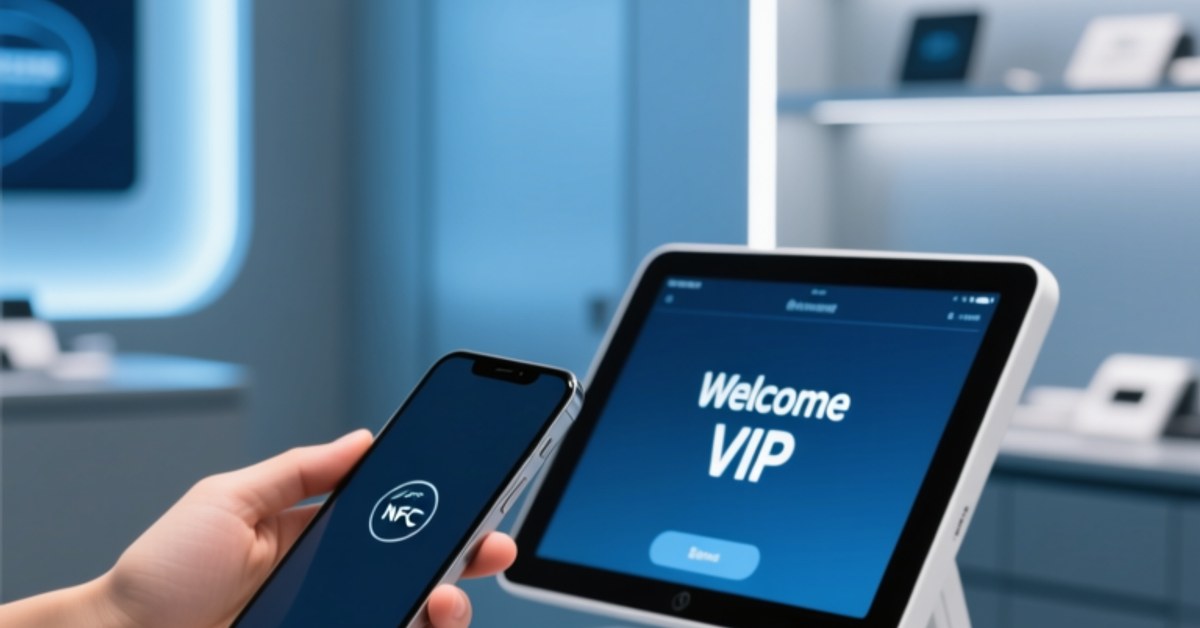
Kehittäjät voivat tallentaa yksilöllisiä tunnuksia, salattuja hyötykuormia, tai URL-osoittimia tagissa. Yksinkertainen napautus voi todentaa soittimen, muistaa pelastetun tilan, tai jakaa digitaalista omaisuutta pelaajan tilille. Tämä istunnoton vuorovaikutus poistaa kitkan: ei kirjautumisia, ei QR-koodin skannauksia, ei Bluetooth-pariliitosta.
NFC-keräilyhahmot: Hahmojen herättäminen henkiin
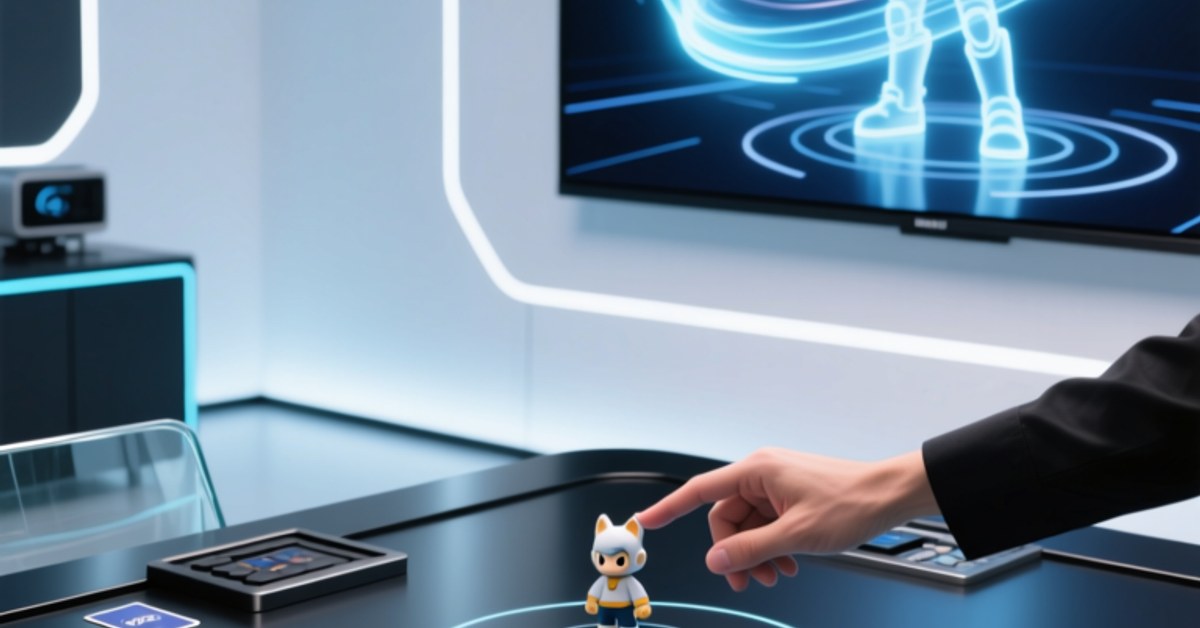
Keräilyhahmomarkkinat ovat jo omaksuneet NFC:n Amiibon kaltaisten alustojen kautta, Skylanders, ja LEGO-mitat. Perusperiaate pysyy vahvana: fyysisellä patsaalla on ainutlaatuinen digitaalinen identiteetti. Kun napautetaan lukijaa, se kutsuu hahmon peliin, avaa eksklusiivisen sisällön, tai tallentaa pelin virstanpylväitä.
Nyt, konsepti laajenee digitaalisiin keräilyesineisiin ja NFT:iin. Rajoitetun erän vinyylihahmossa voi olla NFC -siru joka toimii salaussiteenä lohkoketjun tukeman kaksosen välillä. Tämä yhdistää fyysisen ja ketjun omaisuuden, mahdollistaa todennettavissa olevan omistuksen ja rikastetun hyödyn. Omistajat voivat vaihtaa figuuria ja siirtää digitaalisen kumppanin yhdellä eleellä.
Valmistuksen näkökulmasta, NFC -tunnisteet kuten NTAG 213 tai 424 DNA-sarja (viitattu yleisistä NFC-tuoteluokista NFCWORK) voidaan upottaa tuotannon aikana. Tunnisteen pieni jalanjälki varmistaa, että se mahtuu patsaiden sisään, pehmolelut, tai jopa avaimenperähahmoja. Sopivalla muistilla ja kryptografisella tuella, jokaisesta hahmosta tulee turvallinen tiedon kantaja, joka voi kehittyä useiden pelisessioiden aikana.
Älykkäät lautapelit: Pöytäseikkailujen digitointi
Lautapelit ovat kokeneet renessanssin, mutta monien on vaikea tasapainottaa monimutkaisia sääntökirjoja ja asennusaikaa. NFC yksinkertaistaa kokemusta. Laatat, resurssitunnukset, ja NFC-tunnisteilla upotetut hahmokortit voivat kommunikoida keskitetyn "älykortin" kanssa, joka tunnistaa niiden sijainnin ja tyypin automaattisesti. Tämä eliminoi manuaalisen kirjanpidon ja antaa pelille mahdollisuuden reagoida dynaamisesti – muuttuviin tarinankaareihin, piilotetun tiedon paljastaminen, tai toistaa äänimerkkejä, kun nappulaa liikutetaan.
>
| Pelin komponentti | NFC-integraatio | Pelaajan etu |
|---|---|---|
| Miniatyyrit & Figuurit | Upotettu NFC-kuvio merkkitilastoilla | Välitön lataus, tallennettu edistyminen, pelien välinen sinnikkyys |
| Maastolaatat | NFC-tarra laatan alla | Kartan asettelun automaattinen tunnistus, laukaisee tapahtumia |
| Resurssitunnukset | Kolikon kokoiset NFC-tunnisteet | Reaaliaikainen varaston seuranta sovelluksessa |
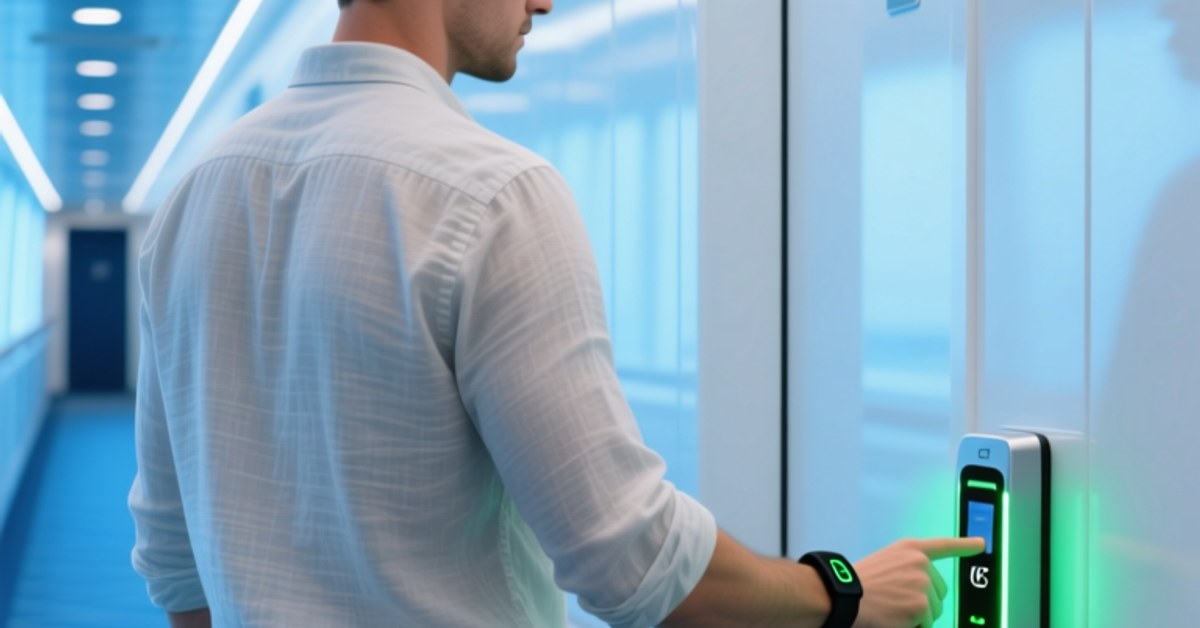
| Pelaajan henkilökortti | NFC-käyntikortti tai ranneke | Saumaton sisäänkirjautuminen, ryhmittymän linjaus, henkilökohtaiset tilastot |
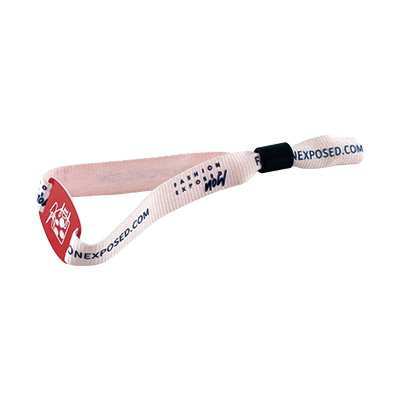
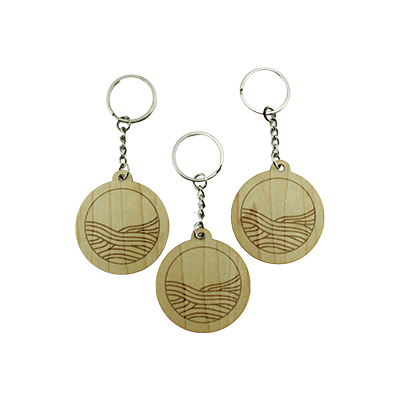
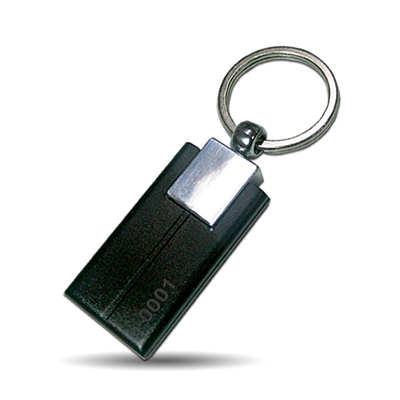
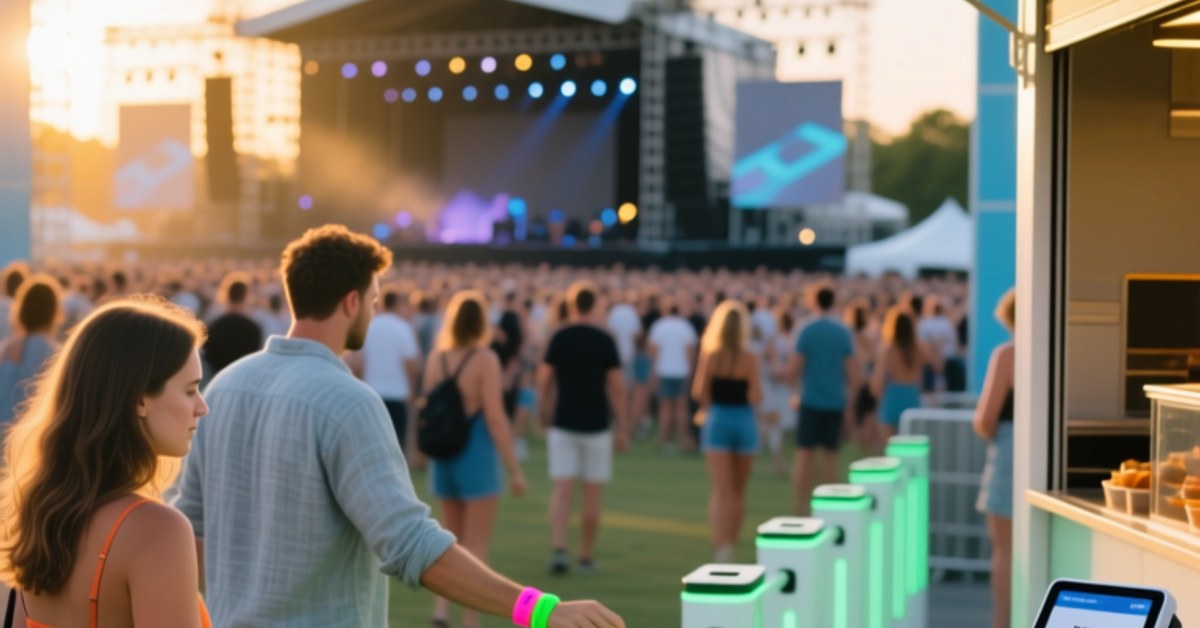
Paikkoja, kuten lautapelikahviloita, voidaan ottaa käyttöön NFC -ranneke tai NFC-näppäimistö (kautta saatavilla RFIDHY-rannekkeen ratkaisut) jotka toimivat pelaajaprofiileina. Pöytälukijan napauttaminen yhdistää pelaajan valitsemaansa ryhmään ja seuraa saavutuksia useiden vierailujen aikana. Näitä tietoja voidaan syöttää kanta-asiakasohjelmiin ja henkilökohtaisiin suosituksiin.
NFC Arcade -integraatio: Elvyttävä klassinen viihde
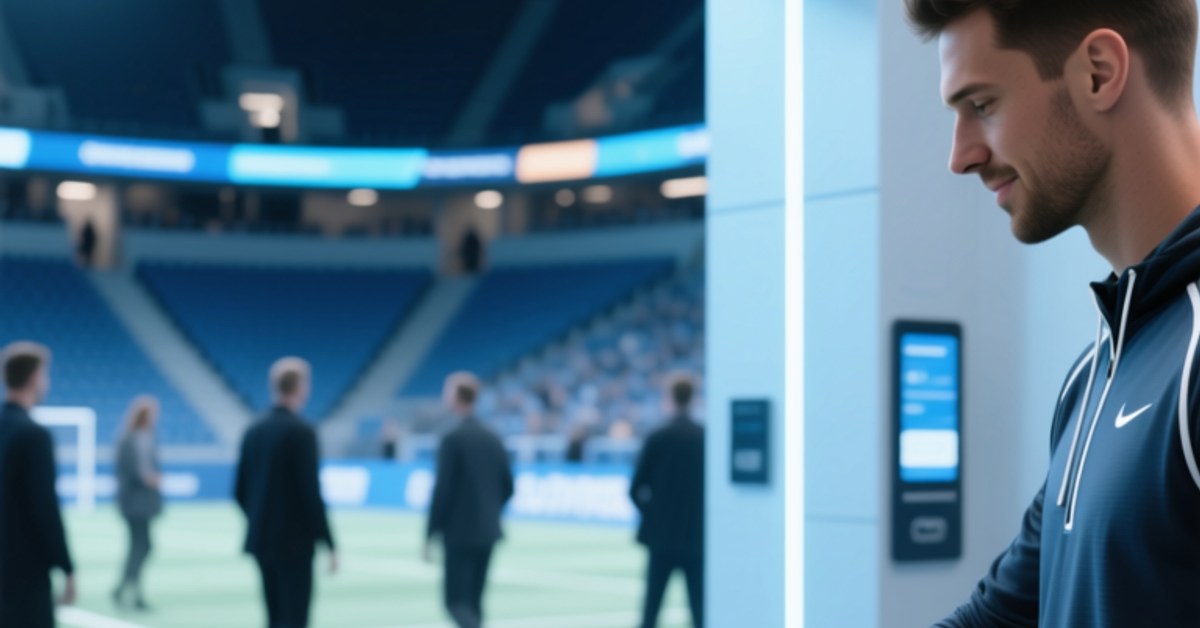
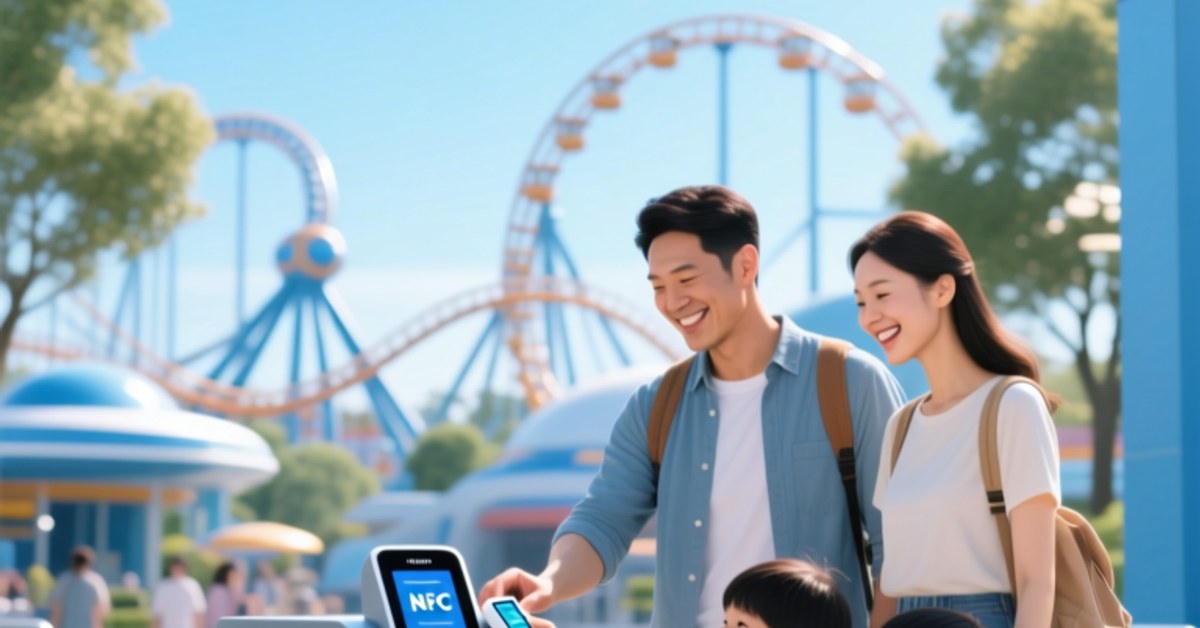
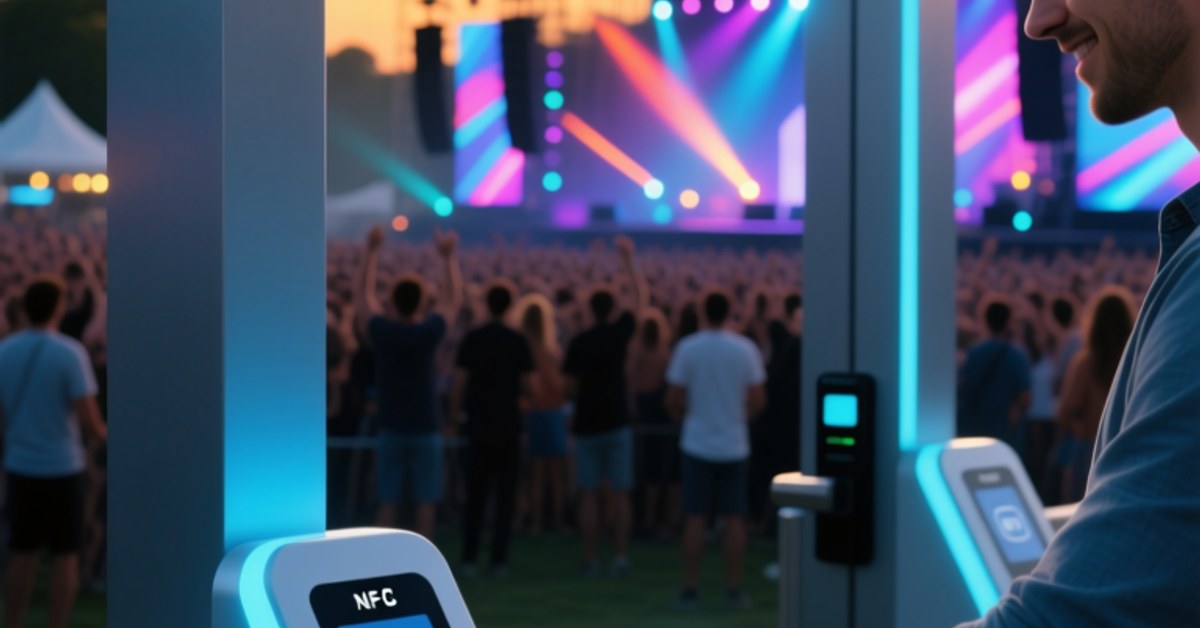
Pelihallit ovat digitalisoitumassa. Moderni NFC arcade kokemukset korvaavat fyysiset liput ja kolikot napauta ja pelaa -järjestelmällä. Pelaajat käyttävät NFC -ranneke, kortti, tai jopa an NFC rengas kirjautua sisään millä tahansa koneella. Bändillä on krediittejä, korkeat pisteet, ja peliasetukset, koko lattiasta tulee kitkaton leikkipaikka.
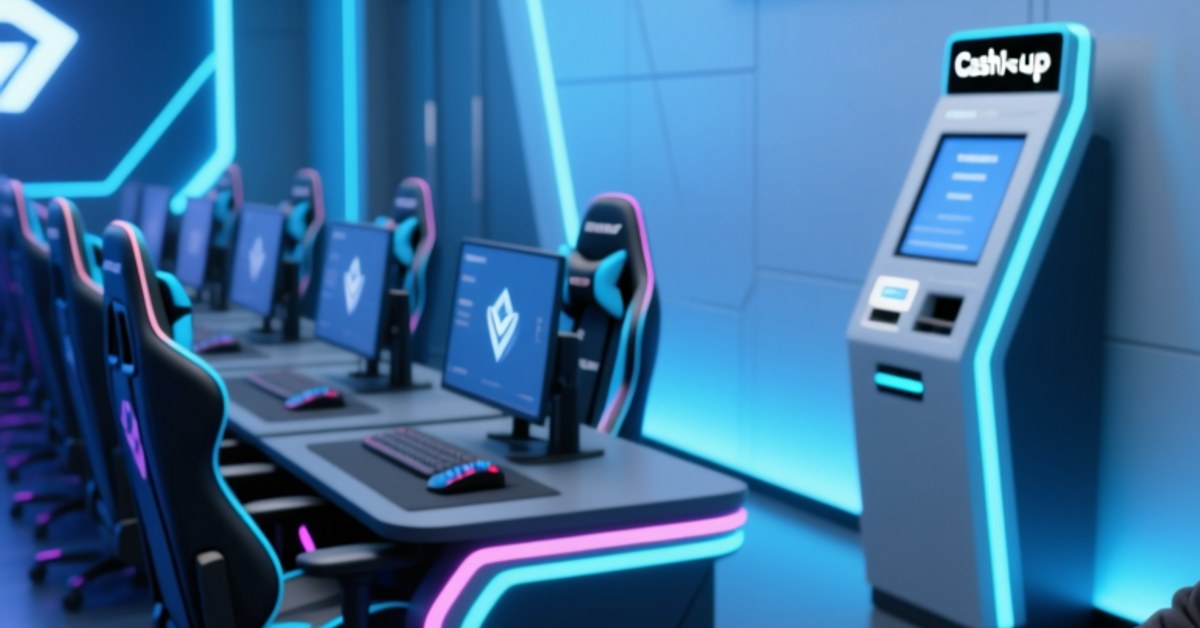
Paikkapohjaiset viihdekeskukset voidaan asentaa UHF RFID -lukijat pitkän kantaman seurantaan tai vakiokäyttöön NFC-lukijat upotettu kaappeihin. Kun pelaaja napauttaa konetta, järjestelmä voi tervehtiä heitä nimellä, lataa haluamasi vaikeus, ja vähennä krediittejä automaattisesti. Moninpelihaasteista tulee orgaanisia: napauta kahta nauhaa samassa kaapissa käynnistääksesi head-to-head-tilan.
Kulissien takana, nämä tiedot tarjoavat arvokkaita oivalluksia. Käyttäjät voivat nähdä, mitkä koneet ovat suosituimpia, kuinka kauan pelaajat viipyvät, ja mitkä pelit lisäävät toistuvia käyntejä. Integrointi tapahtumapaikan taustajärjestelmään mahdollistaa myös käteisvapaan maksun ja reaaliaikaiset tarjoukset, kuten artikkelissamme on tutkittu NFC interaktiiviset markkinointikampanjat.
Pelaajien sitoutumisen syventäminen: Konkreettisten vuorovaikutusten psykologia
Fyysisen kohteen napauttaminen laukaisee ainutlaatuisen psykologisen reaktion. Se luo rituaalin hetken, joka vahvistaa yhteyttä pelaajan ja pelimaailman välillä. Kun toimintahahmo avaa ainutlaatuisen pelin sisäisen skinin tai a NFC-keräilykohde kortti rekisteröi harvinaisen kohteen, fyysisestä esineestä tulee oma palkinto – jotain, jota pelaajat haluavat näyttää ja jakaa.
Tämä konkreettisuus edistää sosiaalista sitoutumista. Kaupankäynti NFC-yhteensopiva älykkäitä leluja tai pelikorteista tulee rikkaampi kokemus, koska digitaalinen arvo siirtyy fyysisen esineen mukana. Yhteisöt muodostuvat harvinaisten hahmojen seuraamisen ja fyysiseen omistukseen sidotuissa tulostaulukoissa kilpailemisen ympärille. Kehittäjille, tämä avaa uskollisuussilmukat: rajoitetun määrän NFC-hahmot voivat juhlia pelin sisäisiä tapahtumia, kuromalla umpeen fyysisten tuotteiden ja live-operaatioiden välistä kuilua.
Lisäksi, NFC poistaa todennusesteet. Napautuspohjainen kirjautuminen on paljon vähemmän häiritsevää kuin kirjautumistietojen kirjoittaminen konsolilla tai mobiililaitteella. Pelaaja pysyy uppoutuneena, ja järjestelmä saa luotettavan tunnistuksen. Tämä kitkaton virtaus on erityisen arvokasta yhteisissä ympäristöissä, kuten pelihalleissa, perheviihdekeskukset, ja kongressikopit.
Tekniset rakennuspalikat ja järjestelmäarkkitehtuuri
NFC-peliekosysteemin toteuttaminen vaatii kolme ydinkerrosta:
- Fyysinen kerros: Itse NFC-tunnisteet. Riippuen käyttötilanteesta, projektit voivat valita NFC upotteet upottamista varten, NFC-tarrat jälkiasennusta varten, tai NFC-kortit ja NFC -ranneke pelaajan identiteettiä varten. Muisti, NDEF-muotoilu, ja turvaominaisuudet (kuten AES-todennus) tulee vastata hakemuksen vaatimuksia.
- Lukijakerros: Upotetut tai työpöytälukijat, jotka tunnistavat tunnisteen napautukset. Lautapelikokoonpanossa, levyn pinnan alla oleva usean lukulaitteen ryhmä sieppaa useita tunnisteita samanaikaisesti. Pelihallikoneille, yksi vahva lukijamoduuli, joka on integroitu ohjauspaneeliin, riittää.
- Integrointikerros: Väliohjelmistot ja sovellusliittymät, jotka tulkitsevat tunnisteen lukuja, yhdistä pelimoottoreihin (Yhtenäisyys, Epätodellinen) tai pilvipalveluita, ja hallita pelaajatietoja. Tämä kerros käsittelee salausta, tilan synkronointi, ja tapahtumaloki.
Tuotteet kuten RFID-moduulit ja UHF RFID -moduulit alkaen RFIDHY-salkku voidaan käyttää, kun tarvitaan laajennettua lukualuetta, vaikka useimmat suoran kosketuksen pelivuorovaikutukset perustuvat HF NFC -tekniikkaan. Hybridilähestymistapa – HF NFC pelaajien sisäänkirjautumiseen ja vuorovaikutukseen, yhdistettynä UHF RFID:hen varastoseurantaan – antaa tapahtumapaikoille reaaliaikaisen omaisuuden näkyvyyden.
Suunnittelu tulevaisuutta varten: Standardit, Turvallisuus, ja skaalautuvuus
Kun pelaaminen siirtyy syvemmälle metaversumiin ja digitaaliseen omistukseen, NFC:stä tulee luottamusankkuri. Standardit, kuten NXP:n NTAG 424 DNA tarjoaa keskinäisen autentikoinnin ja salatun viestinnän, varmistetaan, ettei keräiltäviä hahmoja voida kloonata ilman lupaa. Tämä on kriittistä alustoille, jotka yhdistävät fyysisiä hahmoja arvokkaisiin digitaalisiin resursseihin tai lohkoketjutokeneihin.
Myös skaalautuvuus on tärkeää. Paikka saattaa ottaa käyttöön tuhansia NFC-rannekkeita usean päivän tapahtumassa. Maailmanlaajuisesti ainutlaatuisten tunnuksien ja hyvin jäsenneltyjen tietokantaskeemojen käyttö varmistaa, ettei törmäyksiä ole ja mahdollistaa maantieteelliseen sijaintiin perustuvan analytiikan. Meidän tapaustutkimus NFC-käyttöisestä kävijäkokemuksesta megatapahtumassa tarjoaa käsitteellisen viittauksen suuriin käyttöönotuksiin, joilla on samanlaiset vaatimukset.
Katse eteenpäin, Joustavien NFC-tunnisteiden ja painetun elektroniikan kehitys mahdollistaa vielä matalamman upottamisen kortteihin, rahakkeita, ja kankaita. Tämä avaa mahdollisuuksia puetettaville laastareille, NFC-yhteensopiva LARP (live-action-roolipeli) rekvisiitta, ja täysin interaktiivisia leikkipaikkoja.
Mitä NFC-pelaaminen on ja miten se eroaa perinteisistä videopeleistä?
NFC-peleissä on fyysisiä objekteja, jotka on upotettu Near Field Communication -tunnisteilla, jotka ovat vuorovaikutuksessa digitaalisen pelin kanssa lukijaa napauttamalla. Toisin kuin perinteiset syöttötavat, tämä lisää konkreettista, kokoelmasuuntautunut kerros, lukujen salliminen, kortit, tai tunnuksia ainutlaatuisten henkilöllisyyksien ja pelitietojen tallentamiseen ilman akkukäyttöistä elektroniikkaa.
Millaiset NFC-tunnisteet sopivat parhaiten interaktiivisille leluille ja keräilyhahmoille?
Useimmille keräilyhahmoille ja älykkäille leluille, korkeataajuinen NFC -tunnisteet ISO-yhteensopiva 14443 Tyyppi A (kuten NTAG 213, 215, tai 216) tarjoavat riittävästi muistia ja nopeat lukunopeudet. Erittäin turvallisille sovelluksille, jotka linkittävät digitaaliseen omaisuuteen, tunnisteet AES-salauksella, kuten NTAG 424 DNA:ta suositellaan. Muototekijät vaihtelevat ohuista NFC upotteet ruiskuvalua varten NFC-tarrat yksinkertaisempiin sovelluksiin.
Voimmeko integroida NFC:n olemassa oleviin pelihallikoneisiin korvaamatta niitä kokonaan?
Kyllä. Itsenäinen NFC-lukijamoduulit voidaan asentaa jälkikäteen useimpien pelihallikaappien ohjauspaneeliin. Nämä moduulit kommunikoivat USB- tai sarjaliitäntöjen kautta pelitietokoneen tai logiikkakortin kanssa. Pariksi an NFC -ranneke tai korttijärjestelmä, Kone tunnistaa pelaajat välittömästi, hallita luottoja, ja ladata profiileja muuttamatta pelin ydinohjelmistoa monissa tapauksissa.
Kuinka NFC-älykkäät lautapelit käsittelevät useita merkittyjä nappuloita samalla laudalla?
Edistyneet levymallit käyttävät erilaisia HD NFC -lukijat tai multipleksoidut antennit toistopinnan alla tunnistamaan kunkin kappaleen identiteetti ja likimääräinen sijainti. Vaihtoehtoisesti, pelaajat voivat napauttaa nappuloita määrätyllä lukijaalueella käynnistääkseen toimia. Lautan laiteohjelmisto ja kumppanisovellus hallitsevat sitten pelin tilaa vastaavasti.
Valmis rakentamaan seuraavan interaktiivisen pelikokemuksesi?
Olitpa sitten tekemässä älykkään lautapelin prototyyppiä, NFC-yhteensopivan keräilijän version suunnittelussa, tai käteisvapaiden rannekkeiden yhdistäminen pelihalliketjuun, NFCWORK-tekniikka tarjoaa luotettavan NFC -tunnisteet, lukijat, ja NFC -ranneke tarvitset. Tutustu meidän Älykkäät viihderatkaisut nähdäksesi, kuinka autamme kehittäjiä ja pelipaikkoja muuttamaan fyysiset kohteet toisiinsa yhdistetyiksi pelimaailmoiksi. Ota yhteyttä tiimiimme tänään keskustellaksesi projektisi vaatimuksista ja pyytääksesi näytesarjaa.