pengenalan: Mandat Baru untuk Kebolehkesanan Farmaseutikal
Industri farmaseutikal sedang mengalami perubahan asas. Rangka kerja kawal selia seperti A.S. Akta Keselamatan Rantaian Bekalan Dadah (DSCSA) dan Arahan Ubat Palsu EU (FMD) kini memerlukan kebolehkesanan hujung ke hujung, bersiri, dan pengesahan ubat preskripsi. Walaupun kod bar tradisional dan matriks data 2D telah membentuk tulang belakang pematuhan, Kebolehkesanan farmaseutikal NFC muncul sebagai pelengkap yang berkuasa—menawarkan pengesahan masa nyata, penglibatan pesakit, dan keterlihatan rantai sejuk dipertingkatkan.
Pada Teknologi NFCWORK, kami melihat NFC bukan sebagai pengganti piawaian bersiri sedia ada, tetapi sebagai lapisan praktikal yang menambah keselamatan, kesederhanaan, dan interaksi pengguna secara langsung kepada rantaian bekalan farmaseutikal.
Memahami Keperluan DSCSA dan EU FMD
DSCSA: Kebolehkesanan Tahap Unit Penuh oleh 2023
DSCSA mewajibkan elektronik sepenuhnya, sistem saling kendali untuk mengesan ubat preskripsi pada peringkat pakej di seluruh A.S. rantaian bekalan. Keperluan utama termasuk:
- Pengecam produk (termasuk NDC, nombor siri, nombor lot, tarikh tamat tempoh) pada setiap bungkusan.
- Maklumat transaksi dan penyata ditukar dengan setiap perubahan pemilikan.
- Sistem pengesahan untuk mengesan dan bertindak balas terhadap produk yang disyaki atau tidak sah.
- Rakan kongsi perdagangan yang dibenarkan sahaja.
EU FMD: Ciri Keselamatan dan Penyahtauliahan
EU FMD memerlukan dua ciri keselamatan pada kebanyakan ubat preskripsi:
- Pengecam unik (UI) dikodkan dalam matriks data 2D.
- Peranti anti-gangguan (ATD).
Farmasi dan hospital mesti mengesahkan dan menyahtauliah UI pada titik pendispensan melalui sistem repositori nasional.
Kedua-dua peraturan itu bertujuan untuk mencegah ubat-ubatan yang dipalsukan, lencongan, dan ralat—tetapi penguatkuasaan amat bergantung pada pengimbasan dan integriti data. NFC boleh mengukuhkan sistem ini dengan mendayakan lebih mudah, pengesahan mesra pengguna dan cerapan rantaian bekalan yang lebih mendalam.
Pensirian Didayakan NFC: Bagaimana ia berfungsi
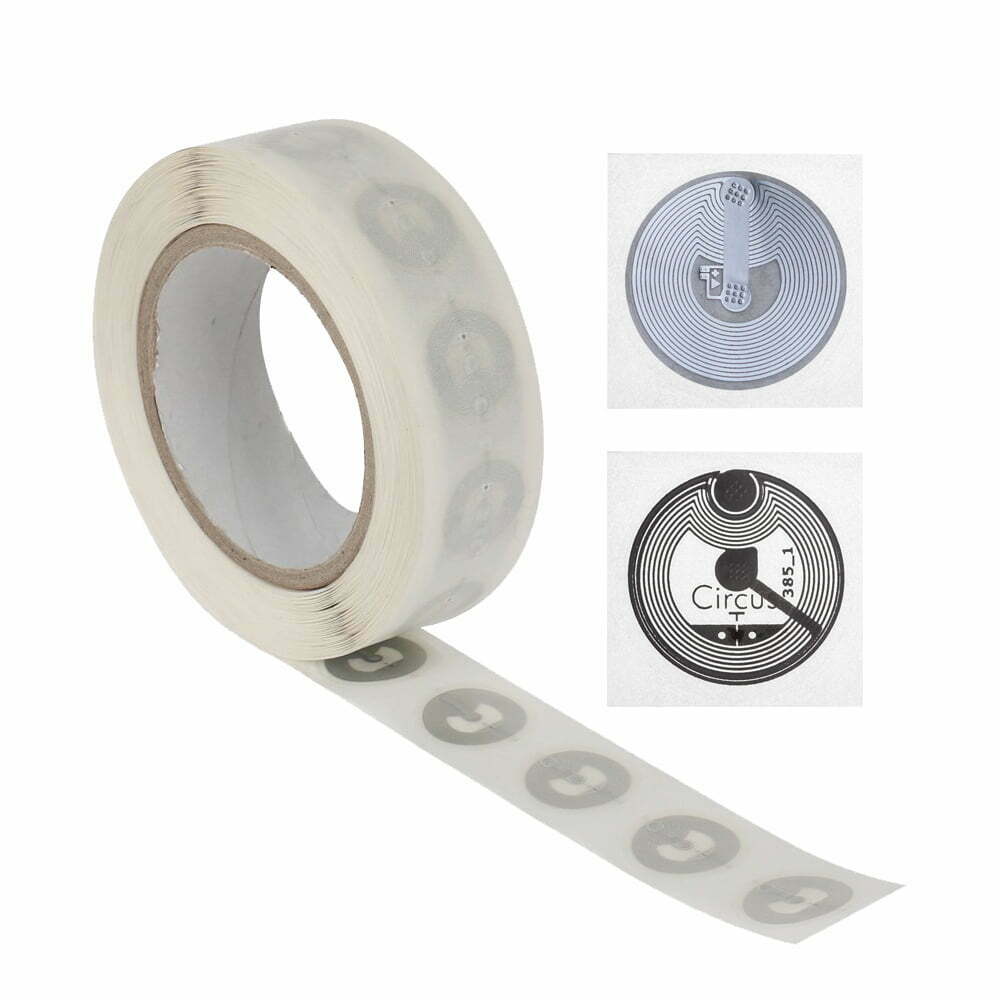
Tag NFC tertanam dalam pembungkusan farmaseutikal boleh menyimpan pengecam unik yang memaut kepada rekod digital yang selamat. menggunakan Tag NFC atau Pelekat NFC, setiap unit—sehingga kadbod atau botol individu—menjadi pintar, objek bersambung.
Pendekatan Pensirian dengan NFC
Pendekatan bersiri NFC biasa disepadukan dengan sistem perusahaan sedia ada:
- Pengekodan teg: Di barisan pembungkusan, Tatahan NFC ditauliahkan dengan nombor siri yang unik, data kelompok, dan identiti berasaskan awan.
- Perkaitan data: The Cip NFCUID dan data yang dikodkan dipautkan kepada ERP pengilang atau repositori bersiri.
- Pengesahan masa nyata: Ketik mudah dengan Telefon pintar berdaya NFC mendapatkan semula sejarah lengkap produk—ketulenan, status rantai sejuk, dan asal usul.
Kerana NFC menggunakan komunikasi wayarles jarak dekat, ia menawarkan kelebihan keselamatan yang wujud: paip yang disengajakan diperlukan, mengurangkan imbasan tidak sengaja dan membolehkan pendedahan maklumat terpilih.
Kawalan Anti-Lencongan dan Integriti Rantaian Bekalan
Pengalihan farmaseutikal—pengalihan semula ubat-ubatan daripada rantaian bekalan yang sah—membiayai berbilion-bilion industri dan membahayakan pesakit. NFC menambah lapisan perlindungan anti-lencongan yang kuat.
Geo-Kesedaran dan Pengesanan Tamper
Apabila pakej farmaseutikal yang membawa tag NFC diimbas semasa transit, rakan kongsi logistik boleh merekod lokasi, masa, dan perubahan jagaan. Digabungkan dengan peraturan berasaskan awan, pergerakan yang tidak dibenarkan atau imbasan yang hilang mencetuskan amaran. Di samping itu, Teg NFC boleh direka bentuk dengan ciri-ciri yang jelas: memecahkan meterai atau mengeluarkan label mengubah kapasitansi tag, memberi isyarat kemungkinan gangguan.
Pengagregatan dan Hubungan Ibu Bapa-Anak
NFC membantu mengekalkan hierarki pengagregatan—kes, palet, dan penghantaran. Dengan bergaul Tag RFID (Uhf) pada peringkat kes dengan unit individu berteg NFC, pengurus rantaian bekalan memperoleh pengimbasan pukal dan kebolehkesanan berbutir. Pendekatan hibrid ini amat berharga di gudang farmaseutikal dan pusat pengedaran.
Untuk organisasi memodenkan logistik mereka, pembaca RFID pegang tangan dan Pembaca RFID Tetap boleh melengkapkan penggunaan NFC, memastikan pengesahan pantas tanpa membuka kotak.
Pengesahan dan Penglibatan Pesakit: Ketik untuk Keselamatan
Salah satu aspek yang paling transformatif bagi kebolehkesanan farmaseutikal NFC ialah penglibatan pesakit secara langsung. Dengan ketukan mudah, pesakit boleh:
- Sahkan ketulenan ubat sebelum digunakan.
- Semak tarikh tamat tempoh dan nombor lot dalam masa nyata.
- Akses risalah digital, arahan dos, atau panduan video.
- Sahkan bahawa produk belum ditarik balik atau dialihkan.
Saluran pengesahan milik jenama ini membina kepercayaan dan menyokong pematuhan ubat-semuanya sambil menjana data pihak sifar untuk pengilang, mematuhi sepenuhnya peraturan privasi.
Pertimbangan Rantaian Sejuk: Penderiaan Suhu NFC
Banyak biologi, vaksin-vaksin, dan ubat khusus memerlukan kawalan suhu yang ketat. Teg NFC aktif dengan penderia suhu terbina dalam boleh merekodkan lawatan sepanjang rantaian bekalan. Apabila ahli farmasi atau pesakit mengetuk bungkusan itu, peranti NFC mendedahkan jika produk telah terdedah kepada suhu yang merosakkan.
Keterlihatan rantai sejuk ini penting untuk pematuhan Amalan Pengedaran Baik (KDNK) dan untuk mengurangkan sisa. Syarikat farmasi boleh menyepadukan log suhu NFC ke dalam data siri sedia ada mereka, mencipta yang lengkap Pasport Produk Digital untuk setiap item.
Mengintegrasikan NFC dengan Sistem Farmasi Sedia Ada
Kebimbangan umum ialah kebolehoperasian. NFC tidak mengganggu kod bar yang mematuhi GS1 sedia ada; ia berfungsi bersama mereka. Data boleh distrukturkan untuk diselaraskan dengan Perkhidmatan Maklumat Kod Produk Elektronik GS1 (EPCIS) piawaian, memastikan integrasi yang lancar dengan platform jejak dan jejak.
Pengilang boleh bermula dari kecil—mungkin dengan menambahkan tag NFC kepada berisiko tinggi, SKU bernilai tinggi—dan skala berdasarkan pulangan pelaburan. Penyelesaian pengekodan NFC dan perkhidmatan awan direka bentuk untuk memasangkan MES sedia ada dan perkakasan bersiri dengan gangguan yang minimum.
Pematuhan Farmaseutikal Global: Pelan tindakan praktikal
>
| Wilayah | peraturan | Keperluan Utama | Sumbangan NFC |
|---|---|---|---|
| Amerika Syarikat | DSCSA | Siri peringkat unit; pengesanan saling beroperasi | Teg peringkat unit dengan ID unik; pengesahan pesakit |
| EU | FMD | Pengecam unik + ATD; penyahtauliahan semasa mendispens | Label NFC yang jelas diusik; pengesahan penyahtauliahan masa nyata |
| China | Peraturan Pengekodan Kebolehkesanan Dadah | Kod bersiri; pelaporan pusat | NFC dikodkan dengan kod ubat kebangsaan; pengesahan awan |
Tanpa mengira bidang kuasa, NFC menyediakan yang fleksibel, lapisan berpusatkan pesakit yang meningkatkan format bersiri tradisional.
Mengapa NFC berbanding Teknologi Lain?
- Sedia pengguna: Hampir semuanya moden telefon pintar mempunyai NFC; tiada pengimbas khusus diperlukan.
- Keselamatan: Komunikasi jarak pendek meminimumkan risiko skimming; data boleh disulitkan dan dijana secara dinamik.
- Serbaguna: Tag yang sama menyokong penyirian, anti pemalsuan, pemasaran, dan pendidikan pesakit.
- Ketahanan: Tag RFID anti-logam dan tag NFC menahan keadaan yang teruk, termasuk persekitaran rantai sejuk.
Bagi syarikat farmaseutikal yang mencari strategi siri sedia masa hadapan, NFC menambah dimensi digital yang tidak dapat dipadankan oleh label kertas dan kod bar pasif.
Melaksanakan Kebolehkesanan Farmaseutikal NFC dengan RFIDHY
RFIDHY menyediakan suite komprehensif komponen NFC dan RFID untuk siri farmaseutikal: dari Tag dan pelekat NFC ke Pembaca RFID UHF dan boleh pakai untuk tetapan klinikal. Penyelesaian kami direka bentuk untuk disepadukan ke dalam rangka kerja jejak dan jejak global sambil menyampaikan peningkatan keselamatan pesakit yang ketara.
Sama ada anda menilai peningkatan pematuhan DSCSA, meneroka pengesahan pesakit secara langsung, atau melindungi biologi melalui pemantauan rantai sejuk yang didayakan NFC, Teknologi NFCWORK menyediakan perkakasan, perisian, dan kepakaran untuk mengoperasikan visi anda.
Soalan Lazim
Apakah itu kebolehkesanan farmaseutikal NFC?
Kebolehkesanan farmaseutikal NFC menggunakan tag Komunikasi Medan Dekat pada pembungkusan ubat untuk menyimpan atau memaut kepada identiti digital yang unik. Ini membolehkan pengesahan masa nyata, pematuhan bersiri (DSCSA/FMD), dan pengesahan pesakit langsung melalui telefon pintar.
Adakah NFC menggantikan kod bar 2D untuk DSCSA atau EU FMD?
Tidak. NFC berfungsi sebagai lapisan pelengkap. Peraturan semasa memerlukan pembawa data khusus (seperti matriks data GS1), dan tag NFC boleh wujud bersama, menawarkan keselamatan tambahan dan interaksi pengguna tanpa melanggar keperluan pematuhan.
Bagaimanakah NFC boleh membantu mencegah lencongan farmaseutikal?
Teg NFC boleh dibaca semasa pemindahan jagaan, lokasi pembalakan dan cap masa. Digabungkan dengan peraturan berasaskan awan, pergerakan yang tidak dibenarkan ditandakan. Ciri pengesanan gangguan seterusnya menghalang pertukaran label atau pemalsuan produk.
Bolehkah NFC berfungsi dalam persekitaran rantai sejuk?
Ya. Tag NFC khusus dan Tag RFID direka untuk menahan suhu yang melampau. Teg NFC aktif dengan penderia suhu boleh mencatatkan lawatan rantaian sejuk, menyediakan pematuhan yang boleh disahkan untuk biologi dan vaksin.
Adakah pesakit memerlukan aplikasi khas untuk mengimbas tag NFC farmaseutikal?
Secara amnya, tidak. Kebanyakan telefon pintar berdaya NFC moden boleh membaca tag NFC secara asli. Jenama juga boleh mengarahkan pengguna ke apl web ringan atau apl web progresif (PWA) untuk pengalaman yang dipertingkatkan, mengelakkan keperluan untuk memuat turun perisian.
Kuatkan Rantaian Bekalan Farmaseutikal Anda dengan Kebolehkesanan NFC
Pada Teknologi NFCWORK, kami menyediakan penyelesaian NFC dan RFID hujung ke hujung yang membantu syarikat farmaseutikal mencapai pematuhan siri global, melindungi pesakit, dan membina kepercayaan jenama. Terokai rangkaian kami Tag NFC, Pembaca RFID, dan platform yang boleh disesuaikan yang direka untuk rantaian bekalan sains hayat.
Hubungi pakar kami untuk membincangkan projek kebolehkesanan anda →