Revolusi Jualan Semula dan Krisis Pemalsuannya
Pasaran jualan semula kasut bukan lagi subkultur khusus—ia telah matang menjadi ekonomi global berbilion dolar. Platform seperti StockX, KAMBING, dan Grailed telah menormalkan idea kasut sebagai aset boleh niaga, dengan penurunan edisi terhad terjual dalam beberapa saat dan muncul semula di pasaran sekunder pada harga runcit 2–10x. Mengikut analisis industri, pasaran jualan semula kasut boleh mencapai $30 bilion oleh 2030. Tetapi dengan pertumbuhan itu datang lonjakan yang sama membimbangkan dalam tiruan. Kilang replika yang canggih kini menghasilkan palsu yang hampir sempurna yang memperdayakan pengesah yang berpengalaman, menjejaskan kepercayaan pengguna dan menghakis nilai jenama. Untuk jenama sukan dan label pakaian jalanan, ini bukan hanya masalah kebocoran hasil—ia merupakan ancaman langsung kepada modal budaya yang diperoleh dengan susah payah yang menjadikan produk gembar-gembur diingini.
Mengapa Pengesahan Visual Tidak Lagi Cukup
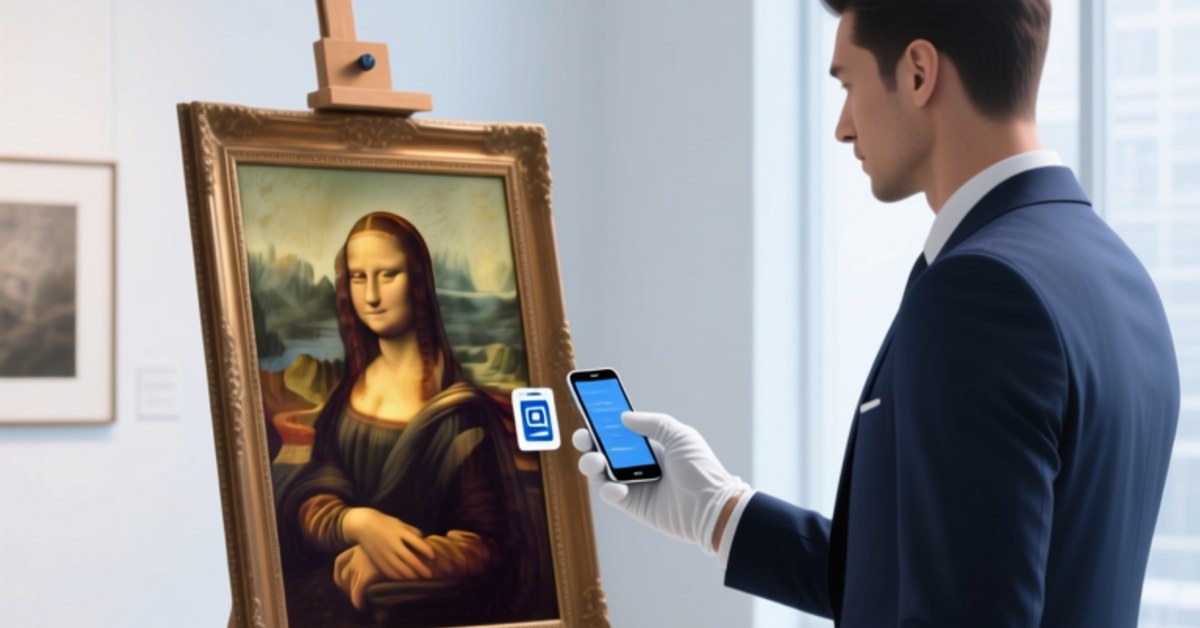
Pengesahan tradisional sangat bergantung pada kepakaran manusia: memeriksa jahitan, bahan, label kotak, dan bau. Walau bagaimanapun, replika telah berkembang. Tiruan berkualiti tinggi kini meniru hologram, Nombor SKU, dan juga benang RFID yang ditenun menjadi label. Pemeriksaan visual selalunya gagal membezakan yang tulen daripada palsu, terutamanya apabila pembeli membeli-belah dalam talian melalui platform jualan semula. Ketidakpastian ini membawa kepada kebimbangan pengguna, caj balik, dan kesan menyejukkan pada kecairan pasaran jualan semula. Jenama memerlukan kalis gangguan, boleh skala, dan kaedah mesra pengguna untuk mengesahkan ketulenan. Pengesahan produk NFC sedang muncul sebagai penyelesaian itu.
Kelebihan NFC: Satu Ketik, Kepastian Mutlak
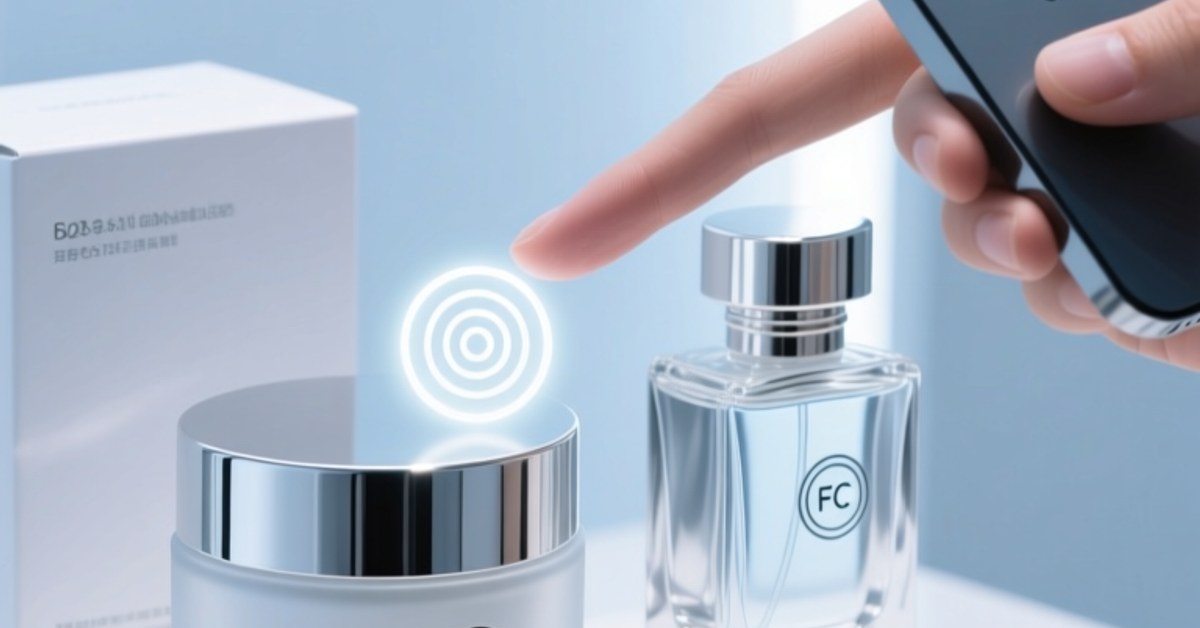
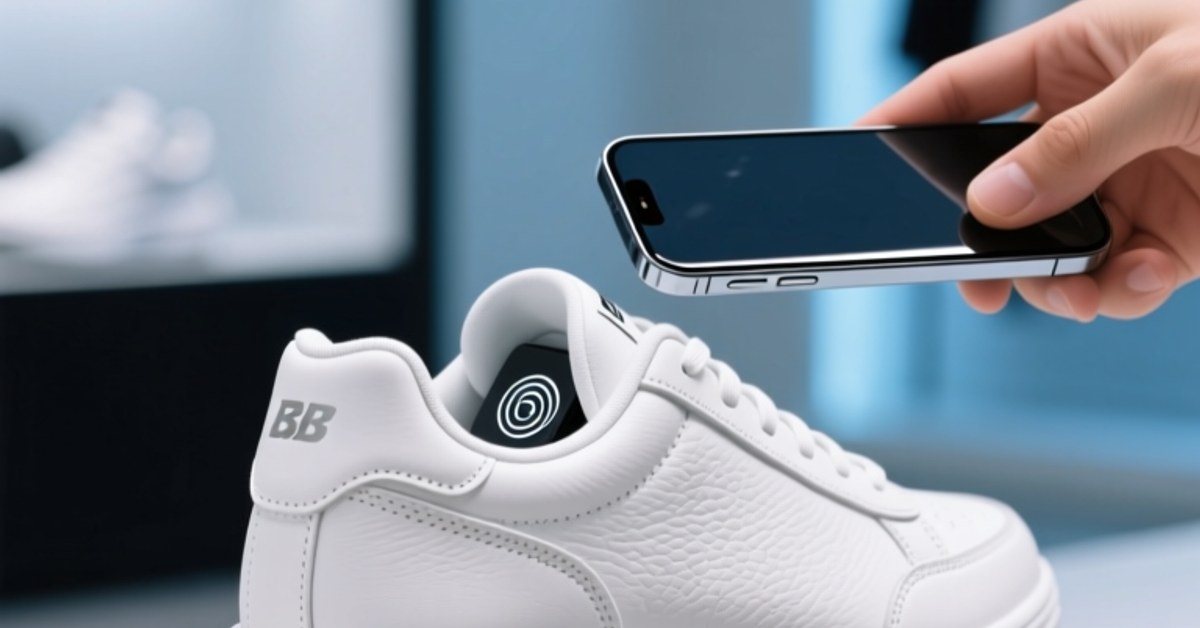
Komunikasi Lapangan Berdekatan (NFC) tag adalah kecil, cip pasif yang boleh dibenamkan ke dalam produk dan dibaca oleh mana-mana telefon pintar moden dengan ketukan mudah. Tidak seperti kod QR, yang boleh ditiru dengan mudah, an Tag NFC boleh membawa tandatangan kriptografi unik yang membuktikan asal usul produk. Untuk kasut, ini bermakna membenamkan an Tag insole NFC atau melampirkan an Hangtag berdaya NFC yang memaut ke pasport digital yang selamat. Teg tidak boleh diklon tanpa akses kepada infrastruktur kunci peribadi jenama, dan setiap paip boleh dilog pada lejar seperti blockchain, mewujudkan rantaian jagaan yang tidak berubah. Untuk pengesahan jualan semula, ini adalah transformatif: pembeli boleh mengetik kasut sukan terpakai dengan telefon mereka dan serta-merta mengesahkan sama ada ia tulen, apabila ia dihasilkan, dan juga sejarah pemilikannya sebelum ini jika jenama memilih untuk berkongsi data tersebut.
Mereka bentuk Teg NFC untuk Sneakers: Insole, Hang tag, atau Kotak?
Apabila menyepadukan NFC ke dalam kasut, jenama mesti mempertimbangkan perjalanan pengguna. Tiga faktor bentuk fizikal biasa telah muncul:
- Tag insole NFC: Lazimnya tatahan NFC yang fleksibel dilaminasi di antara lapisan tapak dalam. Ia tidak kelihatan semasa dipakai, sangat tahan lama, dan tidak boleh dikeluarkan tanpa memusnahkan integriti struktur kasut—ciri anti-gangguan yang kuat. Sesuai untuk keluaran haba tinggi di mana tag kekal bersama produk selama-lamanya.
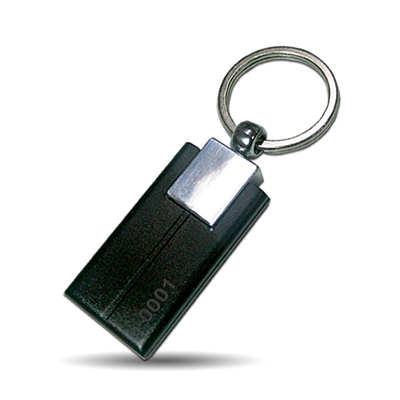
- Hangtag NFC: Selalunya kad berjenama dilampirkan dengan gelung keselamatan. Mereka mudah dilihat, mudah untuk diimbas pada tempat jualan semula, dan boleh berfungsi sebagai pembawa pemasaran. Walau bagaimanapun, mereka lebih mudah untuk ditanggalkan dan digunakan semula pada produk tiruan jika tidak digandingkan dengan proses pengesahan digital yang selamat.
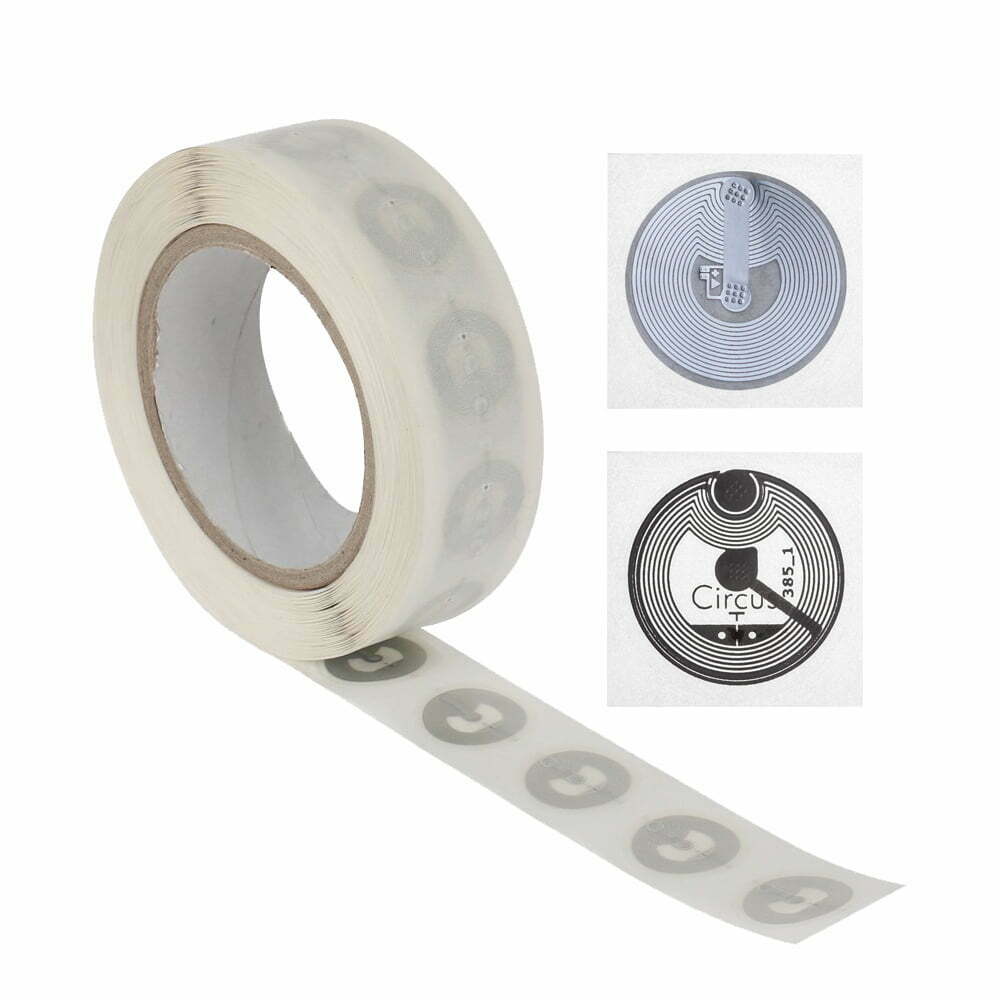
- Label kotak pintar: An Pelekat NFC disapukan pada kotak kasut. Ini mengekalkan keadaan asal kasut dan mudah dilaksanakan dalam barisan pembungkusan, tetapi kotak boleh ditukar. Untuk edisi terhad bernilai tinggi, gabungan tag kotak dan tag insole menyediakan keselamatan berlapis.
Setiap faktor bentuk boleh diperoleh daripada pembekal produk NFC khusus seperti yang terdapat di rfidhy.com, persembahan Tag NFC, Pelekat NFC, dan tatahan NFC direka untuk pengesahan jenama. Pilihan cip (Mis., NTAG 424 DNA dengan penyulitan AES) menentukan tahap keselamatan dan kos seunit. Untuk pakaian jalanan yang mewah, kos tambahan bagi teg NFC selamat boleh diabaikan berbanding dengan kerosakan reputasi jualan palsu tunggal.
Penyepaduan Platform Jualan Semula: Membina Ekosistem Disahkan
Untuk pengesahan NFC untuk benar-benar memenangi pertempuran jualan semula, ia mesti disepadukan dengan lancar dengan platform tempat transaksi berlaku. Apabila penjual menyenaraikan kasut di pasaran, platform boleh menggesa mereka untuk mengetik teg NFC untuk menjana token pengesahan baharu. Platform kemudian membandingkan token ini dengan pendaftaran jenama, memastikan kasut adalah tulen dan tidak ditanda sebagai dicuri. Ini mengurangkan pergantungan platform pada pusat pengesahan manual, mempercepatkan kelulusan penyenaraian, malah boleh memberikan lencana "VeriTap" yang meningkatkan keyakinan pembeli dan harga jualan.
Untuk jenama, ini mewujudkan peluang untuk mengambil bahagian dalam pasaran sekunder tanpa mengawalnya secara langsung. Dengan menawarkan an penyelesaian berasaskan NFC, mereka boleh menghendaki setiap imbasan jualan semula dihalakan melalui API mereka, memberi mereka keterlihatan ke dalam perjalanan produk. Mereka juga boleh memberi ganjaran kepada pengguna yang mengesahkan pembelian mereka dengan mata kesetiaan atau akses kepada penurunan eksklusif—mengubah setiap jualan semula menjadi detik penglibatan jenama.
Penglibatan Selepas Jualan: Dari Transaksi kepada Perhubungan
Pengesahan hanyalah permulaan. Sebaik sahaja pengguna mengetik teg kasut NFC, mereka mendapat pengalaman mudah alih yang dikawal oleh jenama. Halaman pendaratan itu boleh menawarkan:
- Bukti pemilikan dan sijil digital ketulenan.
- Arahan penjagaan produk atau panduan gaya.
- Kandungan eksklusif seperti cerita reka bentuk di belakang tabir atau kolaborasi artis.
- Akses kepada portal jualan semula di mana mereka boleh menyenaraikan semula item dengan status yang disahkan secara rasmi.
- Mata kesetiaan yang merapatkan pembelian primer dan sekunder, melekit jenama yang menggalakkan.
Ini mengubah produk statik menjadi aset jenama hidup. Daripada kehilangan hubungan dengan pelanggan selepas jualan awal, jenama kini mempunyai langsung, saluran ikut serta untuk pertunangan setiap kali kasut bertukar tangan. Data itu tidak ternilai untuk memahami jangka hayat dan peredaran produk, yang boleh memaklumkan pengeluaran masa hadapan dan strategi anti-pemalsuan.
Perkakasan dan Infrastruktur untuk Penerapan NFC Boleh Skala
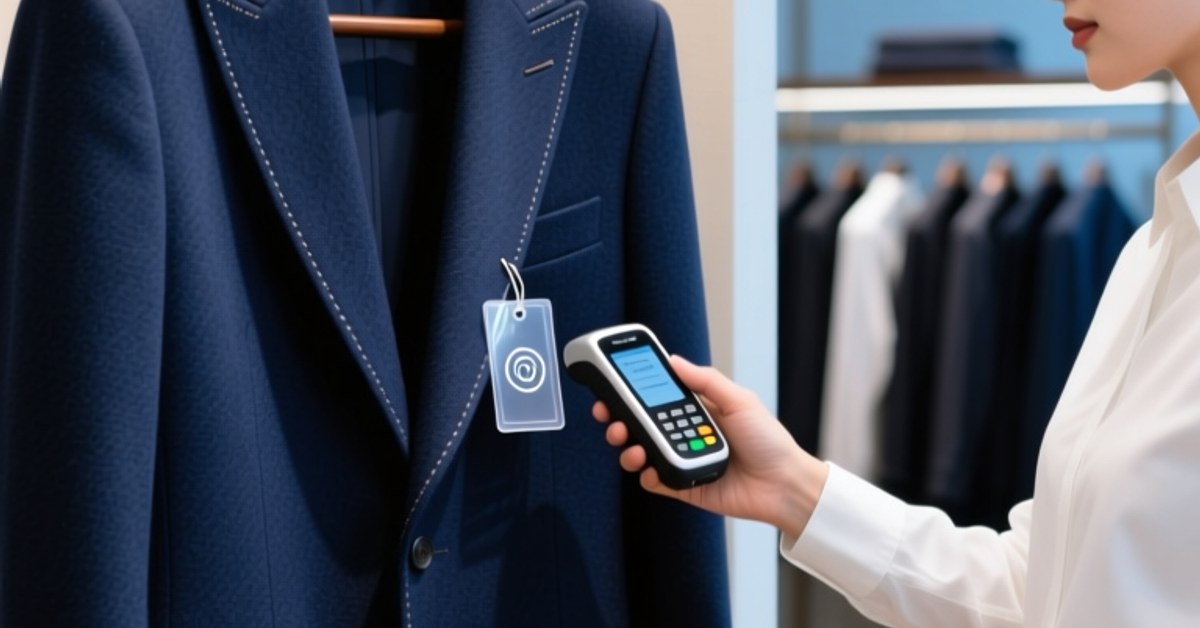
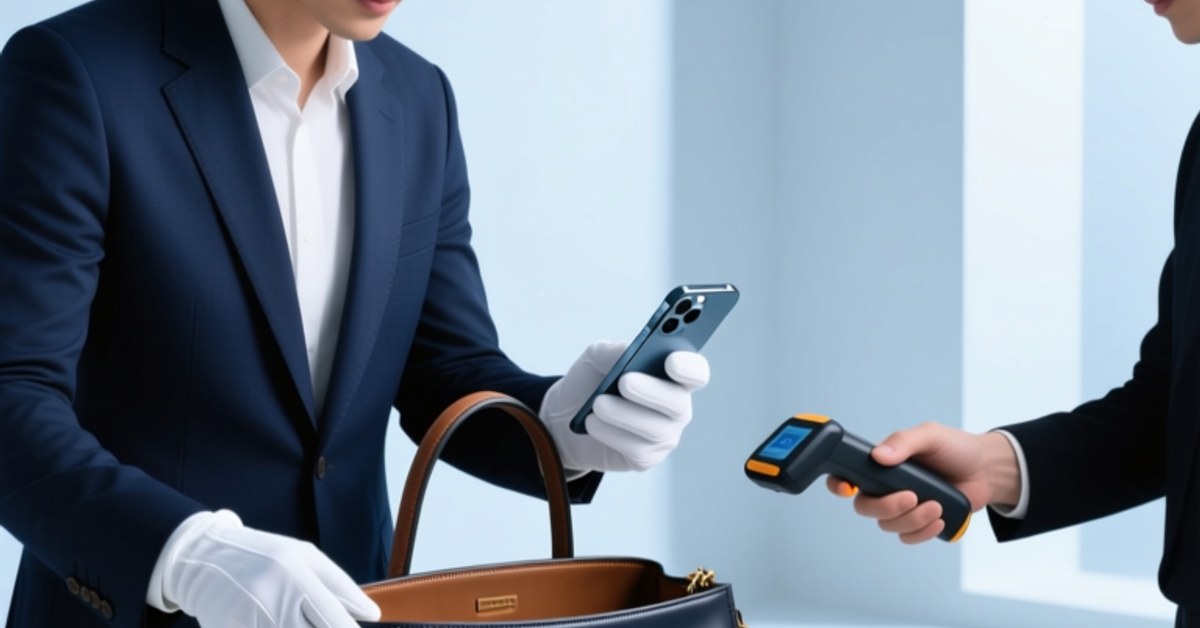
Melaksanakan program pengesahan NFC global memerlukan infrastruktur pengekodan dan bacaan yang boleh dipercayai. Semasa pembuatan, Teg NFC boleh dikodkan pada kelajuan tinggi menggunakan gred industri Pembaca desktop RFID/NFC atau bersepadu modul RFID. Untuk persekitaran runcit dan kedai konsainan, a pembaca RFID UHF pegang tangan atau terminal POS yang didayakan NFC boleh digunakan untuk mengaktifkan teg atau mengesahkan produk di tempat jualan. Jenama yang bekerja dengan logistik medan jauh juga boleh menggandingkan NFC dengan Uhf rfid tags untuk pengesanan gudang, kemudian gunakan NFC untuk pengesahan yang dihadapi pengguna. Gabungan teknologi memastikan aliran lancar dari kilang ke kaki.
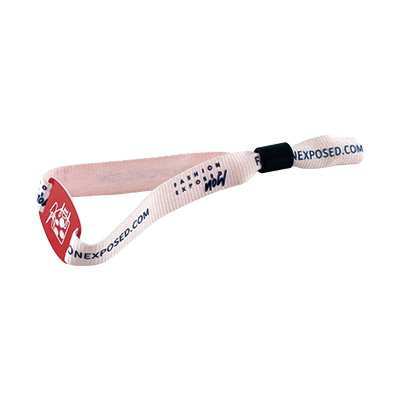
RFIDHY dan NFCWORK menawarkan portfolio luas peralatan pengekodan dan teg, termasuk Pelekat NFC, tatahan NFC yang fleksibel untuk alas kaki, dan selamat Wristbands NFC untuk acara eksklusif—semuanya boleh disesuaikan dengan identiti visual jenama. Penyepaduan dengan barisan pengeluaran sedia ada biasanya tidak mengganggu dan boleh berperingkat dalam barisan produk demi barisan produk.
Menangani Kebimbangan: Kos, Ketahanan, dan Privasi
Orang yang ragu-ragu mungkin mempersoalkan sama ada teg NFC menambah kos yang tidak boleh diterima pada bil bahan kasut. Dalam realiti, tag NFC pertengahan keselamatan berharga pada sen dalam jumlah, dan pulangan pelaburan diukur dalam pengurangan caj balik, kepercayaan jenama yang dipertingkatkan, dan nilai jualan semula yang berpotensi lebih tinggi. Ketahanan adalah satu lagi kebimbangan biasa; tag insolet NFC yang direka bentuk dengan baik tahan beribu-ribu kitaran lentur dan pendedahan kepada kelembapan dan haba. Penting ialah memilih tag yang betul daripada pengeluar khusus yang memahami aplikasi kasut.
Mengenai privasi, jenama mesti mereka bentuk sistem supaya tag NFC tidak menghantar maklumat yang boleh dikenal pasti secara peribadi (PII). Teg itu sendiri membawa pengecam unik; hanya apabila diimbas dengan aplikasi atau platform proprietari, ia mendedahkan maklumat, dan pengguna boleh memilih apa yang hendak dikongsi. Pematuhan GDPR boleh dikekalkan dengan mengekalkan perkhidmatan pengesahan mengikut serta dan menamakan data lokasi.
Landskap Persaingan: Penerima dan Pembeza Awal
Walaupun beberapa rumah fesyen mewah telah bereksperimen dengan NFC dalam beg tangan dan jam tangan, jenama kasut mempunyai peluang unik kerana budaya jualan semula yang menonjol. Beberapa label yang berfikiran ke hadapan telah merintis pasport digital yang dipautkan ke tag NFC. Pembeza utama adalah kemudahan penggunaan (tiada apl khas diperlukan—hanya ketik), keselamatan (kriptografi kunci awam), dan kekayaan pengalaman selepas paip. Jenama yang menggandingkan NFC dengan program kesetiaan atau jualan semula yang menarik bukan sahaja dapat memerangi pemalsuan tetapi juga mengeratkan hubungan komuniti mereka.
Label pakaian jalanan, khususnya, berkembang maju dalam komuniti dan eksklusif. Pengesahan berasaskan NFC boleh diletakkan sebagai kunci keahlian, memberikan pemegang akses kepada titisan rahsia, hak mengundi pada laluan warna masa hadapan, atau kemasukan ke acara jenama—melapiskan utiliti di atas langkah anti-pemalsuan dan menjadikan produk jenama lebih bernilai di pasaran sekunder.
Kesimpulan: Menjaga Masa Depan Hype
Pertempuran penjualan semula kasut tidak akan dimenangi oleh tindakan keras undang-undang sahaja. Ia memerlukan melengkapkan produk dengan semula jadi, bukti keaslian yang tidak boleh disalin. Pengesahan NFC menyediakan keselamatan, boleh skala, dan jawapan mesra pengguna, membolehkan jenama melindungi ekuiti mereka, rakan kongsi seperti platform jualan semula untuk mengurangkan penipuan, dan pengguna untuk membeli dan menjual dengan yakin. Dengan membenamkan tag NFC dalam insoles, hangtag, atau pembungkusan dan menghubungkannya dengan ekosistem awan yang dinamik, industri kasut boleh mengubah setiap kasut menjadi nod yang dipercayai dalam rangkaian ketulenan global. Sekarang adalah masa untuk jenama sukan dan label pakaian jalanan untuk melabur Pasport Produk Digital dan menuntut semula kawalan ke atas naratif pasaran sekunder mereka.
Soalan Lazim
Bagaimanakah pengesahan NFC berbeza daripada kod QR untuk pengesahan kasut?
Teg NFC boleh membenamkan ID unik selamat secara kriptografi yang amat sukar untuk diklon, manakala kod QR boleh disalin dan dicetak semula dengan mudah. NFC juga menyediakan pengalaman satu ketik yang lancar tanpa kesulitan mengimbas dalam cahaya malap, dan boleh disepadukan dengan reka bentuk fizikal yang boleh diganggu gugat.
Bolehkah tag NFC bertahan di dalam kasut semasa pemakaian dan pembersihan biasa?
Ya. Tatahan NFC fleksibel khusus yang direka untuk kasut boleh menahan beribu-ribu kitaran lentur, kelembapan, dan juga pembersihan ringan. Laminasi dan penempatan yang betul dalam insole atau lidah memastikan umur panjang tanpa menjejaskan keselesaan.
Apa yang berlaku jika seseorang cuba mengeluarkan tag insole NFC dan meletakkannya di dalam kasut palsu?
Jenama boleh mereka bentuk teg untuk rosak secara fizikal apabila dialih keluar (mudah diusik), dan rekod digital boleh membenderakan teg yang telah ditanggalkan daripada produk asalnya. Sistem bahagian belakang juga boleh mengunci teg jika aktiviti luar biasa dikesan.
Bagaimanakah platform jualan semula mengesahkan kasut yang disahkan NFC?
Melalui API yang disediakan oleh jenama, platform boleh mengeluarkan cabaran pada teg dan mengesahkan respons kriptografi dalam masa nyata. Ini memastikan item itu tulen dan belum dilaporkan dicuri, memperkemas pengesahan tanpa menghantar kasut ke pusat.
Adakah pengesahan berasaskan NFC mahal untuk dilaksanakan bagi jenama pakaian jalanan?
Untuk larian pengeluaran sederhana hingga besar, kos seunit tag NFC selamat adalah sangat rendah—selalunya kurang daripada satu dolar. Apabila ditimbang dengan kos kerosakan palsu, caj balik, dan kehilangan ekuiti jenama, ia mewakili pelaburan ROI tinggi.
Bersedia untuk melindungi kasut dan pakaian jalanan anda dengan pengesahan NFC? Di NFWORK Technology, kami menyediakan penyelesaian hujung ke hujung—daripada tatahan NFC selamat dan peralatan pengekodan kepada platform pasport digital. Terokai rangkaian kami Tag NFC dan aksesori atau hubungi pasukan kami untuk membincangkan projek perintis bagi penurunan edisi terhad anda yang seterusnya. Mari bina kepercayaan, satu ketukan pada satu masa.