Introducción: El nuevo mandato para la trazabilidad farmacéutica
La industria farmacéutica está atravesando un cambio fundamental. Marcos regulatorios como los de EE. UU.. Ley de seguridad de la cadena de suministro de medicamentos (DSCSA) y la Directiva de la UE sobre medicamentos falsificados (fiebre aftosa) ahora requieren trazabilidad de extremo a extremo, publicación por entregas, y verificación de medicamentos recetados. Si bien los códigos de barras tradicionales y las matrices de datos 2D han formado la columna vertebral del cumplimiento, La trazabilidad farmacéutica NFC está surgiendo como un poderoso complemento que ofrece autenticación en tiempo real, compromiso del paciente, y visibilidad mejorada de la cadena de frío.
En Tecnología NFCWORK, Vemos NFC no como un reemplazo de los estándares de serialización existentes., sino como una capa práctica que añade seguridad, sencillez, e interacción directa del consumidor con las cadenas de suministro farmacéutico.
Comprensión de los requisitos de la DSCSA y la fiebre aftosa de la UE
DSCSA: Trazabilidad completa a nivel de unidad mediante 2023
La DSCSA exige un sistema totalmente electrónico, sistema interoperable para rastrear medicamentos recetados a nivel de paquete en los EE. UU.. cadena de suministro. Los requisitos clave incluyen:
- Identificador de producto (incluyendo NDC, número de serie, número de lote, fecha de expiración) en cada paquete.
- Información de transacciones y estados de cuenta intercambiados con cada cambio de propiedad..
- Sistemas de verificación para detectar y responder a productos sospechosos o ilegítimos.
- Solo socios comerciales autorizados.
Fiebre aftosa de la UE: Funciones de seguridad y desmantelamiento
La FMD de la UE exige dos características de seguridad en la mayoría de los medicamentos recetados:
- Un identificador único (interfaz de usuario) codificado en una matriz de datos 2D.
- Un dispositivo antimanipulación (ATD).
Las farmacias y hospitales deben verificar y desmantelar la interfaz de usuario en el momento de su dispensación a través de un sistema de depósito nacional..
Ambas regulaciones tienen como objetivo prevenir la falsificación de medicamentos, desviación, y errores, pero la aplicación de la ley depende en gran medida del escaneo y la integridad de los datos.. NFC puede fortalecer estos sistemas al permitir una comunicación más sencilla., Verificación fácil de usar para el consumidor y conocimientos más profundos sobre la cadena de suministro..
Serialización habilitada para NFC: Cómo funciona
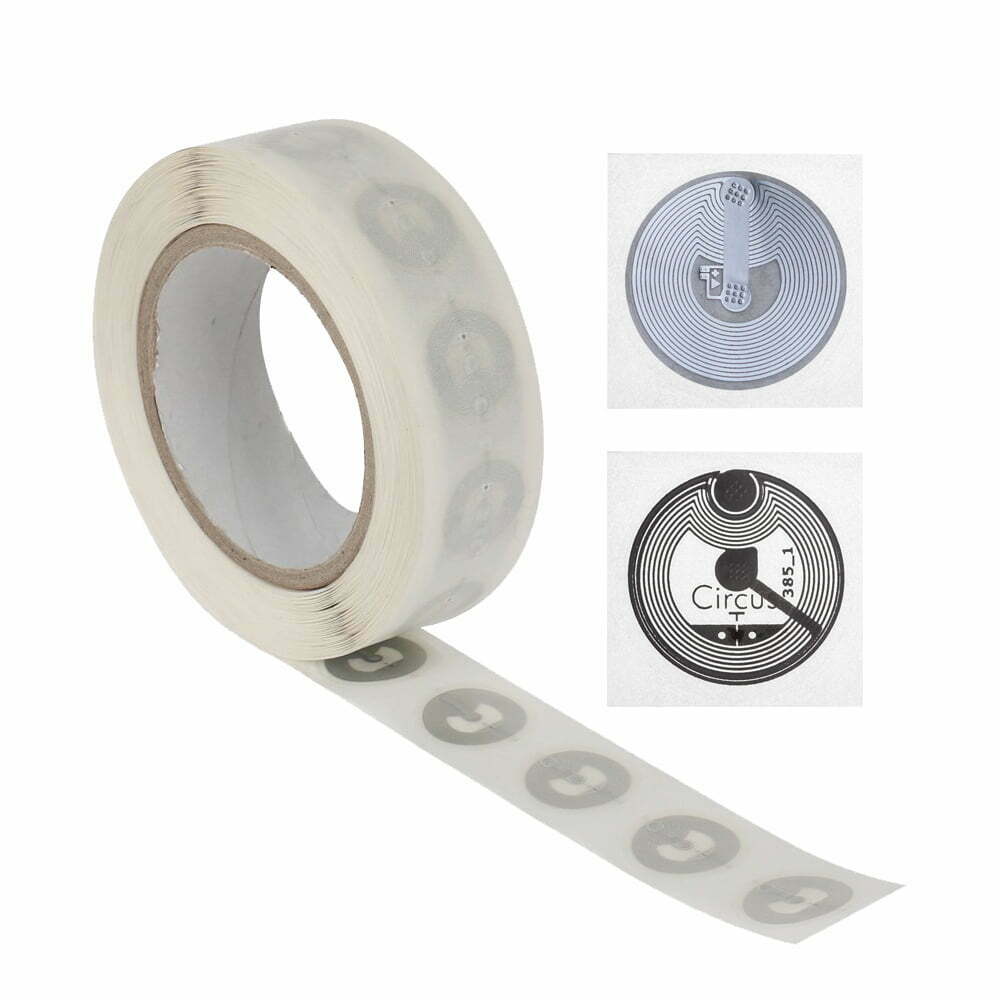
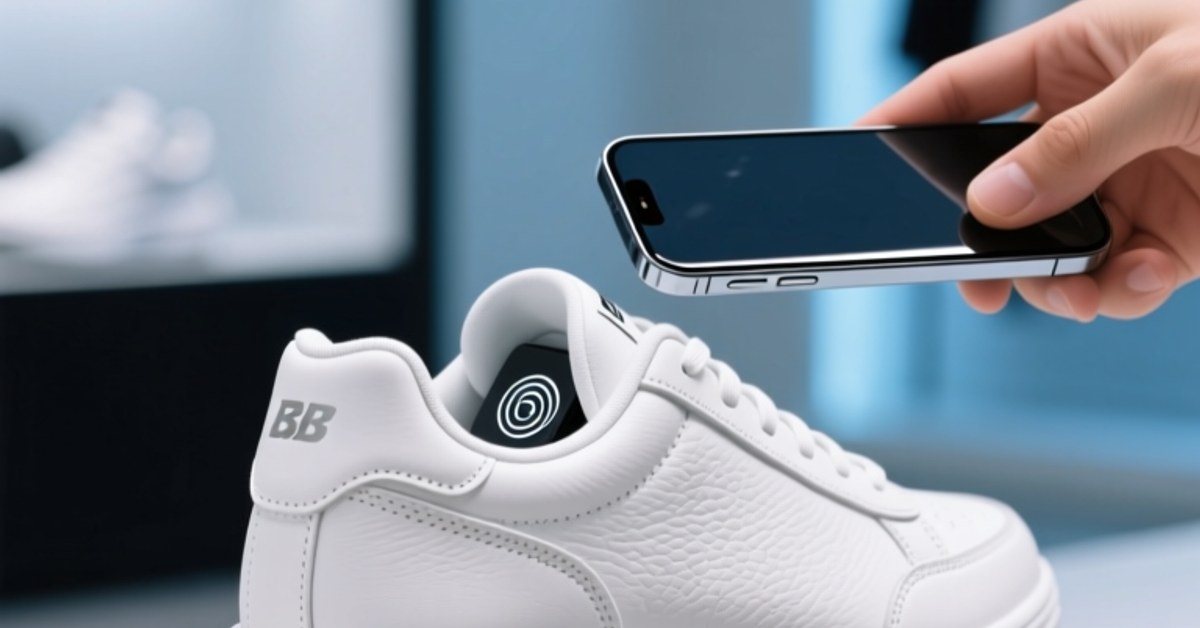
Etiquetas NFC Incrustado en envases farmacéuticos puede almacenar un identificador único que se vincula a un registro digital seguro.. Usando Etiquetas NFC o Pegatinas de NFC, Cada unidad, hasta el cartón o el vial individual, se convierte en un dispositivo inteligente., objeto conectado.
Enfoque de serialización con NFC
Un enfoque típico de serialización NFC se integra con los sistemas empresariales existentes:
- Codificación de etiquetas: En la línea de envasado, Incrustaciones NFC se encargan con un número de serie único, datos por lotes, y una identidad basada en la nube.
- Asociación de datos: El chip NFCEl UID y los datos codificados están vinculados al ERP del fabricante o al repositorio de serialización..
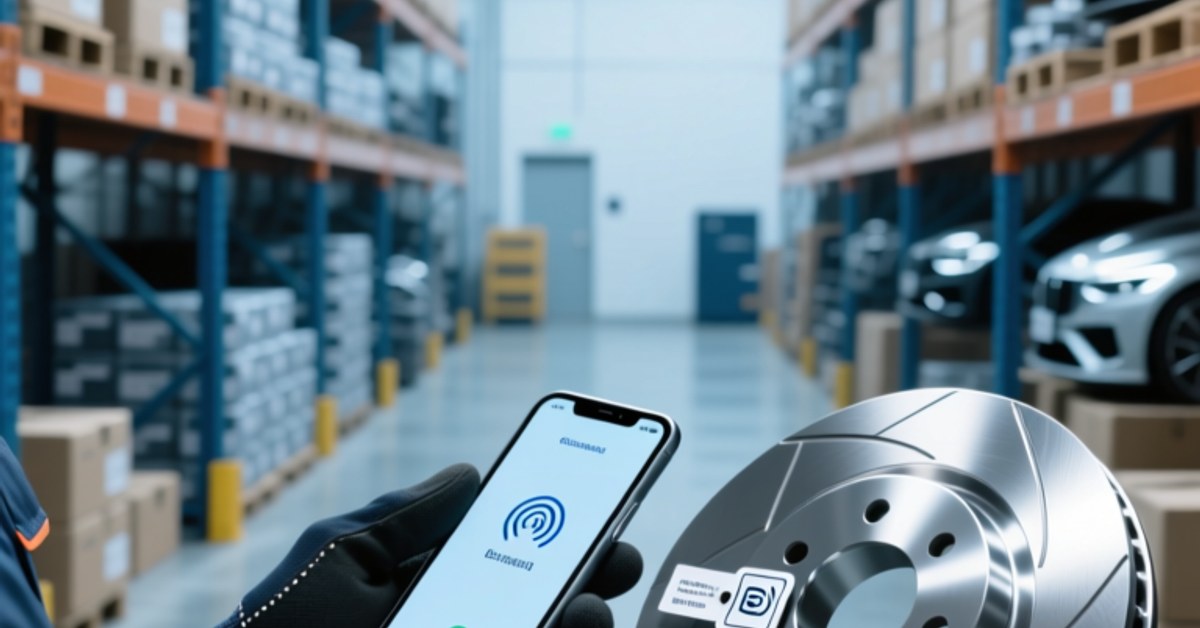
- Verificación en tiempo real: Un simple toque con un Teléfono inteligente con NFC recupera el historial completo del producto: autenticidad, estado de la cadena de frío, y procedencia.
Porque NFC utiliza comunicación inalámbrica de corto alcance, Ofrece ventajas de seguridad inherentes.: se requiere un toque deliberado, reducir los escaneos accidentales y permitir la divulgación selectiva de información.
Controles antidesvío e integridad de la cadena de suministro
El desvío farmacéutico (el desvío de medicamentos desde cadenas de suministro legítimas) le cuesta a la industria miles de millones y pone en peligro a los pacientes.. NFC agrega una poderosa capa de protección antidesvío.
Conciencia geográfica y detección de manipulaciones
Cuando los paquetes farmacéuticos que llevan etiquetas NFC se escanean durante el tránsito, Los socios logísticos pueden registrar la ubicación., tiempo, y cambios de custodia. Combinado con reglas basadas en la nube, Los movimientos no autorizados o los escaneos faltantes activan alertas.. Además, Las etiquetas NFC se pueden diseñar con características a prueba de manipulaciones: romper un sello o quitar una etiqueta altera la capacitancia de la etiqueta, Señalización de posibles interferencias..
Agregación y relaciones entre padres e hijos
NFC ayuda a mantener jerarquías de agregación: casos, palets, y envíos. Al asociarse Etiquetas RFID (frecuencia ultraelevada) a nivel de caja con unidades individuales etiquetadas con NFC, Los gerentes de la cadena de suministro obtienen escaneo masivo y trazabilidad granular.. Este enfoque híbrido es especialmente valioso en almacenes y centros de distribución farmacéuticos..
Para organizaciones que modernizan su logística, lectores RFID de mano y lectores RFID fijos puede complementar la implementación de NFC, asegurando una verificación rápida sin abrir cajas.
Verificación y participación del paciente: Un toque para la seguridad
Uno de los aspectos más transformadores de la trazabilidad farmacéutica NFC es la participación directa del paciente. Con un simple toque, los pacientes pueden:
- Verificar la autenticidad de un medicamento antes de su uso..
- Consulta fechas de vencimiento y números de lote en tiempo real.
- Accede a folletos digitales, instrucciones de dosificación, o guías en vídeo.
- Confirmar que un producto no ha sido retirado del mercado ni desviado.
Este canal de verificación de propiedad de la marca genera confianza y respalda el cumplimiento de la medicación, todo mientras genera datos de terceros para los fabricantes., Totalmente compatible con las normas de privacidad..
Consideraciones sobre la cadena de frío: Sensor de temperatura NFC
Muchos biológicos, vacunas, y los medicamentos especializados requieren un control estricto de la temperatura. Las etiquetas NFC activas con sensores de temperatura incorporados pueden registrar desviaciones a lo largo de la cadena de suministro. Cuando un farmacéutico o un paciente toca el paquete, El dispositivo NFC revela si el producto ha estado expuesto a temperaturas dañinas..
Esta visibilidad de la cadena de frío es crítica para el cumplimiento de las Buenas Prácticas de Distribución. (PIB) y para reducir el desperdicio. Las empresas farmacéuticas pueden integrar registros de temperatura NFC en sus datos de serialización existentes, creando un completo pasaporte de producto digital para cada artículo.
Integración de NFC con sistemas farmacéuticos existentes
Una preocupación común es la interoperabilidad. NFC no altera los códigos de barras existentes que cumplen con GS1; funciona junto a ellos. Los datos se pueden estructurar para alinearse con los Servicios de Información de Códigos de Productos Electrónicos GS1 (EPCIS) estándares, Garantizar una integración perfecta con plataformas de seguimiento y localización..
Los fabricantes pueden empezar poco a poco, tal vez añadiendo etiquetas NFC a los productos de alto riesgo., SKU de alto valor y escalabilidad basada en el retorno de la inversión. Soluciones de codificación NFC y los servicios en la nube están diseñados para conectarse al MES existente y al hardware de serialización con una interrupción mínima.
Cumplimiento farmacéutico global: Una hoja de ruta práctica
>
| Región | Regulación | Requisitos clave | Contribución NFC |
|---|---|---|---|
| EE.UU | DSCSA | Serialización a nivel de unidad; rastreo interoperable | Etiqueta a nivel de unidad con ID única; verificación del paciente |
| UE | fiebre aftosa | Identificador único + ATD; desmantelamiento en la dispensación | Etiquetas NFC a prueba de manipulaciones; confirmación de desmantelamiento en tiempo real |
| Porcelana | Reglamento de codificación de trazabilidad de medicamentos | Códigos serializados; informes centrales | NFC codificado con el código nacional de drogas; verificación en la nube |
Independientemente de la jurisdicción, NFC proporciona una flexibilidad, Capa centrada en el paciente que mejora los formatos de serialización tradicionales..
Por qué NFC frente a otras tecnologías?
- Listo para el consumidor: Casi todos los modernos teléfonos inteligentes tener NFC; no se necesita un escáner dedicado.
- Seguridad: La comunicación de corto alcance minimiza los riesgos de desnatación; Los datos se pueden cifrar y generar dinámicamente..
- De múltiples fines: La misma etiqueta admite la serialización, anti-falsificación, marketing, y educación del paciente.
- Durabilidad: Etiquetas RFID antimetal y las etiquetas NFC soportan condiciones duras, incluyendo entornos de cadena de frío.
Para empresas farmacéuticas que buscan una estrategia de serialización preparada para el futuro, NFC añade una dimensión digital que las etiquetas de papel y los códigos de barras pasivos no pueden igualar.
Implementación de la trazabilidad farmacéutica NFC con RFIDHY
RFIDHY proporciona un conjunto completo de componentes NFC y RFID para la serialización farmacéutica: de Etiquetas y pegatinas NFC a Lectores RFID UHF y wearables para entornos clínicos. Nuestras soluciones están diseñadas para integrarse en marcos globales de seguimiento y localización y, al mismo tiempo, ofrecer mejoras tangibles en la seguridad del paciente..
Si está evaluando actualizaciones de cumplimiento de DSCSA, explorando la autenticación directa del paciente, o salvaguardar los productos biológicos mediante el monitoreo de la cadena de frío habilitado por NFC, Tecnología NFCWORK proporciona el hardware, software, y experiencia para hacer operativa su visión.
Preguntas frecuentes
¿Qué es la trazabilidad farmacéutica NFC??
La trazabilidad farmacéutica NFC utiliza etiquetas de comunicación de campo cercano en los envases de los medicamentos para almacenar o vincular a una identidad digital única. Esto permite la verificación en tiempo real., cumplimiento de serialización (DSCSA/FMD), y autenticación directa del paciente a través de teléfonos inteligentes.
¿NFC reemplaza los códigos de barras 2D para DSCSA o EU FMD??
No. NFC sirve como capa complementaria. La normativa actual exige soportes de datos específicos (como la matriz de datos GS1), y las etiquetas NFC pueden coexistir, Ofrecer seguridad adicional e interacción con el consumidor sin violar los requisitos de cumplimiento..
¿Cómo puede la NFC ayudar a prevenir el desvío farmacéutico??
Las etiquetas NFC se pueden leer en las transferencias de custodia, ubicación de registro y marcas de tiempo. Combinado con reglas basadas en la nube, Los movimientos no autorizados están marcados.. Las funciones de detección de manipulación evitan aún más el intercambio de etiquetas o la adulteración del producto..
¿Puede NFC funcionar en entornos de cadena de frío??
Sí. Etiquetas NFC especializadas y Etiquetas RFID están diseñados para soportar temperaturas extremas. Las etiquetas NFC activas con sensores de temperatura pueden registrar excursiones en la cadena de frío, Proporcionar cumplimiento verificable para productos biológicos y vacunas..
¿Los pacientes necesitan una aplicación especial para escanear etiquetas NFC farmacéuticas??
Generalmente, No. La mayoría de los teléfonos inteligentes modernos con NFC pueden leer etiquetas NFC de forma nativa. Las marcas también pueden dirigir a los consumidores a una aplicación web ligera o una aplicación web progresiva. (PWA) para una experiencia mejorada, evitando la necesidad de descargar software.
Fortalezca su cadena de suministro farmacéutico con trazabilidad NFC
En Tecnología NFCWORK, Proporcionamos soluciones NFC y RFID de extremo a extremo que ayudan a las empresas farmacéuticas a lograr el cumplimiento de la serialización global, salvaguardar a los pacientes, y generar confianza en la marca. Explora nuestra gama de Etiquetas NFC, Lectores RFID, y plataformas personalizables diseñadas para cadenas de suministro de ciencias biológicas.
Contacta con nuestros expertos para discutir tu proyecto de trazabilidad →