Enkonduko: La Nova Mandato por Farmacia Spurebleco
La farmacia industrio spertas fundamentan ŝanĝon. Reguligaj kadroj kiel la U.S. Leĝo pri Sekureco pri Provizoĉeno de Drogoj (DSCSA) kaj la EU Falsigitaj Medikamentoj Direktivo (FMD) nun postulas fin-al-finan spureblecon, seriigo, kaj konfirmo de preskribaj medikamentoj. Dum tradiciaj strekkodoj kaj 2D datenmatricoj formis la spinon de observo, NFC-farmacia spurebleco aperas kiel potenca komplemento—proponante realtempan aŭtentikigon, pacienca engaĝiĝo, kaj plifortigita vidĉeno de malvarma ĉeno.
Ĉe NFCWORK Teknologio, ni vidas NFC ne kiel anstataŭaĵo por ekzistantaj seriigonormoj, sed kiel praktika tavolo kiu aldonas sekurecon, simpleco, kaj rekta konsumanta interago al farmaciaj provizoĉenoj.
Komprenante DSCSA kaj EU FMD Postulojn
DSCSA: Plena Ununivela Spurebleco de 2023
La DSCSA postulas plene elektronikan, interfunkciebla sistemo por spuri preskribajn medikamentojn sur la pakaĵnivelo tra Usono. provizoĉeno. Ŝlosilaj postuloj inkluzivas:
- Produkta identigilo (inkluzive de NDC, seria numero, lotnumero, eksvalidiĝo) sur ĉiu pako.
- Transakciaj informoj kaj deklaroj interŝanĝitaj kun ĉiu ŝanĝo de proprieto.
- Kontrolsistemoj por detekti kaj respondi al suspektindaj aŭ nelegitimaj produktoj.
- Nur rajtigitaj komercaj partneroj.
EU FMD: Sekurecaj Trajtoj kaj Malfunkciigo
La EU FMD postulas du sekurecajn funkciojn en la plej multaj preskribaj medikamentoj:
- Unika identigilo (UI) ĉifrite en 2D datenmatrico.
- Kontraŭmanipula aparato (ATD).
Apotekoj kaj hospitaloj devas kontroli kaj malmendi la UI ĉe la punkto de liverado per nacia deponeja sistemo..
Ambaŭ regularoj celas malhelpi falsigitajn medikamentojn, distraĵo, kaj eraroj—sed devigo dependas peze de skanado kaj datumintegreco. NFC povas plifortigi ĉi tiujn sistemojn ebligante pli simplan, konsumanto-amika konfirmo kaj pli profundaj provizoĉenaj komprenoj.
NFC-Ebligita Seriligo: Kiel Ĝi Funkcias
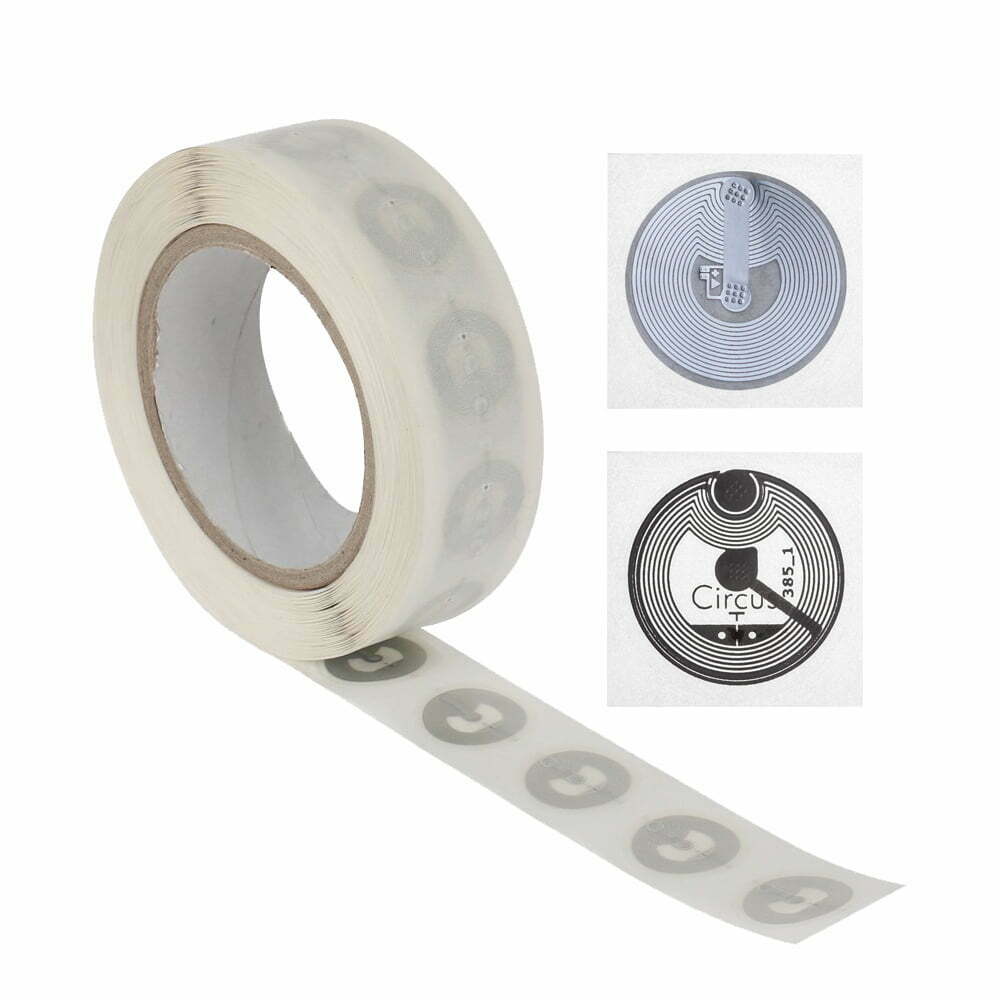
NFC-etikedoj enigita en farmacia pakaĵo povas stoki unikan identigilon kiu ligas al sekura cifereca rekordo. Uzanta NFC-etikedoj aŭ NFC -Glumarkoj, ĉiu unuo — ĝis la individua kartono aŭ fiolo — fariĝas inteligenta, ligita objekto.
Serialiga Aliro kun NFC
Tipa NFC-serialiro integriĝas kun ekzistantaj entreprensistemoj:
- Etikedkodigado: Ĉe la pakaĵlinio, NFC-inkrustaĵoj estas komisiitaj kun unika seria numero, bataj datumoj, kaj nub-bazita identeco.
- Datuma asocio: La NFC blatoLa UID kaj koditaj datumoj de s estas ligitaj al la ERP aŭ seriiga deponejo de la fabrikanto.
- Realtempa konfirmo: Simpla frapeto kun an NFC-ebligita inteligenta telefono retrovas la kompletan historion de la produkto—aŭtenteco, stato de malvarma ĉeno, kaj deveno.
Ĉar NFC uzas mallongdistancan sendratan komunikadon, ĝi ofertas proprajn sekurecajn avantaĝojn: necesas intenca frapeto, reduktante hazardajn skanaĵojn kaj ebligante selekteman malkaŝon de informoj.
Kontraŭ-Distraj Kontroloj kaj Provizoĉeno-Integreco
Farmacia distraĵo - la revojigo de medikamentoj de laŭleĝaj provizoĉenoj - kostas la industrion miliardojn kaj endanĝerigas pacientojn.. NFC aldonas potencan tavolon de kontraŭ-distra protekto.
Geo-Konscio kaj Tamper Detection
Kiam farmaciaj pakaĵoj kun NFC-etikedoj estas skanitaj dum transito, loĝistikaj partneroj povas registri lokon, tempo, kaj gepatroŝanĝoj. Kombinite kun nubo-bazitaj reguloj, neaŭtorizitaj movoj aŭ mankantaj skanadoj ekigas alarmojn. Aldone, NFC-etikedoj povas esti dezajnitaj kun trafeblaj trajtoj: rompi sigelon aŭ forigi etikedon ŝanĝas la kapacitancon de la etikedo, signalante eblan interferon.
Agregado kaj Gepatro-Infanaj Rilatoj
NFC helpas konservi agregajn hierarkiojn—kazojn, paletoj, kaj sendoj. Asociante RFID -etikedoj (UHF) ĉe la kaznivelo kun NFC-etikeditaj individuaj unuoj, provizoĉenmanaĝeroj akiras kaj pograndan skanadon kaj grajnecan spureblecon. Ĉi tiu hibrida aliro estas precipe valora en farmaciaj stokejoj kaj distribucentroj.
Por organizoj modernigantaj sian loĝistikon, porteblaj RFID-legiloj kaj fiksitaj RFID-legiloj povas kompletigi NFC-deplojon, certigante rapidan konfirmon sen malfermi skatolojn.
Pacienca Konfirmo kaj Engaĝiĝo: Frapeto por Sekureco
Unu el la plej transformaj aspektoj de NFC-farmacia spurebleco estas rekta pacienca implikiĝo. Per simpla frapeto, pacientoj povas:
- Kontrolu la aŭtentikecon de medikamento antaŭ uzo.
- Kontrolu limdatojn kaj lotajn nombrojn en reala tempo.
- Aliru ciferecajn flugfoliojn, instrukcioj pri dozo, aŭ videogvidiloj.
- Konfirmu, ke produkto ne estas revokita aŭ deturnita.
Ĉi tiu marko-posedata konfirmkanalo konstruas fidon kaj subtenas medikamentan sekvadon—ĉio dum generado de nul-partiaj datumoj por fabrikistoj., plene konforma al privatecaj regularoj.
Konsideroj pri Malvarma Ĉeno: NFC Temperatura Sentado
Multaj biologiaĵoj, vakcinoj, kaj specialaj medikamentoj postulas striktan temperaturkontrolon. Aktivaj NFC-etikedoj kun enkonstruitaj temperatursensiloj povas registri ekskursojn tra la provizoĉeno. Kiam apotekisto aŭ paciento frapetas la pakaĵon, la NFC-aparato malkaŝas ĉu la produkto estis elmontrita al damaĝaj temperaturoj.
Ĉi tiu malvarmĉena videbleco estas kritika por plenumado de Bonaj Distribuaj Praktikoj (MEP) kaj por redukti malŝparo. Farmaciaj kompanioj povas integri NFC-temperaturajn protokolojn en siajn ekzistantajn seriigdatenojn, kreante kompletan Pasporto de Cifereca Produkto por ĉiu objekto.
Integrante NFC kun Ekzistantaj Pharma Systems
Ofta zorgo estas kunfunkciebleco. NFC ne interrompas ekzistantajn GS1-konformajn strekkodojn; ĝi funkcias kune kun ili. Datenoj povas esti strukturitaj por akordigi kun GS1 Elektronika Produkta Kodo-Informservoj (EPCIS) normoj, certigante senjuntan integriĝon kun spur-kaj-spuraj platformoj.
Fabrikistoj povas komenci malgrande—eble aldonante NFC-etikedojn al alta risko, altvaloraj SKUoj—kaj skalo bazita sur reveno de investo. NFC-kodigaj solvoj kaj nubaj servoj estas dizajnitaj por konekti al ekzistanta MES kaj seriiga aparataro kun minimuma interrompo.
Tutmonda Farmacia Konformeco: Praktika Vojmapo
>
| Regiono | Reguligo | Ŝlosilaj Postuloj | NFC-Kontribuo |
|---|---|---|---|
| Usono | DSCSA | Ununivela seriigo; interfunkciebla spurado | Ununivela etikedo kun unika ID; pacienca konfirmo |
| EU | FMD | Unika identigilo + ATD; malfunkciigo ĉe dispensado | Etikedoj NFC-evideblaj; realtempa malmendi konfirmo |
| Ĉinio | Reguloj pri Kodigado de Drogebleco | Seriigitaj kodoj; centra raportado | NFC ĉifrita kun nacia drogkodo; nuba konfirmo |
Sendepende de jurisdikcio, NFC provizas flekseblan, pacienccentra tavolo kiu plibonigas tradiciajn seriigformatojn.
Kial NFC super Aliaj Teknologioj?
- Konsumanto-preta: Preskaŭ ĉiuj modernaj saĝtelefonoj havas NFC; neniu dediĉita skanilo bezonata.
- Sekureco: Mallongdistanca komunikado minimumigas la riskojn pri skimado; datumoj povas esti ĉifritaj kaj dinamike generitaj.
- Multcela: Sama etikedo subtenas seriigon, kontraŭfalsado, merkatado, kaj pacienca edukado.
- Daŭreco: Kontraŭmetalaj RFID-etikedoj kaj NFC-etikedoj eltenas severajn kondiĉojn, inkluzive de malvarmĉenaj medioj.
Por farmaciaj kompanioj serĉantaj estontecan seriig-strategion, NFC aldonas ciferecan dimension, kiun paperaj etikedoj kaj pasivaj strekkodoj ne povas egali.
Efektivigo de NFC Farmacia Spurebleco kun RFIDHY
RFIDHY provizas ampleksan serion de NFC kaj RFID-komponentoj por farmacia seriigo: de NFC-etikedoj kaj glumarkoj al UHF RFID-legiloj kaj porteblaj por klinikaj agordoj. Niaj solvoj estas dezajnitaj por integriĝi en tutmondajn spurajn kadrojn dum ili liveras percepteblajn plibonigojn pri sekureco de pacientoj.
Ĉu vi taksas DSCSA-konformajn ĝisdatigojn, esplorante rektan paciencan aŭtentikigon, aŭ protektado de biologiaj substancoj per NFC-ebligita malvarmĉenmonitorado, NFCWORK Teknologio provizas la aparataron, programaro, kaj kompetenteco por funkciigi vian vizion.
Oftaj Demandoj
Kio estas NFC-farmacia spurebleco?
NFC-farmacia spurebleco uzas etikedojn de Near Field Communication sur medikamentaj pakaĵoj por stoki aŭ ligi al unika cifereca identeco.. Ĉi tio ebligas realtempan konfirmon, seriigokonformeco (DSCSA/FMD), kaj rekta pacienca aŭtentikigo per saĝtelefonoj.
Ĉu NFC anstataŭigas 2D strekkodojn por DSCSA aŭ EU FMD?
Ne. NFC funkcias kiel komplementa tavolo. Nunaj regularoj postulas specifajn datumportulojn (kiel ekzemple GS1-datummatrico), kaj NFC-etikedoj povas kunekzisti, proponante plian sekurecon kaj konsumantan interagon sen malobservi plenumajn postulojn.
Kiel NFC povas helpi malhelpi farmacian deturniĝon?
NFC-etikedoj legeblas ĉe gardaj translokigoj, registra loko kaj tempomarkoj. Kombinite kun nubo-bazitaj reguloj, neaŭtorizitaj movoj estas markitaj. Funkciig-detektaj funkcioj plue malhelpas etikedinterŝanĝon aŭ produktan falstron.
Ĉu NFC povas funkcii en malvarmĉenaj medioj?
Jes. Specialigitaj NFC-etikedoj kaj RFID -etikedoj estas dizajnitaj por elteni ekstremajn temperaturojn. Aktivaj NFC-etikedoj kun temperatursensiloj povas registri malvarmĉenajn ekskursojn, provizante kontroleblan konformecon por biologiaj substancoj kaj vakcinoj.
Ĉu pacientoj bezonas specialan apon por skani farmaciajn NFC-etikedojn?
Ĝenerale, ne. Plej modernaj NFC-ebligitaj saĝtelefonoj povas legi NFC-etikedojn denaske. Markoj ankaŭ povas direkti konsumantojn al malpeza TTT-aplikaĵo aŭ progresema TTT-aplikaĵo (PWA) por plibonigita sperto, evitante la bezonon elŝuti programaron.
Plifortigu Vian Farmacian Provizan Ĉenon kun NFC-Spurebleco
Ĉe NFCWORK Teknologio, ni provizas fin-al-finajn NFC kaj RFID-solvojn, kiuj helpas farmaciajn kompaniojn atingi tutmondan seriigon, protekti pacientojn, kaj konstrui markonfidon. Esploru nian gamon de NFC-etikedoj, RFID-legiloj, kaj agordeblaj platformoj dizajnitaj por vivsciencoj provizoĉenoj.
Kontaktu niajn spertulojn por diskuti vian spureblan projekton →