Wstęp
W miarę ewolucji elektroniki do noszenia — od inteligentnych pierścionków i naszywek medycznych po silikonowe opaski na rękę i połączoną z nią odzież — niezawodność, zminiaturyzowana funkcjonalność NFC nie jest już opcjonalna. Dla producentów, wybierając prawą Możliwość noszenia wkładki NFC Lub Moduł NFC OEM partner bezpośrednio wpływa na wydajność, zgodność, i czas wprowadzenia produktu na rynek. Ten przewodnik zawiera zwięzłe informacje, praktyczne ramy pozyskiwania oparte na rzeczywistych możliwościach komponentów NFC dostępnych za pośrednictwem RFIDHY, RFIDTAGIA, PRACA NFC, I Opaska na nadgarstekHY.
Czym są wkładki i moduły NFC?
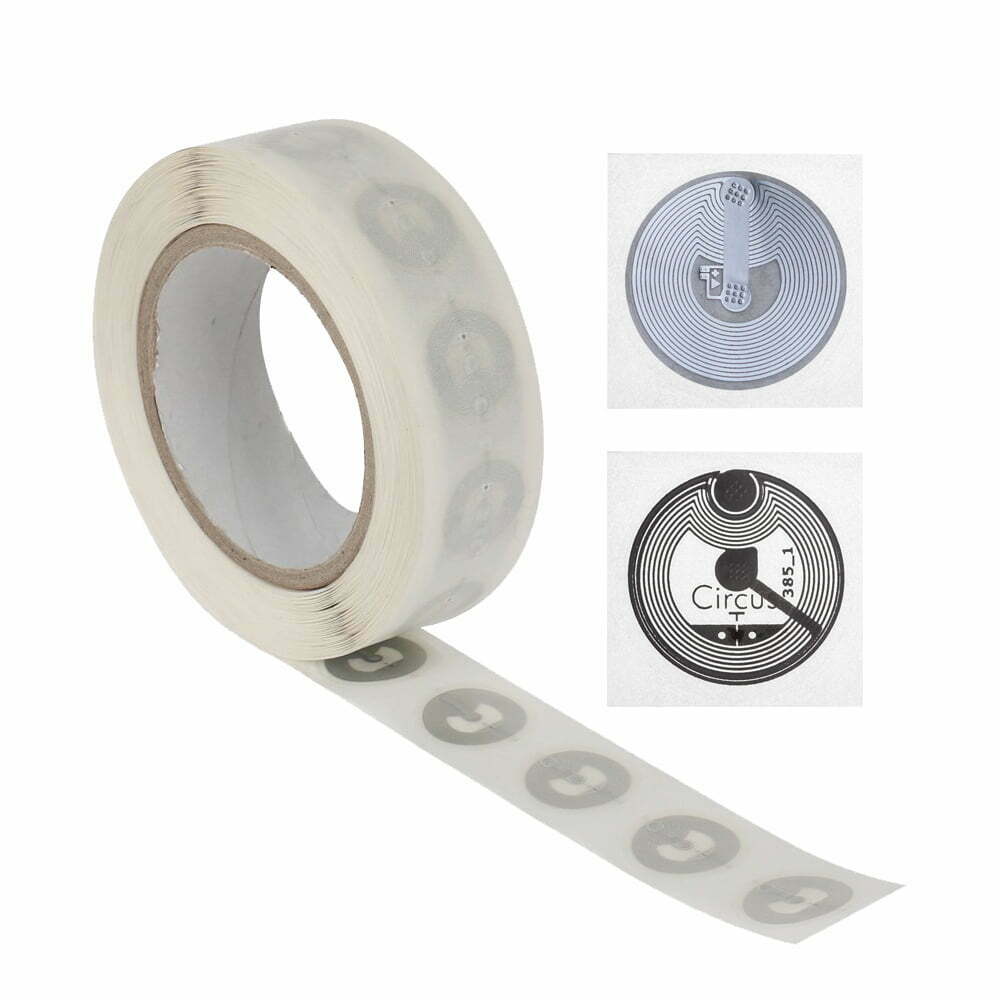
Jakiś Wkładka NFC składa się z anteny i układu scalonego (układ scalony) montowany na podłożu — zazwyczaj PET, elastyczny obwód drukowany (FPC), lub tekstylny. Jakiś Moduł NFC dodaje obudowę ochronną lub elementy nośne (NP., podkład klejący, kompatybilność z overmoldem, lub podkładki SMD) do solidnej integracji z urządzeniami do noszenia. —Dowiedz się więcej nt hotelowe rozwiązanie NFC.
Przewodnik wyboru chipów
Wybór odpowiedniego układu scalonego określa pojemność pamięci, bezpieczeństwo, tryb zasilania, i możliwości interfejsu. Poniżej znajduje się porównanie powszechnie stosowanych chipów kompatybilnych z NFCWORK i RFIDHY wkładki: —Dowiedz się więcej nt Opaska termiczna rfid.
>
| Typ chipa | Pamięć | Poziom bezpieczeństwa | Obsługa I²C | Typowy przypadek użycia |
|---|---|---|---|---|
| Margines NXP 213/215/216 | 144–888 bajtów | Podstawowa ochrona hasłem | NIE | Uwierzytelnianie pasywne, cyfrowy paszport produktu (DPP) tagi w Cyfrowy paszport produktu |
| NXP NTAG I²C Plus | 1 KB EEPROM + 1 KB RAM | Bezpieczne wsparcie elementu | Tak | Dwukierunkowe smartwatche & zdrowotne urządzenia do noszenia |
| NXP MIFARE DESFire EV3 | 2–8KB | CC EAL5+, AES-256 | NIE | Bezpieczna kontrola dostępu w Inteligentna identyfikacja do noszenia |
| STMicroelectronics ST25DV | 2–64 kB | I²C + Podwójny interfejs RF | Tak | Plastry medyczne działające w trybie podwójnym i nadająca się do prania inteligentna odzież |
Rodzaje podłoża antenowego
Podłoże określa elastyczność, trwałość, i odporność na środowisko:
>
| Podłoże | Plusy | Wady |
|---|---|---|
| ZWIERZAK DOMOWY | Niski koszt, wysoka spójność, idealny do laminowania | Ograniczony promień zgięcia; nie nadaje się do ciasnych zakrętów |
| FPC (Elastyczna płytka drukowana) | Doskonała zgodność, obsługuje integrację SMD | Wyższy koszt; wymaga precyzyjnej obsługi |
| Włókienniczy | Zmywalny, oddychający, płynna integracja odzieży | Niższy zakres odczytu; wymagane specjalistyczne strojenie |
Współczynniki kształtu modułu
Dopasuj format fizyczny do procesu produkcyjnego:
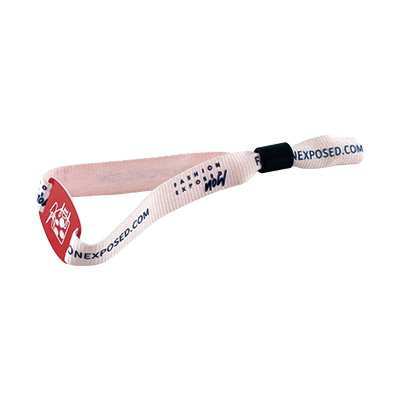
- Wkładka mokra: Samoprzylepne – idealne do laminowania w silikonowe opaski na rękę (Opaska na nadgarstekHY) lub warstwy tkaniny
- Wkładka sucha: Bez kleju — przeznaczony do formowania metodą wstawiania w sztywnych urządzeniach do noszenia
- Moduł SMD: Możliwość montażu powierzchniowego — stosowana w smartwatchach i trackerach opartych na PCB
- Moduł gotowy do obtrysku: Zamknięte w tworzywie termoplastycznym lub silikonie — zoptymalizowane pod kątem Inteligentna identyfikacja do noszenia zastosowania wymagające uszczelnienia IP67+
Rozważania dotyczące zamówień
Czasy realizacji, MOQ, i zapewnienie jakości mają kluczowe znaczenie dla planowania produkcji:
- MOQ: 1,000–10 000 jednostek dla wkładów standardowych; ≥10 000 dla projektów niestandardowych
- Czas realizacji: 2–4 tygodnie dla artykułów magazynowych (NP., RFIDTAGIA Wkłady HF); 6–8 tygodni na niestandardowe dostrojenie anteny lub inżynierię podłoża
- Standardy jakości: ISO/IEC 14443-A/B i 15693 zgodność; ±5% tolerancja strojenia anteny; badanie przyczepności zgodnie z ASTM D3359
Niestandardowe vs. Standardowe wkłady
>
| Czynnik | Standardowe wkłady | Niestandardowe intarsje |
|---|---|---|
| Czas na rynek | 2–3 tygodnie | 6–10 tygodni |
| Koszt na jednostkę | Niżej (ekonomia skali) | Wyższy (NRE + obróbka) |
| Elastyczność projektowania | Ograniczone wymiarami katalogowymi | Pełny kształt, rozmiar, kolor, i kontrola podłoża |
| Użyj Kiedy | Wczesna weryfikacja funkcjonalności NFC lub uruchomienie MVP | Spotkanie z wyjątkową ergonomią, branding, lub wymogi regulacyjne |
Najlepsze praktyki integracyjne
Aby zachować wydajność NFC w ograniczonych obudowach do noszenia: —Dowiedz się więcej nt zestaw startowy rfid.
- Zachowaj strefę unikania anteny o średnicy ≥3 mm wokół metalu lub materiałów przewodzących w obudowach
- Zweryfikuj zasięg odczytu NFC po natryskiwaniu przy użyciu urządzeń referencyjnych (NP., Samsunga Galaxy S23, iPhone 14/15)
- Przeprowadź weryfikację przedprodukcyjną z co najmniej trzema urządzeniami obsługującymi technologię NFC smartfony na platformach Android i iOS
Zalecane kombinacje wiórów i podłoża
>
| Typ do noszenia | Zalecany chip | Optymalne podłoże |
|---|---|---|
| Opaska silikonowa | Allegate 215 | Wkładka mokra PET |
| Inteligentny pierścień | MIFARE DESFire EV3 | Sucha wkładka FPC |
| Płócienny pasek | ST25DV | Wkładka tekstylna |
| Smartwatch | NTAG I²C Plus | Moduł FPC SMD |
| Łatka medyczna | ST25DV | PET tekstylny lub medyczny |
Często zadawane pytania
- Do RFIDHY i NFCWORK oferują wsparcie OEM dla niestandardowych wkładek NFC?
Tak – oba RFIDHY I PRACA NFC świadczyć pełne usługi OEM, w tym projektowanie anten, personalizacja chipów, i inżynieria podłoża dla wykwalifikowanych producentów urządzeń ubieralnych. - Czy wkładki NFC są zgodne z wymogami UE DPP?
Wszystko NTAG- i wkładki oparte na DESFire firmy RFIDTAGIA I PRACA NFC obsługuje struktury danych zgodne z NDEF wymagane do wdrożenia cyfrowego paszportu produktu. - Czy mogę przetestować wkładki NFC przed złożeniem zamówienia zbiorczego??
Tak — zestawy próbek (w tym PET, FPC, i warianty tekstylne) są dostępne na żądanie za pośrednictwem SKONTAKTUJ SIĘ Z NAMI. - Jakie certyfikaty posiadają Twoje moduły NFC?
Produkty są zgodne z normą ISO/IEC 14443-A/B, CE, FCC, i RoHS. Wkładki tekstylne klasy medycznej spełniają wymagania ISO 10993 tam, gdzie ma to zastosowanie, standardy biokompatybilności.
Gotowy do zintegrowania NFC z Twoim kolejnym urządzeniem do noszenia?
Skontaktuj się bezpłatnie z naszym zespołem inżynierów Konsultacja dotycząca wkładek NFC, niestandardowy przegląd wykonalności, i przykładowa prośba. Wspieramy Moduł NFC OEM partnerstwa ze skalowalną produkcją, szybkie prototypowanie, i pełna dokumentacja — wszystko przy wsparciu globalnego łańcucha dostaw RFIDHY i NFCWORK.