Introducción
A medida que evolucionan los dispositivos electrónicos portátiles (desde anillos inteligentes y parches médicos hasta pulseras de silicona y prendas conectadas), la confiabilidad, La funcionalidad NFC miniaturizada ya no es opcional. Para fabricantes, seleccionando lo correcto Incrustación NFC portátil o OEM del módulo NFC El socio impacta directamente el desempeño., cumplimiento, y tiempo de comercialización. Esta guía ofrece una descripción concisa, Marco de abastecimiento procesable basado en capacidades de componentes NFC del mundo real disponibles a través de RFIDHY, RFIDTAGHY, NFCTRABAJO, y PulseraHY.
¿Qué son las incrustaciones y módulos NFC??
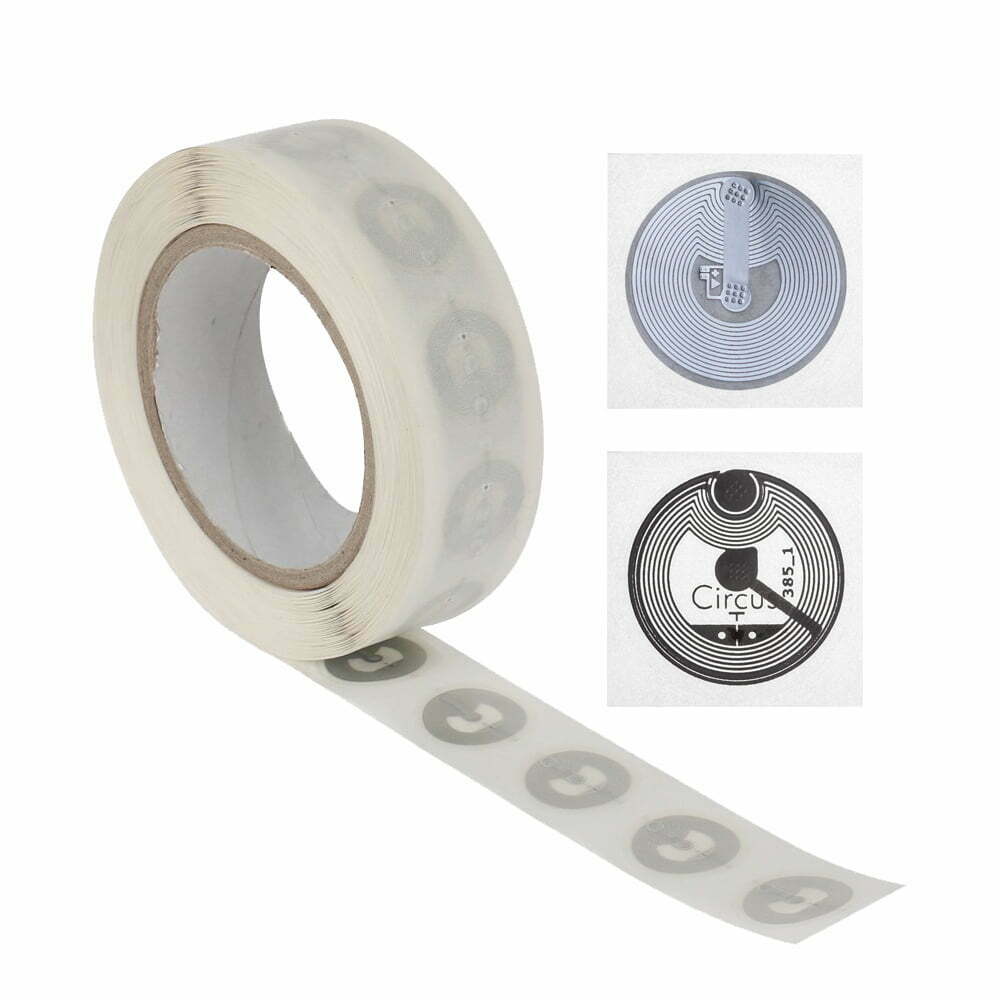
Un Incrustación NFC Consta de una antena y un circuito integrado. (CI) montado sobre un sustrato, normalmente PET, circuito impreso flexible (FPC), o textil. Un módulo NFC agrega características de carcasa protectora o portadora (P.EJ., respaldo adhesivo, compatibilidad sobremoldeado, o almohadillas SMD) para una integración sólida en dispositivos portátiles. —Más información sobre solución nfc para hoteles.
Guía de selección de chips
Elegir el IC correcto determina la capacidad de la memoria, seguridad, modo de energía, y capacidad de interfaz. A continuación se muestra una comparación de chips ampliamente implementados compatibles con NFCWORK y RFIDHY incrustaciones: —Más información sobre pulsera térmica rfid.
>
| Tipo de chip | Memoria | Nivel de seguridad | Soporte I²C | Caso de uso típico |
|---|---|---|---|---|
| NTAG NXP 213/215/216 | 144–888 bytes | Protección básica de contraseña | No | Autenticación pasiva, pasaporte de producto digital (DPP) etiquetas en Pasaporte de producto digital |
| NXP NTAG I²C Plus | 1 KB-EEPROM + 1 KB de RAM | Soporte de elementos seguro | Sí | Relojes inteligentes bidireccionales & wearables de salud |
| NXP MIFARE DESFire EV3 | 2–8 KB | CC EAL5+, AES-256 | No | Control de acceso seguro en Identificación portátil inteligente |
| STMicroelectrónica ST25DV | 2–64 KB | I²C + Interfaz dual RF | Sí | Parches médicos de modo dual y prendas inteligentes lavables |
Tipos de sustrato de antena
El sustrato define la flexibilidad., durabilidad, y resiliencia ambiental:
>
| sustrato | Ventajas | Contras |
|---|---|---|
| MASCOTA | Bajo costo, alta consistencia, ideal para laminación | Radio de curvatura limitado; no apto para curvas cerradas |
| FPC (PCB flexibles) | Excelente conformabilidad, admite integración SMD | Mayor costo; requiere un manejo preciso |
| Textil | Lavable, respirable, integración perfecta de prendas | Rango de lectura inferior; Se requiere sintonización especializada |
Factores de forma del módulo
Adapte el formato físico a su proceso de fabricación:
- incrustación húmeda: Con reverso adhesivo: ideal para laminar pulseras de silicona (PulseraHY) o capas de tela
- Incrustación seca: Sin adhesivo: diseñado para moldeo por inserción en dispositivos portátiles rígidos
- módulo smd: Montaje en superficie: utilizado en relojes inteligentes y rastreadores basados en PCB
- Módulo listo para sobremoldear: Encapsulado en termoplástico o silicona, optimizado para Identificación portátil inteligente aplicaciones que requieren sellado IP67+
Consideraciones de adquisiciones
Plazos de entrega, MOQ, y el aseguramiento de la calidad son críticos para la planificación de la producción:
- Cantidad mínima de pedido: 1,000–10.000 unidades para incrustaciones estándar; ≥10,000 para diseños personalizados
- plazo de entrega: 2–4 semanas para artículos en stock (P.EJ., RFIDTAGHY Incrustaciones HF); 6–8 semanas para sintonización de antena personalizada o ingeniería de sustrato
- Estándares de calidad: ISO/IEC 14443-A/B y 15693 cumplimiento; ±5% de tolerancia de sintonización de antena; Pruebas de adhesión según ASTM D3359.
Personalizado versus. Incrustaciones estándar
>
| Factor | Incrustaciones estándar | Incrustaciones personalizadas |
|---|---|---|
| Tiempo de comercialización | 2–3 semanas | 6–10 semanas |
| Costo por unidad | Más bajo (economía de escala) | Más alto (NRE + estampación) |
| Flexibilidad de diseño | Limitado a las dimensiones del catálogo. | forma completa, tamaño, color, y control del sustrato |
| Usar cuando | Validar la funcionalidad NFC anticipadamente o lanzar MVP | Cumpliendo con una ergonomía única, herrada, o requisitos reglamentarios |
Mejores prácticas de integración
Para preservar el rendimiento de NFC en factores de forma portátiles restringidos: —Más información sobre kit de inicio rfid.
- Mantenga una zona para evitar antenas de ≥3 mm alrededor de metales o materiales conductores en gabinetes.
- Validar el rango de lectura de NFC después del sobremoldeo utilizando dispositivos de referencia (P.EJ., Samsung Galaxy S23, iPhone 14/15)
- Realice una validación de preproducción con al menos tres dispositivos habilitados para NFC teléfonos inteligentes en plataformas Android e iOS
Combinaciones recomendadas de chip y sustrato
>
| Tipo usable | Chip recomendado | Sustrato Óptimo |
|---|---|---|
| pulsera de silicona | NTAG 215 | Incrustación húmeda de PET |
| anillo inteligente | MIFARE DESFire EV3 | Incrustación seca de FPC |
| Correa de tela | ST25DV | Incrustación textil |
| reloj inteligente | NTAG I²C Plus | Módulo FPC SMD |
| Parche medico | ST25DV | PET textil o de grado médico |
Preguntas frecuentes
- Hacer RFIDHY y NFCWORK ofrecen soporte OEM para incrustaciones NFC personalizadas?
Sí, ambos RFIDHY y NFCTRABAJO Proporcionar servicios OEM completos, incluido el diseño de antena., personalización de chips, e ingeniería de sustratos para fabricantes calificados de dispositivos portátiles. - ¿Las incrustaciones NFC cumplen con los requisitos DPP de la UE??
Todo NTAG- e incrustaciones basadas en DESFire de RFIDTAGHY y NFCTRABAJO Admite estructuras de datos compatibles con NDEF necesarias para la implementación del Pasaporte de Producto Digital. - ¿Puedo probar las incrustaciones NFC antes de realizar pedidos por volumen??
Sí, kits de muestra (incluyendo PET, FPC, y variantes textiles) están disponibles previa solicitud a través de CONTÁCTENOS. - Qué certificaciones llevan tus módulos NFC?
Los productos cumplen con ISO/IEC 14443-A/B, Ceñudo, FCC, y RoHS. Las incrustaciones textiles de grado médico cumplen con la norma ISO 10993 estándares de biocompatibilidad cuando corresponda.
Listo para integrar NFC en su próximo dispositivo portátil?
Póngase en contacto con nuestro equipo de ingeniería de forma gratuita Consulta sobre incrustaciones NFC, revisión de viabilidad personalizada, y solicitud de muestra. apoyamos OEM del módulo NFC asociaciones con producción escalable, creación rápida de prototipos, y documentación completa, todo respaldado por la cadena de suministro global de RFIDHY y NFCWORK.