El cambio a una credencial única en el lugar de trabajo
Las instalaciones corporativas y los líderes de TI están bajo presión para simplificar la forma en que los empleados ingresan a los edificios., utilizar servicios compartidos, y avanzar durante la jornada laboral. Las configuraciones tradicionales suelen requerir varias credenciales: una tarjeta de proximidad para puertas, un pase de visitante en papel, una identificación separada para imprimir, y otra tarjeta para pago de cafetería. Esta fragmentación crea gastos administrativos y brechas de seguridad..
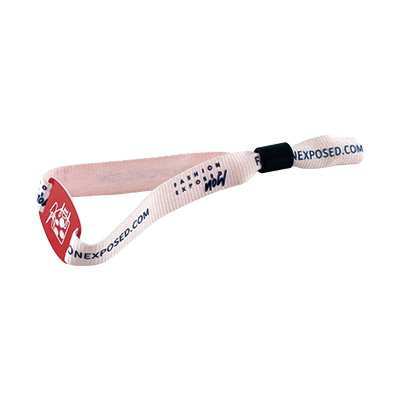
Un Insignia de empleado NFC consolida estas funciones en una credencial sin contacto. Construido con tecnología HF/NFC, La credencial funciona con lectores de acceso modernos., sistemas de gestión de visitantes, terminales de tiempo y asistencia, y muchos servicios en el lugar de trabajo. Porque se puede leer mediante NFC teléfonos inteligentes así como lectores fijos, también abre posibilidades para la incorporación digital, activación de credencial temporal, y flujos de trabajo de identidad de tocar para compartir.
Para equipos de adquisiciones y operaciones, un solo acceso con tarjeta de identificación inteligente El programa puede reducir la reemisión., simplificar la incorporación de contratistas, y mejorar la experiencia de los empleados sin requerir una revisión completa de los herrajes de las puertas existentes. Al mismo tiempo, elegir la construcción de insignia adecuada, plataforma de chips, método de codificación, y la ruta de integración determina si la implementación sigue siendo segura y escalable..
Cómo funcionan las credenciales de empleado NFC en el control de acceso moderno
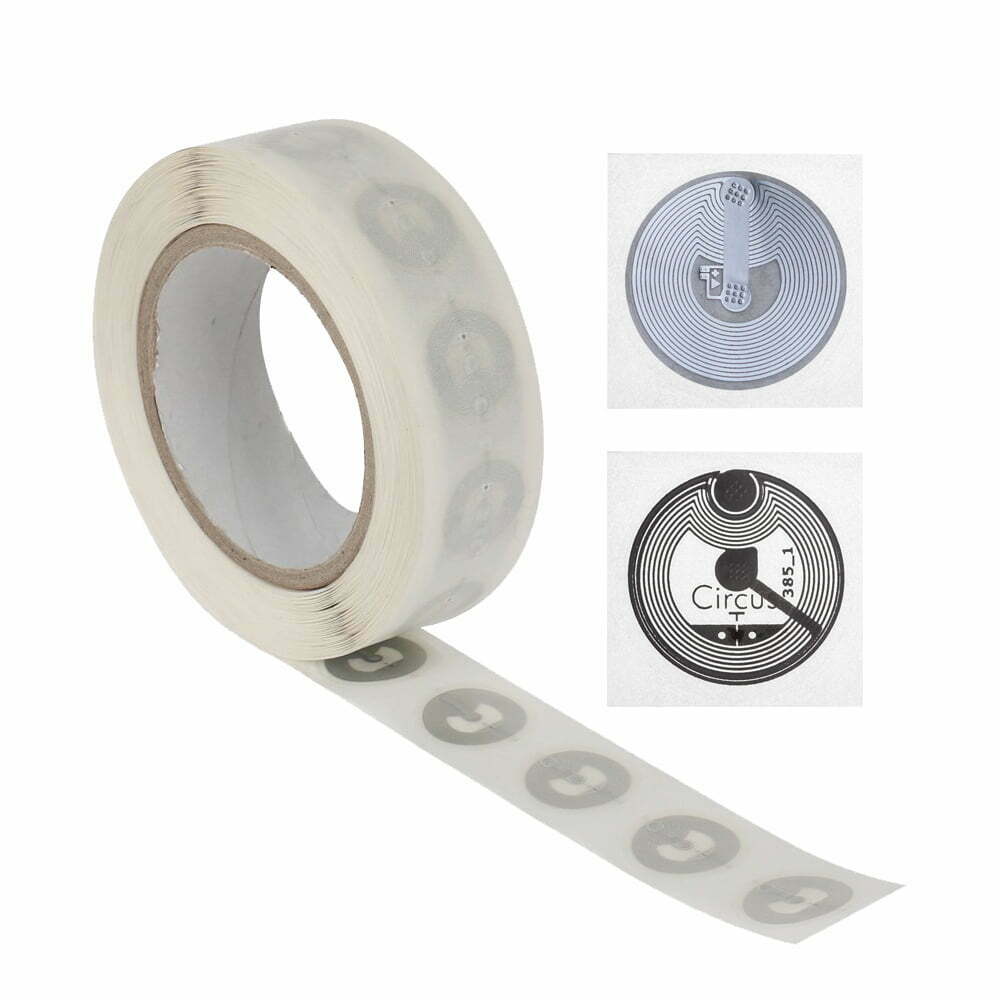
Las credenciales de empleado NFC normalmente funcionan en 13.56 MHz y cumplir con ISO 14443 o ISO 15693 estándares. Contienen un circuito integrado pasivo y una antena incrustada en un PVC., compuesto, o cuerpo de tarjeta de policarbonato. Cuando se presenta a un lector habilitado para NFC o a un teléfono inteligente moderno, La credencial extrae energía del campo del lector e intercambia datos cifrados o simples según el chip y la configuración del sistema..
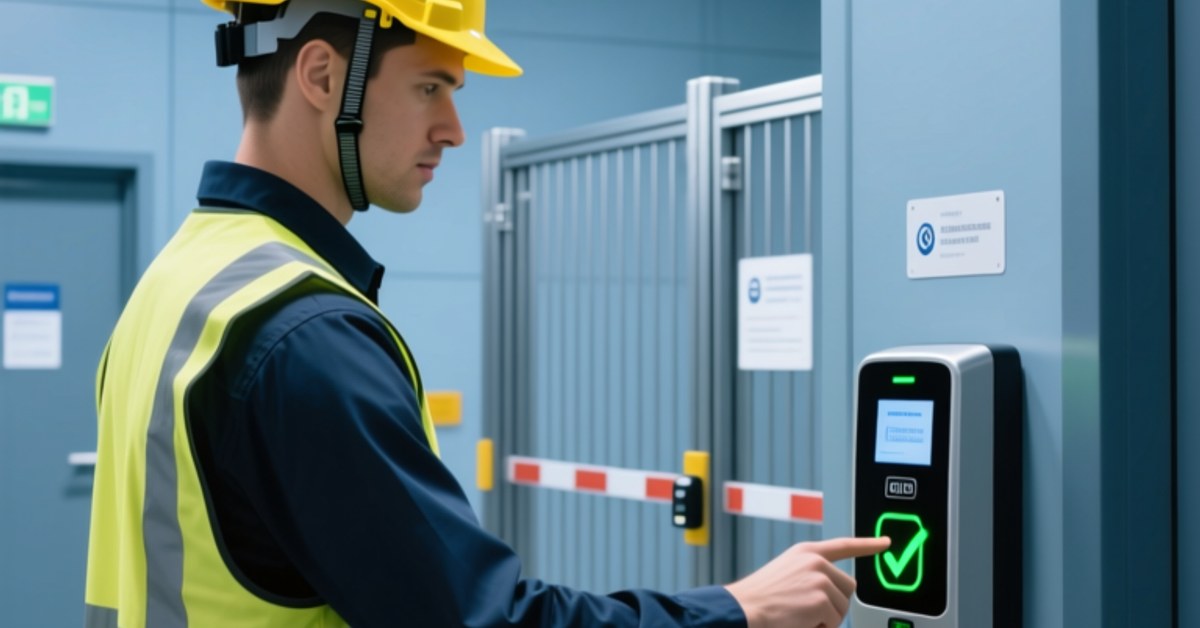
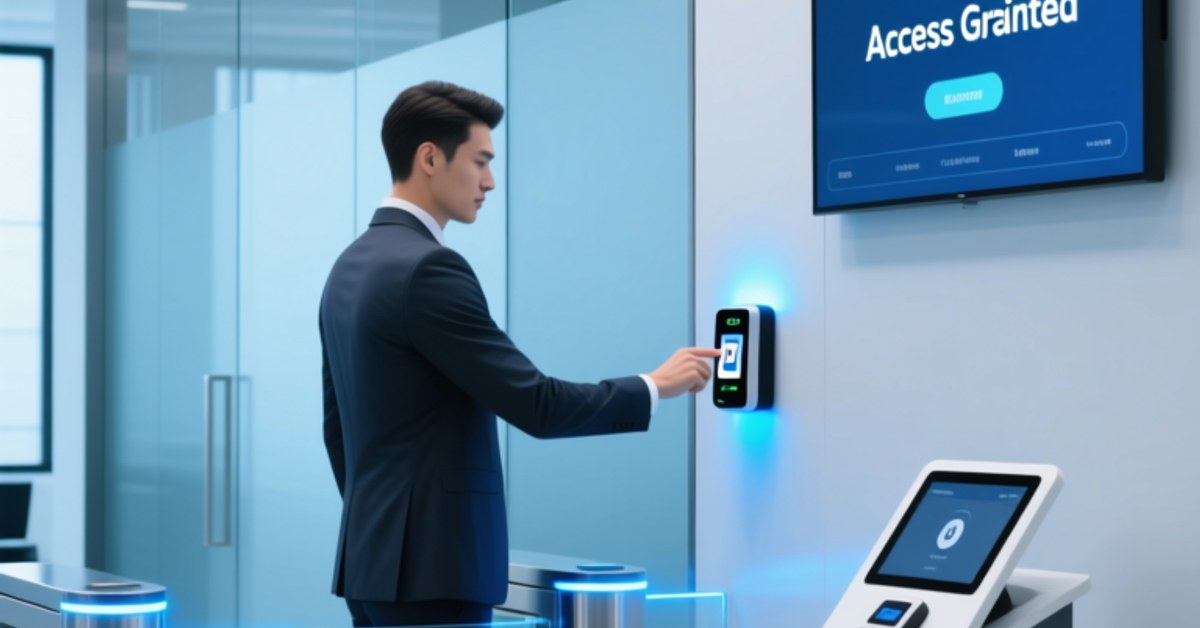
En entornos de oficina, lectores de pared en puertas, torniquetes, ascensores, y las puertas de estacionamiento se pueden integrar con el sistema de control de acceso físico. un fijo Lector de rfid o el panel lector NFC envía el identificador de la tarjeta al controlador, que valida el acceso según horarios, zonas, y niveles de autorización. La misma insignia puede admitir autenticación mutua y claves diversificadas para evitar la clonación..
Común control de acceso a oficinas NFC Los puntos de integración incluyen:
- Lectores de portero electrónico en vestíbulos, oficinas, y pisos restringidos
- Torniquetes y puertas rápidas en las entradas del campus
- Paneles de control de destino de ascensor para restricciones a nivel de piso
- Barreras de aparcamiento para el acceso de vehículos
- Puertas para salas de servidores y centros de datos con requisitos de múltiples factores
Integración del control de acceso sin reemplazar la infraestructura existente
Una preocupación común es si la implementación de tarjetas NFC obliga a un reemplazo total de lectores.. En muchos casos, no lo hace. Muchos existentes 13.56 Los lectores MHz ya soportan MIFARE DESFire, MIFARE Clásico, u otros chips compatibles con NFC. Si el sistema de acceso actual utiliza baja frecuencia heredada 125 tarjetas de proximidad kHz, Es posible que se requiera una migración gradual., pero esa migración se puede planificar agregando primero lectores compatibles con NFC en las puertas críticas.
La integración a menudo se maneja a través de la API o protocolos estándar del proveedor de PACS.. El software de control de acceso almacena el número de serie de la tarjeta o el ID de la aplicación y lo vincula a un registro de empleado.. Cuando se presenta una credencial de empleado, el sistema verifica los permisos. Para organizaciones con varios edificios o flotas de lectores mixtas, Centralizar la identidad en un directorio simplifica la gestión del ciclo de vida de las credenciales..
Los recursos internos pueden ayudar a los equipos a evaluar opciones: revisar Tarjetas y etiquetas NFC y soluciones inteligentes para el lugar de trabajo antes de seleccionar un formato de credencial.
Ventajas del diseño de insignias sin batería
Una ventaja clave de las credenciales de empleado NFC es que son pasivas y no necesitan batería.. A diferencia de activo Etiquetas RFID o insignias habilitadas para Bluetooth que requieren baterías, Las tarjetas de identificación inteligentes NFC no requieren fuente de alimentación interna. Esto tiene beneficios operativos directos.:
- Menor costo total de propiedad: Sin reemplazo de batería, muelles de carga, o baterías desechadas.
- Vida útil más larga: La insignia sigue siendo funcional siempre que el chip y la antena estén físicamente intactos..
- Sin fallos inesperados: Una placa que funciona con pilas puede fallar en la puerta; Una credencial pasiva funciona siempre que el lector esté encendido..
- Factor de forma delgado y duradero: Las tarjetas sin batería pueden ser delgadas, imprimible, y compatible con los titulares de tarjetas de identificación existentes.
- Sostenibilidad más fácil: Menos consumibles y menos residuos electrónicos respaldan los objetivos de sostenibilidad corporativa.
Para administradores de edificios, Las credenciales sin batería también significan menos tickets de asistencia técnica relacionados con credenciales inactivas.. La confiabilidad de la tecnología NFC pasiva la hace adecuada para entradas de empleados con mucho tráfico y para credenciales de contratistas que pueden permanecer sin usar durante semanas..
>
| Capacidad | Insignia NFC sin batería | Insignia activa alimentada por batería |
|---|---|---|
| Fuente de energía | Campo lector | Batería interna |
| Carga de mantenimiento | Mínimo | Reemplazo o recarga de batería |
| Rango de lectura típico | Sin contacto, corto a medio | Puede ser de mayor alcance |
| Mejor ajuste | Acceso a la puerta, identificación de empleado, pases de visitante | Seguimiento de ubicación de largo alcance o detección en tiempo real |
Materiales de tarjetas y factor de forma para credenciales de empleados
Los equipos de instalaciones a menudo pasan por alto el diseño físico de la insignia.. Para uso diario, Elija cuerpos de tarjetas que resistan el manejo frecuente, uso de cordón, y exposición ocasional a la humedad o al calor.. CLORURO DE POLIVINILO, MASCOTA, y las tarjetas compuestas de policarbonato son comunes. Es posible que se requiera una opción de fijación de clip o perforadora de ranura para cordones. Para entornos de contratistas, Los cuerpos compuestos duraderos pueden reducir las tasas de reemplazo..
Si se utiliza la misma credencial para impresión o identificación visual, Asegúrese de que la superficie de la tarjeta admita una impresión de alta calidad.. Muchas organizaciones combinan Chips NFC con fotos de empleados, departamentos, e información de contacto de emergencia. Se debe definir con anticipación un proceso de personalización preimpreso o interno porque afecta la elección de la cartulina y los consumibles de la impresora..
Utilizar los teléfonos inteligentes como credencial complementaria
Porque las insignias NFC se basan en la misma tecnología que muchas tarjetas habilitadas para NFC. teléfonos inteligentes, Las organizaciones tienen opciones para extender la identidad a billeteras de acceso móvil.. Un programa basado en credenciales no requiere pasar a los teléfonos inmediatamente, pero el formato de credencial subyacente se puede seleccionar para admitir el acceso móvil futuro si se desea. Para entradas a instalaciones donde los empleados ya llevan sus teléfonos, esto puede reducir la dependencia de la insignia. Sin embargo, Las credenciales físicas siguen siendo importantes para los visitantes., contratistas, áreas donde no se permiten teléfonos, y como credencial visiblemente identificable.
Este enfoque híbrido se analiza con más detalle en el Teléfono inteligente habilitado para NFC página.
Gestión de visitantes y contratistas
La gestión de visitantes y contratistas sigue siendo uno de los puntos más débiles en muchos programas de seguridad de oficinas.. Registros de visitantes en papel, insignias escritas a mano, y las escoltas manuales son difíciles de auditar y de escalar en todo el campus. Un programa de insignia de empleado NFC se puede ampliar a credenciales temporales para visitantes, vendedores, y contratistas. Cuando gestión de credenciales de visitante es completamente digital, Los equipos de recepción pueden emitir y revocar pases sin registros manuales..
Agilización del registro de visitantes con credenciales NFC
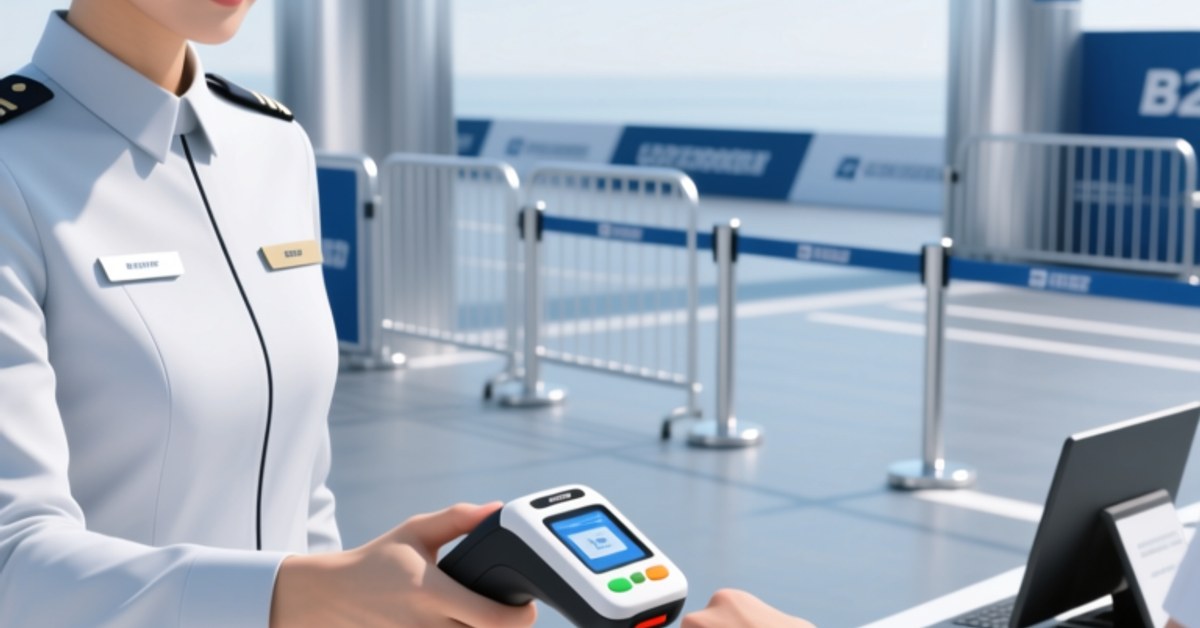
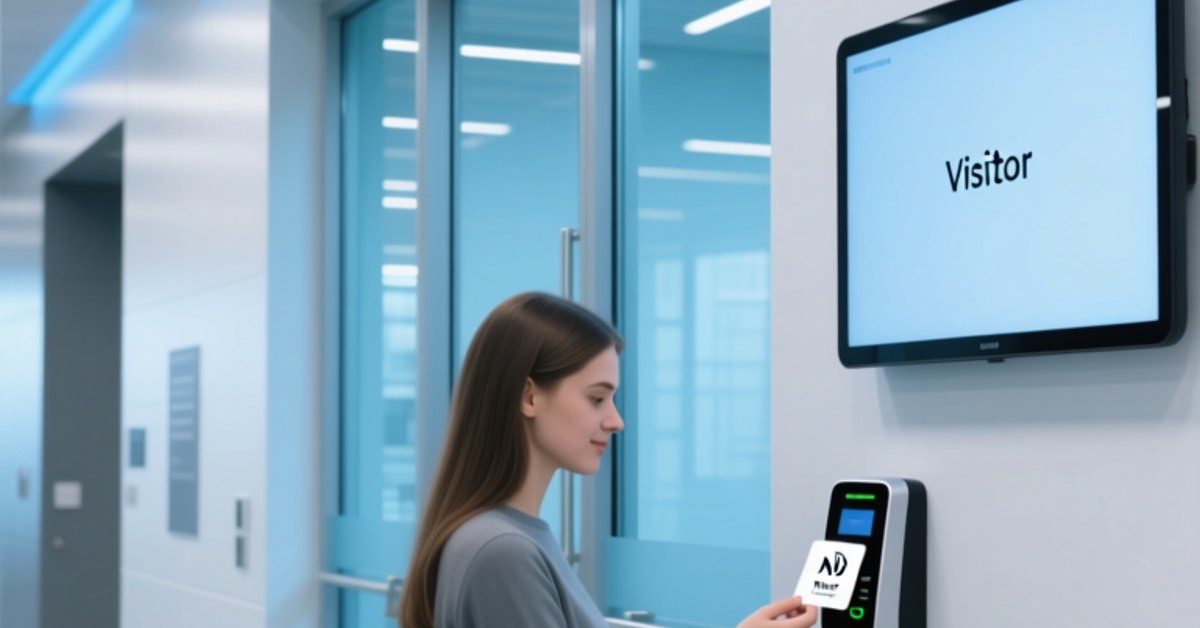
Un sistema de gestión de visitantes puede utilizar una computadora de escritorio. Lector de rfid o lector NFC en el mostrador de recepción para codificar una tarjeta temporal cuando llega un visitante. Los datos de preinscripción del sistema de gestión de visitantes se pueden vincular a un número de serie de credencial., permitir al personal de recepción emitir una credencial en segundos. La misma credencial se puede programar con:
- Ventanas horarias válidas de entrada y salida
- Acceso a pisos específicos, salas de reuniones, y espacios compartidos
- Notificación al anfitrión-empleado cuando llega el visitante
- Caducidad automática al finalizar la visita
Porque la insignia es pasiva., los visitantes no pueden desactivarlo sin darse cuenta apagando Bluetooth o quedándose sin batería. El visitante simplemente presenta la tarjeta en los lectores designados.. Al final del dia, la tarjeta regresa al grupo de recepción o se desactiva permanentemente para visitantes únicos.
Contratista y Control de Acceso Temporal
Los contratistas a menudo necesitan un acceso más amplio que los visitantes ocasionales, pero su acceso aún debería ser limitado, revocable, y auditable. Una insignia NFC de aplicaciones múltiples para contratistas puede incluir zonas designadas, restricciones de tiempo, y estado de seguridad o cumplimiento. Si termina la asignación de un contratista, el registro de identidad se puede revocar de forma centralizada, y la insignia ya no otorgará acceso.
Para equipos de instalaciones, El uso de la misma infraestructura de credenciales para empleados y contratistas reduce la necesidad de mantener un sistema de credenciales temporal separado.. También crea un seguimiento de auditoría consistente. Cuando un subcontratista se desplaza entre pisos o áreas de proyecto, la política de acceso sigue la insignia.
Insignia de múltiples aplicaciones: Una tarjeta, Muchos usos
El valor más alto de una credencial de empleado NFC se obtiene cuando se la trata como una credencial de identidad para aplicaciones múltiples en lugar de solo una llave de puerta.. Los administradores de instalaciones y TI pueden agregar servicios en el lugar de trabajo de manera incremental una vez que la base del control de acceso sea estable..
Los usos típicos de múltiples aplicaciones incluyen:
>
| Servicio en el lugar de trabajo | Caso de uso de la insignia NFC |
|---|---|
| Acceso físico | puertas, torniquetes, ascensores, aparcamiento |
| Tiempo y asistencia | Terminales de entrada y salida en áreas de trabajo |
| Acceso lógico | iniciar sesión en la computadora, vpn, liberación de la impresora cuando se combina con PKI o SSO |
| Cafetería y vending | Pago sin efectivo o saldo del plan de comidas |
| Salas de reuniones | Confirmación de reserva y check-in en panel de habitación |
| carga de vehículos eléctricos | Autenticación de empleados en estaciones de carga |
En la práctica, Una tarjeta y muchos usos requieren una estrecha coordinación entre los servicios del edificio., seguridad, y TI. Una arquitectura común utiliza PACS como fuente autorizada para el acceso a puertas y una plataforma de gestión de identidad para otros servicios.. El chip de identificación puede contener múltiples aplicaciones., pero el sistema back-end determina lo que cada servicio puede hacer. Esto mantiene la revocación centralizada.: cuando un empleado se va, todos los servicios se detienen a la vez.
Para organizaciones con fuerza laboral temporal o subcontratada, También se puede emitir una credencial de aplicaciones múltiples como credencial de contratista de funciones limitadas.. Por ejemplo, un contratista de catering puede recibir acceso a ascensores de servicio y a un piso específico durante horas definidas, más pago sin efectivo en la cafetería si está autorizado. La misma insignia no otorga acceso a edificios no relacionados.
Consideraciones de implementación para instalaciones y equipos de TI
Una implementación exitosa de la tarjeta de empleado NFC es más que seleccionar una tarjeta y un lector. Requiere alineación en materia de seguridad, instalaciones, HORA, y TI. Las siguientes consideraciones ayudan a reducir el riesgo y evitar la repetición del trabajo..
1. Definir los requisitos de seguridad y tecnología de credenciales
Elige un chip NFC plataforma que sus lectores actuales o futuros apoyan. Las consideraciones comunes incluyen el tamaño de la memoria del chip., soporte de cifrado, y si la credencial almacenará solo un número de serie o datos adicionales, como una credencial de oficina digital. Para instalaciones de alta seguridad, seleccione chips que admitan autenticación mutua y claves diversificadas en lugar de depender únicamente del número de serie de la tarjeta.
2. Planificar flujos de trabajo de inscripción y codificación
La personalización se puede realizar internamente con un lector RFID de escritorio y un software de impresión de credenciales., o mediante un servicio de credencial precodificada. Si utiliza una oficina externa, definir cómo se transfieren los datos de los empleados, cómo se importan los números de serie de las tarjetas al sistema de acceso, y cómo se verifica el control de calidad. Para credenciales de visitante y contratista, asegúrese de que la recepción tenga un sistema simple, proceso de codificación repetible.
3. Piloto antes del lanzamiento completo
Comience con un edificio, un piso, o un pequeño grupo de empleados. Validar el rendimiento del lector, orientación de la insignia, Efectos de cordón y soporte., y latencia del sistema. Un piloto también ayuda a identificar casos extremos, como los lectores de tecnología dual., acceso a la puerta, e integración de ascensores. Utilice el programa piloto para perfeccionar los materiales de capacitación internos antes de expandirlos por todo el campus..
4. Establecer gestión de revocación y ciclo de vida
Las credenciales perdidas o robadas deben revocarse inmediatamente. El software de control de acceso debería permitir a los equipos de RR.HH. o de seguridad desactivar una credencial y emitir un reemplazo sin afectar otros servicios.. Un ciclo de vida de credenciales claro: solicitud, aprobar, codificar, asignar, suspender, renovar, revocar: mantiene el sistema auditable y reduce las cuentas huérfanas.
5. Abordar la privacidad y la comunicación con los empleados
Porque las insignias NFC pueden admitir múltiples servicios, ser transparente sobre qué datos se almacenan y cómo se utilizan. Comunicar si la credencial almacena solo un identificador o datos personales adicionales. Para ubicaciones donde los empleados pueden estar preocupados por las interacciones entre toques y teléfonos inteligentes, aclarar que las credenciales de empleado NFC no transmiten datos a menos que se presenten a un lector.
6. Evite errores comunes de implementación
Varios problemas pueden descarrilar una implementación sólida de la insignia NFC:
- Saltarse una encuesta del sitio del lector: Es posible que los controladores de puertas y los modelos de lectores existentes no admitan el chip NFC seleccionado.
- Usar el número de serie de la tarjeta como único control de seguridad: Los números de serie se pueden clonar. Utilice autenticación segura cuando estén involucradas áreas de alto riesgo.
- Codificar todas las aplicaciones antes de que el control de acceso sea estable: Es más fácil agregar servicios después de que el acceso físico funcione de manera confiable.
- Descuidar la comunicación con los empleados: La confusión sobre cómo y dónde utilizar la insignia puede aumentar la carga del servicio de asistencia técnica.
- Tratar las credenciales de visitantes y contratistas como una ocurrencia de último momento: Las credenciales temporales necesitan los mismos controles de ciclo de vida que las credenciales de los empleados.
Construyendo el caso de negocio para las insignias NFC de empleados
Los administradores de instalaciones y TI a menudo necesitan justificar la migración de credenciales heredadas. Los argumentos más fuertes son la eficiencia operativa., mejora de la seguridad, y menor costo del ciclo de vida de las credenciales. En lugar de centrarse únicamente en el precio del hardware, evaluar el costo total durante tres a cinco años. Las credenciales sin batería eliminan el reemplazo de la batería y reducen la reemisión, y la consolidación de múltiples credenciales en una sola insignia reduce la complejidad administrativa.
Un caso de negocio práctico incluye:
- Soporte de escritorio reducido para credenciales perdidas o rotas
- Procesamiento de visitantes más rápido en recepción
- Mejores pistas de auditoría para contratistas y acceso temporal
- Costo eliminado de comida separada., imprimir, y tarjetas de estacionamiento
- Menos intervenciones manuales para la baja y la revocación de acceso
De credenciales fragmentadas a una identificación inteligente
Las oficinas corporativas se están alejando de las tarjetas de proximidad separadas, pases de visitante en papel, y distintivos de un solo propósito. Una credencial de empleado NFC proporciona un camino práctico hacia una identidad unificada identidad NFC en el lugar de trabajo que mejora la seguridad, reduce la carga administrativa, y respalda las operaciones diarias desde el acceso a la puerta hasta el pago del almuerzo.. Centrándose en el diseño de insignias sin batería, integración con el control de acceso existente, gestión de visitantes y contratistas, y preparación para múltiples aplicaciones, Las instalaciones y los administradores de TI pueden implementar un sistema que se adapta a la organización..
Preguntas frecuentes
¿Las credenciales NFC de los empleados son lo suficientemente seguras para el acceso a la oficina??
Sí, cuando se implementa con cifrado y políticas de acceso adecuadas. Elija chips de identificación que admitan la autenticación mutua y utilice un sistema de control de acceso físico que valide claves diversificadas.. Evite depender únicamente de los números de serie para áreas de alta seguridad.
¿Las insignias NFC funcionan con lectores de tarjetas existentes??
Muchos modernos 13.56 Los lectores de MHz ya admiten tarjetas compatibles con NFC. Si su sistema actual utiliza legado 125 tarjetas de proximidad kHz, Es posible que sea necesaria una actualización gradual del lector.. Una encuesta del sitio identificará brechas de compatibilidad.
¿Las credenciales de visitante pueden caducar automáticamente??
Sí. Las credenciales temporales se pueden programar con restricciones de fecha y hora.. Una vez pasada la ventana de acceso, el PACS niega la entrada incluso si se conserva la credencial física.
¿Se puede utilizar una tarjeta NFC para aparcar?, impresión, y pago de cafetería?
Sí. Una insignia NFC de aplicaciones múltiples se puede dividir para acceso físico, tiempo y asistencia, acceso lógico, y servicios de valor almacenado. Planifique la estructura de la memoria del chip antes del lanzamiento para simplificar la expansión futura..
¿Qué sucede cuando un empleado pierde una credencial??
La credencial se puede revocar inmediatamente en el sistema de control de acceso y emitir un reemplazo sin cambiar el hardware físico de la puerta.. Esto protege las instalaciones del uso no autorizado sin molestar a otros empleados..
¿Es necesario cargar las insignias NFC sin batería??
No. Las tarjetas NFC pasivas obtienen energía del campo del lector, por lo que no necesitan pilas ni carga. Esto reduce el mantenimiento y elimina el tiempo de inactividad debido a baterías agotadas..
Modernice el acceso a su lugar de trabajo con NFC
La tecnología NFCWORK ayuda a las instalaciones corporativas y a los integradores a diseñar programas prácticos de credenciales NFC para empleados, desde control de acceso hasta gestión de visitantes e identidad de múltiples aplicaciones..
- Guía para la implementación de tarjetas de identificación inteligentes sin batería
- Lector, tarjeta, y soporte de compatibilidad de codificación
- Flujos de trabajo escalables de credenciales de visitantes y contratistas
Habla con nuestro equipo sobre tu proyecto de identidad NFC en el lugar de trabajo o explorar Productos NFC.