Einführung
Im Zuge der Weiterentwicklung tragbarer Elektronik – von intelligenten Ringen und medizinischen Pflastern bis hin zu Silikonarmbändern und vernetzter Kleidung – ist sie zuverlässig, Die miniaturisierte NFC-Funktionalität ist nicht mehr optional. Für Hersteller, das Richtige auswählen NFC-Inlay tragbar oder NFC-Modul OEM Partner wirkt sich direkt auf die Leistung aus, Einhaltung, und Time-to-Market. Dieser Leitfaden liefert eine kurze Zusammenfassung, Umsetzbares Beschaffungs-Framework, das auf realen NFC-Komponentenfunktionen basiert, die über verfügbar sind RFIDHY, RFIDTAGHY, NFCWORK, Und ArmbandHY.
Was sind NFC-Inlays und -Module??
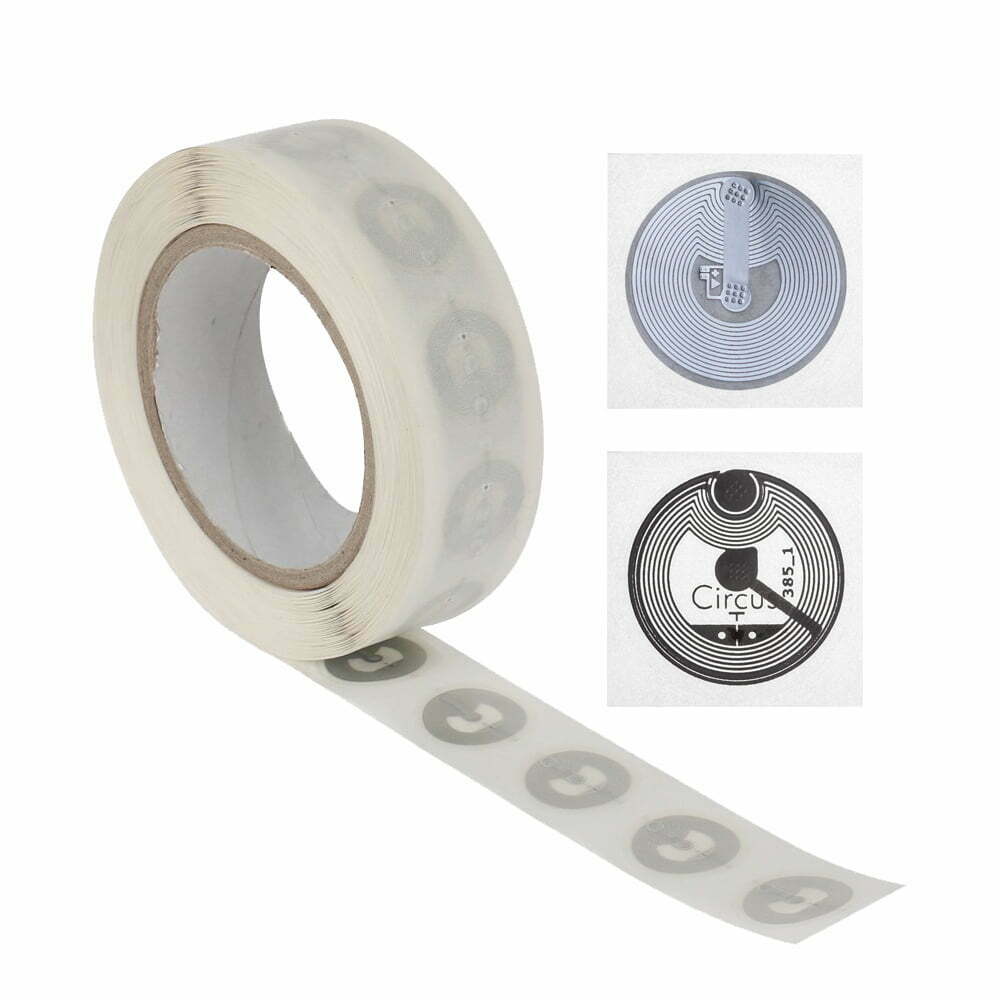
Ein NFC-Inlay besteht aus einer Antenne und einem integrierten Schaltkreis (IC) auf einem Substrat montiert – typischerweise PET, flexible gedruckte Schaltung (FPC), oder Textil. Ein NFC-Modul Fügt Schutzgehäuse oder Trägerfunktionen hinzu (Z.B., selbstklebende Rückseite, Overmold-Kompatibilität, oder SMD-Pads) für die robuste Integration in Wearables. – Erfahren Sie mehr über Hotel-NFC-Lösung.
Leitfaden zur Chip-Auswahl
Die Wahl des richtigen IC bestimmt die Speicherkapazität, Sicherheit, Power-Modus, und Schnittstellenfähigkeit. Nachfolgend finden Sie einen Vergleich weit verbreiteter Chips, die mit NFCWORK und kompatibel sind RFIDHY Einlagen: – Erfahren Sie mehr über RFID-Thermoarmband.
>
| Chiptyp | Erinnerung | Sicherheitsstufe | I²C-Unterstützung | Typischer Anwendungsfall |
|---|---|---|---|---|
| NXP -Rand 213/215/216 | 144–888 Byte | Grundlegender Passwortschutz | NEIN | Passive Authentifizierung, digitaler Produktpass (DPP) Tags ein Digitaler Produktpass |
| NXP NTAG I²C Plus | 1 KB-EEPROM + 1 KB RAM | Sichere Elementunterstützung | Ja | Bidirektionale Smartwatches & Gesundheits-Wearables |
| NXP MIFARE DESFire EV3 | 2–8 KB | CC EAL5+, AES-256 | NEIN | Sichere Zugangskontrolle in Intelligente tragbare Identifizierung |
| STMicroelectronics ST25DV | 2–64 KB | I²C + RF-Dual-Schnittstelle | Ja | Medizinische Dual-Mode-Pflaster und waschbare, intelligente Kleidungsstücke |
Antennensubstrattypen
Der Untergrund definiert Flexibilität, Haltbarkeit, und Umweltresistenz:
>
| Substrat | Vorteile | Nachteile |
|---|---|---|
| HAUSTIER | Niedrige Kosten, hohe Konsistenz, Ideal zum Laminieren | Begrenzter Biegeradius; nicht für enge Kurven geeignet |
| FPC (Flexible Leiterplatte) | Hervorragende Anpassungsfähigkeit, unterstützt die SMD-Integration | Höhere Kosten; erfordert eine präzise Handhabung |
| Textil | Waschbar, atmungsaktiv, nahtlose Kleidungsstückintegration | Geringere Lesereichweite; spezielles Tuning erforderlich |
Modulformfaktoren
Passen Sie das physische Format an Ihren Herstellungsprozess an:
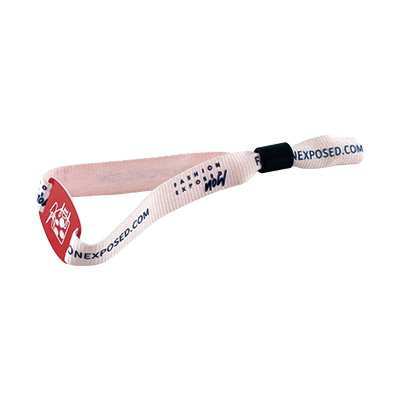
- Nasse Inlay: Mit selbstklebender Rückseite – ideal zum Einlaminieren in Silikonarmbänder (ArmbandHY) oder Stofflagen
- Trockeneinlage: Kein Klebstoff – konzipiert für das Einspritzen in starre Wearables
- SMD-Modul: Oberflächenmontierbar – wird in PCB-basierten Smartwatches und Trackern verwendet
- Umspritzbares Modul: Eingekapselt in Thermoplast oder Silikon – optimiert für Intelligente tragbare Identifizierung Anwendungen, die eine IP67+-Abdichtung erfordern
Überlegungen zur Beschaffung
Lieferzeiten, MOQs, und Qualitätssicherung sind für die Produktionsplanung von entscheidender Bedeutung:
- Mindestbestellmenge: 1,000–10.000 Einheiten für Standardeinlagen; ≥10.000 für kundenspezifische Designs
- Vorlaufzeit: 2–4 Wochen für Lagerartikel (Z.B., RFIDTAGHY HF-Einlagen); 6–8 Wochen für kundenspezifische Antennenabstimmung oder Substratentwicklung
- Qualitätsstandards: ISO/IEC 14443-A/B und 15693 Einhaltung; ±5 % Antennenabstimmungstoleranz; Haftungsprüfung gemäß ASTM D3359
Benutzerdefiniert vs. Standardeinlagen
>
| Faktor | Standardeinlagen | Benutzerdefinierte Inlays |
|---|---|---|
| Time-to-Market | 2–3 Wochen | 6–10 Wochen |
| Kosten pro Einheit | Untere (Größenvorteile) | Höher (NRE + Werkzeuge) |
| Designflexibilität | Begrenzt auf Katalogmaße | Volle Form, Größe, Farbe, und Substratkontrolle |
| Verwenden Sie Wann | Frühzeitige Validierung der NFC-Funktionalität oder Einführung von MVP | Treffen Sie einzigartige Ergonomie, Branding, oder regulatorische Anforderungen |
Best Practices für die Integration
Um die NFC-Leistung in eingeschränkten tragbaren Formfaktoren aufrechtzuerhalten: – Erfahren Sie mehr über RFID-Starterkit.
- Halten Sie einen Abstand von ≥3 mm zur Antenne um Metall oder leitfähige Materialien in Gehäusen ein
- Validieren Sie die NFC-Lesereichweite nach dem Umspritzen mithilfe von Referenzgeräten (Z.B., Samsung Galaxy S23, iPhone 14/15)
- Führen Sie eine Validierung vor der Produktion mit mindestens drei NFC-fähigen Geräten durch Smartphones auf Android- und iOS-Plattformen
Empfohlene Chip-Substrat-Kombinationen
>
| Tragbarer Typ | Empfohlener Chip | Optimaler Untergrund |
|---|---|---|
| Silikonarmband | NTAG 215 | Nasseinlage aus PET |
| Intelligenter Ring | MIFARE DESFire EV3 | FPC-Trockeneinlage |
| Stoffband | ST25DV | Textileinlage |
| Smartwatch | NTAG I²C Plus | FPC SMD-Modul |
| Medizinischer Patch | ST25DV | Textiles oder medizinisches PET |
FAQ
- Tun RFIDHY und NFCWORK bieten OEM-Unterstützung für kundenspezifische NFC-Inlays?
Ja – beides RFIDHY Und NFCWORK bieten umfassende OEM-Dienstleistungen einschließlich Antennendesign, Chip-Anpassung, und Substrattechnik für qualifizierte Hersteller tragbarer Geräte. - Entsprechen NFC-Inlays den DPP-Anforderungen der EU??
Alle NTAG- und DESFire-basierte Inlays von RFIDTAGHY Und NFCWORK unterstützen NDEF-konforme Datenstrukturen, die für die Implementierung des Digital Product Passport erforderlich sind. - Kann ich NFC-Inlays testen, bevor ich größere Mengen bestelle??
Ja – Musterkits (einschließlich PET, FPC, und Textilvarianten) sind auf Anfrage erhältlich unter KONTAKTIEREN SIE UNS. - Welche Zertifizierungen tragen Ihre NFC-Module??
Produkte entsprechen ISO/IEC 14443-A/B, Ce, FCC, und RoHS. Textileinlagen in medizinischer Qualität entsprechen ISO 10993 ggf. Biokompatibilitätsstandards.
Bereit, NFC in Ihr nächstes Wearable zu integrieren?
Kontaktieren Sie unser Engineering-Team kostenlos Beratung zu NFC-Inlays, individuelle Machbarkeitsprüfung, und Musteranfrage. Wir unterstützen NFC-Modul OEM Partnerschaften mit skalierbarer Produktion, Rapid Prototyping, und vollständige Dokumentation – alles unterstützt durch die globale Lieferkette von RFIDHY und NFCWORK.