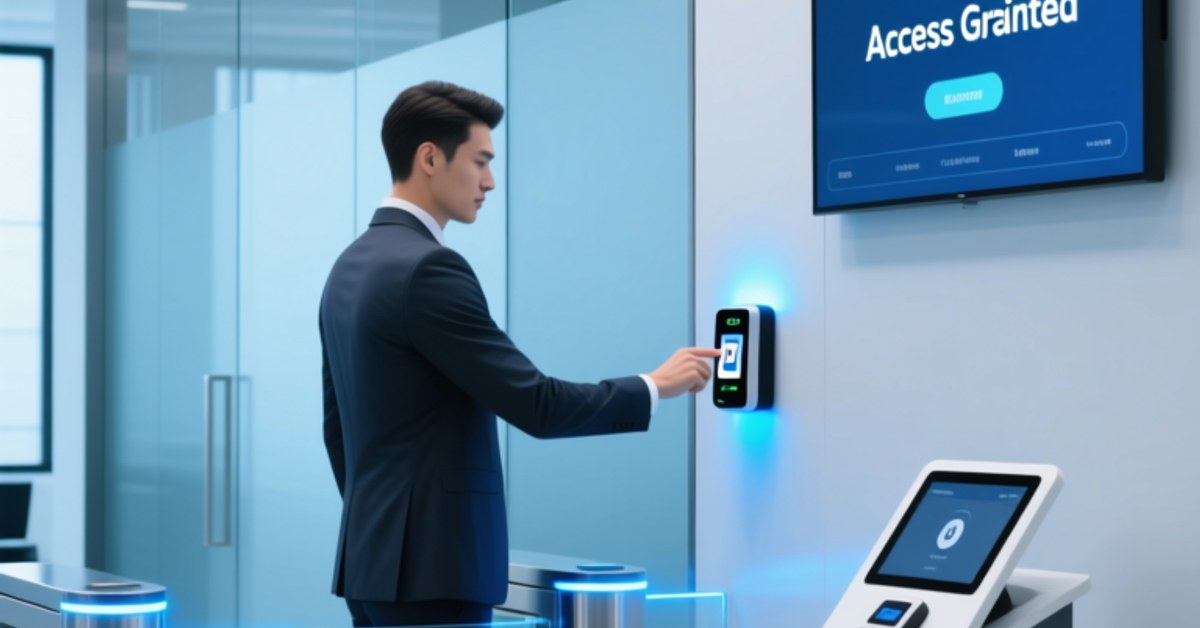
Der Übergang zu einem einzigen Arbeitsplatzausweis
Unternehmenseinrichtungen und IT-Leiter stehen unter dem Druck, den Zugang von Mitarbeitern zu Gebäuden zu vereinfachen, gemeinsame Dienste nutzen, und bewegen Sie sich durch den Arbeitstag. Herkömmliche Setups erfordern oft mehrere Anmeldeinformationen: eine Proximity-Karte für Türen, ein Besucherausweis in Papierform, eine separate ID zum Ausdrucken, und eine weitere Karte für die Bezahlung in der Cafeteria. Diese Fragmentierung führt zu Verwaltungsaufwand und Sicherheitslücken.
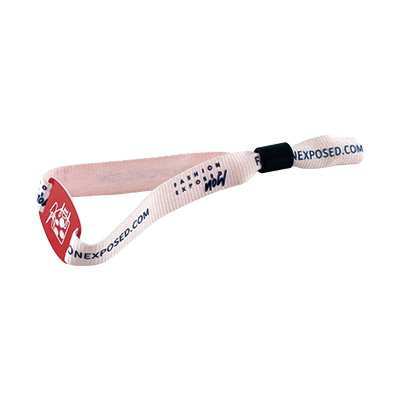
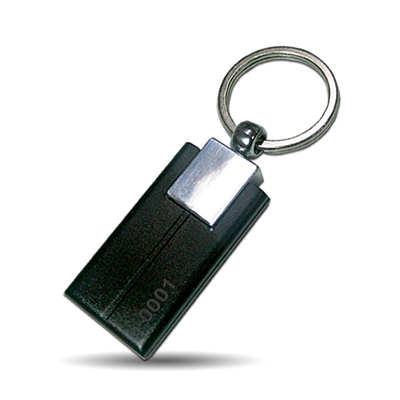
Ein NFC-Mitarbeiterausweis bündelt diese Funktionen in einem kontaktlosen Ausweis. Basierend auf HF/NFC-Technologie, Der Ausweis funktioniert mit modernen Zutrittslesern, Besuchermanagementsysteme, Zeiterfassungsterminals, und viele Dienstleistungen am Arbeitsplatz. Weil es per NFC-fähig gelesen werden kann Smartphones sowie feste Leser, Es eröffnet auch Möglichkeiten für digitales Onboarding, temporäre Aktivierung der Anmeldeinformationen, und Tap-to-Share-Identitätsworkflows.
Für Beschaffungs- und Betriebsteams, eine Single Zugang per Smart-ID-Karte Das Programm kann die Neuausstellung reduzieren, Vereinfachen Sie das Onboarding von Auftragnehmern, und verbessern Sie das Mitarbeitererlebnis, ohne dass eine vollständige Überholung der vorhandenen Türbeschläge erforderlich ist. Gleichzeitig, Auswahl der richtigen Abzeichenkonstruktion, Chip-Plattform, Codierungsmethode, und der Integrationspfad bestimmt, ob die Bereitstellung sicher und skalierbar bleibt.
Wie NFC-Mitarbeiterausweise in der modernen Zugangskontrolle funktionieren
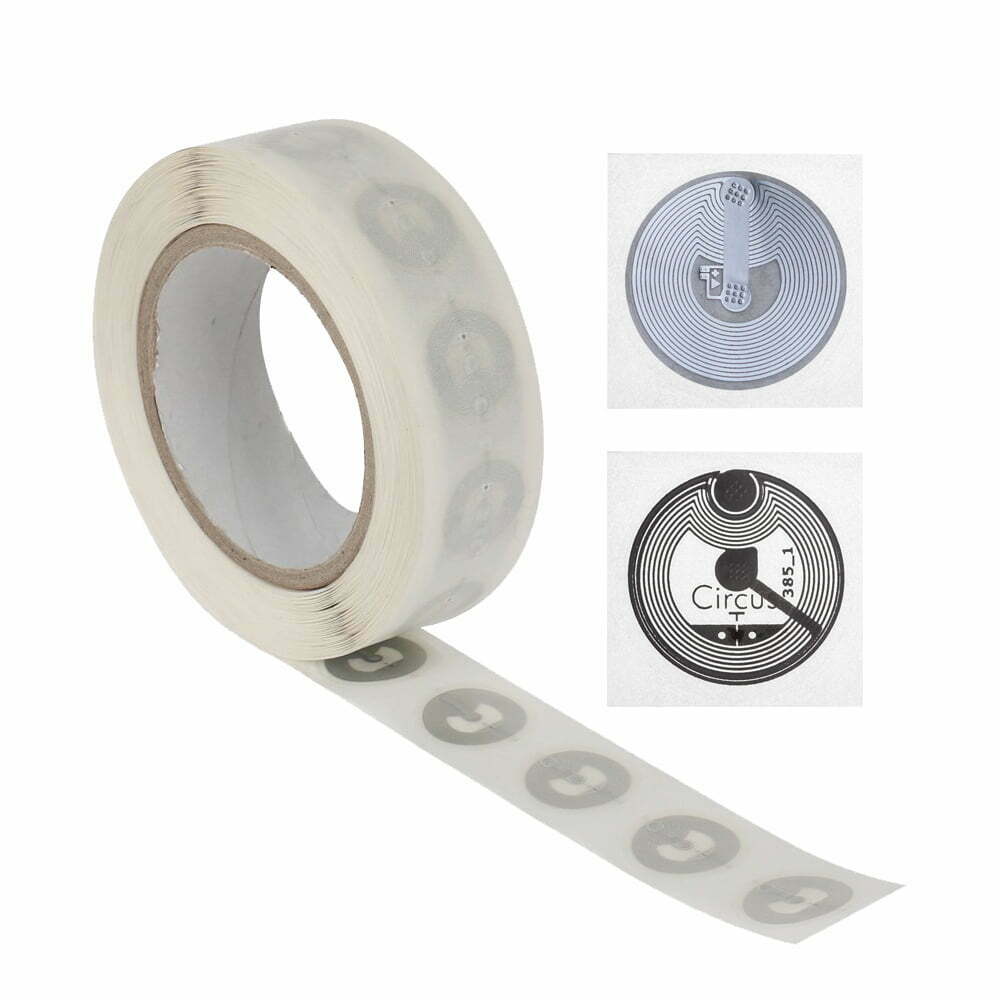
NFC-Mitarbeiterausweise funktionieren normalerweise bei 13.56 MHz und entsprechen ISO 14443 oder ISO 15693 Standards. Sie enthalten einen passiven integrierten Schaltkreis und eine in PVC eingebettete Antenne, zusammengesetzt, oder Polycarbonat-Kartenkörper. Bei Präsentation an einem NFC-fähigen Lesegerät oder einem modernen Smartphone, Der Badge bezieht Energie aus dem Lesefeld und tauscht je nach Chip- und Systemkonfiguration verschlüsselte oder unverschlüsselte Daten aus.
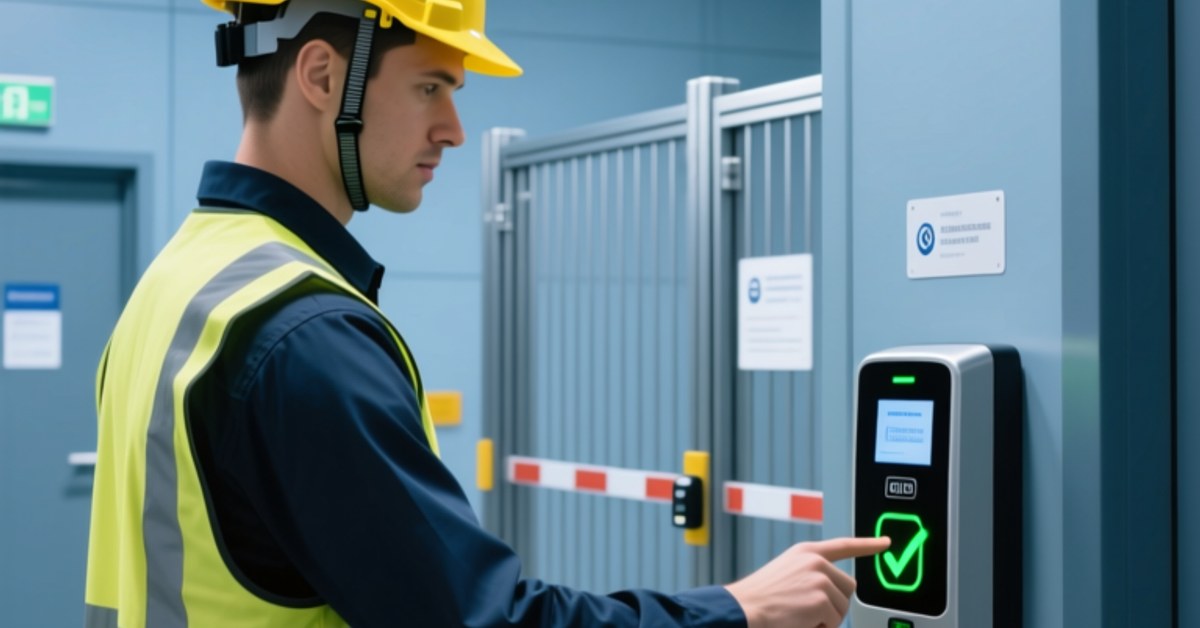
In Büroumgebungen, Wandleser an Türen, Drehkreuze, Aufzüge, und Parkschranken können in das physische Zugangskontrollsystem integriert werden. Eine feste RFID -Leser oder das NFC-Lesefeld sendet die Ausweiskennung an den Controller, die den Zugriff anhand von Zeitplänen validiert, Zonen, und Freigabeniveaus. Derselbe Badge kann gegenseitige Authentifizierung und unterschiedliche Schlüssel unterstützen, um das Klonen zu verhindern.
Gemeinsam Bürozugangskontrolle NFC Integrationspunkte umfassen:
- Türleser in Lobbys, Büros, und eingeschränkte Böden
- Drehkreuze und Geschwindigkeitstore an den Campuseingängen
- Aufzugszielkontrolltafeln für Beschränkungen auf Bodenhöhe
- Parkschranken für die Zufahrt von Fahrzeugen
- Serverraum- und Rechenzentrumstüren mit Multi-Faktor-Anforderungen
Integration der Zugangskontrolle, ohne die vorhandene Infrastruktur zu ersetzen
Eine häufige Sorge besteht darin, ob der Einsatz von NFC-Ausweisen einen umfassenden Austausch des Lesegeräts erzwingt. In vielen Fällen, das tut es nicht. Viele vorhanden 13.56 MHz-Lesegeräte unterstützen bereits MIFARE DESFire, MIFARE Classic, oder andere NFC-kompatible Chips. Wenn das aktuelle Zugangssystem ältere Niederfrequenzen verwendet 125 kHz-Proximity-Karten, Möglicherweise ist eine schrittweise Migration erforderlich, Diese Migration kann jedoch geplant werden, indem zunächst NFC-fähige Lesegeräte an kritischen Türen angebracht werden.
Die Integration erfolgt häufig über die API des PACS-Anbieters oder Standardprotokolle. Die Zutrittskontrollsoftware speichert die Seriennummer der Karte oder die Anwendungs-ID und verknüpft sie mit einem Mitarbeiterdatensatz. Bei Vorlage eines Mitarbeiterausweises, Das System prüft die Berechtigungen. Für Organisationen mit mehreren Gebäuden oder gemischten Leserflotten, Durch die Zentralisierung der Identität in einem Verzeichnis wird die Verwaltung des Badge-Lebenszyklus vereinfacht.
Interne Ressourcen können Teams bei der Bewertung von Optionen unterstützen: Rezension NFC-Karten und Tags Und Intelligente Arbeitsplatzlösungen bevor Sie ein Anmeldeinformationsformat auswählen.
Vorteile des batterielosen Badge-Designs
Ein wesentlicher Vorteil von NFC-Mitarbeiterausweisen besteht darin, dass sie passiv und batterielos sind. Im Gegensatz zu aktiv RFID -Tags oder Bluetooth-fähige Ausweise, die Batterien erfordern, NFC-Smart-ID-Karten benötigen keine interne Stromquelle. Dies hat direkte betriebliche Vorteile:
- Niedrigere Gesamtbetriebskosten: Kein Batteriewechsel, Ladestationen, oder entsorgte Batterien.
- Längere Lebensdauer: Der Badge bleibt funktionsfähig, solange Chip und Antenne physisch intakt sind.
- Keine unerwarteten Ausfälle: Ein batteriebetriebener Ausweis kann an der Tür versagen; Ein passiver Ausweis funktioniert, solange das Lesegerät mit Strom versorgt wird.
- Schlanker und robuster Formfaktor: Batterielose Karten können dünn sein, druckbar, und kompatibel mit vorhandenen Ausweishaltern.
- Einfachere Nachhaltigkeit: Weniger Verbrauchsmaterialien und weniger Elektroschrott unterstützen die Nachhaltigkeitsziele des Unternehmens.
Für Gebäudemanager, Batterielose Ausweise bedeuten auch weniger Helpdesk-Tickets im Zusammenhang mit ungültigen Zugangsdaten. Dank der Zuverlässigkeit der passiven NFC-Technologie eignet sie sich für stark frequentierte Mitarbeitereingänge und für Auftragnehmerausweise, die möglicherweise wochenlang unbenutzt bleiben.
>
| Fähigkeit | Batterieloses NFC-Abzeichen | Batteriebetriebener aktiver Ausweis |
|---|---|---|
| Stromquelle | Leserfeld | Interner Akku |
| Wartungsaufwand | Minimal | Batteriewechsel oder Aufladen |
| Typischer Lesebereich | Kontaktlos, kurz bis mittel | Kann eine größere Reichweite haben |
| Beste Passform | Türzugang, Mitarbeiter-ID, Besucherausweise | Standortverfolgung über große Entfernungen oder Echtzeiterfassung |
Kartenmaterialien und Formfaktor für Mitarbeiterausweise
Facility-Teams übersehen oft das physische Design des Abzeichens. Für den täglichen Gebrauch, Wählen Sie Kartenkörper, die einer häufigen Handhabung standhalten, Lanyard-Nutzung, und gelegentliche Einwirkung von Feuchtigkeit oder Hitze. PVC, HAUSTIER, und Polycarbonat-Verbundkarten sind üblich. Für Lanyards ist möglicherweise eine Schlitzstanze oder eine Clip-Befestigungsoption erforderlich. Für Auftragnehmerumgebungen, Langlebige Verbundkörper können die Austauschraten reduzieren.
Wenn derselbe Berechtigungsnachweis zum Drucken oder zum visuellen Ausweis verwendet wird, Stellen Sie sicher, dass die Kartenoberfläche einen hochwertigen Druck unterstützt. Viele Organisationen schließen sich zusammen NFC -Chips mit Mitarbeiterfotos, Abteilungen, und Notfallkontaktinformationen. Ein vorgedruckter oder firmeninterner Personalisierungsprozess sollte frühzeitig definiert werden, da er sich auf die Wahl des Kartenmaterials und der Druckerverbrauchsmaterialien auswirkt.
Verwendung von Smartphones als ergänzende Qualifikation
Denn NFC-Ausweise basieren auf der gleichen Technologie wie viele NFC-fähige Ausweise Smartphones, Organisationen haben die Möglichkeit, die Identität auf Wallets mit mobilem Zugriff auszuweiten. Ein Badge-basiertes Programm erfordert nicht den sofortigen Umstieg auf Telefone, Das zugrunde liegende Anmeldeinformationsformat kann jedoch bei Bedarf ausgewählt werden, um den zukünftigen mobilen Zugriff zu unterstützen. Für Einrichtungen, bei denen Mitarbeiter bereits ihre Telefone bei sich tragen, Dies kann die Badge-Abhängigkeit verringern. Jedoch, Physische Ausweise bleiben für Besucher wichtig, Auftragnehmer, Bereiche, in denen Telefone nicht gestattet sind, und als sichtbar erkennbarer Ausweis.
Dieser hybride Ansatz wird im Folgenden ausführlicher besprochen NFC-fähiges Smartphone Seite.
Besucher- und Auftragnehmermanagement
Das Besucher- und Auftragnehmermanagement bleibt einer der Schwachpunkte vieler Bürosicherheitsprogramme. Besucherprotokolle in Papierform, handgeschriebene Abzeichen, und manuelle Begleitpersonen sind schwer zu prüfen und auf dem gesamten Campus schwer zu skalieren. Ein NFC-Mitarbeiterausweisprogramm kann auf temporäre Ausweise für Besucher ausgeweitet werden, Anbieter, und Auftragnehmer. Wann Besucherausweisverwaltung ist vollständig digital, Rezeptionsteams können Ausweise ohne manuelle Protokolle ausstellen und widerrufen.
Optimieren Sie den Besucher-Check-in mit NFC-Ausweisen
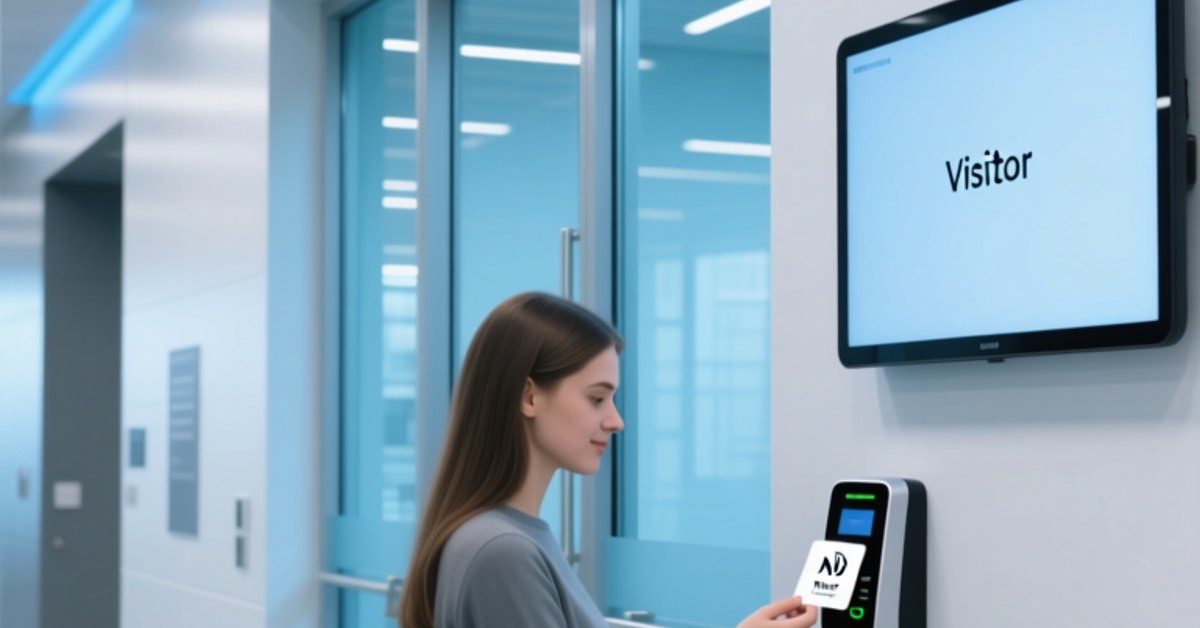
Ein Besuchermanagementsystem kann einen Desktop verwenden RFID -Leser oder NFC-Lesegerät an der Rezeption, um bei Ankunft eines Besuchers einen temporären Ausweis zu kodieren. Vorregistrierungsdaten aus dem Besuchermanagementsystem können mit einer Badge-Seriennummer verknüpft werden, So kann das Personal an der Rezeption in Sekundenschnelle einen Ausweis ausstellen. Derselbe Ausweis kann mit programmiert werden:
- Gültige Ein- und Ausstiegszeitfenster
- Zugang zu bestimmten Etagen, Tagungsräume, und Gemeinschaftsräume
- Benachrichtigung des Gastgebers und des Mitarbeiters, wenn der Besucher ankommt
- Automatischer Ablauf am Ende des Besuchs
Weil das Abzeichen passiv ist, Besucher können es nicht versehentlich deaktivieren, indem sie Bluetooth ausschalten oder der Akku leer ist. Der Besucher legt die Karte einfach an den dafür vorgesehenen Lesegeräten vor. Am Ende des Tages, Der Ausweis kehrt zum Empfangsbecken zurück oder wird für einmalige Besucher dauerhaft deaktiviert.
Auftragnehmer und temporäre Zugangskontrolle
Auftragnehmer benötigen häufig einen breiteren Zugang als einmalige Besucher, Ihr Zugang sollte jedoch weiterhin eingeschränkt sein, widerruflich, und überprüfbar. Ein multifunktionaler NFC-Ausweis für Auftragnehmer kann bestimmte Zonen umfassen, Zeitbeschränkungen, und Sicherheits- oder Compliance-Status. Wenn ein Auftragnehmerauftrag endet, Der Identitätsdatensatz kann zentral widerrufen werden, und der Ausweis gewährt keinen Zutritt mehr.
Für Facility-Teams, Durch die Verwendung derselben Berechtigungsinfrastruktur für Mitarbeiter und Auftragnehmer verringert sich die Notwendigkeit, ein separates temporäres Ausweissystem zu unterhalten. Außerdem wird ein konsistenter Prüfpfad erstellt. Wenn ein Subunternehmer zwischen Stockwerken oder Projektbereichen wechselt, Die Zugriffsrichtlinie folgt dem Badge.
Mehrfachanwendungsabzeichen: Eine Karte, Viele Verwendungsmöglichkeiten
Der größte Wert eines NFC-Mitarbeiterausweises entsteht, wenn er als Identitätsnachweis für mehrere Anwendungen und nicht nur als Türschlüssel behandelt wird. Einrichtungs- und IT-Manager können schrittweise Arbeitsplatzdienste hinzufügen, sobald die Grundlage für die Zugangskontrolle stabil ist.
Zu den typischen Mehrfachanwendungsanwendungen gehören::
>
| Arbeitsplatzservice | Anwendungsfall für NFC-Abzeichen |
|---|---|
| Physischer Zugang | Türen, Drehkreuze, Aufzüge, Parken |
| Zeit und Anwesenheit | Tap-In/Tap-Out-Terminals an Arbeitsbereichen |
| Logischer Zugriff | PC-Anmeldung, VPN, Druckerfreigabe bei Kopplung mit PKI oder SSO |
| Cafeteria und Verkaufsautomaten | Bargeldloses Bezahlen oder Essensplan-Guthaben |
| Tagungsräume | Buchungsbestätigung und Check-in der Zimmertafel |
| Laden von Elektrofahrzeugen | Mitarbeiterauthentifizierung an Ladestationen |
In der Praxis, Eine Karte und viele Einsatzmöglichkeiten erfordern eine enge Abstimmung der Gebäudetechnik, Sicherheit, und IT. Eine gemeinsame Architektur nutzt das PACS als maßgebliche Quelle für den Türzugang und als Identitätsmanagementplattform für andere Dienste. Der Ausweischip kann mehrere Anwendungen enthalten, aber das Back-End-System bestimmt, was jeder Dienst tun kann. Dadurch bleibt der Widerruf zentralisiert: wenn ein Mitarbeiter ausscheidet, Alle Dienste werden auf einmal gestoppt.
Für Organisationen mit temporären oder ausgelagerten Arbeitskräften, Ein Mehrzweckausweis kann auch als Auftragnehmerausweis mit eingeschränkter Funktion ausgestellt werden. Zum Beispiel, Ein Catering-Auftragnehmer kann zu festgelegten Zeiten Zugang zu Serviceaufzügen und einer bestimmten Etage erhalten, plus bargeldloses Bezahlen in der Cafeteria, sofern autorisiert. Derselbe Ausweis gewährt keinen Zutritt zu unabhängigen Gebäuden.
Überlegungen zur Bereitstellung für Einrichtungen und IT-Teams
Eine erfolgreiche Einführung von NFC-Mitarbeiterausweisen erfordert mehr als die Auswahl einer Karte und eines Lesegeräts. Es erfordert eine sicherheitsübergreifende Abstimmung, Einrichtungen, Personalwesen, und IT. Die folgenden Überlegungen tragen dazu bei, Risiken zu reduzieren und Nacharbeiten zu vermeiden.
1. Definieren Sie Anmeldetechnologie- und Sicherheitsanforderungen
Wählen Sie ein NFC-Chip Plattform, die Ihre aktuellen oder zukünftigen Leser unterstützen. Häufige Überlegungen umfassen die Größe des Chipspeichers, Verschlüsselungsunterstützung, und ob der Ausweis nur eine Seriennummer oder zusätzliche Daten wie einen digitalen Büroausweis speichert. Für Hochsicherheitseinrichtungen, Wählen Sie Chips aus, die gegenseitige Authentifizierung und unterschiedliche Schlüssel unterstützen, anstatt sich nur auf die Seriennummer der Karte zu verlassen.
2. Planen Sie Registrierungs- und Codierungsworkflows
Die Personalisierung kann intern mit einem Desktop-RFID-Lesegerät und einer Ausweisdrucksoftware durchgeführt werden, oder über einen vorcodierten Ausweisdienst. Bei Nutzung eines externen Büros, Legen Sie fest, wie Mitarbeiterdaten übertragen werden, wie Kartenseriennummern in das Zutrittssystem importiert werden, und wie die Qualitätskontrolle überprüft wird. Für Besucher- und Auftragnehmerausweise, Stellen Sie sicher, dass die Rezeption einfach ist, wiederholbarer Kodierungsprozess.
3. Pilotprojekt vor dem vollständigen Rollout
Beginnen Sie mit einem Gebäude, eine Etage, oder eine kleine Gruppe von Mitarbeitern. Validieren Sie die Leistung des Lesegeräts, Abzeichenausrichtung, Lanyard- und Haltereffekte, und Systemlatenz. Ein Pilotprojekt hilft auch dabei, Grenzfälle wie Dual-Technologie-Lesegeräte zu identifizieren, Torzugang, und Aufzugintegration. Nutzen Sie das Pilotprojekt, um interne Schulungsmaterialien zu verfeinern, bevor Sie es auf den gesamten Campus ausweiten.
4. Richten Sie ein Sperr- und Lebenszyklusmanagement ein
Verlorene oder gestohlene Ausweise müssen unverzüglich eingezogen werden. Zutrittskontrollsoftware sollte es Personal- oder Sicherheitsteams ermöglichen, einen Ausweis zu deaktivieren und einen Ersatz auszustellen, ohne andere Dienste zu beeinträchtigen. Ein klarer Lebenszyklus der Anmeldeinformationen – Anfrage, genehmigen, kodieren, zuordnen, aussetzen, erneuern, widerrufen – sorgt dafür, dass das System überprüfbar bleibt und verwaiste Konten reduziert werden.
5. Befassen Sie sich mit Datenschutz und Mitarbeiterkommunikation
Denn NFC-Badges können mehrere Dienste unterstützen, Seien Sie transparent darüber, welche Daten gespeichert werden und wie sie verwendet werden. Teilen Sie mit, ob der Ausweis nur eine Kennung oder zusätzliche personenbezogene Daten speichert. Für Standorte, an denen Mitarbeiter möglicherweise Bedenken hinsichtlich der Interaktion zwischen Tippen und Smartphone haben, Stellen Sie klar, dass NFC-Mitarbeiterausweise keine Daten übertragen, es sei denn, sie werden einem Lesegerät vorgelegt.
6. Vermeiden Sie häufige Rollout-Fehler
Mehrere Probleme können eine ansonsten solide NFC-Badge-Bereitstellung zum Scheitern bringen:
- Überspringen einer Leserumfrage auf der Website: Vorhandene Türsteuerungen und Lesermodelle unterstützen den ausgewählten NFC-Chip möglicherweise nicht.
- Verwendung der Kartenseriennummer als einzige Sicherheitsüberprüfung: Seriennummern können geklont werden. Verwenden Sie sichere Authentifizierung, wenn Bereiche mit hohem Risiko betroffen sind.
- Die Verschlüsselung aller Anwendungen vor der Zugriffskontrolle ist stabil: Es ist einfacher, Dienste hinzuzufügen, wenn der physische Zugang zuverlässig funktioniert.
- Vernachlässigung der Mitarbeiterkommunikation: Verwirrung darüber, wie und wo das Abzeichen verwendet werden soll, kann die Belastung des Helpdesks erhöhen.
- Besucher- und Auftragnehmerausweise werden nachträglich behandelt: Für temporäre Anmeldeinformationen gelten dieselben Lebenszykluskontrollen wie für Mitarbeiterausweise.
Aufbau des Business Case für NFC-Mitarbeiterausweise
Einrichtungs- und IT-Manager müssen häufig die Migration von alten Ausweisen rechtfertigen. Die stärksten Argumente sind die betriebliche Effizienz, Sicherheitsverbesserung, und geringere Lebenszykluskosten für Berechtigungsnachweise. Anstatt sich nur auf den Hardwarepreis zu konzentrieren, Bewerten Sie die Gesamtkosten über drei bis fünf Jahre. Batteriefreie Plaketten machen den Batteriewechsel überflüssig und reduzieren die Neuausstellung, und die Konsolidierung mehrerer Anmeldeinformationen in einem Ausweis verringert die Verwaltungskomplexität.
Ein praktischer Business Case beinhaltet:
- Reduzierter Support am Schreibtisch für verlorene oder kaputte Ausweise
- Schnellere Besucherbearbeitung am Empfang
- Bessere Prüfpfade für Auftragnehmer und vorübergehender Zugang
- Kosten für separate Mahlzeiten entfallen, drucken, und Parkkarten
- Weniger manuelle Eingriffe für Offboarding und Zugriffssperre
Von fragmentierten Zugangsdaten zu einer einzigen Smart ID
Unternehmensbüros verzichten zunehmend auf separate Proximity-Karten, Besucherausweise aus Papier, und Einzweckabzeichen. Ein NFC-Mitarbeiterausweis bietet einen praktischen Weg zu einer einheitlichen Arbeitsweise NFC-Identität am Arbeitsplatz das erhöht die Sicherheit, reduziert den Verwaltungsaufwand, und unterstützt den täglichen Betrieb vom Türzugang bis zur Bezahlung des Mittagessens. Indem wir uns auf das batterielose Badge-Design konzentrieren, Integration mit bestehender Zugangskontrolle, Besucher- und Auftragnehmermanagement, und Multianwendungsbereitschaft, Einrichtungen und IT-Manager können ein System bereitstellen, das mit der Organisation skaliert.
FAQ
Sind NFC-Mitarbeiterausweise für den Bürozugang sicher genug??
Ja, wenn es mit Verschlüsselung und geeigneten Zugriffsrichtlinien implementiert wird. Wählen Sie Ausweischips, die die gegenseitige Authentifizierung unterstützen, und verwenden Sie ein physisches Zugangskontrollsystem, das verschiedene Schlüssel validiert. Vermeiden Sie es, sich für Hochsicherheitsbereiche allein auf Seriennummern zu verlassen.
Funktionieren NFC-Ausweise mit vorhandenen Kartenlesern??
Viele moderne 13.56 MHz-Lesegeräte unterstützen bereits NFC-kompatible Ausweise. Wenn Ihr aktuelles System Legacy verwendet 125 kHz-Proximity-Karten, Möglicherweise ist ein schrittweises Upgrade des Lesegeräts erforderlich. Eine Standortbesichtigung identifiziert Kompatibilitätslücken.
Können Besucherausweise automatisch ablaufen??
Ja. Temporäre Ausweise können mit Datums- und Zeitbeschränkungen programmiert werden. Sobald das Zugriffsfenster verstrichen ist, Das PACS verweigert den Zutritt, selbst wenn der physische Ausweis behalten wird.
Kann ein NFC-Ausweis zum Parken verwendet werden?, Drucken, und Cafeteria-Bezahlung?
Ja. Ein NFC-Ausweis mit mehreren Anwendungen kann für den physischen Zugriff aufgeteilt werden, Zeit und Anwesenheit, logischer Zugriff, und Stored-Value-Dienste. Planen Sie die Chip-Speicherstruktur vor der Einführung, um zukünftige Erweiterungen zu vereinfachen.
Was passiert, wenn ein Mitarbeiter seinen Ausweis verliert??
Der Ausweis kann im Zutrittskontrollsystem sofort widerrufen und ein Ersatz ausgestellt werden, ohne dass die physischen Türbeschläge geändert werden müssen. Dies schützt die Anlage vor unbefugter Nutzung, ohne andere Mitarbeiter zu stören.
Müssen batterielose NFC-Ausweise aufgeladen werden??
NEIN. Passive NFC-Badges beziehen Strom aus dem Lesefeld, Daher benötigen sie weder Batterien noch Aufladung. Dies reduziert den Wartungsaufwand und verhindert Ausfallzeiten aufgrund leerer Batterien.
Modernisieren Sie Ihren Arbeitsplatzzugang mit NFC
Die NFCWORK-Technologie unterstützt Unternehmenseinrichtungen und Integratoren bei der Entwicklung praktischer NFC-Mitarbeiterausweisprogramme von der Zugangskontrolle über das Besuchermanagement bis hin zur Multianwendungsidentität.
- Anleitung zur Verwendung batterieloser Smart-ID-Karten
- Leser, Karte, und Codierungskompatibilitätsunterstützung
- Skalierbare Workflows für Besucher- und Auftragnehmer-Anmeldeinformationen
Sprechen Sie mit unserem Team über Ihr NFC-Identitätsprojekt am Arbeitsplatz oder erkunden NFC-Produkte.