Indledning
Som bærbar elektronik udvikler sig - fra smarte ringe og medicinske plastre til silikonearmbånd og tilsluttet beklædning - pålidelig, miniaturiseret NFC-funktionalitet er ikke længere valgfri. For producenter, at vælge det rigtige NFC-indlæg kan bæres eller NFC-modul OEM partner påvirker præstationen direkte, overholdelse, og time-to-market. Denne guide giver en kortfattet, handlingsvenlig sourcing-ramme baseret på NFC-komponentegenskaber fra den virkelige verden, der er tilgængelige via RFIDHY, RFIDTAGY, NFCWORK, og ArmbåndHY.
Hvad er NFC-indlæg og -moduler?
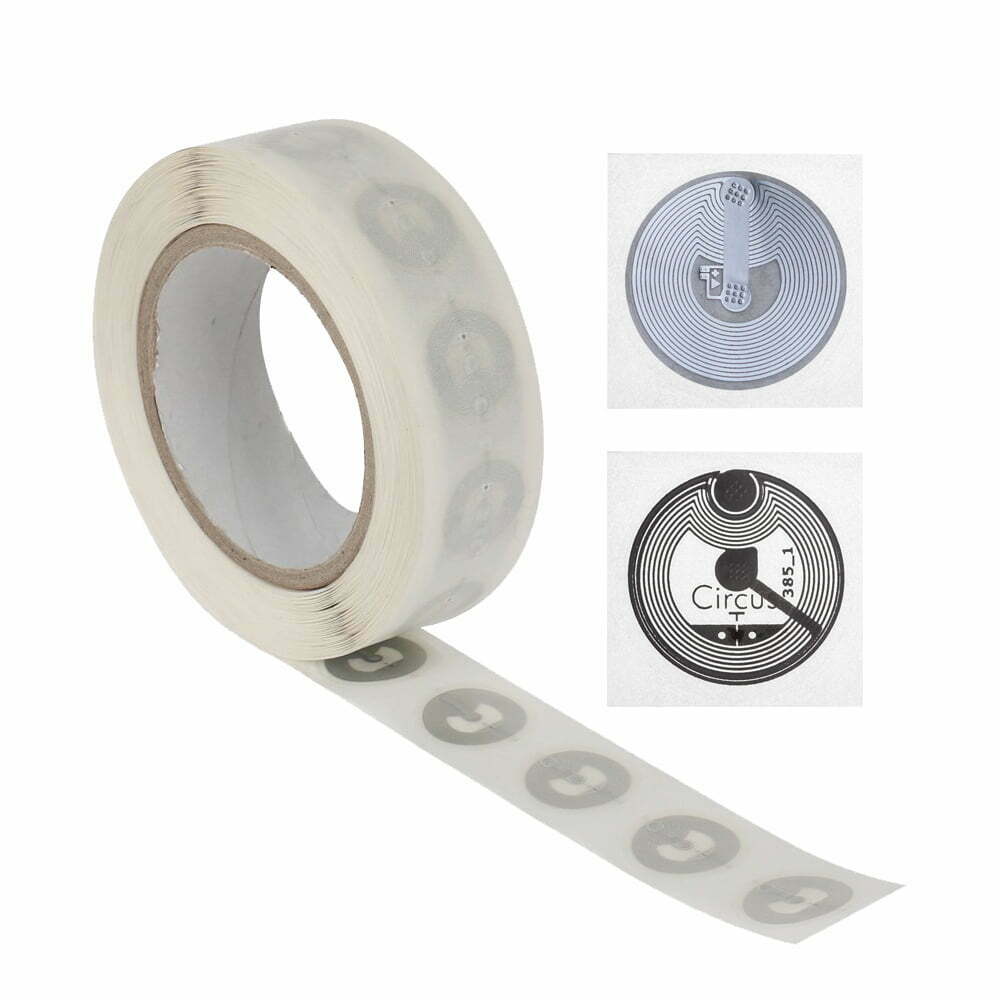
An NFC indlæg består af en antenne og integreret kredsløb (IC) monteret på et underlag - typisk PET, fleksibelt trykt kredsløb (FPC), eller tekstil. An NFC modul tilføjer beskyttende hus eller bærefunktioner (F.eks., klæbende bagside, overmold kompatibilitet, eller SMD puder) til robust integration i wearables. – Lær mere om hotel nfc løsning.
Guide til valg af chip
Valg af den rigtige IC bestemmer hukommelseskapaciteten, sikkerhed, strømtilstand, og grænsefladeevne. Nedenfor er en sammenligning af vidt udbredte chips, der er kompatible med NFCWORK og RFIDHY indlæg: – Lær mere om rfid termisk armbånd.
>
| Chip type | Hukommelse | Sikkerhedsniveau | I²C Support | Typisk brugstilfælde |
|---|---|---|---|---|
| NXP -margin 213/215/216 | 144–888 bytes | Grundlæggende adgangskodebeskyttelse | Ingen | Passiv autentificering, digitalt produktpas (DPP) tags ind Digitalt produktpas |
| NXP NTAG I²C Plus | 1 KB EEPROM + 1 KB RAM | Sikker elementstøtte | Ja | Tovejs smartwatches & sundhed wearables |
| NXP MIFARE DESFire EV3 | 2–8 KB | CC EAL5+, AES-256 | Ingen | Sikker adgangskontrol ind Smart Wearable Identification |
| STMicroelectronics ST25DV | 2–64 KB | I²C + RF dobbelt interface | Ja | Dual-mode medicinske plastre og vaskbart smart tøj |
Antennesubstrattyper
Underlaget definerer fleksibilitet, holdbarhed, og miljømæssig modstandsdygtighed:
>
| Underlag | Fordele | Ulemper |
|---|---|---|
| KÆLEDYR | Lave omkostninger, høj konsistens, ideel til laminering | Begrænset bøjningsradius; ikke egnet til snævre kurver |
| FPC (Fleksibelt printkort) | Fremragende tilpasningsevne, understøtter SMD-integration | Højere omkostninger; kræver præcisionshåndtering |
| Tekstil | Vaskbar, åndbar, sømløs beklædningsgenstand integration | Lavere læseområde; specialiseret tuning påkrævet |
Modulformfaktorer
Match det fysiske format til din fremstillingsproces:
- Vådt indlæg: Klæbende bagside - ideel til laminering i silikonearmbånd (ArmbåndHY) eller stoflag
- Tørt indlæg: Ingen klæbemiddel - designet til indsatsstøbning i stive wearables
- SMD modul: Overflademonterbar — bruges i PCB-baserede smartwatches og trackere
- Overformningsklar modul: Indkapslet i termoplast eller silikone - optimeret til Smart Wearable Identification applikationer, der kræver IP67+ tætning
Indkøbsovervejelser
Gennemløbstider, MOQ'er, og kvalitetssikring er afgørende for produktionsplanlægning:
- MOQ: 1,000–10.000 enheder til standard indlæg; ≥10.000 for brugerdefinerede designs
- Leveringstid: 2–4 uger for lagervarer (F.eks., RFIDTAGY HF indlæg); 6–8 uger til tilpasset antennetuning eller substratteknik
- Kvalitetsstandarder: ISO/IEC 14443-A/B og 15693 overholdelse; ±5 % tolerance for antennetuning; adhæsionstest i henhold til ASTM D3359
Brugerdefineret vs. Standard indlæg
>
| Faktor | Standard indlæg | Brugerdefinerede indlæg |
|---|---|---|
| Time-to-Market | 2–3 uger | 6–10 uger |
| Pris pr. enhed | Sænke (stordriftsfordele) | Højere (NRE + værktøj) |
| Designfleksibilitet | Begrænset til katalogmål | Fuld form, størrelse, farve, og underlagskontrol |
| Brug Hvornår | Validering af NFC-funktionalitet tidligt eller lancering af MVP | Møde unik ergonomi, branding, eller lovkrav |
Best Practices for integration
For at bevare NFC-ydeevne i begrænsede bærbare formfaktorer: – Lær mere om rfid startsæt.
- Oprethold ≥3 mm antenneundgåelseszone omkring metal eller ledende materialer i indkapslinger
- Valider NFC-læserækkevidde efter overstøbning ved hjælp af referenceenheder (F.eks., Samsung Galaxy S23, iPhone 14/15)
- Udfør præproduktionsvalidering med mindst tre NFC-aktiverede Smartphones på tværs af Android- og iOS-platforme
Anbefalede chip-substrat-kombinationer
>
| Bærbar type | Anbefalet chip | Optimalt underlag |
|---|---|---|
| Silikone armbånd | NTAG 215 | PET vådt indlæg |
| Smart ring | MIFARE DESFire EV3 | FPC tørt indlæg |
| Stofrem | ST25DV | Tekstil indlæg |
| Smartwatch | NTAG I²C Plus | FPC SMD modul |
| Medicinsk plaster | ST25DV | Tekstil eller medicinsk PET |
FAQ
- Gør RFIDHY og NFCWORK tilbyder OEM-understøttelse til tilpassede NFC-indlæg?
Ja - begge dele RFIDHY og NFCWORK levere komplette OEM-tjenester, herunder antennedesign, chip tilpasning, og substratteknik for kvalificerede producenter af bærbare enheder. - Er NFC-indlæg i overensstemmelse med EU's DPP-krav?
Alle NTAG- og DESFire-baserede indlæg fra RFIDTAGY og NFCWORK understøtte NDEF-kompatible datastrukturer, der kræves til implementering af Digital Product Passport. - Kan jeg teste NFC-indlæg, før jeg afgiver volumenordrer?
Ja - prøvesæt (inklusive PET, FPC, og tekstilvarianter) fås efter anmodning via KONTAKT OS. - Hvilke certificeringer har dine NFC-moduler?
Produkterne overholder ISO/IEC 14443-A/B, CE, FCC, og RoHS. Tekstilindlæg af medicinsk kvalitet opfylder ISO 10993 biokompatibilitetsstandarder, hvor det er relevant.
Klar til at integrere NFC i din næste wearable?
Kontakt vores ingeniørteam for en gratis NFC indlæg konsultation, tilpasset gennemførlighedsgennemgang, og prøveanmodning. Vi støtter NFC-modul OEM partnerskaber med skalerbar produktion, hurtig prototyping, og fuld dokumentation - alt sammen understøttet af RFIDHY og NFCWORKs globale forsyningskæde.