Fitness clubs are no longer judged only by their equipment and workout floors. Bekvemmelighed, member experience, and operational efficiency are decisive signals. Every repeated visit involves several interactions—entering the club, using a locker, attending a class, or buying a protein shake at the smoothie bar. When each step depends on separate cards, nøgler, or cash, friction appears.
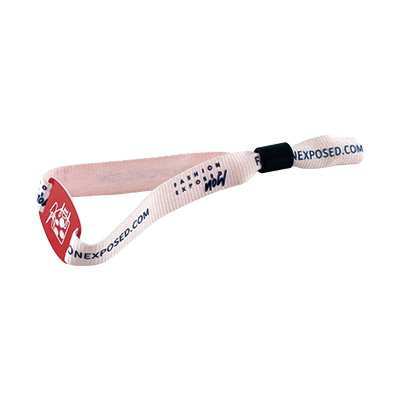
An NFC wearable, såsom en gym NFC armbånd, condenses these interactions into a single tap. It gives fitness club operators a durable, secure token for access control and payments, while giving members a faster way to start their workout. This article explores how NFC wearables can improve check-in, locker management, class attendance, and cashless transactions in modern fitness environments.
Why Fitness Club Operators Are Choosing NFC Wearables
Traditional club operations rely on several types of credentials: a membership card at the front desk, a key or padlock for a locker, and a credit card or barcode at the retail counter. Each touchpoint creates friction for members and requires additional staff time to manage. Fitness club technology has evolved, og NFC -armbånd now provide a unified credential that works with fixed readers, door controllers, and payment terminals.
An NFC wristband is worn on the wrist, which makes it less likely to be forgotten than a card. For members, a tap is faster than pulling out a phone or a wallet. For operatører, the wristband carries a unique encrypted identifier that is immediately recognized by the club management system. In facilities with wet areas, saunas, and swimming pools, en NFC silikone armbånd is a practical choice because it can tolerate water, sved, and repeated use.
Member Check-In Flow: From Door to Workout in Seconds
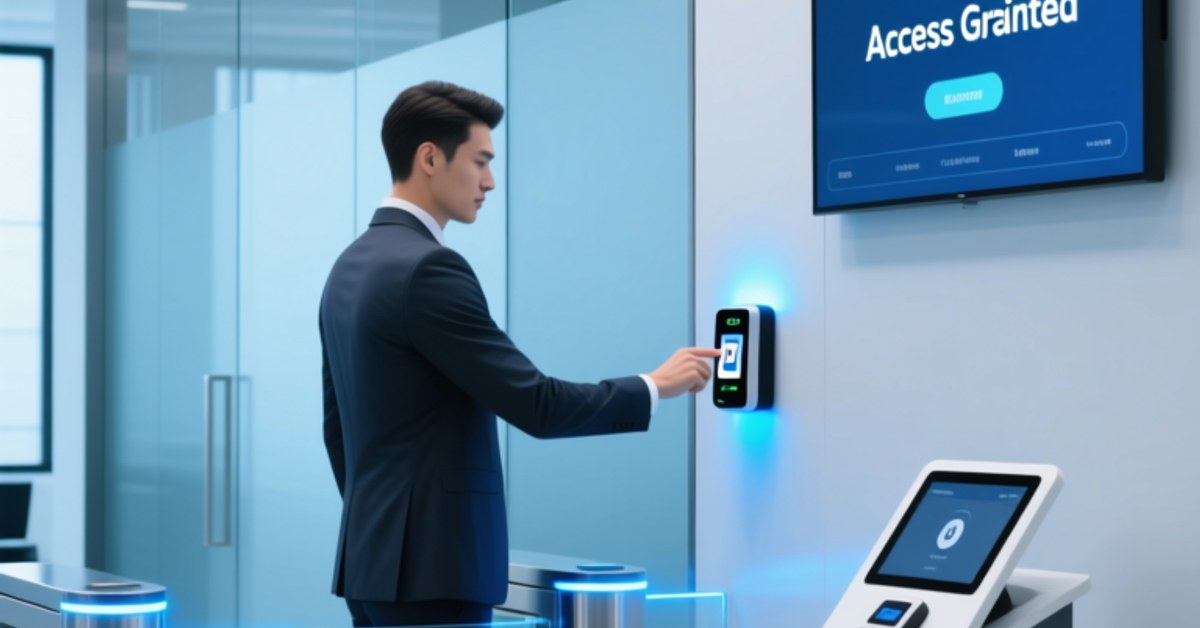
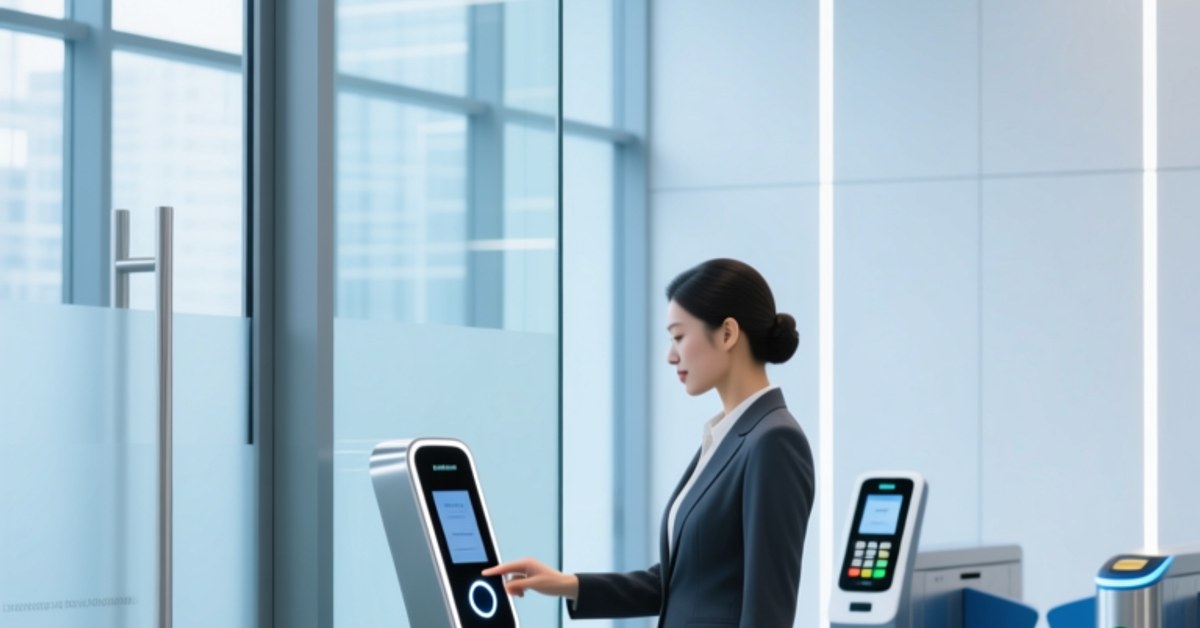
Door entry is the first operational bottleneck in many fitness clubs. A fixed RFID-læser at the entrance can change the experience completely. Members simply tap their wristband on the reader while walking in. No scanning a paper card, no manual verification, and no need to stop at the front desk when the gate is integrated with the club’s access control system.
This approach delivers reliable fitness club member check-in data. The system logs the arrival time automatically and can send notifications to a manager if a member uses a restricted entrance at an unusual time. It also frees front-desk staff to handle questions, tours, and membership sales instead of processing routine entries.
Steps in an NFC Member Check-In Flow
- Member approaches the entrance wearing an activated NFC wristband.
- A fixed RFID-læser captures the wristband’s unique identifier.
- The club management software verifies the membership status and access permissions in real time.
- If access is allowed, the turnstile or door unlocks automatically.
- The attendance and check-in timestamp are recorded for reporting and member analytics.
The same flow can be used at secondary entries, such as a 24-hour access door or a separate group fitness entrance. When a member taps, the system knows who they are and where they are going, enabling more accurate facility usage data.
Smart Locker Management: Keyless Access With NFC Wristbands
In the locker room, locker access NFC technology removes the need for keys, tokens, or printed locker numbers. A smart locker lock with an integrated NFC reader can recognize a member’s wristband and open the assigned locker. If the member does not need a specific locker, they can simply tap on a locker terminal, and the system assigns an available locker and unlocks the corresponding door.
Smart locker management also helps clubs control locker usage. Members using day lockers can get a locker only for the duration of their workout. Temporary access with a wristband can be set to expire automatically after two hours, which prevents lockers from being occupied all day. For premium members who have assigned lockers, the wristband immediately opens their personal locker without additional verification.
>
| Funktion | Traditional Key Lockers | NFC Wristband Lockers |
|---|---|---|
| Key management | Lost keys cause delays and replacements | No keys; the wristband is the key |
| Access speed | Manual lock and key take time | Tap-to-open takes seconds |
| Temporary reallocation | Manual tracking required | Automatic assignment through software |
| Sikkerhed | Keys can be copied or stolen | Unique encrypted identifier per wristband |
Locker access NFC does much more than open a door. It creates an audit trail that shows which member used which locker at which time. If an item is misplaced, the locker log can be checked. If a member forgets which locker they are using, the system can read the wristband and display the locker number on a terminal.
Class Booking and Attendance: Streamlining Group Fitness Operations
Group fitness classes are a strong retention tool, but managing attendance is often manual. Members book a class, check in at the front desk, and occasionally the instructor marks a paper sheet. With NFC wristbands, class check-in becomes a self-service action.
When a class is booked, the member’s wristband is linked to the session. On arrival at the studio, a fixed RFID reader placed at the door can identify the member, confirm the class reservation, and update the attendance list in real time. Instructors no longer need to count heads or ask names. For open-area classes, such as boot camps or circuit training, -en håndholdt RFID-læser can be used by the instructor to quickly scan wristbands and register attendance.
This attendance data has several operational benefits. Club managers can compare booking numbers with actual attendance, identify no-show patterns, and make better scheduling decisions. Members also receive faster entry into studios after checking in. For premium classes with limited capacity, only members with a valid booking and an active membership are allowed to enter.
Gym Cashless Payments at Smoothie Bars and Retail Counters
After a hard workout, members often visit the smoothie bar or the retail corner. Waiting for a card or a phone to be scanned adds friction at the point of sale. Gym cashless payments solve this problem by using the wristband as a payment token.
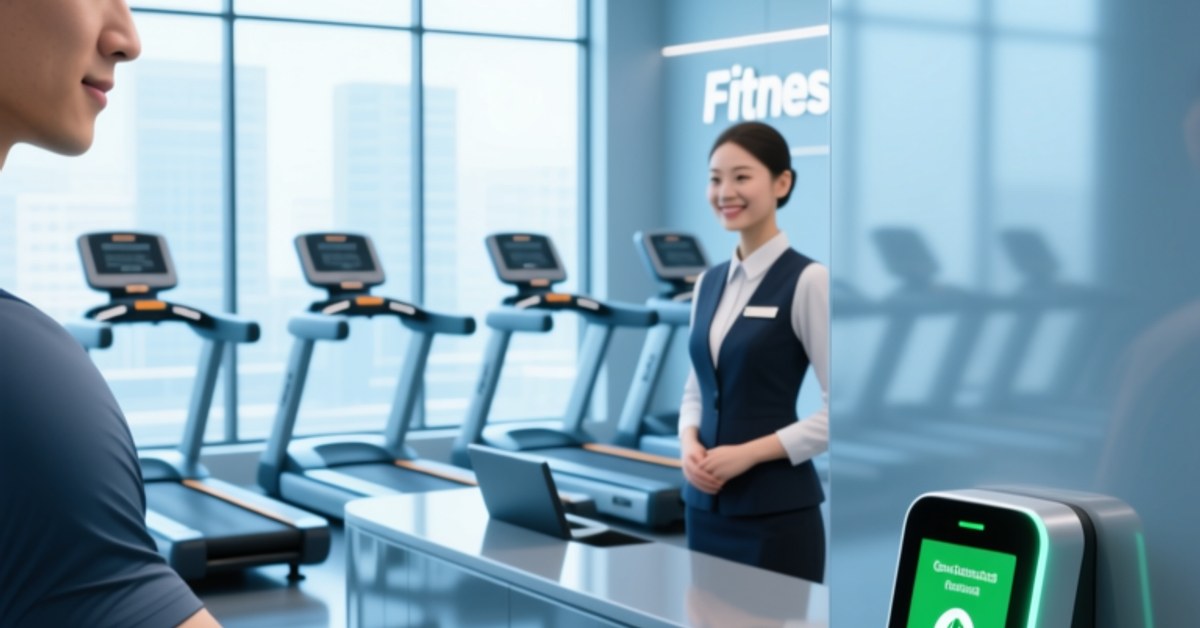
At the checkout counter, an NFC-compatible payment terminal reads the wristband. The member’s account is linked to a closed-loop wallet that the member tops up in advance, or to a secure stored payment method. A tap confirms the transaction, and the purchase appears on the member’s account history. The same flow works for retail apparel, supplements, bottled water, and day passes for guest accessing the smoothie bar.
Til fitnessklubber, this is an ideal way to increase average revenue per member. Because the wristband is tied to a member identifier, every purchase can be associated with that member’s profile. Managers can analyse spending patterns, adjust the smoothie bar menu, and create targeted promotions based on actual behaviour.
Guest and Trial Management With Temporary NFC Wristbands
Guest and trial management is often overlooked, yet it is the first experience a prospective member has with the club. Temporary credentials need to be easy to issue and easy to control. A temporary NFC event armbånd or a standard RFID armbånd can be configured at the front desk within seconds.
The front desk staff can programme the wristband with a specific access level. For eksempel, a trial member may be able to enter the gym and access changing rooms, but not use the premium recovery lounge. A guest may receive a wristband that is only active during the day of their visit. When the trial expires, the wristband automatically becomes inactive, eliminating the need to collect a physical card from the guest.
Guest and trial management with NFC wristbands also supports sales follow-up. The trial member’s activity—check-in time, class attendance, and retail spending—can be tracked and used by the sales team to start a conversation about a membership plan.
Deployment Considerations for Fitness Club NFC Systems
Before launching an NFC program, club operators should look at a few practical factors. The type of wristband is important. An NFC silikone armbånd is a popular choice because it is waterproof, komfortabel, and can be worn during vigorous exercise. For temporary use, a thinner RFID armbånd might be sufficient.
Reader infrastructure also matters. Fixed RFID readers are ideal for entrance gates and studio doors. Desktop RFID readers can be used at the front desk for issuing or deactivating wristbands. Handheld RFID readers support check-in at outdoor classes or VIP events. The readers should communicate with the existing club management software through a standard API, allowing member status, locker assignments, and payments to be managed from one dashboard.
Security should be considered as well. Wristbands should have a protected unique identifier that can be deactivated if reported lost. Operators should define what happens when a member forgets the wristband: a temporary card or a paper PIN could be issued to maintain a smooth experience.
Building a Connected Fitness Club With NFCWORK Technology
From the entrance to the smoothie bar, the entire member journey can be smooth, kontaktløs, and fully digital. Ved at implementere NFC -armbånd in combination with readers and access control systems, fitness clubs can reduce operational friction, forbedre sikkerheden, and create a modern experience that members appreciate.
RFIDHY, the RFID/NFC product arm of NFCWORK, offers a wide range of wearables suitable for fitness operators, herunder NFC silikone armbånd og RFID armbånd for temporary passes. For a deeper look at how this technology can be configured for your club, besøg vores NFC produkter og smart wearable identification solutions.
If you are ready to replace keys and membership cards with a single, secure tap, talk to our team today.
FAQ
Do members need to carry a smartphone to use an NFC wristband at the gym?
Ingen. The NFC wristband works independently. It contains a secure chip that can be read by the club’s RFID readers. A smartphone is not required during the workout. Members can use a mobile app to book classes and top up their wallet, but the wristband operates as a standalone credential.
Can NFC wristbands be used in wet areas such as pools or saunas?
Ja, when you choose an NFC silicone wristband. Silicone enclosures are designed for repeated use in water and humid environments. This makes them suitable for swimming pools, showers, saunas, and outdoor training conditions.
Can the fitness club management system integrate NFC readers with existing access control or payment software?
Most NFC readers support standard communication interfaces and API integrations. The reader receives the wristband identifier and forwards it to the club software. NFCWORK and its vendors can guide you on integration options for your current access control or point-of-sale system.
What happens if a member loses an NFC wristband?
The wristband can be deactivated immediately from the club management system. A replacement wristband can be issued with a new unique identifier while keeping the member’s profile, locker assignment, and payment wallet intact. If the wristband is linked to a stored payment method, the operator can block it quickly to prevent unauthorised use.
Are NFC wristbands suitable for guest and trial members?
Absolut. Temporary RFID armbånd or NFC event wristbands can be programmed at the front desk with a specific validity period and access scope. They allow guests and trial members to experience check-in, skabe, classes, and smoothie bar payments in a convenient way while maintaining security.
Ready to upgrade your fitness club with NFC wearables?
Contact our team to discuss the right combination of NFC wristbands, RFID læsere, and software integrations for your member check-in, locker access, and cashless payment needs.