Kial NFC Frekvenco Gravas por Entreprenaj Aplikoj
NFC funkcias ekskluzive ĉe 13.56 MHz, tutmonde harmoniigita ISM-grupo kiu certigas reguligan observon, kunfunkciebleco, kaj fidinda mallongdistanca komunikado. Male al proprietaj RF-sistemoj, ĉi tiu normigita frekvenco ebligas antaŭvideblan agadon tra diversaj medioj - de podetalaj kasaj vendotabloj ĝis sekurigi alirkontrolpunktojn. Por entreprenoj deplojantaj NFC-etikedoj, RFID-legiloj, aŭ NFC-pojnoj, kompreni kiel frekvenco interagas kun protokolaj tavoloj kaj aparataparataro estas fundamenta por skaleblo kaj ROI.
Malkodi NFC-Operaciajn Protokolojn
NFC-funkcio estas regata de tri ŝlosilaj normoj ISO/IEC - ĉiu difinas apartajn uzkazojn, datumkurzoj, kaj komunikaj reĝimoj:
ISO/IEC 14443 (Proksimaj Kartoj)
La plej vaste adoptita normo por senkontaktaj inteligentaj kartoj kaj NFC-ebligita saĝtelefonoj. Ĝi subtenas du tipojn:
- Tipo A: Uzite en MIFARE Classic kaj DESFire EVx-produktoj - oftaj en alirkontrolo kaj transitsistemoj.
- Tipo B: Preferita por registara identigilo kaj e-pasportoj pro pli forta kontraŭkolizio uzado.
Ĉiuj NFC-etikedoj atestita por saĝtelefona interago (T.e., NTAG213, NTAG216, ICODE SLI) konformiĝi al ISO 14443-A.
ISO/IEC 15693 (Najbaraj Kartoj)
Desegnita por pli longaj legaj intervaloj (ĝis 1 m) kaj pli alta etikeddenseco. Kvankam ne denaske subtenata de plej multaj konsumantoj saĝtelefonoj, ĝi estas ideala por uzado de spurado de industriaj valoraĵoj porteblaj RFID-legiloj aŭ fiksaj pordegaj legantoj en magazena loĝistiko.
ISO/IEC 18092 (NFCIP-1)
Difinas samulo-al-kunulo (P2P) reĝimo—ebligante interŝanĝon de datumoj inter du aktivaj NFC-aparatoj (T.e., Kunhavigo de Android-al-Android). Ankaŭ subtenas NFC portebla identigo kaj sekura karto-emulado (HCE) por alirkreditaĵoj.
Poŝtelefona Kongrueco: Kion Entreprenoj Devas Scii
Ne ĉiuj NFC-ebligitaj telefonoj subtenas la samajn funkciojn—eĉ se ili funkcias ĉe 13.56 MHz. Kongrueco dependas de pecetaro, firmvaro, OS-versio, kaj OEM-efektivigo.
>
| Karakterizaĵo | iOS (iPhone 7+) | Androido (v8.0+, lastatempaj flagŝipoj) |
|---|---|---|
| Leganto-Reĝimo (Etikedo Legado) | Limigita al NDEF-formataj etikedoj; neniu kruda protokola aliro | Plena subteno por ISO 14443-A/B, ISO 15693, kaj NDEF |
| Karto-Emulado (HCE) | Limigita al Apple Wallet-ekosistemo | Malfermu HCE per Android SDK; subtenas kutimajn akreditaĵojn |
| P2P-reĝimo | Ne subtenata | Plene subtenata (SNEP, LLCP) |
| Skriba Kapablo | Ne havebla al triapartaj programoj | Havebla per Android NFC API (postulas uzantan permeson) |
Oftaj Demandoj
- Estas 13.56 MHz la sola NFC-frekvenco? Jes—NFC estas strikte difinita ĉe 13.56 MHz laŭ ISO/IEC 18092. Aliaj frekvencoj (T.e., 125 kHz, 860–960 MHz) apartenas al pli larĝaj RFID-familioj sed ne estas NFC-kongruaj.
- Ĉu UHF RFID-legantoj povas legi NFC-etikedojn? Ne. UHF-legantoj funkcias ĉe 860-960 MHz kaj ne povas komuniki kun 13.56 MHz NFC-etikedoj. Uzu HF RFID-legilojn por NFC/NFC-kongruaj HF-etikedoj.
- Ĉu NFC-komerckartoj funkcias kun ĉiuj saĝtelefonoj? Plej multaj faras—sed iOS limigas legadon al NDEF-formata enhavo, dum Android ofertas pli larĝan protokolan aliron. Por plena funkcieco, pariĝi kun vizitkartoj NFC atestitaj por ambaŭ platformoj.
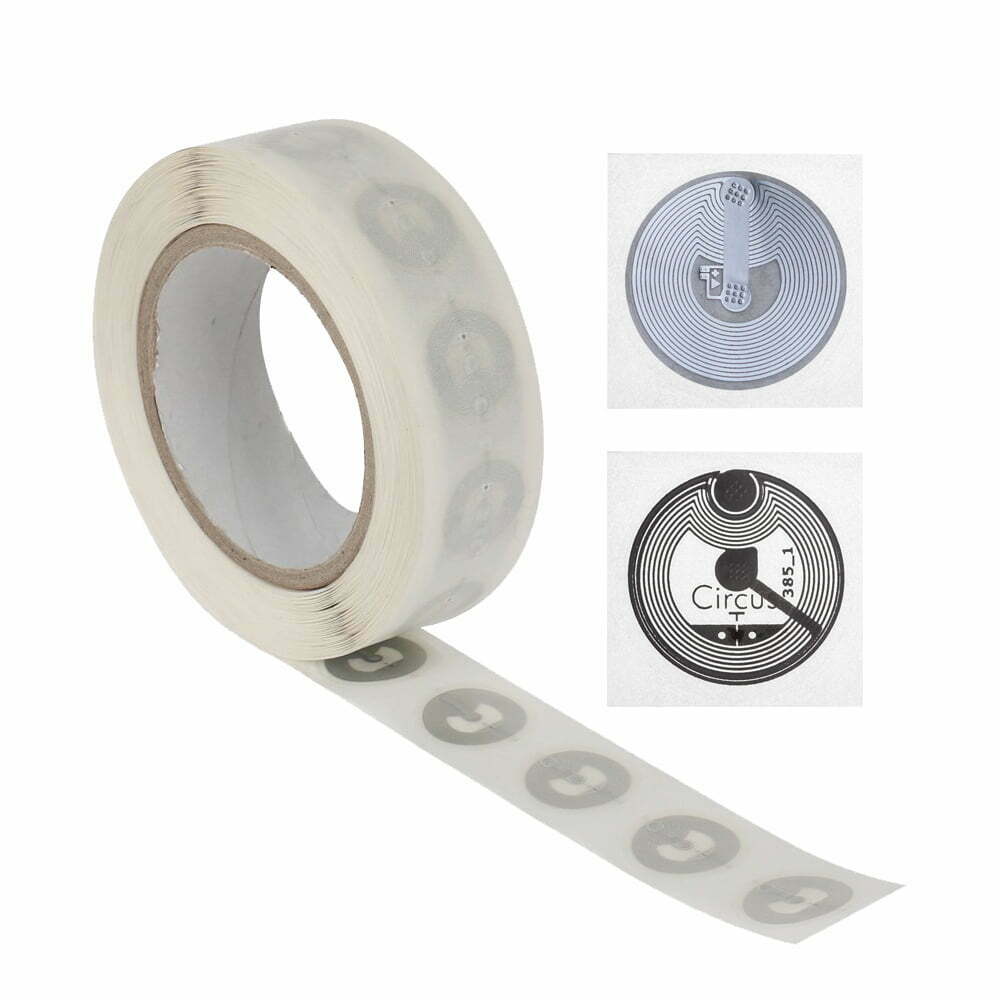
- Kiel mi kontrolas NFC-telefonkongruon antaŭ lanĉo? Testu per viaj celaj aparatoj uzante NFC -Glumarkoj kaj la oficiala NFCWORK FAQ-kongrua matrico.
Preta por Deploji Enterprise-Grade NFC-Solvojn?
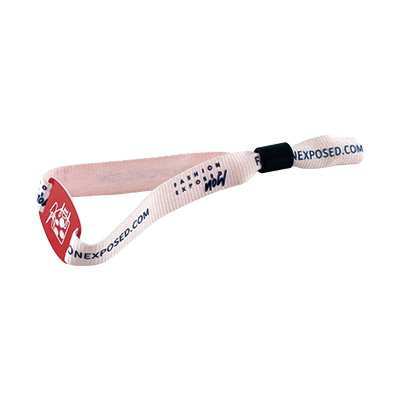
Ĉu vi lanĉas NFC portebla identigo, grimpi inteligenta distra aliro, aŭ konstruaĵo ciferecaj produktaj pasportoj, niaj atestitaj NFC-etikedoj, legantoj, kaj pojnoj certigas plena 13.56 MHz-konformeco kaj transplatforma kunfunkciebleco.