L’impératif de l’économie circulaire: Pourquoi les données sont importantes
Le passage d’un modèle linéaire « prendre-faire-jeter » à une économie circulaire n’est plus une aspiration : c’est une nécessité réglementaire et commerciale.. En son coeur, la circularité dépend de la durée d’utilisation des produits et des matériaux grâce à la réutilisation, réparation, remise à neuf, et un recyclage de qualité. Pour y parvenir, les parties prenantes ont besoin de précisions, accessible, et des informations produit persistantes: composition matérielle, instructions de réparation, historique de propriété, et accompagnement en fin de vie.
Les cadres réglementaires accélèrent cette demande. Les mandats ESPR de l’UE DPP pour plusieurs catégories de produits, obliger les fabricants à fournir une identité numérique qui suit un produit tout au long de son cycle de vie. La technologie NFC apparaît comme le support idéal de cette identité numérique, reliant le produit physique à un système décentralisé., enregistrement de données actualisable.
Comprendre le DPP et le NFC
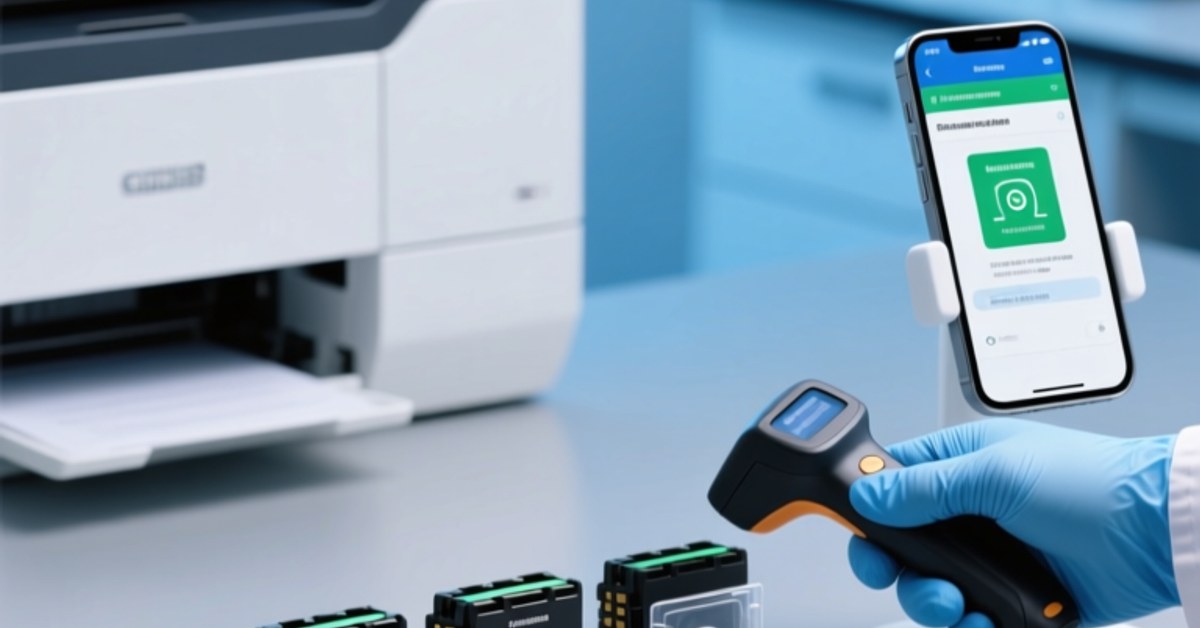
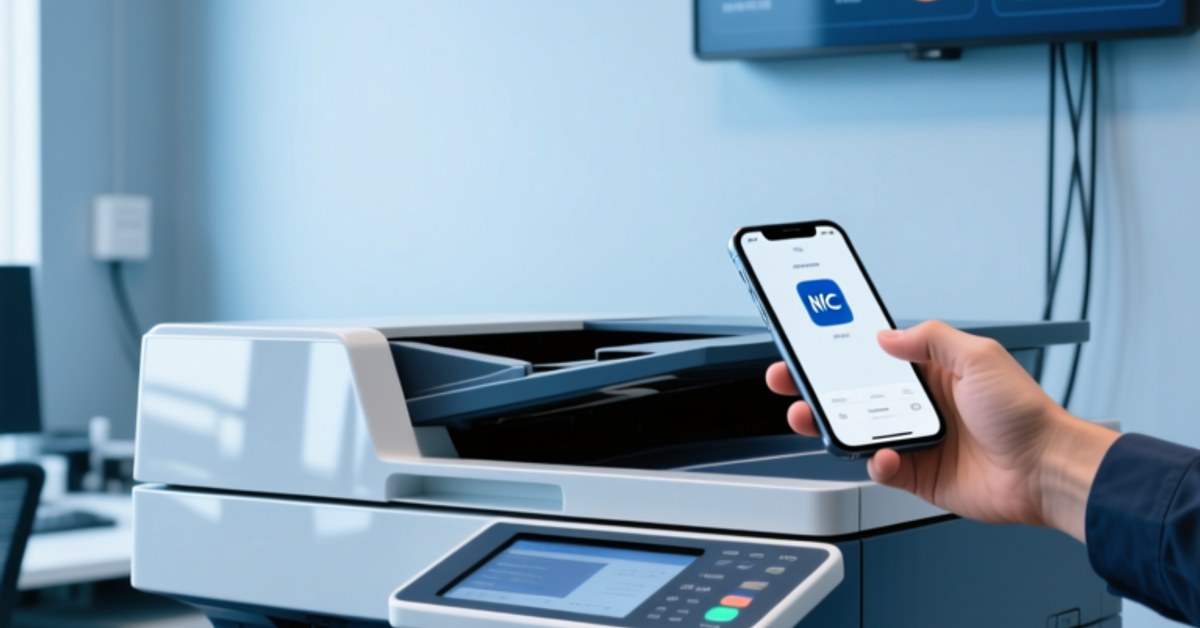
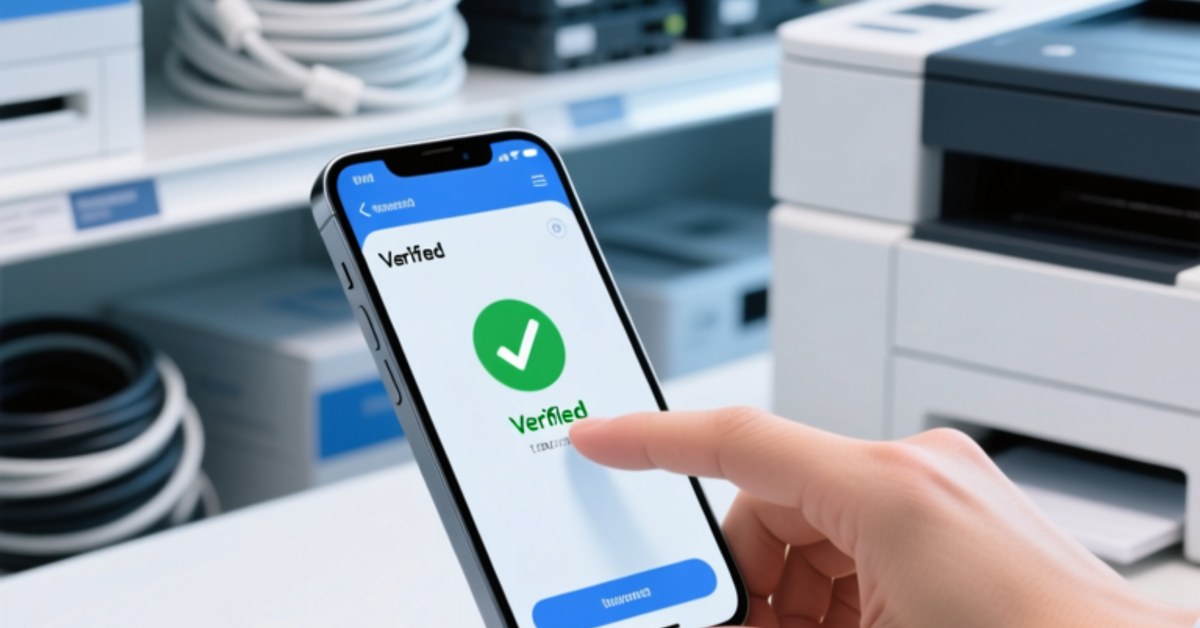
UN Passeport produit numérique est une collection structurée de données relatives au produit – origine, matériels, empreinte carbone, réparabilité, et instructions de recyclage, accessibles via un support de données attaché à l'article. Balises NFC et les incrustations fournissent une preuve d'inviolabilité, lien au niveau de l'article vers ce passeport. Un simple toucher avec n'importe quel smartphone compatible NFC permet de récupérer les dernières données du produit sans avoir besoin d'une application ou d'un scanner dédié..
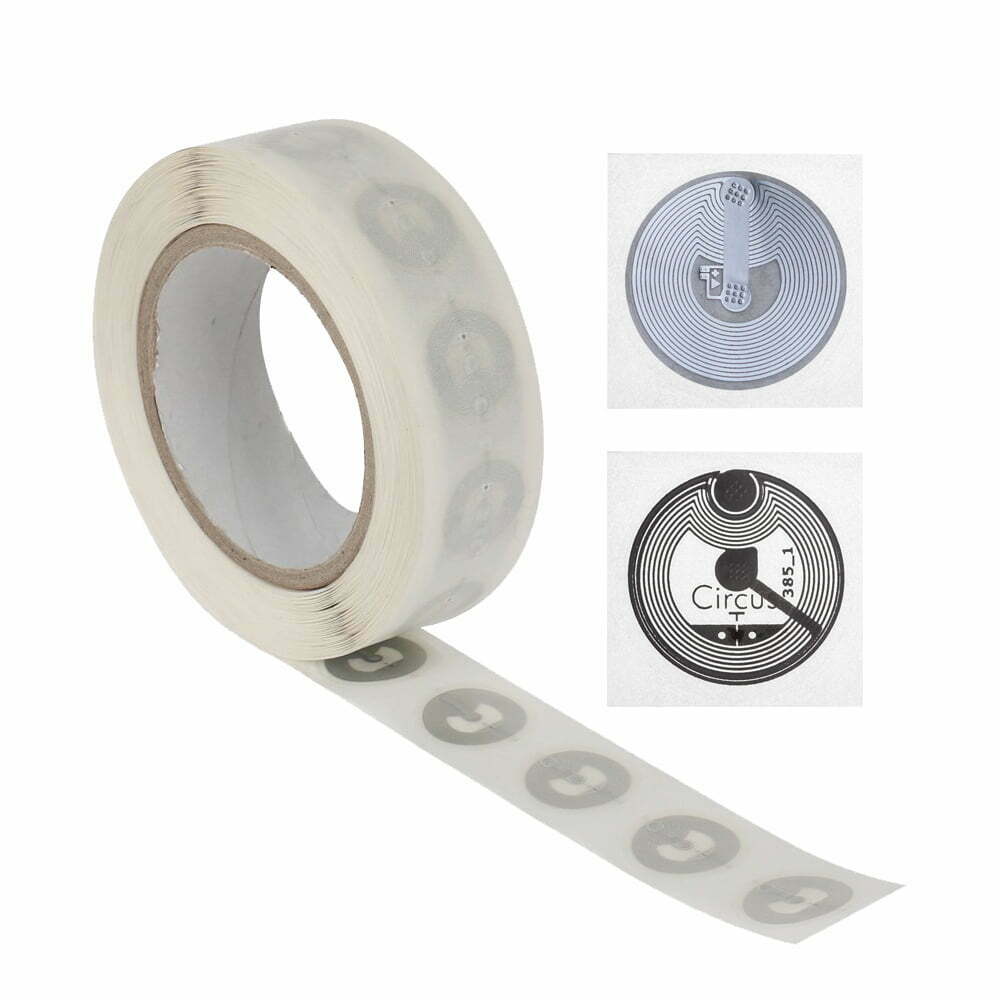
Balises NFC sont déjà largement utilisés pour la protection des marques et l’engagement des consommateurs. Lorsqu'il est appliqué aux cas d'utilisation de l'économie circulaire, ils deviennent la clé de données sur le cycle de vie du produit. Contrairement à un code QR imprimé, Les balises NFC peuvent être intégrées à l'intérieur des produits, rester lisible même lorsqu'il est couvert ou porté, et prend en charge des fonctionnalités avancées telles que la vérification de l'originalité, mises à jour dynamiques des données, et contrôle d'accès. À RFIDHY, notre gamme de Balises NFC, Autocollants NFC, et incrustations NFC sont conçus pour une fixation durable sur les textiles, électronique, conditionnement, et biens industriels.
Permettre la réutilisation et la réparation avec des données produits accessibles
L'un des plus grands obstacles à la réparation et à la réutilisation est le manque de, informations à jour. Avec un robinet NFC, techniciens de réparation, rénovateurs, et même les consommateurs peuvent accéder instantanément:
- Manuels de réparation étape par étape et diagrammes en vue éclatée
- Identifier les pièces de rechange exactes nécessaires, y compris les numéros de pièces OEM
- Statut de garantie et historique de service
- Mises à jour logicielles et rappels de sécurité
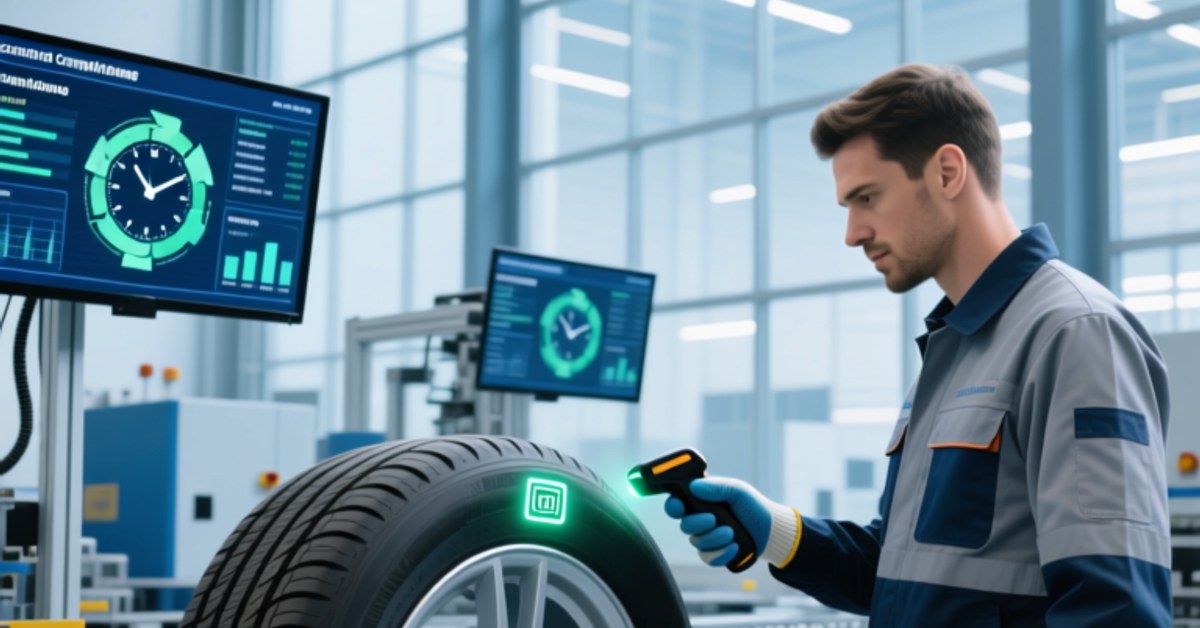
Cette transparence prolonge la durée de vie des produits et soutient une économie de réparation florissante. Pour les actifs industriels critiques, comme l'équipement de fabrication, intégré Étiquettes RFID UHF—comme notre antimétal Étiquettes RFID—permettre une identification sans contact même dans des environnements difficiles, se connectant instantanément à DPPjournaux de maintenance basés sur.
Faciliter les marchés de la revente et de la seconde vie
Pour les biens de consommation et les actifs de grande valeur, la confiance est la monnaie des marchés secondaires. Les DPP basés sur NFC valident l'authenticité et documentent l'historique du produit, renforcer la confiance des acheteurs et permettre une valeur de revente supérieure. Les marques de luxe utilisent déjà le NFC pour certifier la provenance; ce même mécanisme peut désormais contenir des enregistrements de réparation, transferts de propriété, et certification pour une utilisation de seconde vie, par exemple, un smartphone reconditionné ou un sac créateur upcyclé.
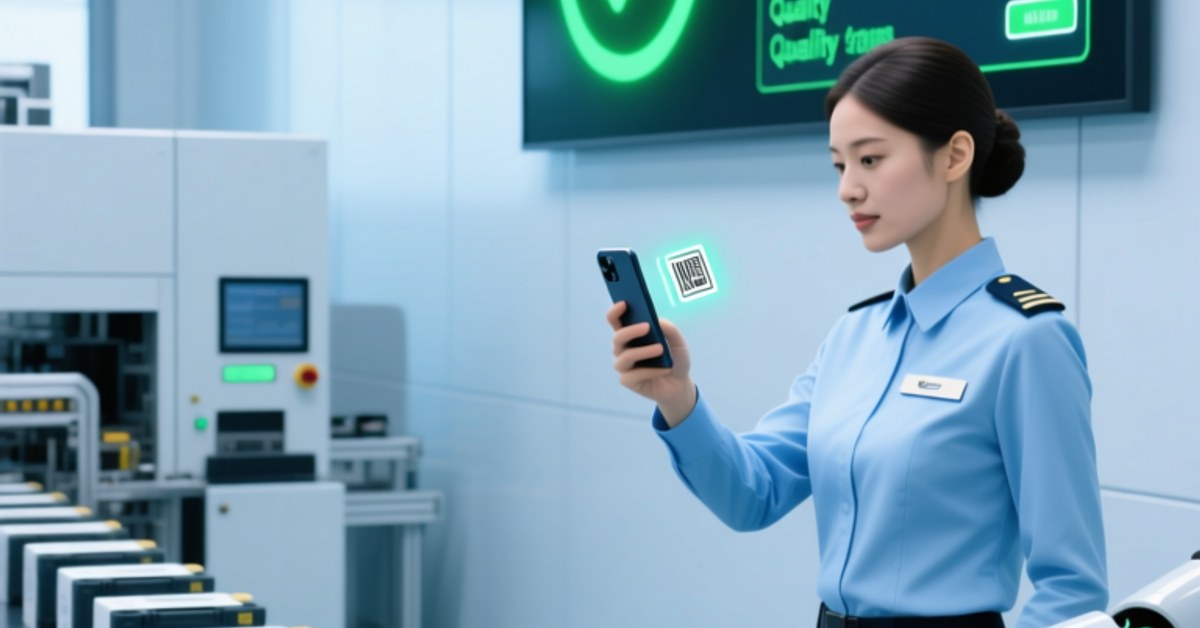
Au niveau de l'entreprise, Les entreprises de disposition d'actifs informatiques peuvent numériser des palettes entières d'équipements mis hors service avec Lecteurs RFID UHF pour récupérer instantanément les données DPP, rationaliser la notation, et acheminer les marchandises vers la revente appropriée, donation, ou des flux de recyclage.
Optimiser le recyclage et la valorisation des matériaux
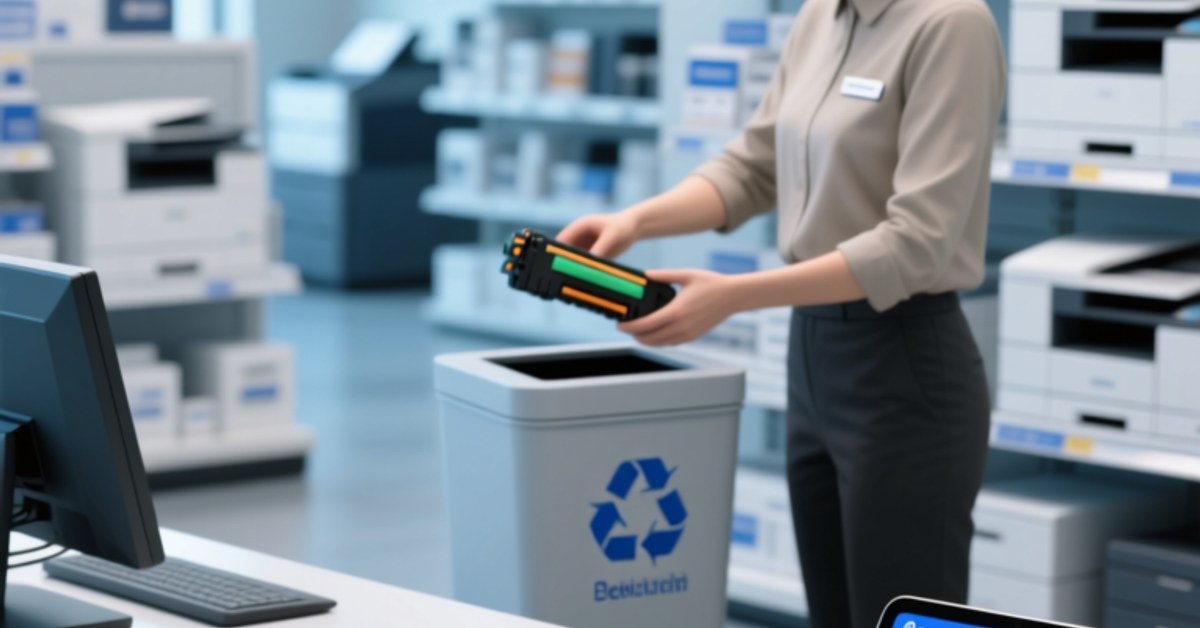
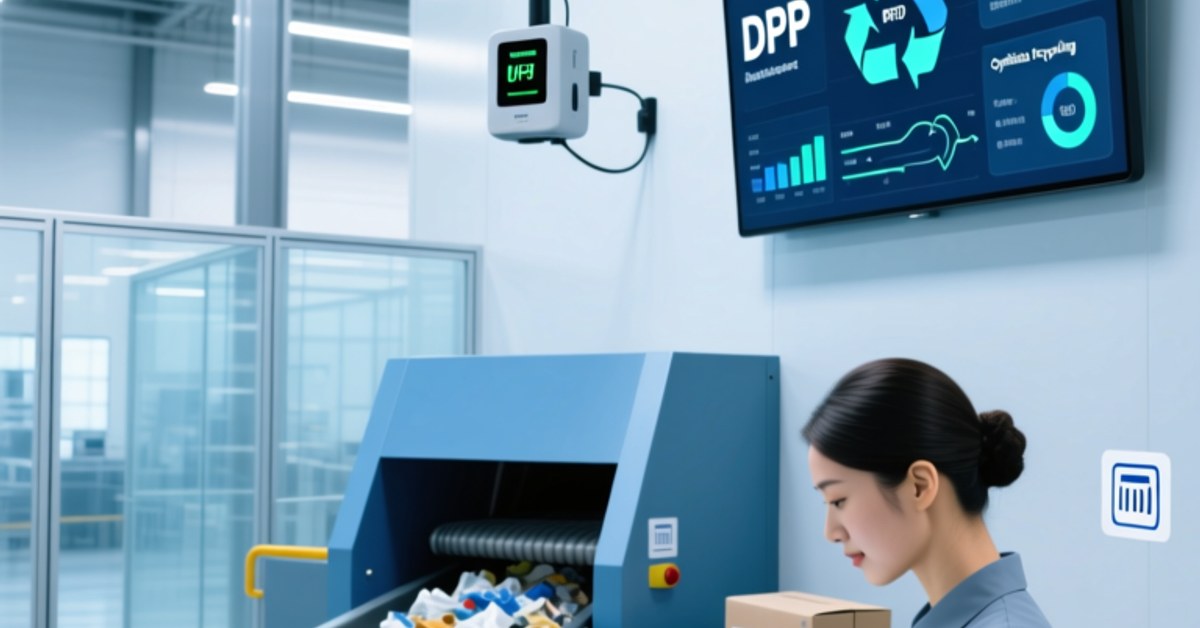
Les processus de recyclage actuels manquent souvent de données précises sur la composition des matériaux, conduisant au downcycling ou à la mise en décharge. Intégration de tags RFID NFC ou UHF dans les produits et emballage durable NFC les étiquettes comblent directement cette lacune. Lorsque les articles arrivent dans une installation de valorisation des matières (FRM), les lignes de tri automatisées équipées de lecteurs RFID fixes peuvent:
>
| Technologie | Convient pour | Exemple de catégorie de produit |
|---|---|---|
| Balises NFC | Articles de grande valeur, électronique, emballage réutilisable | Autocollants NFC, Incrustations NFC |
| Étiquettes RFID UHF | Identification en masse, tri à longue distance | Étiquettes RFID UHF, étiquettes RFID anti-métal |
| Lecteurs RFID | Stations de tri automatisées, convoyeurs | Fixé Lecteur RFID, Ordinateur de poche Lecteur RFID |
En lisant données sur la composition des matériaux du passeport numérique, l'équipement de tri peut séparer les plastiques par type de polymère, extraire les matières premières critiques de l’électronique, et veiller à ce que les substances dangereuses soient manipulées correctement. Cela augmente non seulement les rendements du recyclage, mais soutient également le respect de la responsabilité élargie des producteurs. (EPR) schémas.
Emballage durable et chaîne d'approvisionnement circulaire
L’emballage est une cible privilégiée de l’innovation circulaire. Les emballages durables compatibles NFC permettent aux marques de communiquer les instructions de retour, incitations aux emballages réutilisables, et des conseils de recyclage au point d'interaction. Par exemple, un fourre-tout d'expédition réutilisable équipé d'une étiquette NFC peut enregistrer son nombre de voyages, besoins d'entretien, et statut du dépôt, transformer l’emballage d’un coût en un actif suivi.
Dans l’ensemble chaîne d'approvisionnement circulaire, La puissance des technologies RFID logistique inversée. Notre Étiquettes et lecteurs RFID UHF permettre une numérisation rapide aux entrées/sorties des marchandises retournées et des conteneurs réutilisables. Combiné avec la gestion des stocks basée sur la RFID, les entreprises bénéficient d’une visibilité en temps réel sur les flux de produits, réduire les fuites et optimiser l’utilisation des actifs : indicateurs de performance clés pour tout programme de développement durable.
Les catalyseurs technologiques de RFIDHY pour l’économie circulaire
Le déploiement d'un modèle d'économie circulaire nécessite un écosystème complet de solutions de lecture et de marquage. Chez NFCWORK Technology et RFIDHY, nous fournissons les éléments de base:
- Authentification des produits NFC et balises DPP: Balises NFC, Incrustations NFC, Autocollants NFC qui peut être personnalisé en usine avec des identifiants uniques et des clés cryptées.
- Étiquettes d'actifs RFID durables: Étiquettes RFID anti-métal, Étiquettes de blanchisserie RFID, et incrustations sèches RFID pour les environnements exigeants où les étiquettes typiques échouent.
- Infrastructures de lecture: Lecteurs RFID UHF portables et fixes, lecteurs RFID de bureau, et modules RFID pour intégration dans les machines de tri.
- Solutions RFID: Suivi des actifs RFID, gestion des stocks, et systèmes de gestion d'entrepôt qui alimentent les données de cycle de vie dans le DPP.
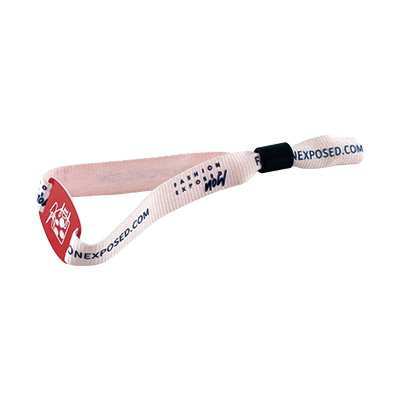
- Wearables pour les programmes de réutilisation: Bracelets en silicone NFC et Bracelets RFID pour les programmes de recyclage événementiels ou les programmes de consigne.
Tous ces produits sont disponibles pour les équipes de développement durable et d'ingénierie qui cherchent à intégrer la circularité dans leurs processus de production sans repartir de zéro..
Conclusion: Boucler la boucle avec les produits connectés
L'économie circulaire a besoin de données, et les données ont besoin d'un support qui reste avec le produit de la première vente au démontage final. Les technologies NFC et RFID rendent tangible le Passeport Produit Numérique, fournir le chaînon manquant entre les objets physiques et les stratégies de circularité numérique. Que vous conceviez pour la réparabilité, étendre un programme de reprise, ou optimiser une installation de recyclage, la combinaison de l'étiquetage au niveau des articles et des passeports basés sur le cloud crée un système résilient, transparent, et système en boucle fermée rentable.
Qu'est-ce qu'un DPP et comment NFC le prend-il en charge?
Un DPP est un enregistrement numérique contenant des données sur le cycle de vie d'un produit : composition des matériaux., réparabilité, instructions de recyclage, etc.. Les balises NFC attachées au produit servent de pont physique; un simple clic avec un smartphone récupère le passeport depuis le cloud, fournissant un accès instantané aux dernières données.
Comment le NFC améliore-t-il le recyclage par rapport aux méthodes conventionnelles?
Le recyclage conventionnel repose sur un tri manuel ou optique avec une précision limitée. Les étiquettes RFID NFC et UHF peuvent stocker ou référencer des données sur la composition des matériaux granulaires, permettant aux lignes de tri automatisées d'identifier des qualités de plastique spécifiques, extraire les composants dangereux, et préserver la valeur matérielle, conduisant à des produits recyclés de meilleure qualité.
Les étiquettes NFC peuvent-elles survivre dans des environnements de recyclage difficiles?
Les balises NFC standard sont conçues pour des interactions conviviales avec le consommateur, mais pour le recyclage industriel, nos étiquettes RFID anti-métal et nos étiquettes RFID UHF robustes sont conçues pour résister à l'humidité, chaleur, et le stress physique. Le choix du tag dépend de l'application et de la plage de lecture souhaitée.
La technologie NFC est-elle compatible avec les réglementations européennes en matière de développement durable?
Absolument. Le cadre ESPR de l'UE prévoit explicitement l'utilisation de supports de données tels que NFC et RFID pour mettre en œuvre les DPP.. Nos solutions sont conformes au traitement des données conforme au RGPD et prennent en charge les normes GS1/EPCglobal généralement requises pour la transparence de la chaîne d'approvisionnement..