Waarom de NFC-chip belangrijk is voor uw B2B-oplossing
Voor OEM's, systeemintegratoren, en zakelijke kopers, de kleine NFC-chip in het hart van een label, label, of polsbandje bepaalt niet alleen het leesbereik en de snelheid, maar ook de gegevensbeveiliging, compatibiliteit van formaten, en traceerbaarheid van de toeleveringsketen. Het kiezen van de verkeerde IC kan leiden tot interoperabiliteitsproblemen in het veld, onvoldoende geheugen voor uw applicatiegegevens, of ontbrekende anti-namaakfuncties. Deze gids vergelijkt vijf NXP-halfgeleiders die vaak worden aangetroffen in commerciële NFC-producten, helpt u de chipselectie af te stemmen op de projectvereisten.
Chipoverzicht: NTAG- en ICODE-families
De NTAG-familie volgt NFC Forum Type 2 en Type 4 specificaties, zorgen voor brede compatibiliteit met alle NFC-compatibele apparaten smartphones en lezers. Geheugen-geoptimaliseerde NTAG 213, 215, En 216 dienen voor algemene NFC-taken. NTAG 424 DNA voegt AES-128 cryptografische authenticatie en Secure Unique NFC toe (ZON) berichten voor merkbescherming. ICODE (specifiek ICODE SLIX en ICODE DNA) behoort tot de ISO 15693 buurt standaard, biedt een groter leesbereik en sterke antibotsing; het is de voorkeursbasis voor industriële RFID- en bibliotheektoepassingen waarbij meerdere tags snel moeten worden geïnventariseerd.
Gedetailleerde functievergelijking
>
| Chip | Gebruikersgeheugen | Beveiliging & Speciale kenmerken | Standaard | Best passende gebruiksscenario's |
|---|---|---|---|---|
| NTAG 213 | 144 bytes | 32-beetje wachtwoord, originaliteit handtekening (ECC) | NFC-forumtype 2 | URL -omleiding, eenvoudige slimme posters, basis productinformatie |
| NTAG 215 | 504 bytes | 32-beetje wachtwoord, originaliteit handtekening | NFC-forumtype 2 | Digitaal productpaspoort profielen, gamen, NDEF-records met gemiddelde capaciteit |
| NTAG 216 | 888 bytes | 32-beetje wachtwoord, originaliteit handtekening | NFC-forumtype 2 | Levering van rijke inhoud, gedetailleerde productdocumentatie, slimme verpakking |
| NTAG 424 DNA | 416 bytes | AES-128-codering, CMAC, ZON spiegeling, configureerbaar bestandssysteem, privacy-modus | NFC-forumtype 4 | Anti-namaak, veilige authenticatie, validatie van luxe artikelen, ticketverkoop voor evenementen |
| ICODE SLIX / ICODE-DNA | 112 bytes (SLIX) / 440 bytes (DNA) typisch | UID, EAS, optionele AES (DNA), snelle antibotsing, lang leesbereik | ISO 15693 | Activa volgen, bibliotheekbeheer, industriële inventaris, labelen van medische apparaten |
Hoe u chips kunt afstemmen op uw productcategorie
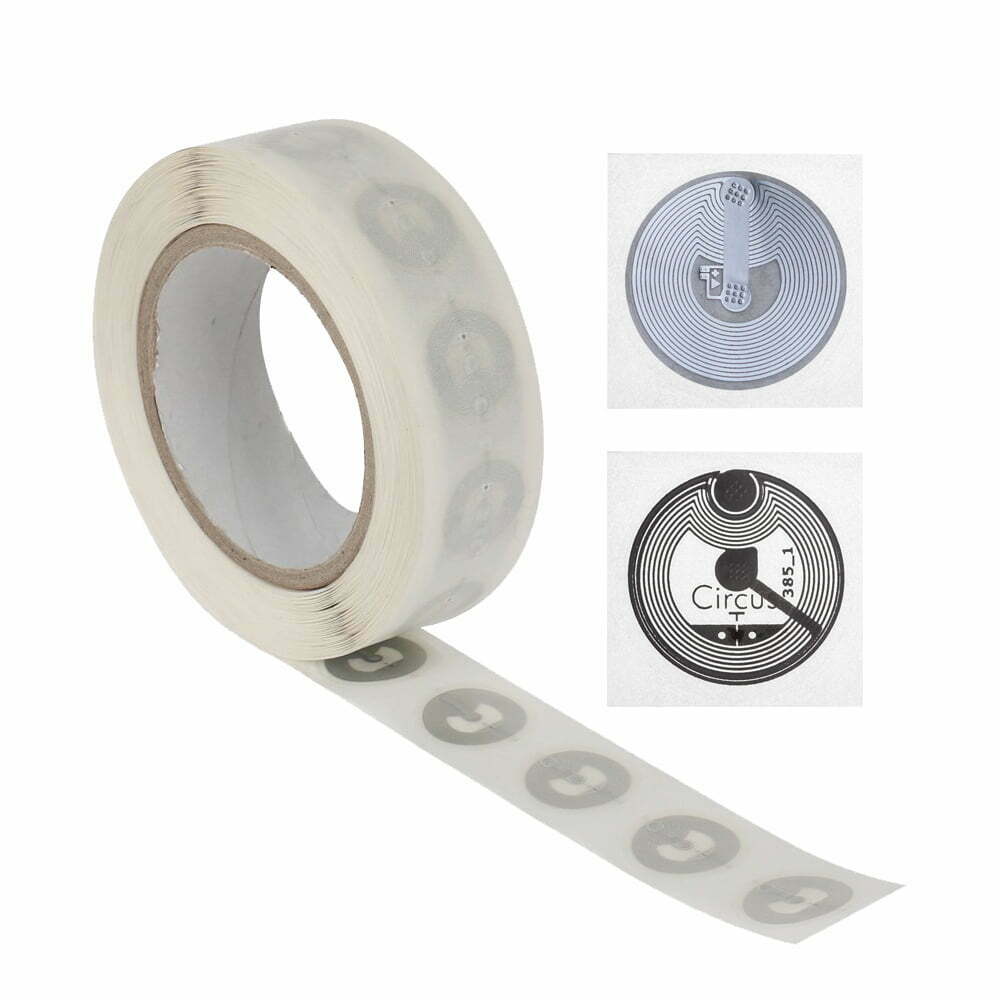
Zodra u de IC beperkt, je hebt nog steeds het juiste fysieke formaat nodig. NFCWORK, RFIDHY, RFIDTAGHY, en WRISTBANDHY bieden eindproducten aan die op deze chips zijn gebouwd. Gebruik onderstaande tabel om snel een chip toe te wijzen aan een overeenkomstige productcategorie uit ons portfolio.
>
| Applicatiedomein | Aanbevolen chip | Geschikte productcategorie | Bronsite |
|---|---|---|---|
| Basis-URL of digitaal visitekaartje delen | NTAG 213 | NFC-visitekaartjes, NFC-stickers | nfcwork.com |
| Digitaal productpaspoort of gemiddelde gegevensbelasting | NTAG 215 | NFC-tags, NFC-inlays voor kleding | nfcwork.com |
| Rijke inhoudsverpakking en consumentenbetrokkenheid | NTAG 216 | NFC-stickers, NFC-labels voor slimme verpakkingen | RFID.com, nfcwork.com |
| Authenticatie van luxe merken en anti-manipulatie | NTAG 424 DNA | NFC-tags voor luxe artikelen, NFC-inlays met originaliteitsbescherming | nfcwork.com, rfidtaghy.com |
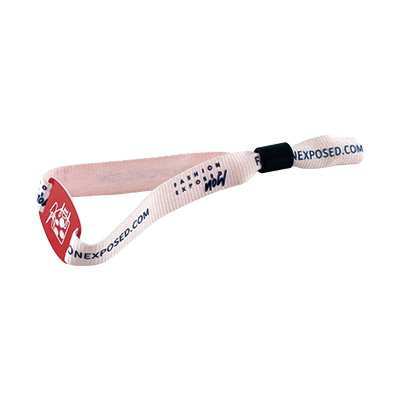
| Contactloze evenementenpolsbandjes met beveiligde toegang | NTAG 215 / NTAG 424 DNA | NFC-polsbandjes, NFC-siliconenpolsbandjes | polsbandhy.com |
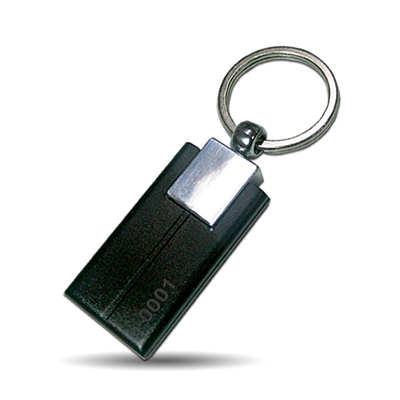
| Volgen van industriële activa en inventaris | ICODE SLIX | RFID-tags, RFID-labels, hoge temperatuur RFID-tags | rfidtaghy.com, rfidhy.com |
Het nemen van de definitieve beslissing
Begin met de applicatielaag: welke gegevens op de tag staan? Is end-to-end-encryptie verplicht?? Zullen lezers consumententelefoons zijn? (NFC-forum) of speciale RFID-infrastructuur (ISO 15693)? NTAG 213, 215, En 216 zorgen voor soepele interoperabiliteit in smartphone-gerichte gebruiksscenario's. NTAG 424 DNA is de oplossing als merkvertrouwen en data-integriteit niet in het gedrang kunnen komen. ICODE komt tussenbeide voor bulkscans en industriële omgevingen waar leessnelheid en afstand belangrijker zijn dan het tikken op smartphones. Door de chipspecificaties op één lijn te brengen met het uitvoerformaat, of het nu een NFC-inleg, NFC -polsbandje, of RFID-label—je zorgt voor een betrouwbare, kostengeoptimaliseerde oplossing.
1. Kan een smartphone zowel NTAG- als ICODE-chips lezen??
Meest moderne smartphones NTAG lezen (NFC Forum-compatibel) maar lees ISO niet 15693 (ICODE) zonder een speciale app of externe lezer. Voor consumenten-smartphone-interactie, NTAG is de juiste keuze.
2. Welke geheugengrootte heb ik echt nodig?
Er past een URL of een eenvoudig tekstrecord in 144 bytes (NTAG 213). Mogelijk is een digitaal productpaspoort met volledige kenmerken vereist 504 bytes (NTAG 215) of meer. NTAG 216 geeft ruimte voor rijke inhoud. Kies op basis van het maximale NDEF-bericht dat uw toepassing vereist.
3. Is NTAG 424 DNA is altijd nodig voor de veiligheid?
Niet altijd. Het is essentieel wanneer u cryptografisch verifieerbare authenticiteit en spiegeling van dynamische tapgegevens nodig heeft. Voor standaard, met een wachtwoord beveiligd geheugen, NTAG 213-216 kan volstaan. NTAG 424 DNA voegt AES-128-codering en SUN toe, waardoor het ideaal is voor de bestrijding van namaak.
4. Waar kan ik afgewerkte tags op deze chips vinden??
NFCWORK, RFIDHY, RFIDTAGHY, en WRISTBANDHY bieden allemaal NFC- en RFID-producten aan die zijn gebouwd op de hier behandelde chips. Voor uw specifieke chip kunt u een adviesgesprek aanvragen, vormfactor, en volumevereisten.
Klaar om het goede te kiezen NFC-chip voor uw volgende project? Ons team bij NFCWORK Technology helpt u bij het navigeren door de chipselectie, antenne ontwerp, en productcodering. Ontdek onze NFC-productlijn of neem contact met ons op om uw specificaties te bespreken. Wij bieden monsters en volumeprijzen op NTAG 213, 215, 216, 424 DNA, en op ICODE gebaseerde tags, inleg, en polsbandjes.