Waarom technologie tegen namaak niet langer optioneel is
De verwachting is dat de wereldhandel in namaakgoederen een omvang zal bereiken $2.8 biljoen door 2026. Voor merkbeschermingsmanagers en kwaliteitscompliance-leads, het selecteren van de juiste authenticatietechnologie is niet alleen een technische keuze, het is een strategische noodzaak. Een verkeerde beslissing kan leiden tot reputatieschade, juridische blootstelling, en direct inkomstenverlies. Drie technologieën domineren het landschap: hologrammen, QR-codes, en nabijeveldcommunicatie (NFC). Elk heeft verschillende afwegingen op het gebied van beveiliging, kosten, en gebruikerservaring. Deze gids biedt een datagestuurde vergelijking om u te helpen de oplossing te kiezen die aansluit bij uw risicoprofiel en operationele realiteit.
De drie authenticatietechnologieën begrijpen
Hologrammen: De eerste verdedigingslinie
Hologrammen zijn al tientallen jaren de traditionele standaard. Ze vertrouwen op optisch variabele apparaten die van uiterlijk veranderen wanneer ze vanuit verschillende hoeken worden bekeken. Terwijl ze een vertrouwd visueel signaal bieden, moderne replicatietechnieken hebben hun betrouwbaarheid aanzienlijk verminderd. Volgens studies uit de sector, over 60% van de hologrammen op in beslag genomen namaakgoederen waren optisch overtuigende replica’s. Scannen met hoge resolutie, 3D-afdrukken, en betaalbare holografische materialen maken dupliceren eenvoudiger dan ooit.
Belangrijke beperkingen zijn onder meer:
- Statische verificatie: Een hologram kan geen dynamische informatie communiceren of de status ervan bijwerken.
- Geen cryptografische bescherming: Er bestaat geen digitale handtekening die de authenticiteit op siliciumniveau kan bewijzen.
- Alleen visuele controle: Verificatie is volledig afhankelijk van het menselijk oordeel, wat inherent subjectief is.
QR -codes: De toegankelijke maar kwetsbare optie
QR-codes werden wijdverspreid gebruikt dankzij de lage kosten en de toegankelijkheid van smartphones. Wanneer gescand, ze leiden consumenten door naar een landingspagina, verificatieportaal, of traceerbaarheidsdatabase. Echter, de fundamentele kwetsbaarheid ligt in het feit dat een QR-code slechts een gedrukte URL is. Het kan worden gekopieerd, vervalst, of omgeleid zonder detectie. Vervalsers dupliceren vaak echte QR-codes en passen deze toe op namaakproducten, gebruikers naar dezelfde legitiem ogende webpagina leiden en het vertrouwen ondermijnen.
Veel voorkomende aanvalsvectoren zijn onder meer:
- Klonen: Een geldige QR-code kopiëren en deze repliceren op nagemaakte goederen.
- URL-spoofing: Omleiden naar een valse verificatiepagina die is ontworpen om gebruikersgegevens te verzamelen.
- Geen manipulatiebewijs: Het fysieke medium biedt geen bescherming tegen verwijdering of opnieuw aanbrengen.
NFC: Cryptografische beveiliging ontmoet consumentengemak
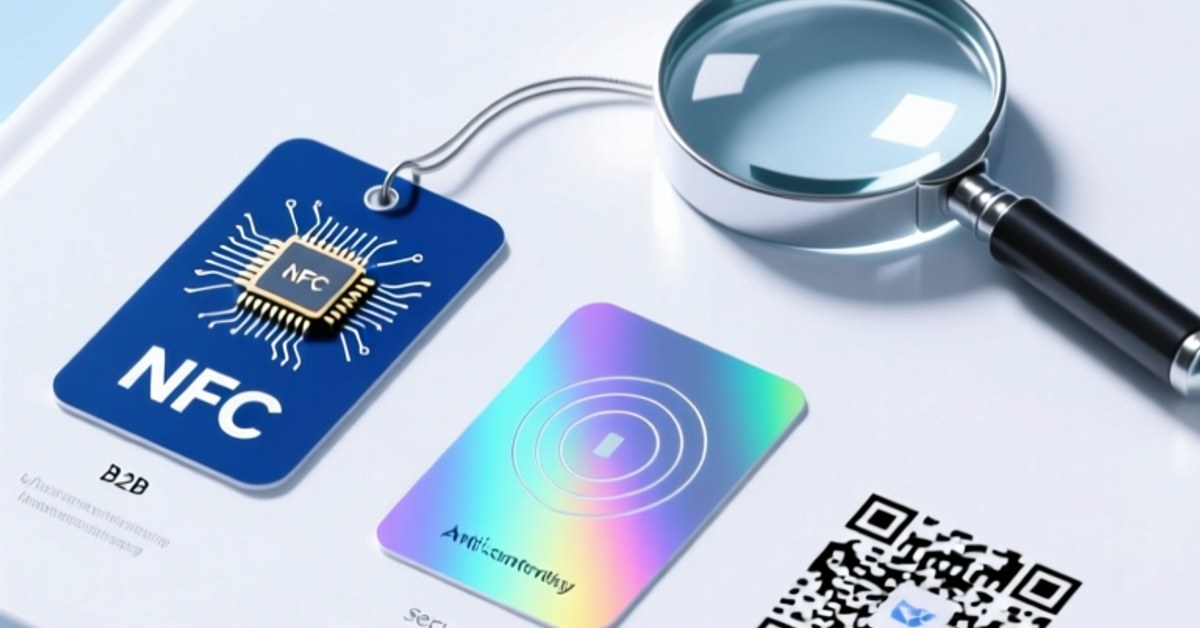
NFC-technologie integreert een veilige microchip in een productlabel of verpakking. In tegenstelling tot hologrammen en QR-codes, elk NFC-tag bevat een unieke cryptografische identificatie die niet kan worden gekloond. Wanneer een consument een NFC-compatibele smartphone tegen het product tikt, de chip voert een wederzijdse authenticatie-handshake uit met een cloudgebaseerde verificatieserver. Dit proces, vaak gebaseerd op AES of public-key infrastructuur (PKI), zorgt voor end-to-end beveiliging.
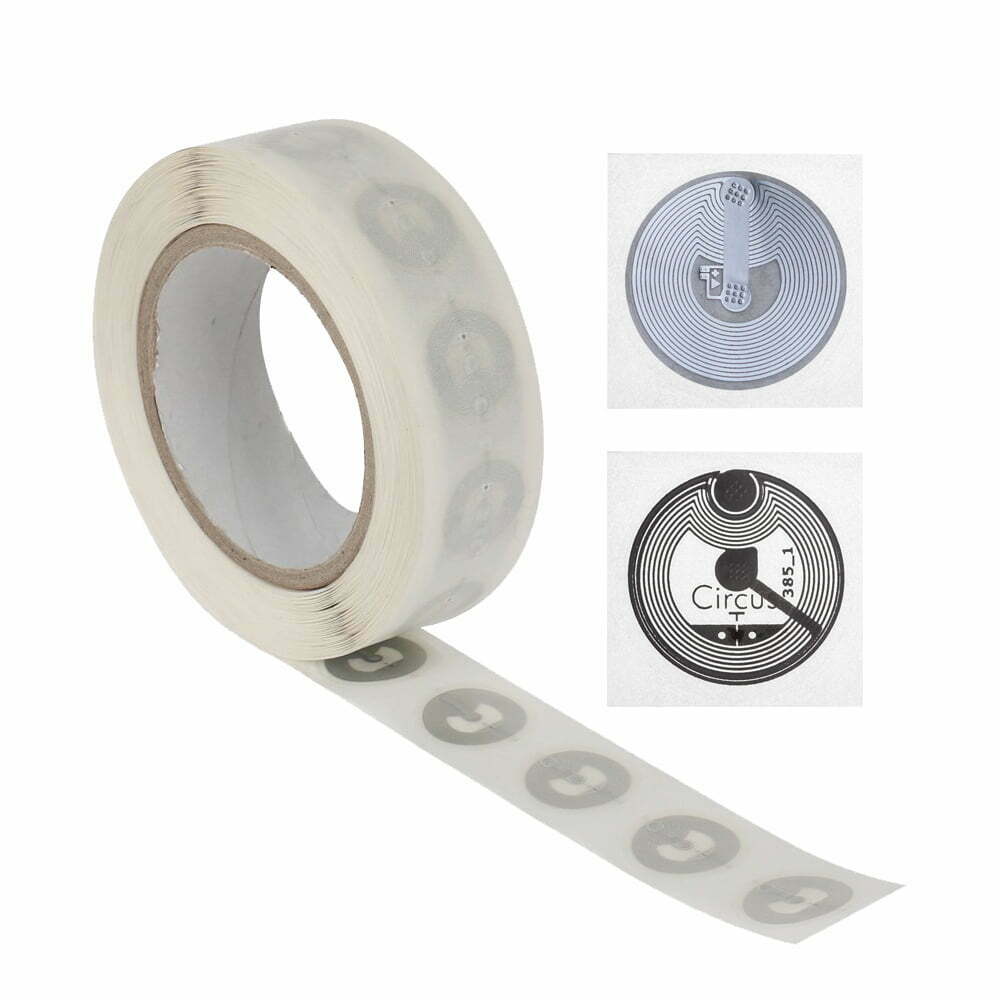
NFC-tags verkrijgbaar vanaf NFCWORK variëren van standaard NFC-stickers En NFC-inlays aan manipulatie-evident NFC natte inleg opties, het bieden van flexibiliteit voor verschillende verpakkingstypes. Voor luxe artikelen, gespecialiseerd NFC-tags met handtekeningverificatie bieden beveiliging op bankniveau zonder afbreuk te doen aan het ontwerp.
Vergelijkende analyse: Kosten, Beveiliging, en verifieerbaarheid
In de volgende tabel worden de kritische dimensies opgesomd die inkoop- en complianceteams evalueren tijdens de technologieselectie.
>
| Dimensie | Hologram | QR -code | NFC |
|---|---|---|---|
| Kosten per eenheid | Laag ($0.01–0,05) | Zeer laag (< $0.01) | Medium ($0.10–0,50, afhankelijk van chip en geheugen) |
| Moeilijkheid bij het klonen | Gematigd (maar toenemend) | Heel gemakkelijk | Extreem hoog (hardwarewortel van vertrouwen) |
| Cryptografische bescherming | Geen | Geen (URL-gebaseerd) | Encryptie op hardwareniveau (AES, ECC, enz.) |
| Offline verificatie | Alleen visuele inspectie | Vereist internet voor de landingspagina | Kan offline wederzijdse authenticatie uitvoeren met opgeslagen openbare sleutels |
| Consumenteninteractie | Passief kijken | Scannen met camera | Tik met NFC ingeschakeld smartphones (91% van apparaten) |
| Bewijsmateriaal vervalsen | Zwak (kan worden overlapt) | Geen | Beschikbaar via sabotagelussen en vernietigbare antennes |
| Integratie van de toeleveringsketen | Op zichzelf staand visueel element | Beperkte omleidingsmogelijkheden | Vol digitaal productpaspoort, realtime analyses |
| Klaar voor regelgeving | Minimaal | Basis (alleen serialisatie) | EU ESPR-compatibel, ondersteunt DPP Digitaal productpaspoort |
Het hologramprobleem: Waarom schijn kan bedriegen
Terwijl hologrammen een sterke merkherkenning genieten, ze lijden onder een fundamentele vertrouwenskloof. Zonder een referentiemonster kan een consument een echt, hoogbeveiligd hologram niet onderscheiden van een goed gemaakte namaak. Zelfs als de politie namaakgoederen in beslag neemt, Uit forensische analyse blijkt vaak dat de hologrammen zijn geproduceerd met dezelfde embossing-masters als de originelen, als gevolg van lekken in de toeleveringsketen. Voor complianceteams die te maken krijgen met strengere regelgeving (zoals de EU-richtlijn inzake vervalste geneesmiddelen) creëert het vertrouwen op een niet-verifieerbaar optisch kenmerk onaanvaardbare aansprakelijkheid.
Kwetsbaarheden in de QR-code in implementaties in de echte wereld
QR-codes worden vaak op de markt gebracht als ‘digitale authenticatie’,Maar ze missen het manipulatiebestendige element dat cruciaal is voor omgevingen met hoge inzet. Bij een goed gedocumenteerd incident, producenten van nagemaakte wijn in China printten echte QR-codes van authentieke flessen en plakten deze op vervalsingen; de verificatiepagina toonde elke keer ‘echt’. Zonder een hardware-verankerde identiteit, het systeem stort in. Verder, QR-codes kunnen na het verkooppunt worden vervangen, waardoor frauduleuze retourzendingen of garantieclaims mogelijk zijn.
NFC-chipbeveiligingsniveaus: Het juiste cijfer selecteren
Niet alle NFC-implementaties zijn gelijk. Productteams moeten de beveiligingsmogelijkheden van de chip afstemmen op het merkrisiconiveau:
- Standaard anti-namaak (NXP NTAG-serie): Biedt een uniek serienummer van 7 bytes en wachtwoordbeveiliging. Geschikt voor consumentengoederen en accessoires uit het middensegment.
- Geavanceerde cryptografie (NXP ICODE-DNA, ST25TA): Beschikt over ingebouwde AES-128-codering en dynamische wederzijdse authenticatie. Elke scan produceert een eenmalige respons die niet opnieuw kan worden afgespeeld. Ideaal voor luxe horloges, premium sterke drank, en farmaceutische producten.
- Veilige elementen van bankkwaliteit (Infineon, NXP SmartMX): Werkt als een speciale, beveiligde microcontroller met PKI, geschikt voor gereguleerde industrieën en hoogwaardige activa.
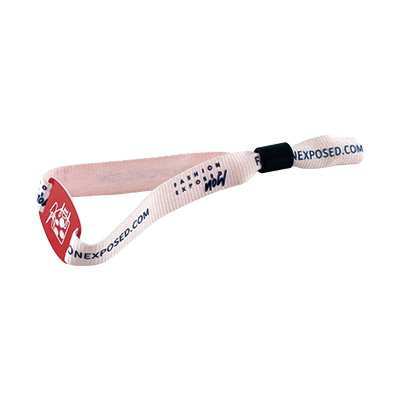
Het productassortiment van NFCWORK bevat tags met deze verschillende beveiligingsniveaus, en tevens fraudebestendig NFC-polsbandjes En NFC-siliconenpolsbandjes voor toegangscontrole voor gebeurtenissen en draagbare authenticatiescenario's. Voor luxe authenticatie, NFC-inlays geïntegreerd in de verpakking zorgen voor een naadloos geheel, onopvallende ruit die het prestige van het merk versterkt.
Beslissingskader: Hoe u de juiste technologie kiest
Gebruik de volgende selectielogica om technologie af te stemmen op uw bedrijfsdoelstellingen.
- Als kosten de absolute prioriteit zijn en de productmarge erg klein is: Overweeg geserialiseerde QR-codes met een robuust backend-analyseplatform, maar accepteer het risico van klonen. Combineer met geheime forensische markers voor een extra laag.
- Als gematigde beveiliging en merkherkenning nodig zijn: Een gelaagde aanpak met behulp van hologrammen plus NFC-tags op hoogwaardige SKU's zorgt voor een zichtbaar afschrikmiddel en digitale verificatie. Veel luxemerken combineren succesvol NFC-tags met een decoratieve holografische folie voor authenticatie met twee effecten.
- Als naleving van de regelgeving en het consumentenvertrouwen van cruciaal belang zijn: NFC met cryptografische authenticatie is de minimaal haalbare standaard. Het Digital Product Passport-mandaat van de EU ESPR beveelt expliciet ingebedde elektronische identificatiemiddelen aan boven gedrukte labels. Ontdek NFC-gebaseerd authenticatie van luxe artikelen oplossingen om aan deze eisen te voldoen.
Bij het beoordelen van leveranciers, vraag naar de veiligheidscertificering van de chipfabrikant, integratieondersteuning voor uw ERP/MES-systemen, en de mogelijkheid van aangepaste URL-schema's die de ervaring na het tikken verbeteren. Oplossingen van NFCWORK-technologie bied end-to-end ondersteuning, van tagselectie tot cloudverificatie-infrastructuur, zodat u kunt inzetten zonder gefragmenteerde toeleveringsketens.
Maak uw merkbeschermingsstrategie toekomstbestendig
De bestrijding van namaak is een bewegend doelwit. De technologie die u vandaag de dag kiest, moet zich kunnen aanpassen aan veranderende dreigingen en veranderende regelgeving. NFC biedt een platform voor voortdurende upgrades: nieuwe cryptografische algoritmen kunnen via de ether via bijbehorende applicaties worden ingericht, en de hardware blijft achterwaarts compatibel met de volgende generatie smartphones. Naarmate augmented reality en Web3-merkervaringen ontstaan, NFC fungeert als een fysiek-digitale brug die een statisch hologram of een gedrukte QR-code eenvoudigweg niet kan emuleren.
Veelgestelde vragen
Is NFC duurder dan hologrammen?
De eenheidskosten van een NFC-tag zijn hoger dan die van een standaardhologram, maar de totale eigendomskosten zijn vaak lager als u rekening houdt met minder verliezen door namaak, geautomatiseerde supply chain-gegevens, en verbeterde consumentenbetrokkenheid. NFC-tags maken ook terugkerende waarde mogelijk via digitale diensten na aankoop.
Kunnen QR-codes veilig genoeg worden gemaakt voor merkbescherming??
QR-codes alleen kunnen geen beveiliging op hardwareniveau bieden. Terwijl u serialisatie- en validatieservers kunt toevoegen, de fysieke tag blijft kopieerbaar. Voor industrieën waar klonen ernstige schade kan veroorzaken, NFC is de aanbevolen aanpak.
Weten consumenten hoe ze NFC kunnen gebruiken voor authenticatie??
Ja. Met de opkomst van contactloze betalingen en Apple Pay/Google Wallet, over 91% van de smartphones wereldwijd ondersteunt NFC-lezen. Een eenvoudig ‘tik om te verifiëren’-bericht op de verpakking is voldoende om gebruikers te begeleiden.
Wat is het voordeel van NFC ten opzichte van RFID bij de bestrijding van namaak?
NFC werkt op 13.56 MHz en is speciaal ontworpen voor nabijheidsauthenticatie met consumentensmartphones. RFID (UHF) is beter geschikt voor het volgen van bulkvoorraden. Voor consumentgerichte verificatie, NFC is de standaard.
Hoe kan NFCWORK helpen bij de implementatie?
NFCWORK biedt een volledig portfolio van NFC-tags, NFC-stickers, NFC natte inlays, En NFC-polsbandjes ontworpen voor authenticatie. We bieden ook maatwerkdiensten voor het geheugen, codering, en cloudintegratie om aan uw beveiligingsvereisten te voldoen.
Bescherm uw merk met de juiste authenticatietechnologie
Bij NFCWORK-technologie, we begrijpen het genuanceerde evenwicht tussen kosten, beveiliging, en gebruikerservaring. Ons team heeft wereldwijde merken geholpen op het gebied van luxe, farmaceutisch, en de consumptiegoederensector maken gebruik van veilige NFC-authenticatieoplossingen die namaak terugdringen en het vertrouwen van klanten vergroten.
Neem contact met ons op voor advies of verken onze NFC-productportfolio om de juiste hardware voor uw project te vinden.