Yeniden Satış Devrimi ve Sahte Krizi
Spor ayakkabı yeniden satış pazarı artık niş bir alt kültür değil; milyarlarca dolarlık küresel bir ekonomiye dönüştü. StockX gibi platformlar, KEÇİ, ve Grailed, spor ayakkabıların takas edilebilir varlıklar olduğu fikrini normalleştirdi, Sınırlı sayıdaki ürünler saniyeler içinde tükeniyor ve ikincil piyasalarda perakende fiyatının 2 ila 10 katı fiyatla yeniden ortaya çıkıyor. Sektör analizine göre, spor ayakkabı yeniden satış pazarının ulaşabileceği $30 milyar 2030. Ancak bu büyümeyle birlikte sahte ürünlerde de aynı derecede endişe verici bir artış yaşanıyor. Gelişmiş kopya fabrikaları artık deneyimli kimlik doğrulamacıları bile kandıracak mükemmele yakın sahte ürünler üretiyor, Tüketici güvenini baltalamak ve marka değerini aşındırmak. Spor markaları ve sokak giyimi etiketleri için, Bu sadece bir gelir kaçağı sorunu değil; abartılı ürünleri çekici kılan, zorlukla elde edilen kültürel sermayeye yönelik doğrudan bir tehdittir..
Görsel Kimlik Doğrulama Neden Artık Yeterli Değil?
Geleneksel kimlik doğrulama büyük ölçüde insan uzmanlığına dayanır: dikiş kontrolü, malzeme, kutu etiketleri, ve koku. Fakat, kopyalar gelişti. Yüksek kaliteli sahte ürünler artık hologramları kopyalıyor, SKU numaraları, ve hatta etiketlere dokunmuş RFID iplikleri bile. Görsel inceleme çoğu zaman orijinali sahtesinden ayırt etmekte başarısız olur, özellikle alıcılar yeniden satış platformları aracılığıyla çevrimiçi alışveriş yaparken. Bu belirsizlik tüketiciyi kaygılandırıyor, ters ibrazlar, ve yeniden satış piyasasının likiditesi üzerinde caydırıcı bir etki. Markaların kurcalanmaya karşı dayanıklı olması gerekiyor, ölçeklenebilir, ve orijinalliği doğrulamak için tüketici dostu bir yöntem. NFC ürün kimlik doğrulaması bu çözüm olarak ortaya çıkıyor.
NFC Avantajı: Tek Dokunuş, Mutlak Kesinlik
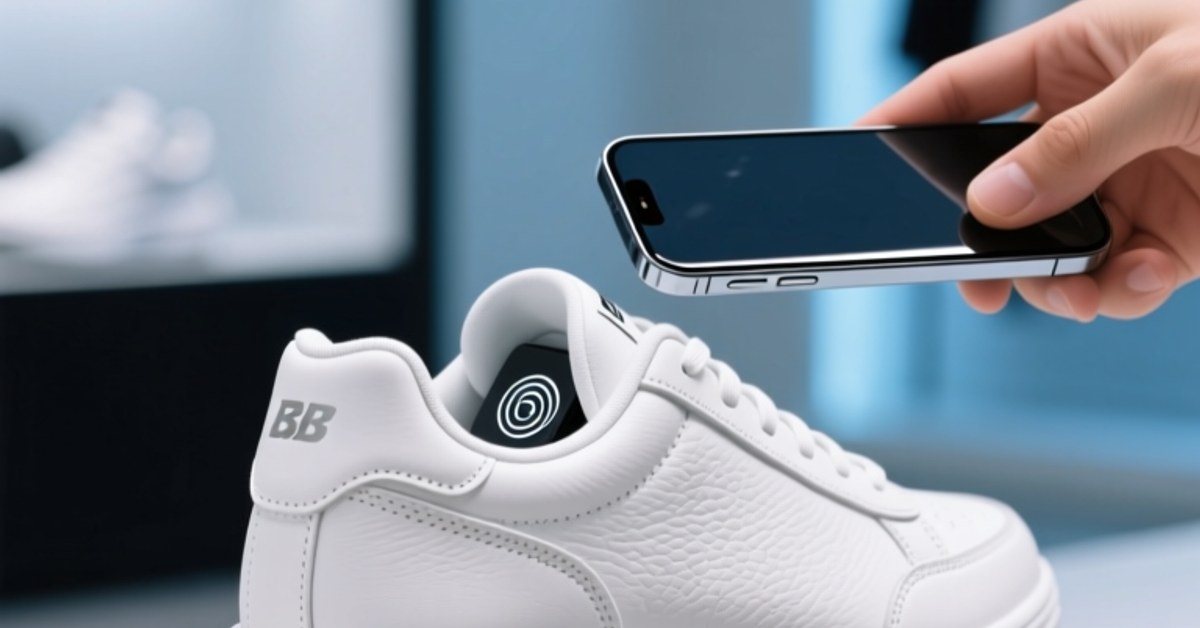
Yakın Alan İletişimi (NFC) Etiketler küçük, passive chips that can be embedded into a product and read by any modern smartphone with a simple tap. QR kodlarının aksine, which can be easily copied, BİR NFC etiketi can carry a unique cryptographic signature that proves the product’s origin. For sneakers, this means embedding an NFC insole tag or attaching an NFC-enabled hangtag that links to a secure digital passport. The tag cannot be cloned without access to the brand’s private key infrastructure, and each tap can be logged on a blockchain-like ledger, creating an immutable chain of custody. For resale verification, this is transformative: a buyer can tap a used sneaker with their phone and instantly confirm whether it’s authentic, when it was manufactured, and even its previous ownership history if the brand chooses to share that data.
Designing NFC Tags for Sneakers: Insole, Etiketi asın, veya Kutu?
NFC'yi spor ayakkabılara entegre ederken, markalar kullanıcı yolculuğunu dikkate almalı. Üç ortak fiziksel form faktörü ortaya çıktı:
- NFC iç taban etiketleri: Tipik olarak iç tabanın katmanları arasında lamine edilmiş esnek bir NFC dolgusu. Giyerken görünmez, son derece dayanıklı, ve ayakkabının yapısal bütünlüğünü bozmadan çıkarılamaz; kurcalamaya karşı güçlü bir özelliktir. Etiketin sonsuza kadar üründe kalacağı yüksek ısı salınımları için idealdir.
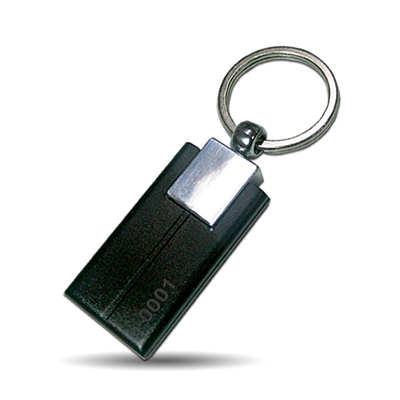
- NFC etiketleri: Genellikle güvenlik döngüsüne sahip markalı bir kart. Göze çarpıyorlar, yeniden satış noktasında taranması kolaydır, ve pazarlama taşıyıcısı olarak da kullanılabilir. Fakat, güvenli bir dijital doğrulama süreciyle eşleştirilmezlerse sahte ürünlerde çıkarılıp yeniden kullanılması daha kolaydır.
- Akıllı kutu etiketleri: Bir NFC etiketi ayakkabı kutusuna uygulandı. Bu, ayakkabının orijinal durumunu korur ve paketleme hattında uygulanması kolaydır, ancak kutular değiştirilebilir. Yüksek değerli sınırlı sürümler için, kutu etiketi ve iç taban etiketi kombinasyonu katmanlı güvenlik sağlar.
Her form faktörü, şu adreste bulunanlar gibi özel NFC ürün sağlayıcılarından temin edilebilir: rfidhy.com, sunan NFC etiketleri, NFC çıkartmaları, ve marka kimlik doğrulaması için tasarlanmış NFC kaplamaları. Çip seçimi (Örn., NTAG 424 AES şifrelemeli DNA) güvenlik düzeyini ve birim başına maliyeti belirler. Lüks sokak giyimi için, Güvenli bir NFC etiketinin artan maliyeti, tek bir sahte satışın itibar kaybına kıyasla ihmal edilebilir düzeydedir.
Yeniden Satış Platformu Entegrasyonu: Doğrulanmış Bir Ekosistem Oluşturmak
NFC kimlik doğrulamasının yeniden satış savaşını gerçekten kazanması için, işlemlerin gerçekleştiği platformlarla sorunsuz bir şekilde entegre olmalıdır. Bir satıcı bir spor ayakkabısını pazar yerinde listelediğinde, platform, yeni bir doğrulama jetonu oluşturmak için NFC etiketine dokunmalarını isteyebilir. Platform daha sonra bu tokenı markanın tesciliyle karşılaştırır., Spor ayakkabının orijinal olduğundan ve çalıntı olarak işaretlenmediğinden emin olmak. Bu, platformun manuel kimlik doğrulama merkezlerine bağımlılığını azaltır, listeleme onayını hızlandırır, hatta alıcının güvenini ve satış fiyatlarını artıran bir "VeriTap" rozeti bile sağlayabilir.
Markalar için, bu, ikincil piyasaya doğrudan kontrol etmeden katılma fırsatı yaratır. Bir teklif sunarak NFC tabanlı çözüm, her yeniden satış taramasının kendi API'leri aracılığıyla yönlendirilmesini gerektirebilirler, onlara ürünün yolculuğunu görünür kılmak. Ayrıca, satın alma işlemlerini bağlılık puanları veya özel indirimlere erişim ile doğrulayan tüketicileri ödüllendirerek her yeniden satışı bir marka etkileşimi anına dönüştürebilirler..
Satış Sonrası Etkileşim: İşlemden İlişkiye
Kimlik doğrulama yalnızca başlangıçtır. Bir tüketici NFC spor ayakkabı etiketine dokunduğunda, marka tarafından kontrol edilen bir mobil deneyime ulaşıyorlar. Bu açılış sayfasının sunabileceği:
- Mülkiyet kanıtı ve dijital bir orijinallik sertifikası.
- Ürün bakım talimatları veya stil kılavuzları.
- Özel içerik perde arkası tasarım hikayeleri veya sanatçı işbirlikleri gibi.
- Yeniden satış portalına erişim öğeyi doğrulanmış durumdaki resmi olarak yeniden listeleyebilecekleri yer.
- Sadakat puanları birincil ve ikincil satın almalar arasında köprü oluşturan, marka bağlılığını teşvik etmek.
Bu, statik bir ürünü yaşayan bir marka varlığına dönüştürür. İlk satıştan sonra müşteriyle iletişimi kaybetmek yerine, marka artık doğrudan, spor ayakkabı her el değiştirdiğinde etkileşim için katılım kanalı. Bu veriler, ürünlerin ömrünü ve dolaşımını anlamak açısından çok değerlidir., gelecekteki üretim süreçlerine ve sahtecilikle mücadele stratejilerine bilgi verebilecek.
Ölçeklenebilir NFC Dağıtımı için Donanım ve Altyapı
Küresel bir NFC kimlik doğrulama programının uygulanması, güvenilir kodlama ve okuma altyapısı gerektirir. Üretim sırasında, NFC etiketleri endüstriyel sınıf kullanılarak yüksek hızda kodlanabilir RFID/NFC masaüstü okuyucular veya entegre RFID modülleri. Perakende ortamları ve konsinye mağazaları için, A el tipi UHF RFID okuyucu veya NFC özellikli POS terminali, satış noktasında etiketleri etkinleştirmek veya ürünleri doğrulamak için kullanılabilir. Uzak alan lojistiği ile çalışan markalar da NFC'yi aşağıdakilerle eşleştirebilir: UHF RFID etiketleri depo takibi için, daha sonra tüketiciye yönelik kimlik doğrulama için NFC'yi kullanın. Teknolojilerin birleşimi fabrikadan ayağa kesintisiz bir akış sağlar.
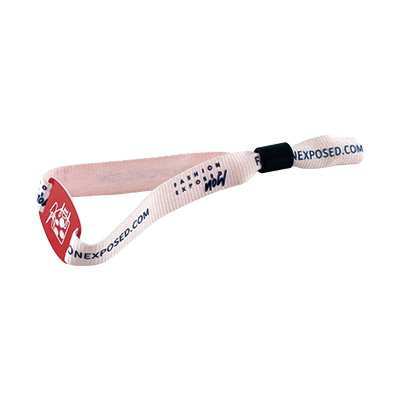
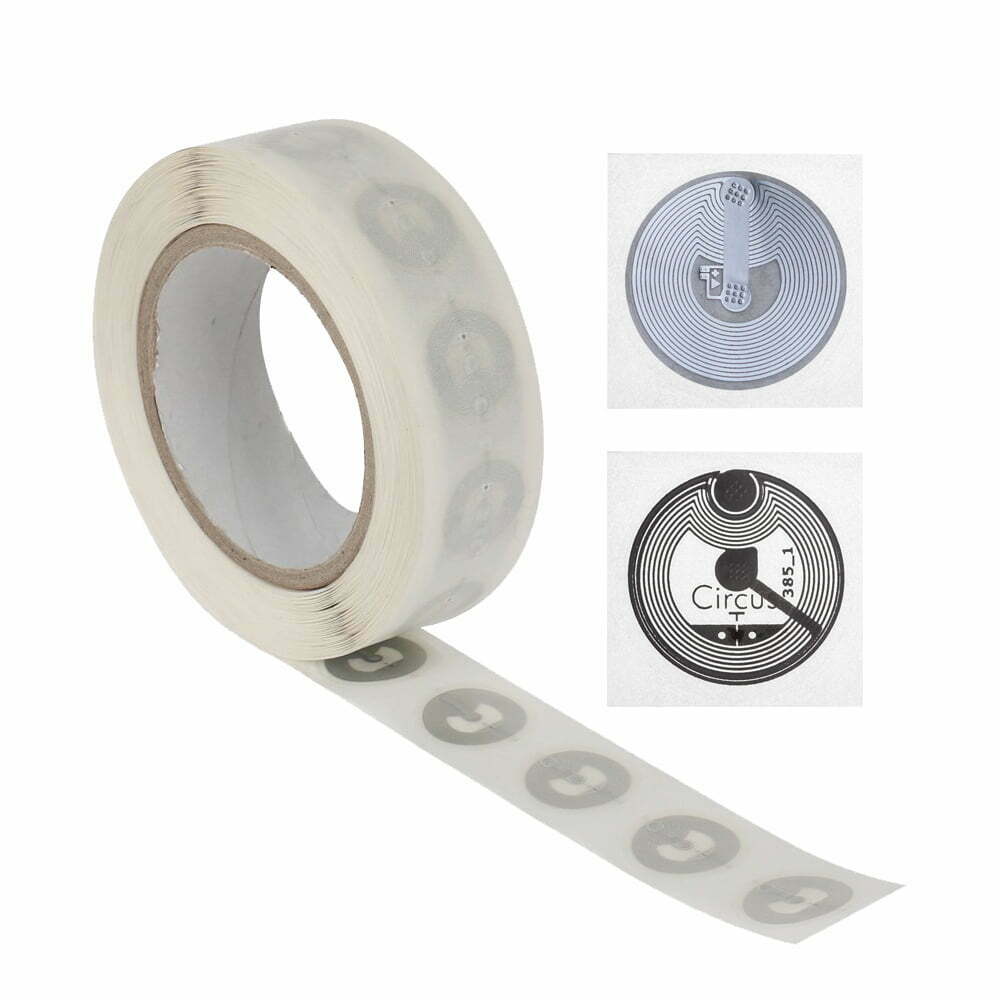
RFIDHY ve NFCWORK geniş bir kodlama ekipmanı ve etiket portföyü sunar, içermek NFC çıkartmaları, esnek NFC kaplamaları ayakkabı için, ve güvenli NFC bileklikleri tamamı markanın görsel kimliğine göre özelleştirilebilen özel etkinlikler için. Mevcut üretim hatlarıyla entegrasyon genellikle kesintiye neden olmaz ve ürün hattında ürün hattına göre aşamalı olarak gerçekleştirilebilir.
Endişelerin Ele Alınması: Maliyet, Dayanıklılık, ve Gizlilik
Şüpheciler, NFC etiketlerinin bir spor ayakkabının malzeme listesine kabul edilemez bir maliyet ekleyip eklemediğini sorgulayabilir. Gerçekte, orta güvenlikli NFC etiketleri hacim olarak birkaç kuruşla fiyatlandırılır, ve yatırım getirisi azaltılmış ters ibrazlarla ölçülür, artan marka güveni, ve potansiyel olarak daha yüksek yeniden satış değerleri. Dayanıklılık başka bir ortak husustur; iyi tasarlanmış NFC iç taban etiketleri binlerce esnek döngüye ve nem ve ısıya maruz kalmaya dayanıklıdır. Önemli olan, ayakkabı uygulamalarını anlayan uzman bir üreticiden doğru etiketi seçmektir.
Gizlilik hakkında, markalar sistemi, NFC etiketinin kişisel olarak tanımlanabilecek bilgileri iletmeyeceği şekilde tasarlamalıdır (Kişisel Bilgiler). Etiketin kendisi benzersiz bir tanımlayıcı taşır; yalnızca özel bir uygulama veya platformla tarandığında bilgileri ortaya çıkarır, ve tüketici neyi paylaşacağını seçebilir. Kimlik doğrulama hizmetinin etkinleştirilmesi ve konum verilerinin anonimleştirilmesiyle GDPR uyumluluğu korunabilir.
Rekabet Ortamı: Erken Benimseyenler ve Farklılaştırıcılar
Bazı lüks moda evleri çanta ve saatlerde NFC'yi denemiş olsa da, Yeniden satış kültürünün önemi nedeniyle spor ayakkabı markaları benzersiz bir fırsata sahip. Birkaç ileri görüşlü etiket, NFC etiketlerine bağlı dijital pasaportlara pilotluk yaptı. Temel fark yaratan unsurlar kullanım kolaylığıdır (özel bir uygulamaya gerek yok; yalnızca dokunun), güvenlik (açık anahtarlı şifreleme), ve musluk sonrası deneyimin zenginliği. NFC'yi ikna edici bir sadakat veya yeniden satış programıyla eşleştiren markalar, yalnızca sahte ürünlerle mücadele etmekle kalmaz, aynı zamanda toplulukla ilişkilerini de derinleştirir..
Sokak etiketleri, özellikle, topluluk ve ayrıcalıkla gelişin. NFC tabanlı kimlik doğrulama, üyelik anahtarı olarak konumlandırılabilir, sahiplere gizli ödüllere erişim hakkı verilmesi, gelecekteki renk gruplarında oy hakları, veya marka etkinliklerine giriş - sahteciliğe karşı önlemlerin yanı sıra faydayı da katmanlandırmak ve markanın ürünlerini ikincil piyasada daha değerli kılmak.
Çözüm: Hype'ın Geleceğini Güvenceye Almak
Spor ayakkabı yeniden satış savaşı yalnızca yasal baskılarla kazanılmayacak. Ürünleri doğuştan gelen özelliklerle donatmayı gerektirir, kopyalanamaz orijinallik kanıtı. NFC kimlik doğrulaması güvenli bir, ölçeklenebilir, ve tüketici dostu cevap, markaların öz sermayelerini korumalarını sağlamak, iş ortakları dolandırıcılığı azaltmak için yeniden satış platformlarını seviyor, ve tüketicilerin güvenle alıp satmalarını. NFC etiketlerini tabanlıklara yerleştirerek, Etiketler, veya bunları paketleyip dinamik bir bulut ekosistemine bağlamak, ayakkabı endüstrisi her spor ayakkabıyı küresel bir özgünlük ağında güvenilir bir düğüme dönüştürebilir. Artık spor markalarının ve sokak giyim markalarının yatırım yapma zamanı Dijital Ürün Pasaportları ve ikincil piyasa anlatılarının kontrolünü geri almak.
SSS
NFC kimlik doğrulamasının spor ayakkabı doğrulaması için QR kodlarından farkı nedir??
NFC etiketleri, klonlanması son derece zor olan, kriptografik olarak güvenli benzersiz kimlikleri gömebilir, QR kodları kolayca kopyalanıp yeniden yazdırılabilirken. NFC ayrıca düşük ışıkta tarama zorlukları olmadan kusursuz bir tek dokunuş deneyimi sağlar, ve kurcalanmaya karşı dayanıklı fiziksel tasarımlarla entegre edilebilir.
Düzenli kullanım ve temizlik sırasında NFC etiketleri spor ayakkabının içinde kalabilir mi??
Evet. Ayakkabılar için tasarlanmış özel esnek NFC dolguları binlerce esnek döngüye dayanabilir, nem, ve hatta hafif temizlik. İç taban veya dil içerisine doğru laminasyon ve yerleştirme, konfordan ödün vermeden uzun ömür sağlar.
Birisi NFC iç taban etiketini çıkarıp sahte bir ayakkabının içine koymaya çalışırsa ne olur??
Markalar etiketi çıkarıldığında fiziksel olarak hasar görecek şekilde tasarlayabilir (kurcalanmaya açık), ve dijital kayıt, orijinal ürününden ayrılmış bir etiketi işaretleyebilir. Arka uç sistemi, olağandışı bir etkinlik tespit edilirse etiketi de kilitleyebilir.
Yeniden satış platformları NFC kimlik doğrulamalı spor ayakkabılarını nasıl doğrular??
Marka tarafından sağlanan bir API aracılığıyla, platform, etikete bir sorgulama gönderebilir ve kriptografik yanıtı gerçek zamanlı olarak doğrulayabilir. Bu, öğenin orijinal olmasını ve çalındığının bildirilmemesini sağlar, spor ayakkabıyı bir merkeze göndermeden kimlik doğrulamayı kolaylaştırma.
Bir sokak giyimi markası için NFC tabanlı kimlik doğrulamanın uygulanması pahalı mıdır??
Orta ila büyük üretim çalışmaları için, güvenli NFC etiketlerinin birim başına maliyeti çok düşüktür; genellikle bir dolardan azdır. Sahte hasar maliyetiyle karşılaştırıldığında, ters ibrazlar, ve marka değerini kaybettik, yüksek yatırım getirisi olan bir yatırımı temsil eder.
Spor ayakkabılarınızı ve sokak kıyafetlerinizi NFC kimlik doğrulamasıyla korumaya hazır? NFCWORK Technology'da çalışıyor, Güvenli NFC kaplamaları ve kodlama ekipmanlarından dijital pasaport platformlarına kadar uçtan uca çözümler sunuyoruz. Ürün yelpazemizi keşfedin NFC etiketleri ve aksesuarları veya bir sonraki sınırlı sayıdaki üretiminiz için bir pilot projeyi görüşmek üzere ekibimizle iletişime geçin. Güven inşa edelim, her seferinde bir dokunuş.