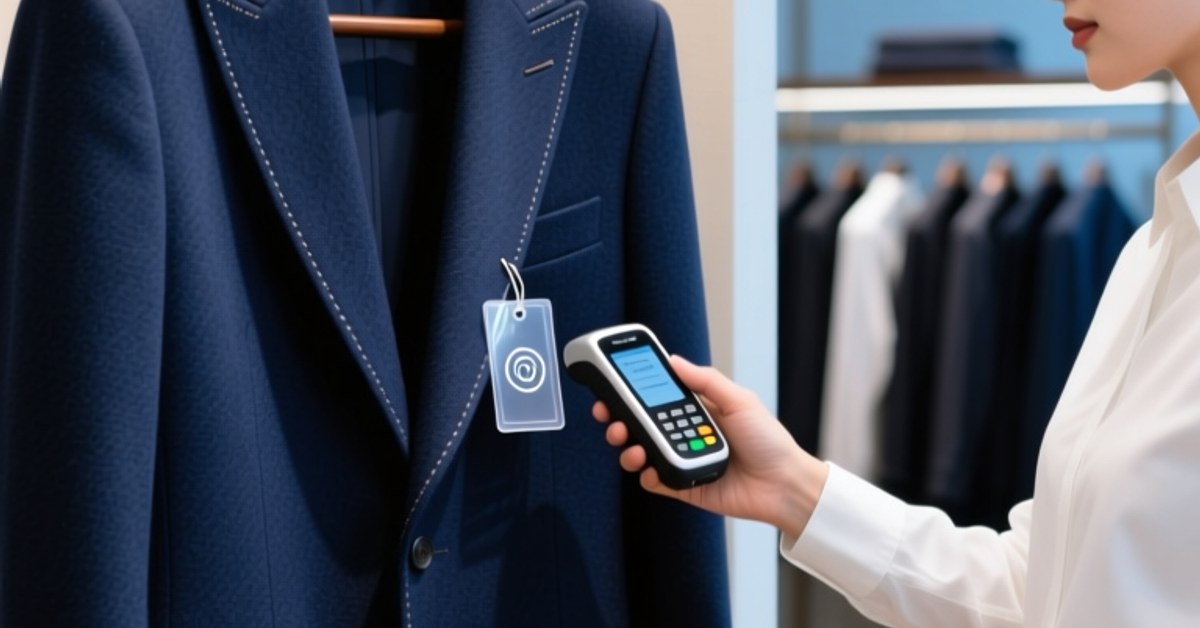
Luxury apparel is an industry built on provenance, craftsmanship, ve güven. Günümüzün küresel pazarında, that trust is constantly tested by counterfeiters, unauthorized distributors, and confusing online offers. For fashion houses, department stores, and premium apparel brands, a secure garment is more than a label; it is a promise that must survive every stage of ownership.
NFC authentication gives luxury apparel brands a practical way to protect that promise. By embedding an NFC inlay or a durable RFID Etiketi inside a care label, seam, or removable hangtag, a brand can create a digital identity for each product. This identity can be scanned by retail staff, logistics partners, tüketiciler, and resale platforms.
The Apparel Counterfeit Market: Why Fashion Brands Need a New Defense
Counterfeit apparel has evolved from poor-quality copies sold in street markets into an organized industry that imitates stitching, ambalajlama, Etiketler, and serial numbers. The challenge is not limited to runway fashion. It affects designer denim, luxury knitwear, formal wear, outerwear, and accessories across every pricing tier.
A counterfeit garment can damage a brand in ways that are difficult to repair. A buyer of a fake product may judge the brand by poor quality, inadequate materials, or disappointing after-sales experience. Counterfeit garments also expose brands to safety, intellectual property, and compliance concerns when materials, dyes, etiketler, or hardware do not meet required standards.
- Brand equity is diluted every time a fake product reaches the consumer and remains undiscovered.
- Retailers lose margin on fraudulent returns, service claims, and markdowns linked to product ambiguity.
- Resale platforms carry higher risk when product provenance cannot be verified.
- Designers lose the ability to learn from genuine customer feedback if counterfeit items are mixed into authentic sales data.
An effective luxury apparel anti-counterfeit strategy therefore combines prevention, detection, ve nişan. This is where fashion NFC authentication becomes a powerful part of the product lifecycle.
How Fashion NFC Authentication Works
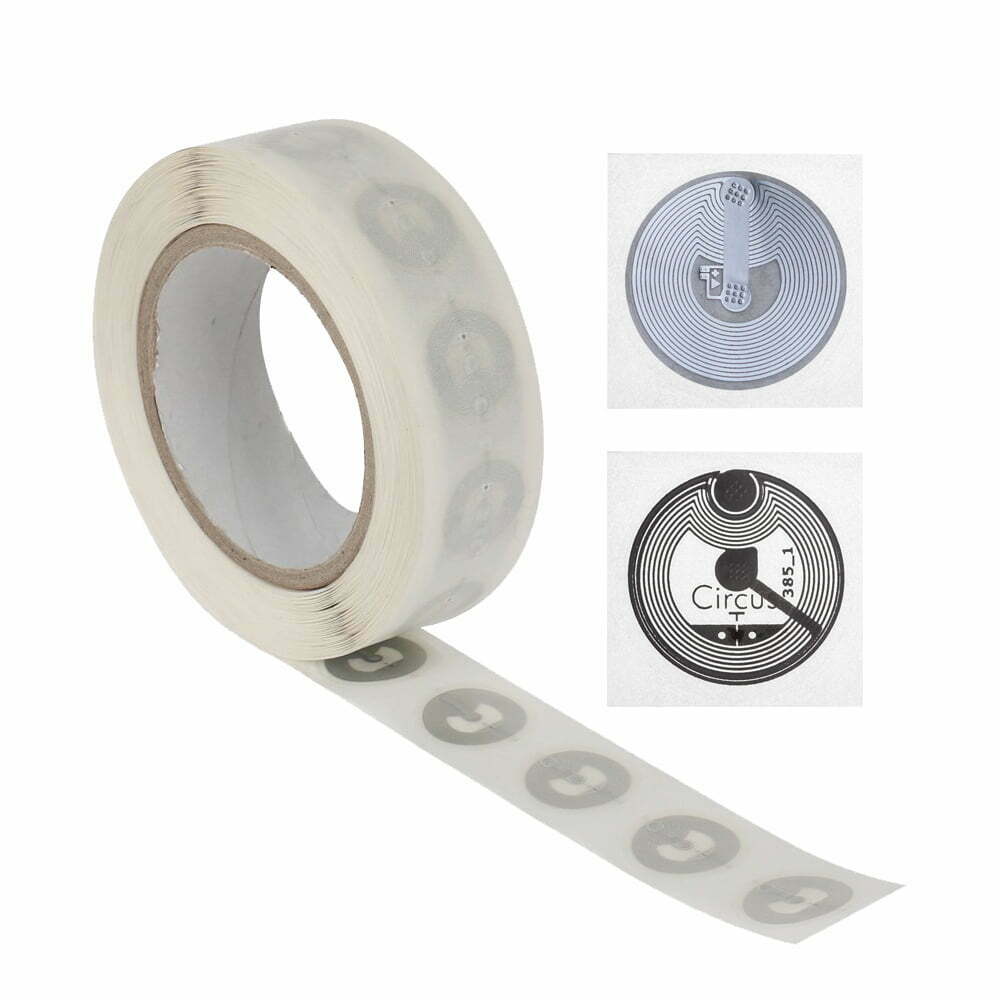
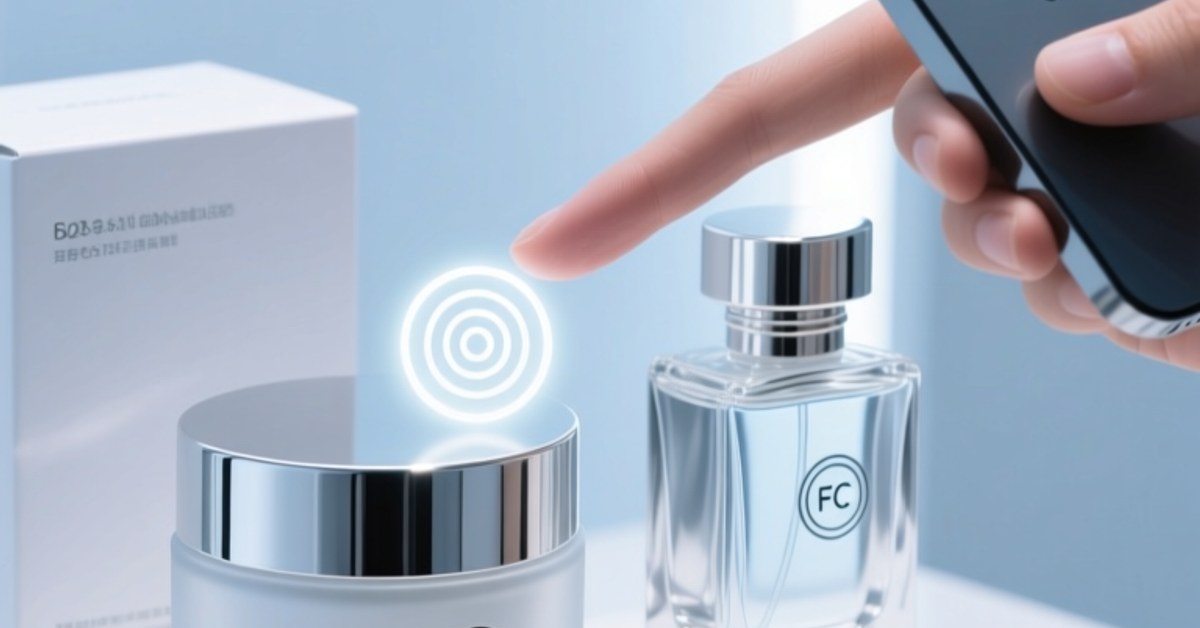
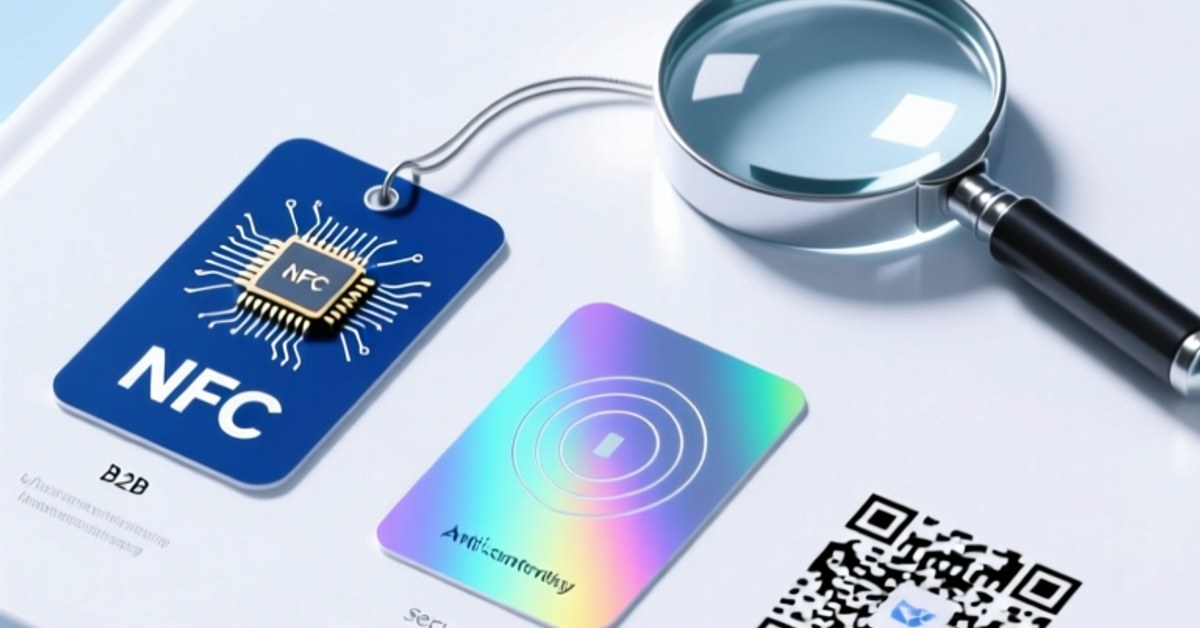
NFC, or near-field communication, is a short-range wireless technology. Bir NFC etiketi contains a small chip and antenna. When an NFC-enabled smartphone or a specialized reader comes into range, the tag transmits its unique identifier and any stored data. The phone or reader then connects to a secure online registry to verify product information.
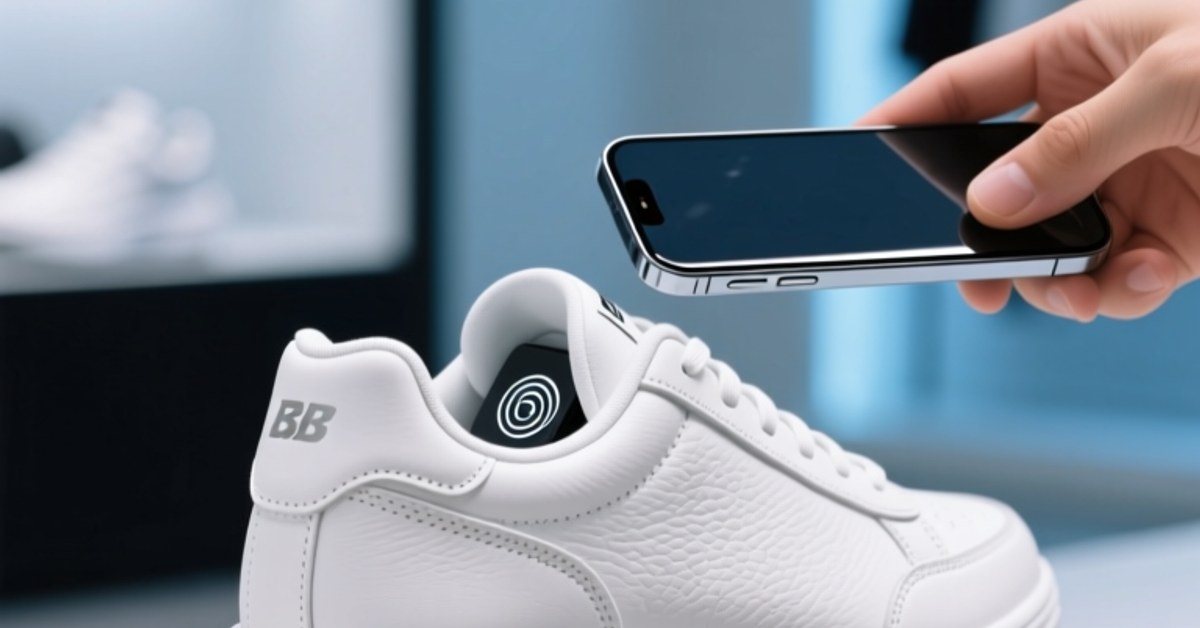
A garment authenticity tag built with an NFC çipi can carry an identifier that is difficult to copy. Because the chip is hidden inside the product, removing or transferring it without visible damage is not practical for counterfeiters. Physical integration itself creates a barrier.
For fashion brands, this means each item can be assigned a digital product record with authentication events, collection information, material details, bakım talimatları, and previous checks. This record can evolve as the product moves through retail, kiralama, resale, and aftercare. Fashion houses increasingly use the same digital record for Digital_Product_Passport initiatives and circular business models.
Washable Tag Solutions for Garments That Live in the Washing Machine
A common question is whether an NFC tag can survive repeated washing. The answer depends on tag construction, placement, and garment care cycle. A paper NFC etiketi on a hangtag is convenient at retail but not suitable for post-sale washing. A washable tag solution for apparel must be designed with the final garment in mind.
For consumer garments, an NFC inlay embedded between the lining and the outer shell is usually better protected than a tag exposed on the surface. For uniforms, chef whites, protective workwear, and rental garments, RFID laundry tags are designed to withstand industrial washing, kurutma, and pressing environments. They are often sewn into hems or seams with reinforced fabric.
Below is a general selection framework. Your textile engineering team should always test the selected tag with the garment’s actual laundering, finishing, and ironing process.
>
| Garment lifecycle stage | Recommended NFC/RFID Etiketi kategori | Placement example |
|---|---|---|
| Retail display and consumer authentication | NFC tags or NFC etiketi etiketler | Hangtags, reusable labels, or outer packaging |
| Authentication after purchase, without visible impact | NFC dolgusu | Inside care label or between lining layers |
| Industrial laundry and uniform management | RFID çamaşır etiketleri | Sewn into hem of uniforms or workwear |
| Warehouse and retail inventory operations | UHF RFID tags or HF RFID tags | Hangtags or supply chain labels |
Care Label Integration: Hiding Authentication in Plain Sight
Care labels are standard elements in almost every garment. They are small, yumuşak, and positioned away from the main aesthetic of the product. This makes them an ideal place for a garment authenticity tag. An NFC inlay can be layered inside the label or between the label and the seam, leaving no visible bump. When customers want to verify an item, they tap the care label with a phone and immediately access the product record.
Care label integration also preserves luxury presentation. The outer design remains unchanged, while the interior communication becomes a brand touchpoint. Labels can communicate washing instructions plus a clear NFC icon, helping customers understand where to tap. Because consumers already know care labels are a place of instructions, no additional training is needed.
In-Store Verification: Building Trust at the Boutique Counter
Designer clothing verification should not be limited to security teams. In a modern boutique, the same authentication event can happen at receiving, on the sales floor, during alterations, at returns, and at gift wrapping. Each scan adds an event to the digital product record and gives employees a useful check against counterfeit returns.
Retail associates can use a handheld RFID okuyucu to scan multiple garments quickly, veya bir masaüstü RFID okuyucu for an individual high-value item. Consumers who have an NFC özellikli akıllı telefon can tap a smart care label themselves when browsing in a store. This turns a potentially awkward anti-counterfeit checkpoint into a moment of trust and confidence.
For stores managing large inventories, fashion NFC authentication should be connected with broader RFID inventory management. The same label data used for authenticity can support stock counting, size curves, lost item identification, and omnichannel order fulfillment.
Extending Authentication to the Secondhand and Resale Market
The resale market for luxury apparel depends on verifiable provenance. A seller may describe an item as authentic, but a buyer wants proof. NFC'li, the original brand can provide digital evidence that stays with the garment after it changes hands. This is where apparel resale trust is won or lost.
Resale platforms, konsinye mağazaları, and authentication services can scan the NFC tag with a handheld reader or phone. The tag returns to the brand’s registry and confirms whether the product ID is genuine. This also supports the growing dijital ürün pasaportu efforts of fashion houses, making it easier for a garment to carry environmental, dayanıklılık, bakım, and authenticity data across its lifecycle.
Lüks markalar için, the ability to identify each garment at resale is beneficial beyond anti-counterfeiting. It enables take-back programs, onarım hizmetleri, material recovery, and ownership insights. Protecting garments from counterfeit to resale is not only about stopping fakes; it is about keeping the connection between brand and consumer alive for years.
Practical Steps for Implementing Fashion NFC Authentication
Before launching an NFC authentication program, evaluate your product workflow. Küçük başlayın, test carefully, and plan for long-term data management. The following steps provide a clear path:
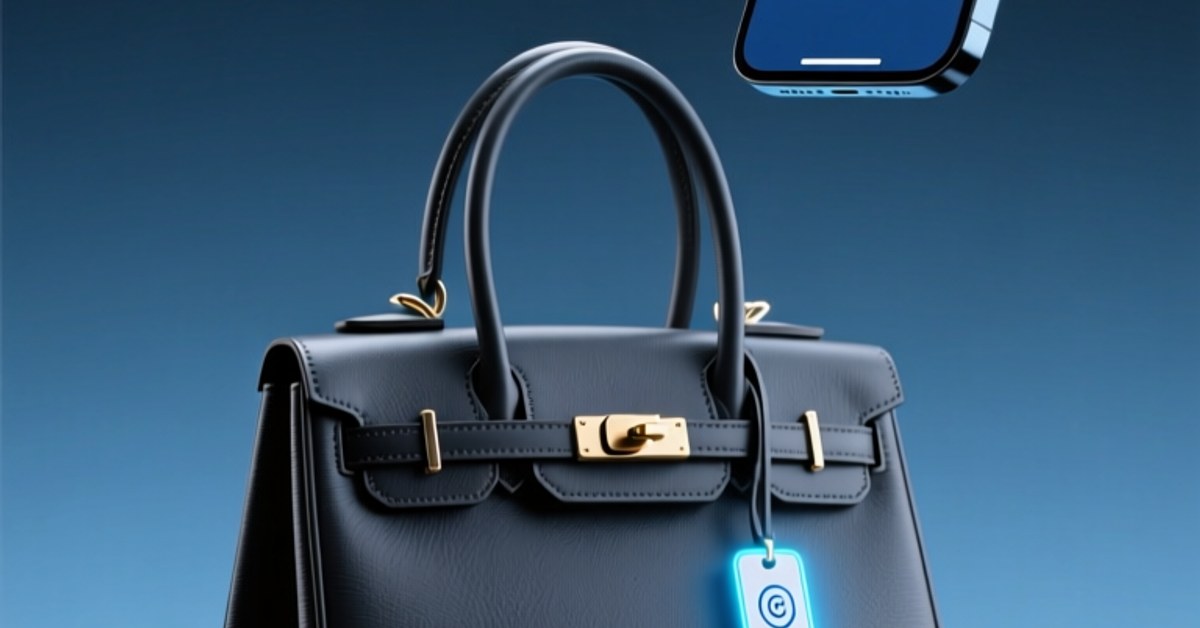
- Select hero SKUs that face the highest counterfeit risk, including iconic outerwear, signature bags, special editions, and garments with strong resale value.
- Define what a scan should show: product details, authenticity certificate, bakım talimatları, sahiplik geçmişi, garanti durumu, or styling content.
- Choose the appropriate NFC tags, NFC kaplamaları, or RFID laundry tags based on garment construction and care cycle.
- Work with label manufacturers to integrate NFC into care labels without compromising legal text or label durability.
- Equip warehouses and stores with the right mix of desktop RFID readers, el tipi RFID okuyucular, and mobile-friendly NFC platforms.
- Train staff to explain authentication to customers as an added value, not as a suspicion of counterfeit.
Luxury apparel is a symbol of identity and achievement. Authentication technology should reinforce that symbolism, not interrupt it. When done well, NFC is invisible until needed, and when needed, it speaks clearly. It protects the garment, the brand, and the consumer from the first stitch to the next owner.
SSS
Can NFC tags survive washing and dry cleaning?
Evet, when the correct tag and placement are chosen. An NFC inlay embedded inside a care label can survive normal consumer garment care when the label itself is protected. For industrial or repeated washing, use RFID laundry tags designed for laundry operations. Always test the tag with the actual washing and dry-cleaning conditions required by the garment.
Do fashion consumers need to download an app to verify an NFC garment?
Mutlaka değil. With many NFC deployments, the tag is encoded with a URL, so tapping the tag with an NFC-enabled smartphone opens a browser page. A brand can offer a simple verification page or a richer app experience depending on the audience and data strategy.
Can a counterfeit maker copy an NFC tag?
No security technology is completely impossible to copy. Fakat, a well-designed NFC authentication system makes copying expensive and detectable. Unique identifiers, secure memory fields, and a central registry can flag duplicate or suspicious records. Combining digital verification with physical tag placement, such as embedding in an original care label, creates multiple layers of protection.
Are NFC tags visible on the outside of luxury apparel?
Çoğu durumda, HAYIR. The tag is hidden in the care label, inside a seam, under the lining, or in a clearly marked area on the inner side of the garment. This protects the look and feel of the apparel while maintaining an accessible tap point for authentication.
Build a Fashion Authentication Solution That Lasts as Long as Your Garments
RFIDHY offers the NFC tags, NFC kaplamaları, RFID etiketleri, RFID çamaşır etiketleri, and RFID readers you need to protect luxury apparel from the factory floor to the resale market. Our team can help you select a garment authentication tag solution that matches your care labels, perakende deneyimi, and digital product strategy.
Contact our NFC/RFID specialists to discuss your luxury apparel anti-counterfeit program.