Videresalgsrevolutionen og dens forfalskningskrise
Markedet for videresalg af sneaker er ikke længere en niche-subkultur – det er modnet til en global økonomi på flere milliarder dollar. Platforme som StockX, GED, og Grailed har normaliseret ideen om sneakers som omsættelige aktiver, med begrænset oplag, der sælges ud på få sekunder og dukker op igen på sekundære markeder til 2-10x detailpris. Ifølge brancheanalyse, sneaker videresalg markedet kunne nå $30 milliarder af 2030. Men med den vækst følger en lige så alarmerende stigning i forfalskninger. Sofistikerede kopifabrikker producerer nu næsten perfekte forfalskninger, der narre selv erfarne autentificeringer, underminerer forbrugernes tillid og eroderer brandværdien. Til sportsmærker og streetwear-mærker, dette er ikke kun et problem med indtægtslækage – det er en direkte trussel mod den hårdt tilkæmpede kulturelle kapital, der gør hypeprodukter ønskværdige.
Hvorfor visuel godkendelse ikke længere er nok
Traditionel autentificering afhænger i høj grad af menneskelig ekspertise: kontrol af syning, materialer, kasseetiketter, og lugte. Imidlertid, replikaerne har udviklet sig. Forfalskninger af høj kvalitet kopierer nu hologrammer, SKU-numre, og endda RFID-tråde vævet ind i etiketter. Visuel inspektion formår ofte ikke at skelne ægte fra falsk, især når købere handler online via videresalgsplatforme. Denne usikkerhed fører til forbrugerangst, tilbageførsler, og en afkølende effekt på videresalgsmarkedets likviditet. Mærker har brug for en manipulationssikker, skalerbar, og forbrugervenlig metode til at verificere ægtheden. NFC-produktgodkendelse dukker op som den løsning.
NFC-fordel: Et tryk, Absolut sikkerhed
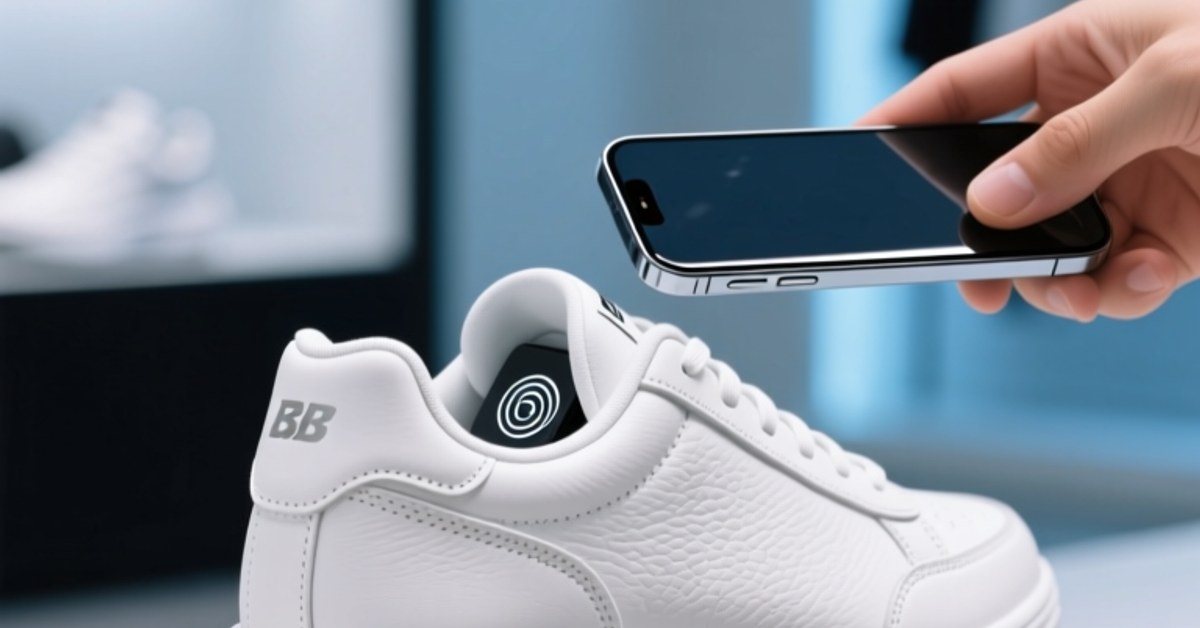
Nærfeltskommunikation (NFC) tags er små, passive chips, der kan indlejres i et produkt og læses af enhver moderne smartphone med et enkelt tryk. I modsætning til QR-koder, som nemt kan kopieres, en NFC -tag kan bære en unik kryptografisk signatur, der beviser produktets oprindelse. Til sneakers, dette betyder indlejring af en NFC indersålsmærke eller vedhæfte en NFC-aktiveret hangtag der linker til et sikkert digitalt pas. Tagget kan ikke klones uden adgang til brandets private nøgleinfrastruktur, og hvert tryk kan logges på en blockchain-lignende hovedbog, skabe en uforanderlig kæde af forældremyndighed. Til bekræftelse af videresalg, dette er transformativt: en køber kan trykke på en brugt sneaker med deres telefon og øjeblikkeligt bekræfte, om den er autentisk, da den blev fremstillet, og endda dets tidligere ejerskabshistorie, hvis brandet vælger at dele disse data.
Design af NFC-tags til sneakers: Indersål, Hæng tag, eller æske?
Når du integrerer NFC i sneakers, brands skal overveje brugerrejsen. Tre almindelige fysiske formfaktorer er dukket op:
- NFC indersål tags: Typisk et fleksibelt NFC indlæg lamineret mellem lag af indersålen. Det er usynligt under brug, ekstremt holdbar, og kan ikke fjernes uden at ødelægge skoens strukturelle integritet - en stærk anti-manipulationsfunktion. Ideel til frigivelser med høj varme, hvor mærket forbliver med produktet for evigt.
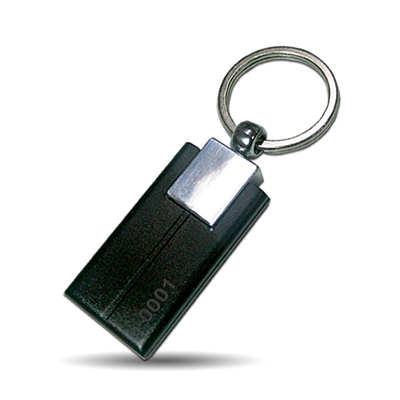
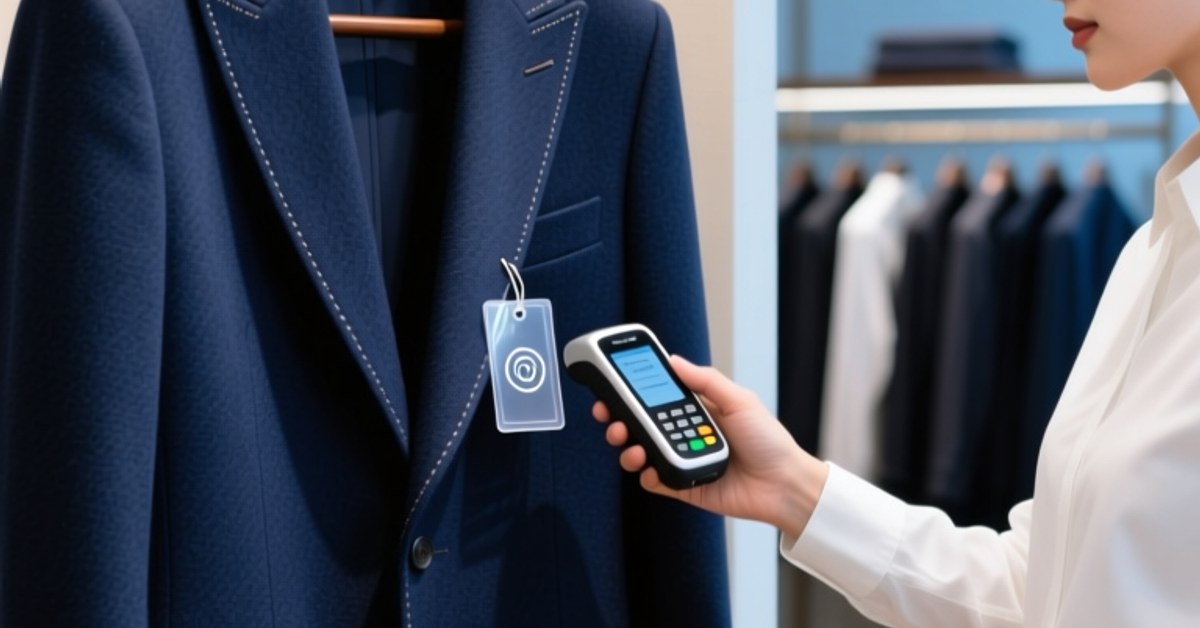
- NFC hangtags: Ofte et mærkekort knyttet til en sikkerhedsløkke. De er iøjnefaldende, let at scanne ved videresalg, og kan fungere som markedsføringsudbyder. Imidlertid, de er nemmere at afmontere og genbruge på forfalskede produkter, hvis de ikke er parret med en sikker digital verifikationsproces.
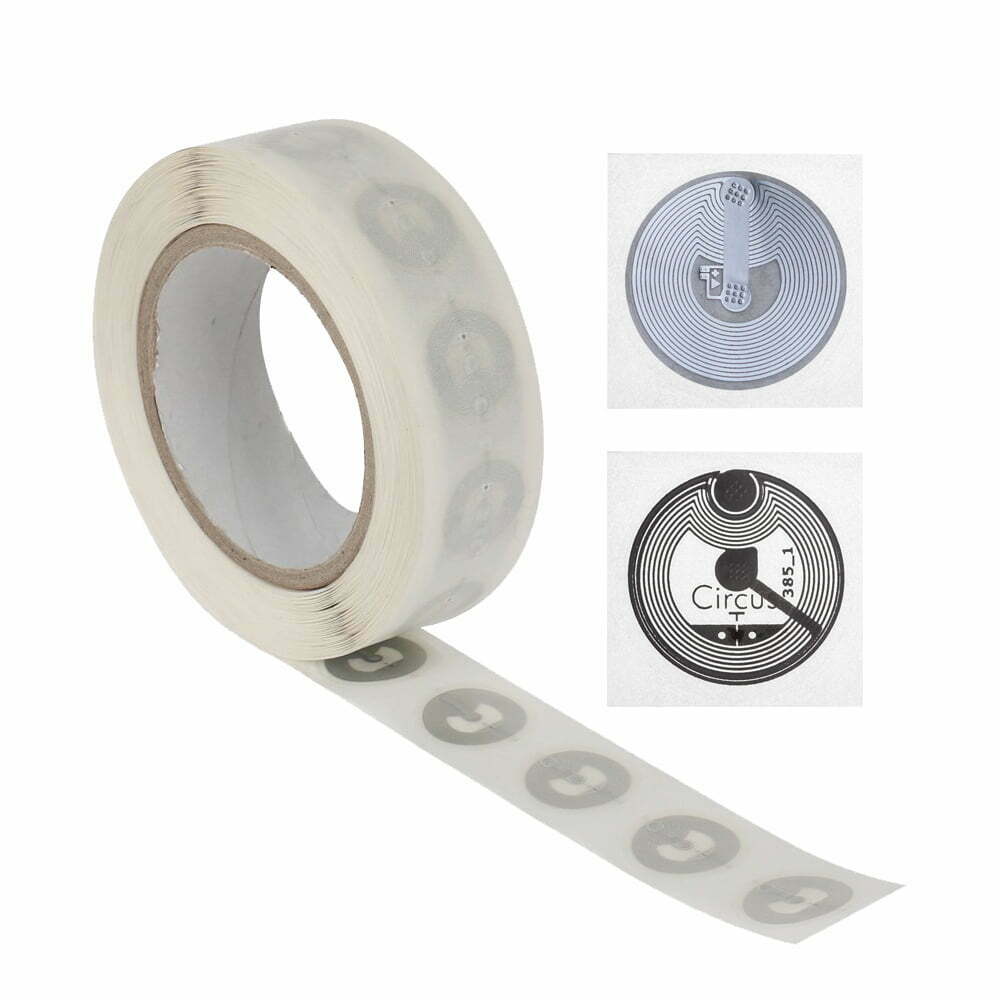
- Smart kasseetiketter: An NFC-mærkat påføres skoæsken. Dette bevarer skoens originale stand og er let at implementere i emballagelinjen, men kasser kan byttes. Til begrænsede udgaver af høj værdi, en kombination af box tag og indersål tag giver lagdelt sikkerhed.
Hver formfaktor kan hentes fra specialiserede NFC-produktudbydere som dem, der findes på rfidhy.com, tilbud NFC -tags, NFC -klistermærker, og NFC-indlæg designet til brandgodkendelse. Chipvalget (F.eks., NTAG 424 DNA med AES-kryptering) bestemmer sikkerhedsniveauet og omkostningerne pr. enhed. Til luksus streetwear, de trinvise omkostninger ved et sikkert NFC-tag er ubetydelig sammenlignet med skaden på omdømmet ved et enkelt forfalsket salg.
Integration af videresalgsplatform: Opbygning af et verificeret økosystem
For at NFC-godkendelse virkelig skal vinde gensalgskampen, det skal integreres problemfrit med de platforme, hvor transaktioner finder sted. Når en sælger viser en sneaker på en markedsplads, platformen kan bede dem om at trykke på NFC-tagget for at generere et nyt verifikationstoken. Platformen sammenligner derefter dette token med mærkets register, sikre, at sneakeren er ægte og ikke markeret som stjålet. Dette reducerer platformens afhængighed af manuelle godkendelsescentre, fremskynder godkendelse af notering, og kan endda give et "VeriTap"-badge, der booster købers tillid og salgspriser.
For mærker, dette skaber en mulighed for at deltage i det sekundære marked uden direkte at kontrollere det. Ved at tilbyde en NFC-baseret løsning, de kan kræve, at hver videresalgsscanning skal dirigeres gennem deres API, give dem synlighed i produktets rejse. De kan også belønne forbrugere, der autentificerer deres køb med loyalitetspoint eller adgang til eksklusive drops – hvilket gør hvert videresalg til et mærkeengagement-øjeblik.
Engagement efter salg: Fra transaktion til forhold
Autentificering er kun begyndelsen. Når en forbruger trykker på et NFC-sneaker-tag, de lander på en mobiloplevelse styret af mærket. Den landingsside kan tilbyde:
- Bevis for ejerskab og et digitalt ægthedscertifikat.
- Produktplejevejledning eller stilguider.
- Eksklusivt indhold såsom designhistorier bag kulisserne eller kunstnersamarbejder.
- Adgang til en videresalgsportal hvor de officielt kan genliste varen med verificeret status.
- Loyalitetspoint der bygger bro mellem primære og sekundære indkøb, tilskyndelse til klæbrighed af mærket.
Dette forvandler et statisk produkt til et levende varemærkeaktiv. I stedet for at miste kontakten med en kunde efter det første salg, mærket har nu en direkte, opt-in kanal for engagement, hver gang sneakeren skifter hænder. Disse data er uvurderlige for at forstå produkternes levetid og cirkulation, som kan informere fremtidige produktionskørsler og strategier til bekæmpelse af forfalskning.
Hardware og infrastruktur til skalerbar NFC-implementering
Implementering af et globalt NFC-godkendelsesprogram kræver pålidelig kodnings- og læseinfrastruktur. Under fremstilling, NFC-tags kan kodes ved høj hastighed ved hjælp af industriel kvalitet RFID/NFC desktop-læsere eller integreret RFID moduler. Til detailmiljøer og konsignationsbutikker, -en håndholdt UHF RFID-læser eller NFC-aktiveret POS-terminal kan bruges til at aktivere tags eller verificere produkter på salgsstedet. Mærker, der arbejder med fjernlogistik, kan også parre NFC med UHF RFID tags til lagersporing, brug derefter NFC til forbrugervendt godkendelse. Kombinationen af teknologier sikrer et problemfrit flow fra fabrik til fod.
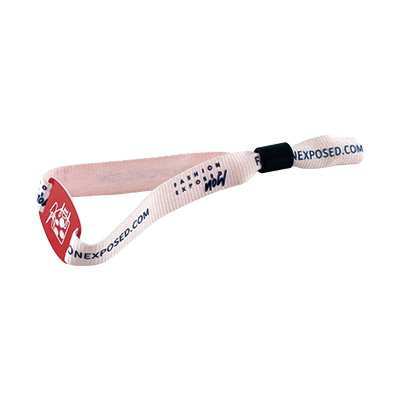
RFIDHY og NFCWORK tilbyder en bred portefølje af kodningsudstyr og tags, inklusive NFC -klistermærker, fleksible NFC-indlæg til fodtøj, og sikker NFC -armbånd til eksklusive begivenheder - som alle kan tilpasses til et brands visuelle identitet. Integration med eksisterende produktionslinjer er typisk ikke-forstyrrende og kan indfases produktlinje for produktlinje.
Håndtering af bekymringer: Koste, Holdbarhed, og privatliv
Skeptikere kan stille spørgsmålstegn ved, om NFC-tags tilføjer uacceptable omkostninger til en sneakers materialeliste. I virkeligheden, mid-security NFC tags er prissat til øre i volumen, og investeringsafkastet måles i reducerede tilbageførsler, øget brandtillid, og potentielt højere gensalgsværdier. Holdbarhed er en anden almindelig bekymring; velkonstruerede NFC indlægssål modstår tusindvis af flex cyklusser og udsættelse for fugt og varme. Crucial er at vælge det rigtige tag fra en specialiseret producent, der forstår fodtøjsapplikationer.
Om privatlivets fred, brands skal designe systemet, så NFC-tagget ikke transmitterer personligt identificerbare oplysninger (PII). Selve tagget bærer en unik identifikator; kun når den scannes med en proprietær app eller platform, afslører den information, og forbrugeren kan vælge, hvad de vil dele. GDPR-overholdelse kan opretholdes ved at beholde godkendelsestjenesten opt-in og anonymisere lokationsdata.
Det konkurrencedygtige landskab: Tidlige adoptanter og differentiatorer
Mens nogle luksusmodehuse har eksperimenteret med NFC i håndtasker og ure, sneakermærker har en unik mulighed på grund af videresalgskulturens fremtrædende plads. Nogle få fremsynede etiketter har piloteret digitale pas knyttet til NFC-tags. De vigtigste differentiatorer er brugervenlighed (der kræves ingen speciel app – bare tryk), sikkerhed (offentlig nøgle kryptografi), og rigdommen af oplevelsen efter tryk. Mærker, der parrer NFC med et overbevisende loyalitets- eller videresalgsprogram, kan ikke kun bekæmpe forfalskninger, men også uddybe deres samfundsforhold.
Streetwear etiketter, i særdeleshed, trives med fællesskab og eksklusivitet. En NFC-baseret godkendelse kan placeres som en medlemsnøgle, giver indehavere adgang til hemmelige drops, stemmeret på fremtidige colorways, eller adgang til brand-begivenheder - læg nytteværdi oven i foranstaltninger mod forfalskning og gør mærkets produkter mere værdifulde på det sekundære marked.
Konklusion: Sikring af fremtiden for hype
Kampen om gensalg af sneaker vil ikke blive vundet ved lovlige undertrykkelser alene. Det kræver at udstyre produkter med medfødte, ukopierligt bevis for ægthed. NFC-godkendelse giver en sikker, skalerbar, og forbrugervenligt svar, gør det muligt for brands at beskytte deres egenkapital, partnere kan lide videresalgsplatforme for at reducere svindel, og forbrugere til at købe og sælge med tillid. Ved at indlejre NFC-tags i indlægssåler, hangtags, eller pakke og forbinde dem til et dynamisk sky-økosystem, fodtøjsindustrien kan gøre enhver sneaker til en betroet node i et globalt autenticitetsnetværk. Nu er det tid for sportsmærker og streetwear-mærker at investere i Digitale produktpas og genvinde kontrollen over deres sekundære markedsfortælling.
FAQ
Hvordan adskiller NFC-godkendelse sig fra QR-koder til sneaker-bekræftelse?
NFC-tags kan indlejre kryptografisk sikre unikke ID'er, der er ekstremt vanskelige at klone, hvorimod QR-koder nemt kan kopieres og genudskrives. NFC giver også en problemfri oplevelse med et enkelt tryk uden scanningsproblemer i svagt lys, og kan integreres med manipulationssikre fysiske designs.
Kan NFC-tags overleve inde i en sneaker under almindelig brug og rengøring?
Ja. Specialiserede fleksible NFC-indlæg designet til fodtøj kan modstå tusindvis af flex-cyklusser, fugtighed, og endda mild rengøring. Korrekt laminering og placering i indersålen eller pløsen sikrer lang levetid uden at gå på kompromis med komforten.
Hvad sker der, hvis nogen forsøger at fjerne et NFC-indlægssålmærke og lægge det i en forfalsket sko?
Mærker kan designe mærket til at blive fysisk beskadiget ved fjernelse (indlysende), og den digitale post kan markere et mærke, der er blevet løsrevet fra dets originale produkt. Backend-systemet kan også låse et tag, hvis der opdages usædvanlig aktivitet.
Hvordan verificerer videresalgsplatforme NFC-godkendte sneakers?
Gennem en API leveret af mærket, platformen kan udfordre tagget og verificere det kryptografiske svar i realtid. Dette sikrer, at varen er ægte og ikke er blevet meldt stjålet, strømline autentificering uden at sende sneakeren til et center.
Er NFC-baseret autentificering dyr at implementere for et streetwear-mærke?
Til moderate til store produktionsserier, prisen pr. enhed for sikre NFC-tags er meget lav - ofte mindre end en dollar. Når det afvejes i forhold til omkostningerne ved forfalskede skader, tilbageførsler, og tabt brand equity, det repræsenterer en høj-ROI-investering.
Klar til at beskytte dine sneakers og streetwear med NFC-godkendelse? Hos NFCWORK Technology, vi leverer end-to-end-løsninger – fra sikre NFC-indlæg og kodningsudstyr til digitale pasplatforme. Udforsk vores udvalg af NFC tags og tilbehør eller kontakt vores team for at diskutere et pilotprojekt til dit næste begrænsede oplag. Lad os skabe tillid, et tryk ad gangen.