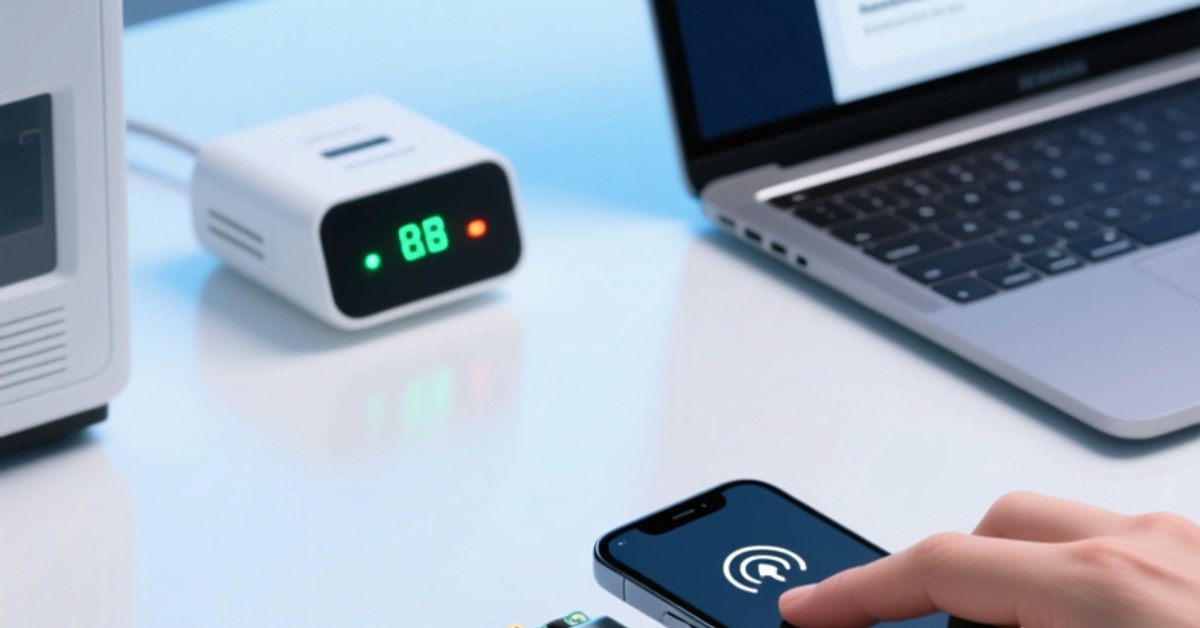
The Hidden Safety Risks of Counterfeit Replacement Batteries
Counterfeit replacement batteries and power banks are more than a brand protection issue—they are a direct threat to consumer safety. Unlike cosmetic counterfeits, substandard batteries can overheat, catch fire, or even explode due to poor cell quality, missing protection circuits, and inadequate testing. For device manufacturers, 小売業者, and marketplaces, the consequences range from product liability claims to irreversible reputational damage.
Industry safety organizations repeatedly trace lithium-ion battery failures to counterfeit or uncertified cells. These products bypass critical safety mechanisms such as overcharge protection, thermal cutoffs, and short-circuit prevention. When a counterfeit battery fails, it can destroy the device it powers, injure users, and trigger recalls that cost millions. Counterfeit battery safety is therefore not just a commercial concern—it is a public safety priority.
This guide explores how NFC authentication for replacement batteries and power banks provides a robust, scalable defense against counterfeits, while also enabling genuine power bank verification, warranty validation, and battery health tracking.
Why Counterfeit Batteries Thrive in the Replacement Market
The replacement battery and power bank market is particularly vulnerable to counterfeiting for several reasons:
- High compatibility demand: Consumers often seek cheaper alternatives to original batteries, especially for older devices where OEM parts are scarce or expensive.
- Visual similarity: Counterfeit batteries can closely mimic genuine packaging and cell design, making them hard to distinguish by sight or touch.
- Online marketplace proliferation: Third-party sellers on global marketplaces can easily list counterfeit products with minimal verification.
- Low consumer awareness: Many buyers do not realize that a replacement battery without proper certification can be dangerous.
For battery brands, this environment erodes trust and revenue. For retailers and marketplaces, it creates liability exposure. A proactive authentication strategy is essential.
How NFC Authentication Works for Batteries and Power Banks
近いフィールドコミュニケーション (NFC) 安全です, low-cost technology that allows スマートフォン to read a tiny tag embedded in a product or its packaging. それぞれ NFCタグ carries a unique identifier that can be cryptographically protected, making it extremely difficult to clone. When a consumer taps their NFC-enabled smartphone against the tag, they are instantly directed to a verification page that confirms whether the product is genuine.
For batteries and power banks, NFC authentication can be deployed in two primary ways: on-cell tags and packaging tags. Both approaches have distinct advantages and can be combined for layered security.
On-Cell NFC Tags
An on-cell NFC tag is attached directly to the battery or power bank casing. This provides the strongest link between the physical product and its digital identity. Even if the packaging is discarded or replaced, the on-cell tag remains with the product. For batteries with metal surfaces, アンチメタル NFCタグ are used to prevent signal interference and ensure reliable reads.
Packaging NFC Tags
Packaging tags are applied to the outer box or blister pack. They are ideal for retail environments where consumers can verify authenticity before purchase. Packaging tags can also carry batch numbers, manufacturing dates, and region-specific information. しかし, they can be separated from the product, so combining them with an on-cell tag offers the best protection.
>
| Tag Placement | 利点 | Considerations |
|---|---|---|
| On-cell | Permanent link to product; survives packaging removal; enables post-purchase verification | Requires anti-metal NFC tags for metal surfaces; may increase unit cost slightly |
| 包装 | Visible at retail; supports pre-purchase verification; easy to apply during packaging | Can be lost if packaging is discarded; less effective for warranty claims |
| 両方 | Layered security; covers pre-sale and post-sale scenarios; strong deterrent | Higher tag cost; requires dual data management |
Choosing the Right NFC Tags for Battery and Power Bank Authentication
Not all NFC tags are suitable for batteries and power banks. The choice depends on the surface material, the desired read range, and the environmental conditions. Below are the main tag categories available from trusted RFID and NFC suppliers such as NFCWORK そして RFIDHY.
NFC Tags and NFC Stickers
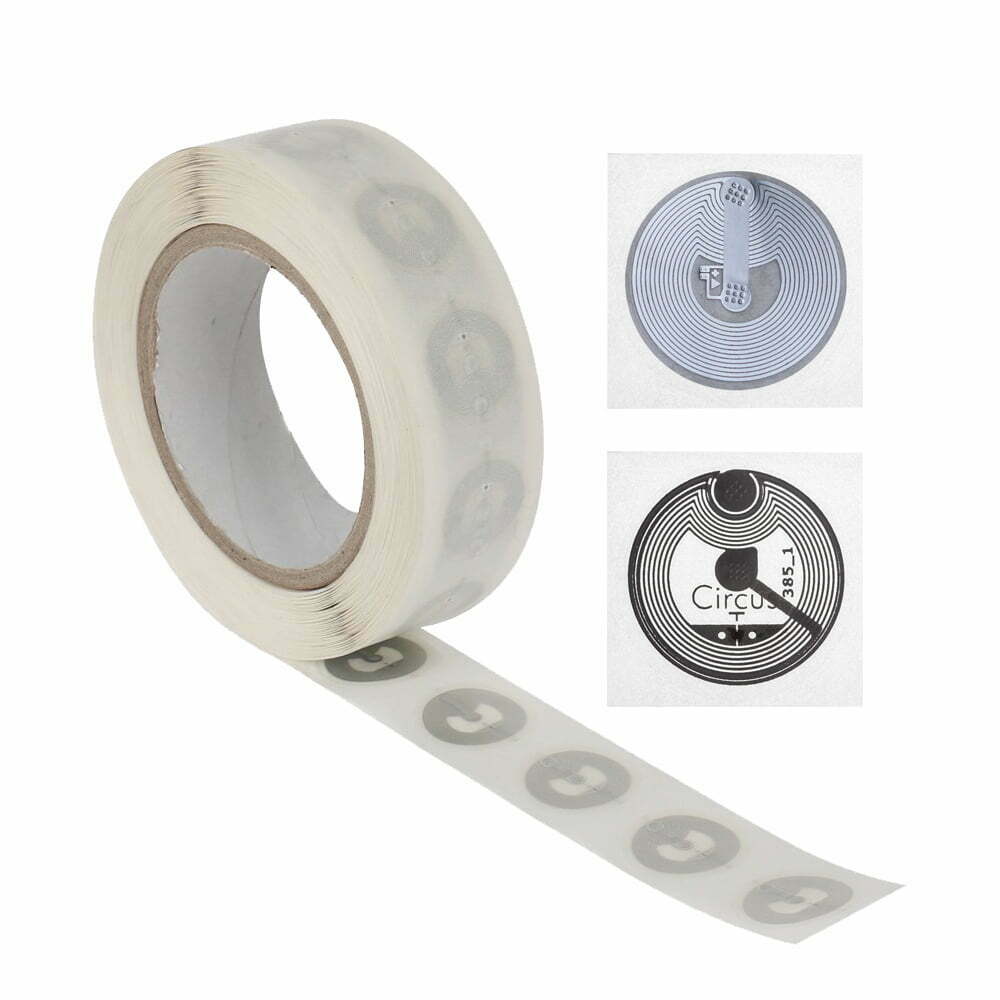
Standard NFC tags and NFCステッカー are widely used for packaging authentication. They are thin, フレキシブル, and can be printed with branding or QR codes. For power banks with plastic casings, these tags can also be applied directly to the device.
Anti-Metal NFC Tags
Batteries often have metal surfaces that detune NFC signals. Anti-metal NFC tags use a ferrite layer to isolate the tag from the metal, ensuring reliable reads. These tags are essential for on-cell applications on battery packs and metal-bodied power banks.
NFCインレイ
NFC inlays are dry or wet inlays that can be embedded into labels or packaging during manufacturing. They are cost-effective for high-volume production and can be integrated into battery labels or warranty seals.
Durable NFC Tags
For power banks and batteries exposed to heat, 水分, または磨耗, durable NFC tags with protective casings or PCB antennas are recommended. These tags maintain performance over the product lifecycle.
>
| タグの種類 | 最適な用途 | 主な特長 |
|---|---|---|
| NFCステッカー | 包装, plastic power bank casings | 薄い, 印刷可能, low cost |
| アンチメタルNFCタグ | On-cell battery packs, metal power banks | Ferrite layer, reliable on metal |
| NFCインレイ | High-volume labels, warranty seals | 埋め込み可能, 費用対効果の高い |
| Durable NFC tags | Rugged power banks, 産業用電池 | 防水, 耐熱性, 耐衝撃性 |
When selecting tags, consider the NFC chip type (例えば。, NTAG 213, 215, 216) and memory requirements. A power bank NFC tag may need to store a unique serial number, バッチコード, and a URL for verification. For advanced use cases, tags with cryptographic authentication (例えば。, NTAG 424 DNA) provide dynamic, tamper-proof verification.
The Tap-to-Verify Consumer Journey
The consumer experience is the heart of any authentication system. If verification is not effortless, consumers will not use it. NFC authentication offers a seamless, app-free experience for most modern スマートフォン.
- タップ: The consumer holds their NFC-enabled smartphone near the tag on the battery or packaging.
- Read: The phone reads the tag and automatically opens a verification URL.
- 確認する: The verification platform checks the tag’s unique ID and cryptographic signature against a secure database.
- 結果: The consumer sees a clear confirmation—genuine product, 保証状況, and battery health information.
- Register: The consumer can optionally register the product for warranty and receive safety tips.
This tap-to-verify flow not only confirms authenticity but also educates consumers about counterfeit battery safety. A positive verification reassures buyers and builds trust in the brand. A failed verification can trigger an alert to the brand’s anti-counterfeit team and provide the consumer with guidance on returning the product.
To ensure broad compatibility, brands should design the verification page to work across iOS and Android browsers. No dedicated app should be required. For more information on NFC-enabled smartphones, 見る NFC対応スマートフォン.
Marketplace and Channel Enforcement
Counterfeit batteries often enter the market through online marketplaces and unauthorized distributors. NFC authentication provides brands with powerful tools for channel enforcement:
- Marketplace monitoring: Brands can use NFC scan data to identify sellers offering counterfeit products. When a scan fails, the platform can flag the listing.
- Retail verification: Retail staff can quickly verify stock using a handheld NFC reader or smartphone, ensuring only genuine products reach shelves.
- Supply chain tracking: NFC tags can be scanned at each stage of the supply chain—from manufacturing to distribution—to detect diversion or tampering.
- Consumer reporting: Failed verification scans can be reported directly to the brand, providing real-time intelligence on counterfeit hotspots.
For marketplaces, integrating NFC verification into seller onboarding can drastically reduce counterfeit listings. For battery brand protection, this data-driven approach shifts the fight from reactive takedowns to proactive prevention.
Linking Authentication to Warranty and Battery Health
NFC authentication is not just about stopping counterfeits—it also creates value for legitimate customers. By linking the NFC tag to a digital product record, brands can offer:
- Warranty activation: Consumers can register their warranty with a single tap, reducing fraud and improving after-sales service.
- Battery health tracking: The NFC tag can store or link to battery health data, such as cycle count, 容量, and temperature history. This helps consumers understand when a replacement is genuinely needed.
- Safety notifications: If a battery model is subject to a safety recall, the brand can push notifications to registered users.
- デジタル製品_パスポート (DPP): Aligning with emerging EU regulations, NFC tags can serve as the gateway to a Digital Product Passport that contains material composition, リサイクルの指示, 二酸化炭素排出量データ. 詳しくはこちら デジタル製品_パスポート ソリューション.
Genuine power bank verification thus becomes a gateway to ongoing customer engagement and lifecycle management.
Implementation Roadmap for Battery Brands
Deploying NFC authentication for replacement batteries requires careful planning. A typical roadmap includes:
- 評価: Identify high-risk product lines and target markets.
- タグの選択: Choose NFC tags based on surface material, 読み取り範囲, and security level. Anti-metal NFC tags are often necessary for battery cells.
- Data platform: Set up a secure verification database and API that can handle high-volume scans.
- Manufacturing integration: Work with contract manufacturers to apply tags during production or packaging.
- 消費者教育: Launch in-store signage and digital campaigns to teach consumers how to tap and verify.
- Channel training: Equip retailers and distributors with NFC readers and verification protocols.
- Monitoring and iteration: Analyze scan data, investigate failed verifications, and continuously improve the system.
Partnering with experienced NFCソリューション などのプロバイダー NFCWORK can accelerate deployment. Their portfolio includes NFC tags, NFCステッカー, アンチメタルNFCタグ, and NFC inlays suitable for battery and power bank authentication.
結論: Safety and Trust Through NFC Authentication
Counterfeit replacement batteries and power banks are a persistent threat to consumer safety and brand integrity. NFC authentication offers a practical, スケーラブルな, and consumer-friendly solution. By embedding NFC tags on-cell and on packaging, brands can enable instant genuine power bank verification, チャネル制御を強制する, and link products to warranty and battery health data. As regulations like the Digital Product Passport evolve, NFC authentication will become a cornerstone of responsible battery manufacturing and retail. Taking action now protects consumers, strengthens brand trust, and future-proofs your business against the rising tide of counterfeits.
よくある質問
What is NFC authentication for replacement batteries?
NFC authentication uses a small NFC tag embedded in or attached to a battery or its packaging. 消費者がNFC対応スマートフォンでタグをタップしたとき, it opens a verification page that confirms whether the product is genuine. This helps prevent counterfeit battery safety risks and supports battery brand protection.
Can NFC tags work on metal battery surfaces?
はい, but standard NFC tags may not work well on metal due to signal interference. アンチメタルNFCタグ, available from suppliers like RFIDHY とNFCWORK, use a ferrite layer to isolate the tag from the metal, ensuring reliable reads on battery packs and metal-bodied power banks.
Do consumers need a special app to verify a power bank NFC tag?
いいえ. Most modern smartphones have built-in NFC readers that can open a URL without an app. The tap-to-verify flow is designed to be seamless, requiring only that the consumer holds their phone near the tag. This makes genuine power bank verification accessible to a wide audience.
How does NFC authentication help with marketplace enforcement?
NFC authentication provides data that brands can use to identify counterfeit listings. Failed verification scans can be reported and traced, helping marketplaces remove fraudulent sellers. Retailers can also use NFC readers to verify stock before placing products on shelves.
Can NFC tags be used for warranty registration and battery health tracking?
絶対に. The NFC tag can link to a digital record where consumers register their warranty and view battery health information, such as cycle count and capacity. This adds value beyond authentication and supports Digital Product Passport initiatives.
What tag types are recommended for battery and power bank authentication?
Common choices include NFC stickers for packaging, anti-metal NFC tags for on-cell applications, NFC inlays for high-volume labels, and durable NFC tags for rugged power banks. The best choice depends on your product design and security requirements. Consult a provider like NFCWORK for guidance.
Protect Your Brand and Your Customers
Counterfeit batteries and power banks put consumers at risk and undermine your brand’s reputation. NFC authentication provides a proven, scalable defense. Whether you need on-cell anti-metal NFC tags, packaging NFC labels, or a complete verification platform, NFCWORK can help you design and deploy the right solution.
今すぐお問い合わせください to discuss your battery authentication project. 私たちの NFC製品 そして ソリューション 始めるために.