Giyilebilir Cihazlar için Yüksek Performanslı NFC Antenleri Mühendisliği
Silikon bilekliklerden lüks akıllı yüzüklere kadar NFC özellikli giyilebilir ürünler, minyatürleştirmeyi dengeleyen antenler gerektirir, gövde bağlantısı, ve mevzuata uygunluk. Şu tarihte: 13.56 MHZ, NFC anten performansı fizik kurallarına tabidir: daha küçük form faktörleri manyetik akı yakalama alanını azaltır, Okuma aralığını doğrudan sınırlandırma. Ancak akıllı tasarımla, vücutta güvenilir 3–5 cm operasyon gerçekleştirilebilir. İşte nasıl.
1. Fizik Yarışması & Ücretlendirme Stratejileri
NFC antenini küçültmek onun endüktansını ve radyasyon direncini azaltır, bağlantı verimliliğinin azaltılması - özellikle iletken insan dokusunun yakınında. Telafi etmek, tasarımcıların kullandığı yüksek geçirgenliğe sahip ferrit koruma (Örn., TDK IFL veya 3M AB5000), çok katmanlı PCB yığınları, Ve optimize edilmiş bobin geometrisi. Bu teknikler, ayak izini arttırmadan manyetik akı yoğunluğunu eski haline getirir.
2. Ferrit Yükleme Tekniği
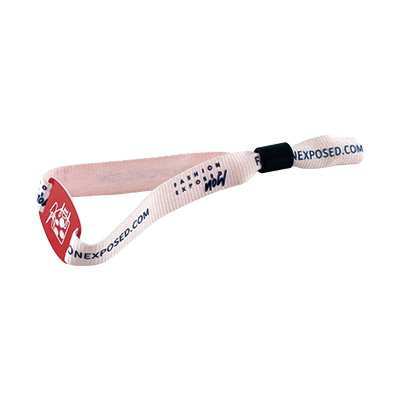
Antenin arkasına sinterlenmiş ferrit tabakaların yerleştirilmesi, manyetik akıyı okuyucuya doğru yoğunlaştırır ve bilek dokusundan kaynaklanan ayar bozulmasına karşı koruma sağlar. Doğrulanmış NFC silikon bileklik tasarımlarında, bu teknik, korumasız eşdeğerlerine kıyasla vücut üzerindeki okuma aralığını 0-50 oranında artırır; olay erişimi veya güvenli kimlik doğrulama için kritik öneme sahiptir.
3. Anten Geometri Optimizasyonu
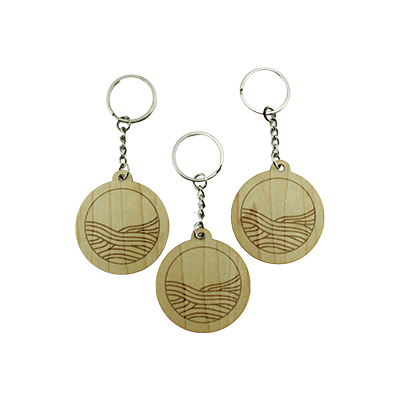
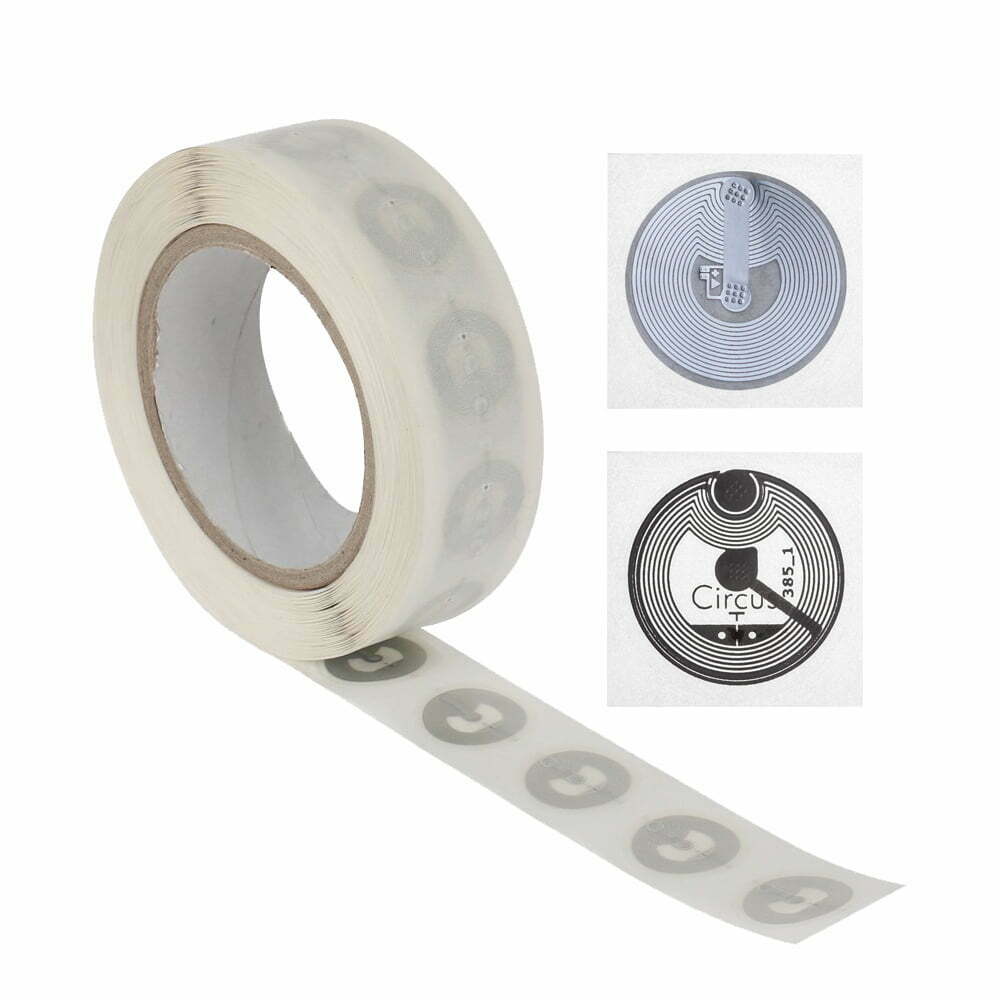
Giyilebilir cihazlar için, dikdörtgen bobinler bilekliklerde daha iyi alan kullanımı sağlar; dairesel bobinler yüzüklere ve anahtarlıklara uygundur; şekil-8 desenleri alan bütünlüğünü artırır. Tek katmanlı FPC antenleri maliyete duyarlı uygulamalar için yaygındır; çok katmanlı varyantlar daha sıkı Q faktörü kontrolü sağlar (hedef: 15–25). İz genişliği ve aralığı, rezonans stabilitesini korumanın anahtarı olan direnci ve öz kapasitansı yönetecek şekilde ayarlanmıştır.
4. Önemli Hususlar
- Esnek PCB (FPC): gibi kavisli yüzeyler için idealdir. NFC silikon bileklikler ve tıbbi yamalar.
- PET üzerinde gümüş mürekkep: Tek kullanımlık akıllı yamalarda kullanılır; daha düşük iletkenlik ancak yüksek ölçeklenebilirlik.
- Bakırla kazınmış FR4 veya seramik yüzeyler: Premium için tercih edilir NFC halkaları İletkenlik ve dayanıklılığın en önemli olduğu yer.
5. Eşleşen Ağ Tasarımı
İyi ayarlanmış bir L-C ağı, 50Ω empedans sağlar 13.56 MHZ. Yaygın tuzaklar arasında kompakt muhafazalardan kaynaklanan parazitik kapasitans ve ferritlerdeki sıcaklığa bağlı geçirgenlik değişimleri yer alır.. -10°C ila +50°C arasında istikrarlı performans için NP0/C0G kapasitörler ve düşük sıcaklık katsayılı indüktörler kullanmanızı öneririz..
6. Test & Doğrulama
Doğrulama şunları içerir:
- S11 geri dönüş kaybının VNA ölçümü, rezonans frekansı, ve bant genişliği;
- ISO 14443-A/B ve ISO 15693 kart emülatör testi;
- Referans cihazlarında gerçek dünya okuma aralığı testleri: iPhone 14/15, Samsung Galaksi S23, Google Piksel 7.
7. Vaka çalışması: NFC Silikon Bileklik Anteni
Yeni bir tasarım, 2 katmanlı bir FPC antenini 2 mm kalınlığındaki silikon üst kalıba entegre etti. Bilek dokusuna karşı korumalı 0,5 mm TDK IFL ferrit levha. Hedef okuma aralığı: 3–5 cm. Ölçülen sonuç: 4.2 Piksel ile cm 7, ISO 14443-A ile tam uyumlu.
8. Gelişen Teknoloji: Aktif Giyilebilir Cihazlar için NTAG I²C
NTAG I²C ailesi, I²C köprüsü aracılığıyla NFC denetleyicisi ile mikro denetleyici arasında çift yönlü iletişim sağlar; sağlık izleme yamaları veya etkileşimli akıllı takılar için idealdir. Anten tasarımı, RF verimliliğinden ödün vermeden hem pasif yoklamayı hem de aktif veri alışverişini desteklemelidir.
Yaygın Giyilebilir Cihazlar için Önerilen NFC Anten Parametreleri
>
| Form Faktörü | Dış Boyutlar | Bobin Dönüşleri | İz Genişliği | Ferrit Tipi | Beklenen Okuma Aralığı |
|---|---|---|---|---|---|
| NFC silikon bileklik | 45 × 12 mm | 4–6 | 0.25 mm | TDK IFL-0.5 mm | 3.5–4,5 cm |
| NFC halkası | Ø18mm | 3–5 | 0.3 mm | 3M AB5000-0,3 mm | 2.5–3,5 cm |
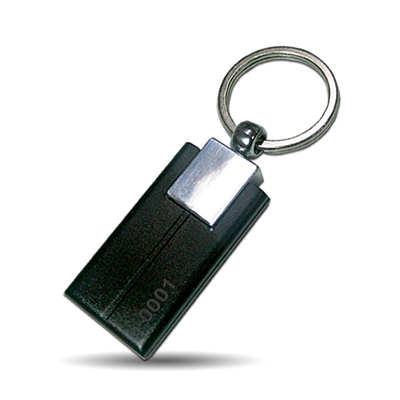
| NFC anahtarlık | 50 × 35 mm | 5–7 | 0.35 mm | TDK IFL-0.3 mm | 4–6 cm |
| Akıllı tıbbi yama | 30 × 20 mm | 4 | 0.2 mm (gümüş mürekkep) | Hiçbiri (PET substrat) | 2–3 cm |
Sonraki Giyilebilir Cihazınızı RFIDHY ve NFCWORK Uzmanlığıyla Güçlendirin
Gelişmekte olup olmadığınızı NFC etkinlik bileklikleri, NFC anahtarlıklar, veya özel RFID bileklikler kurumsal erişim için, mühendislik ekibimiz üretime hazır anten düzenleri sunar, ISO uyumlu doğrulama raporları, ve tam kapsamlı NFC giyilebilir çözümler.
SSS
- NFC performansı neden insan vücudunda düşüyor??
İnsan dokusu NFC manyetik alanlarını emer ve bozar. Ferrit koruma, akıyı yeniden yönlendirerek ve anteni iletken girişimden izole ederek bunu azaltır. - Standart kullanabilir miyim NFC etiketleri giyilebilir tasarımlarda?
Kullanıma hazır NFC kaplamaları, giyilebilir cihazlar için mekanik veya RF gereksinimlerini nadiren karşılar. Alt tabaka seçimi de dahil olmak üzere özel anten entegrasyonu, koruyucu, ve eşleştirme—güvenilirlik için gereklidir. - arasındaki fark nedir? NFC bileklikleri Ve RFID bileklikler?
NFC bileklikleri çalışmak 13.56 MHZ (ISO 14443/15693) ve iki yönlü etkileşimi destekleyin (Örn., kimlik doğrulamak için dokun); UHF RFID bileklikler (860–960 MHz) genellikle salt okunurdur ve uzun vadeli varlık takibi için kullanılır; bkz. RFIDHY'nin UHF RFID bileklikleri. - Anten simülasyon dosyaları veya Gerber çıktıları sağlıyor musunuz??
Evet; HFSS veya CST simülasyon raporları sunuyoruz, düzen dosyaları (Gerber/ODB++), ve üretim ortağınızın gereksinimlerine uygun test belgeleri.
Özel NFC Giyilebilir Anten Tasarımı Desteğine İhtiyacınız Var?
Mühendislik ekibimiz, simülasyon ve prototiplemeden ISO uyumluluk testlerine ve toplu üretim aktarımına kadar uçtan uca NFC anten geliştirme hizmeti sunmaktadır.. Ölçeklendirme yapıp yapmadığınız NFC silikon bileklikler, akıllı zil hattının başlatılması, veya NFC'yi tıbbi giyilebilir cihazlara yerleştirme, Optimum RF performansını sağlıyoruz, üretilebilirlik, ve sertifikasyona hazırlık.