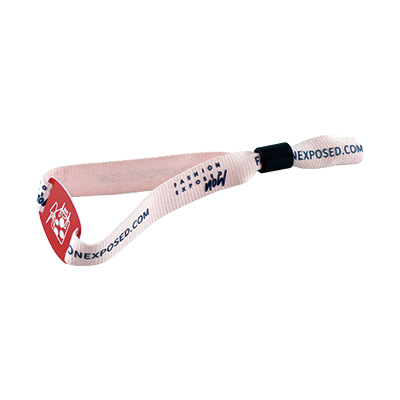
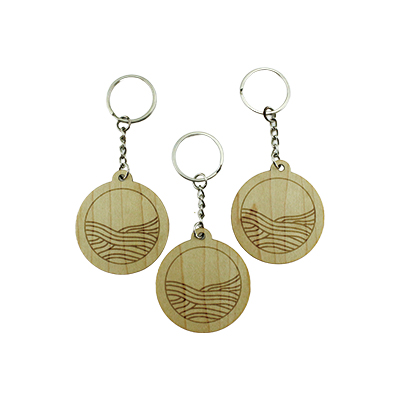
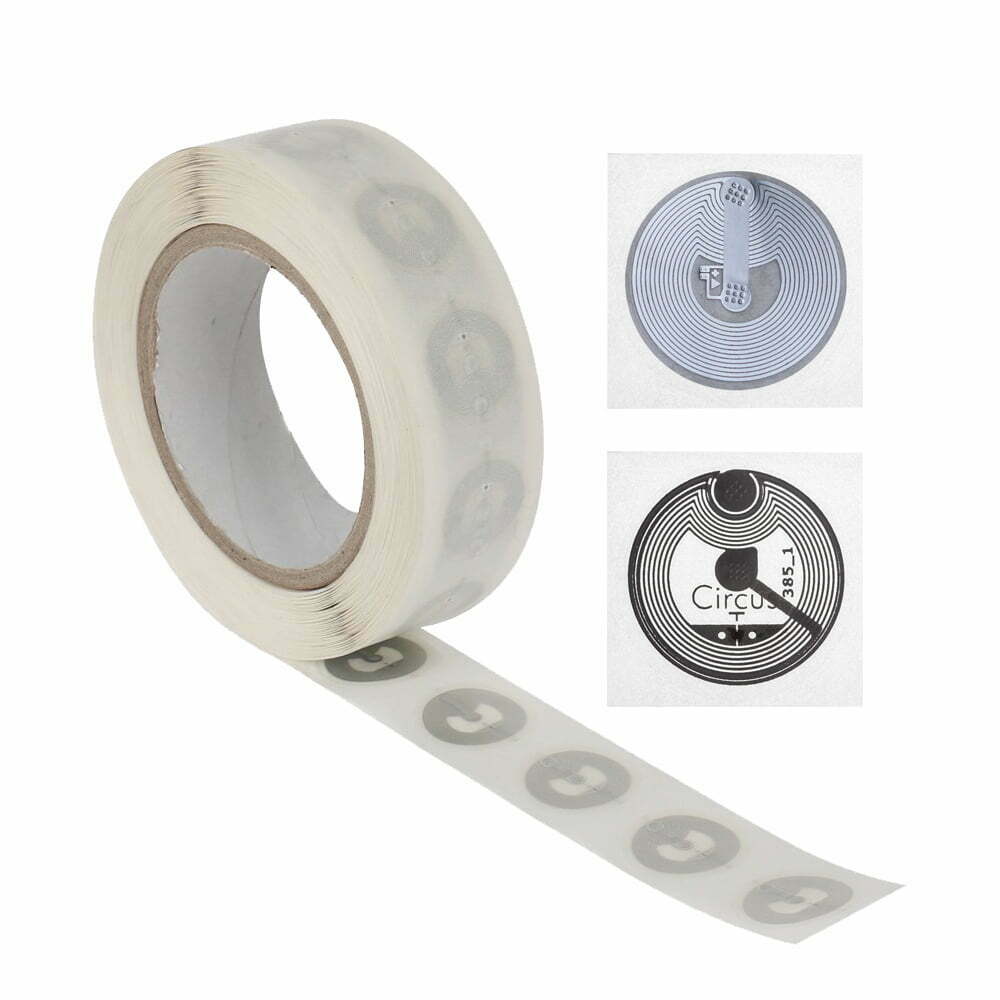
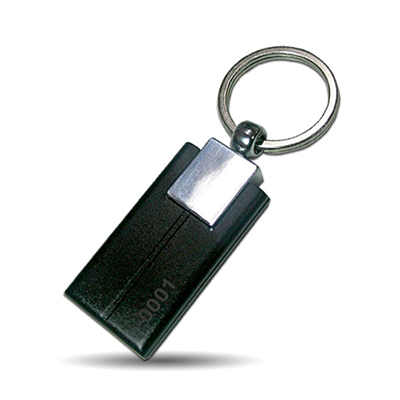
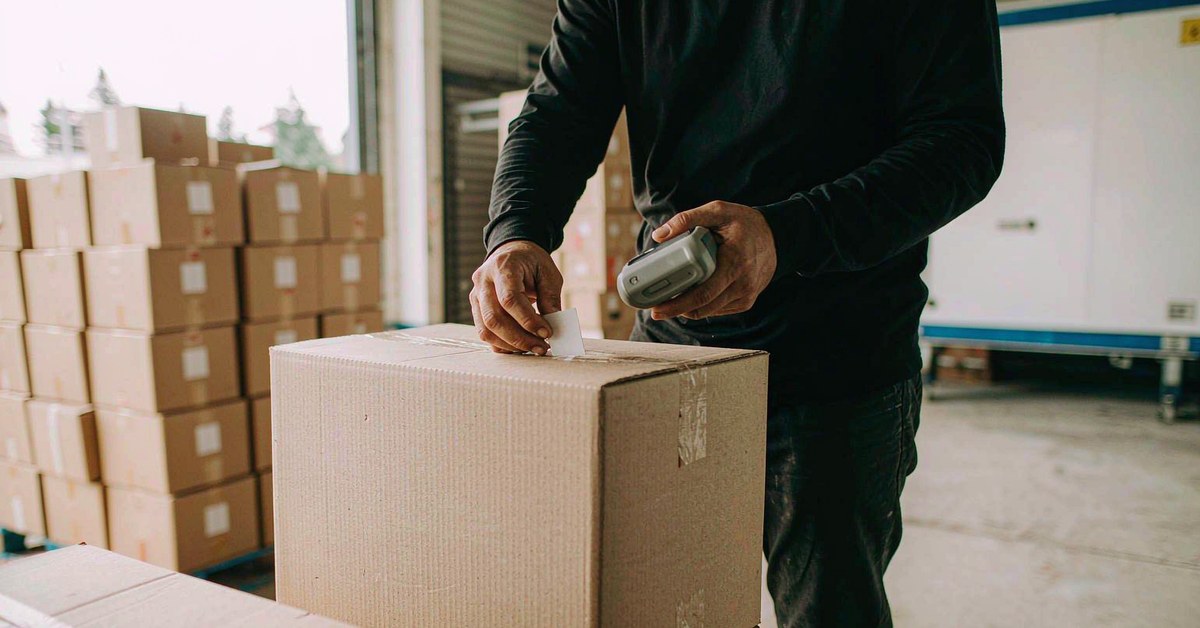
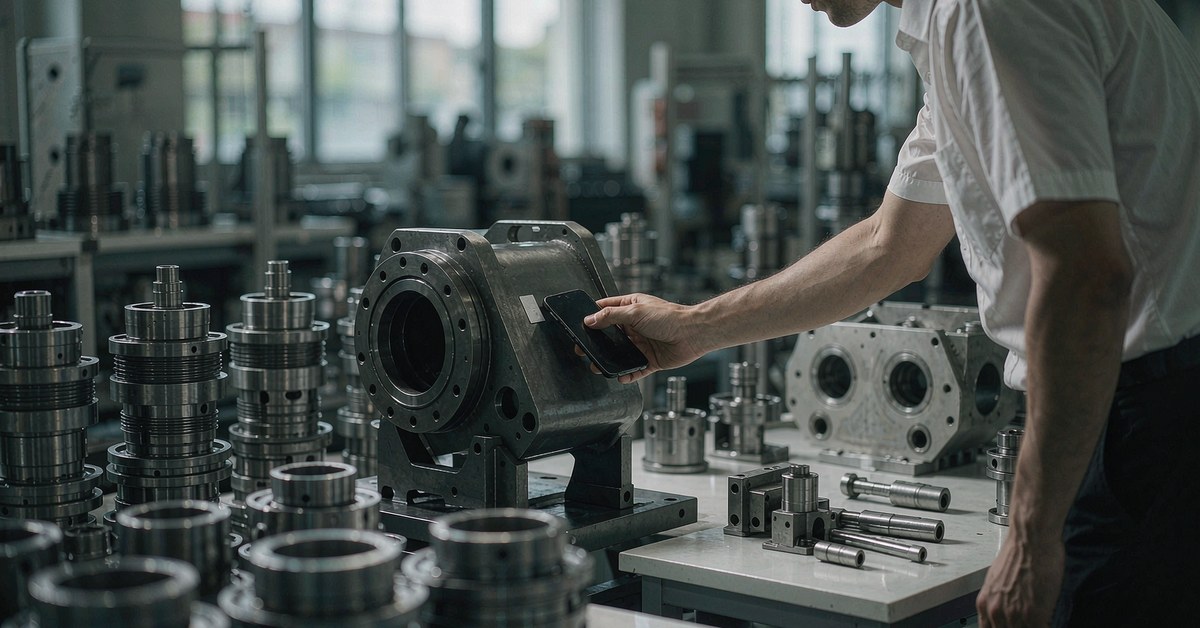
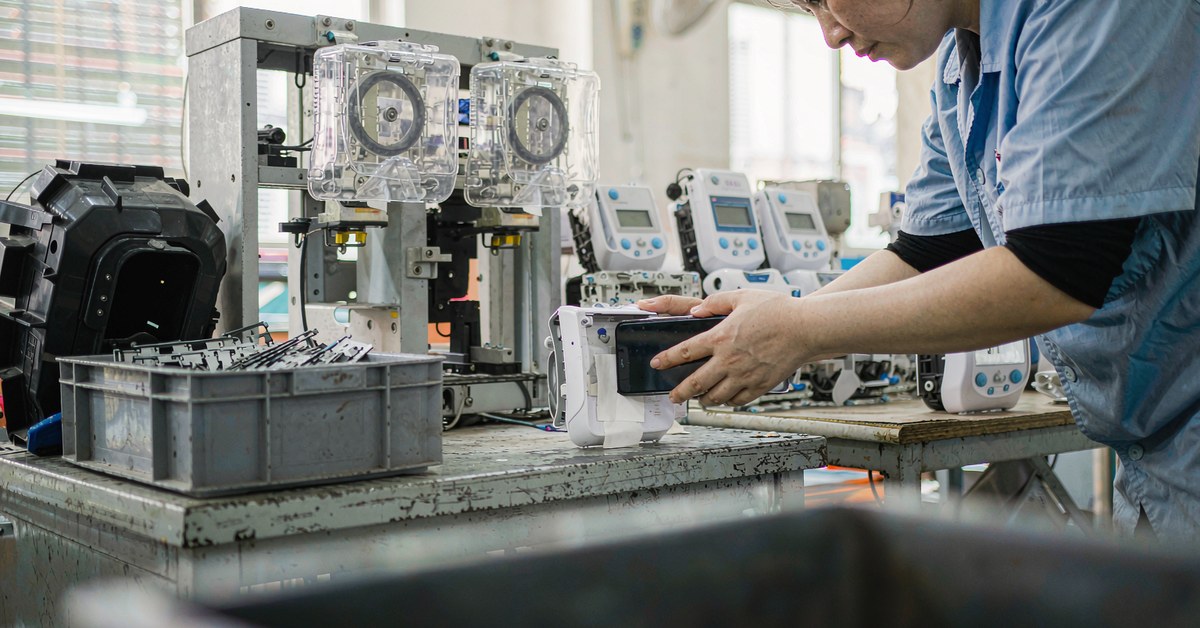
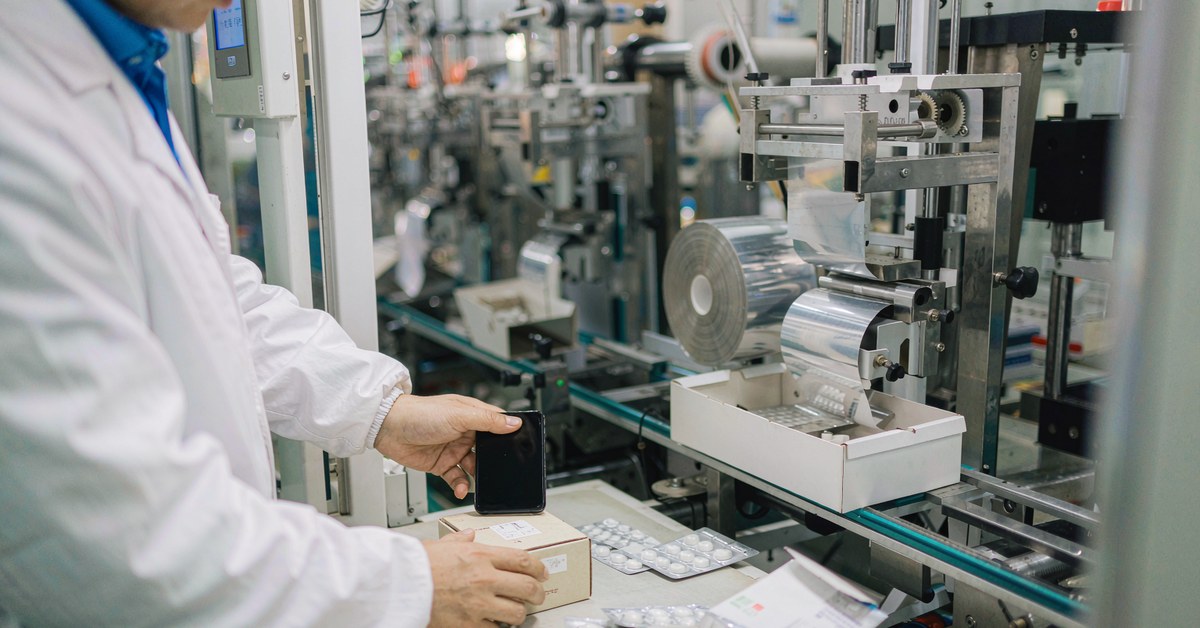
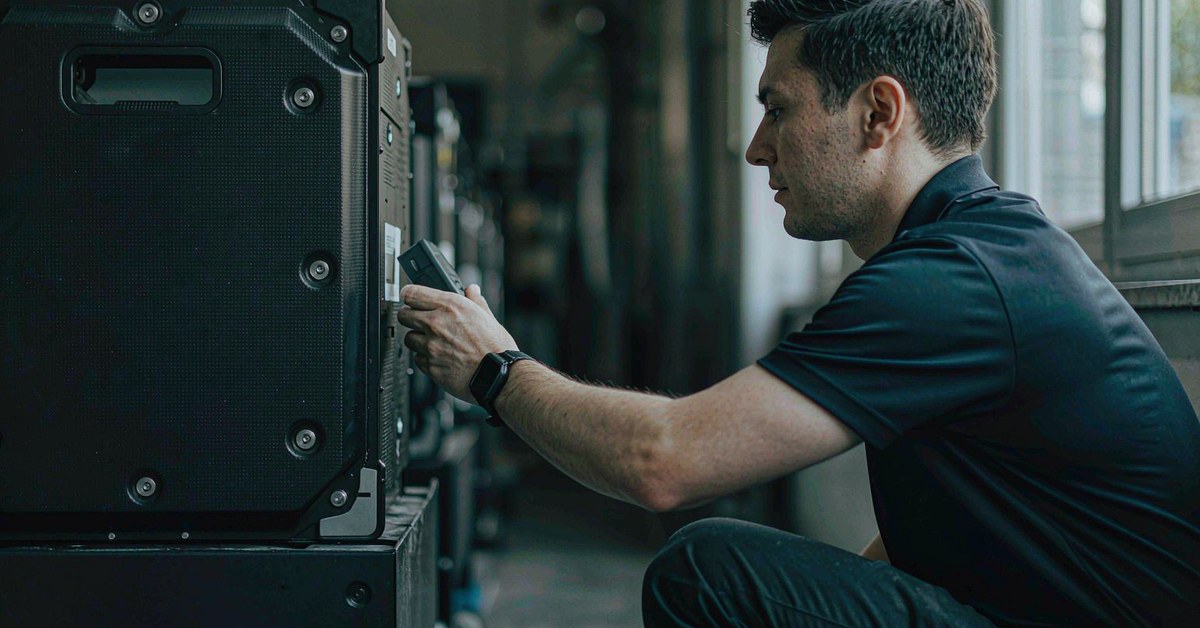
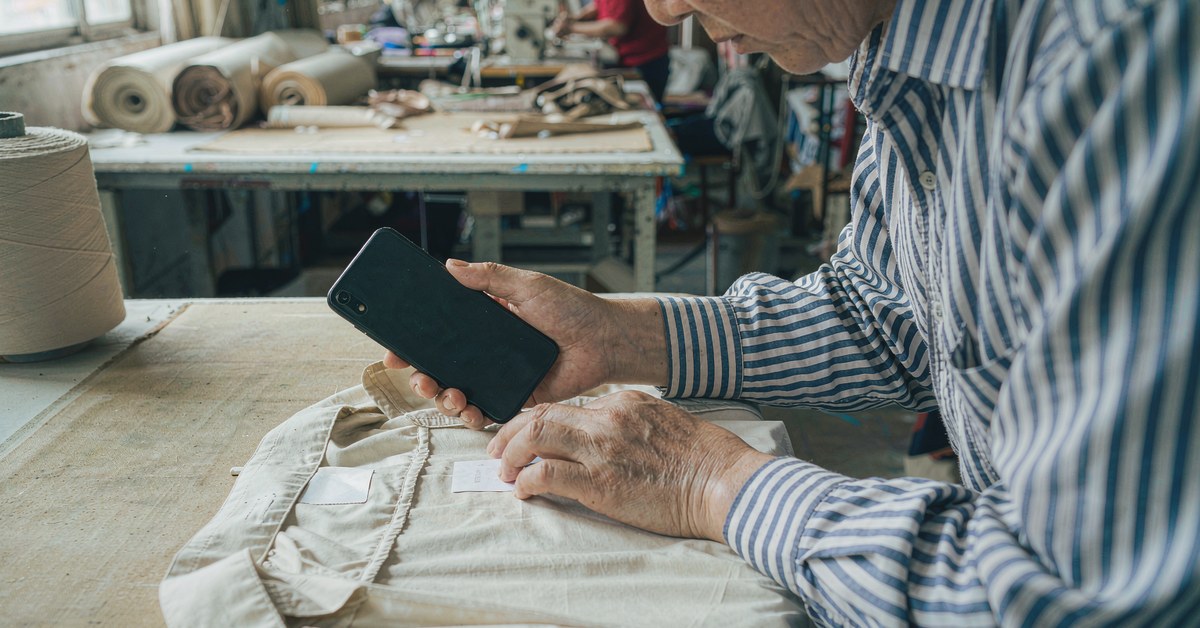
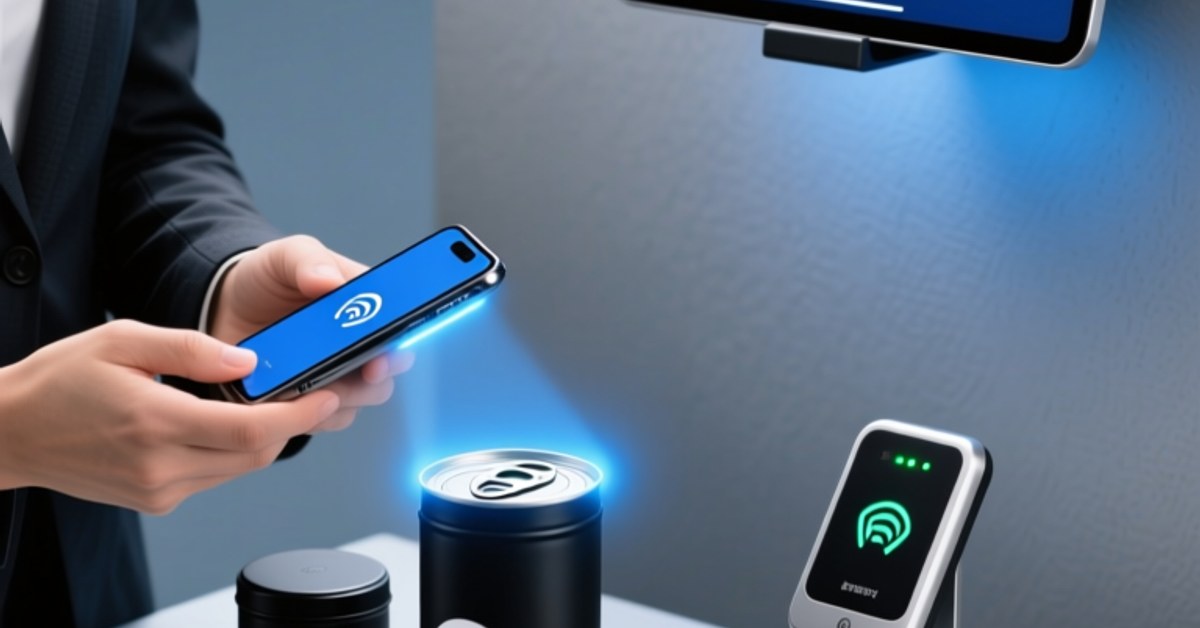
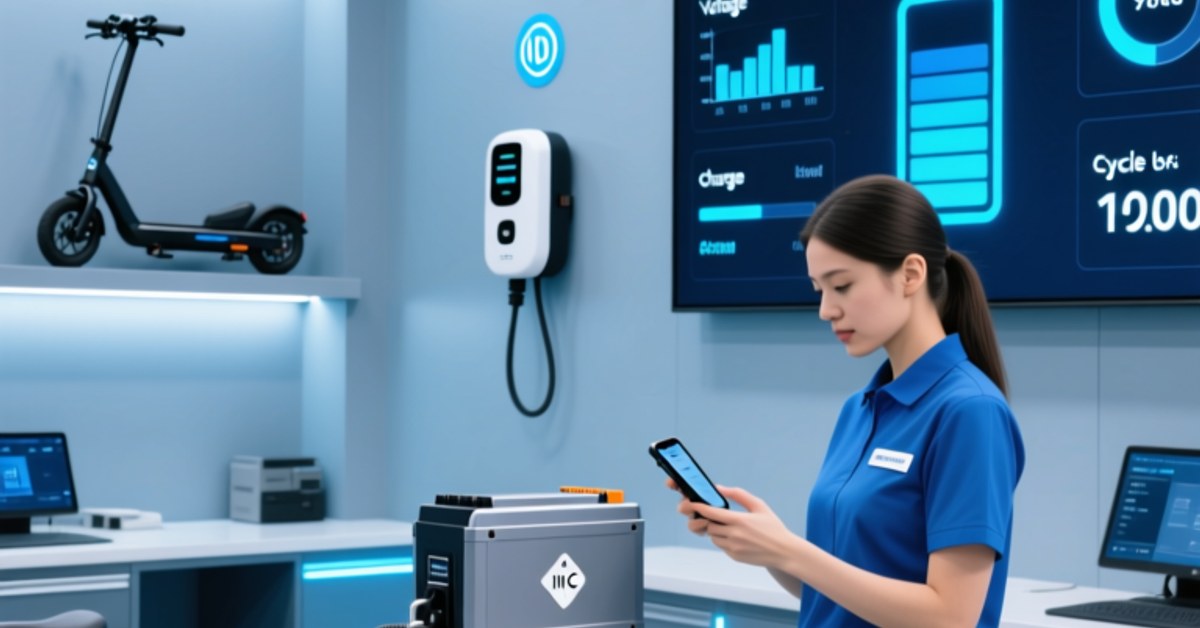
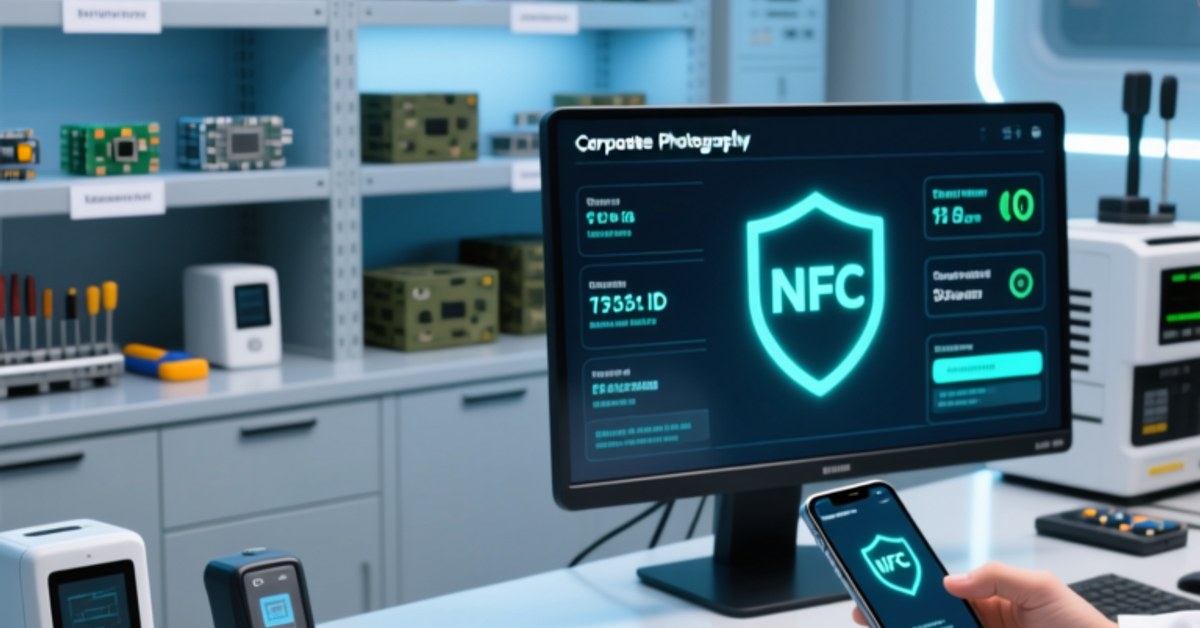
Indonesian electronics factories use NFC etiketleri for work-in-progress and tool tracking by attaching a durable identifier to each carrier, jig or fixture and tapping it at each process step with a handheld reader or an NFC-enabled phone. Each tap writes a timestamped event to the production record, so line leaders can see where a batch sits without manual logbooks. For metal fixtures and SMT environments, on-metal NFC or ferrite-backed tags are required, while UHF RFID is better suited to high-throughput gate reads.
Indonesia’s electronics manufacturing services sector has expanded as global brands diversify assembly locations. That growth brings pressure for tighter line-side traceability: customers want per-batch evidence, and manual paper travellers do not survive multi-shift operations.
NFC fits where a human already touches the item. A tap at load, at test and at pack creates an event trail without requiring a fixed reader portal at every station. The broader asset-tracking patterns are covered in asset tracking in manufacturing.
Where NFC Fits on an Indonesian SMT Line
NFC is strongest at operator-mediated checkpoints: kitting, board load, in-circuit test, final assembly and packing. It is not a substitute for portal-level UHF reads at goods-in, but it closes the gaps between those portals.
Choosing the Tag for the Fixture
ESD-safe carriers, metal jigs and solder-reflow trays each need different constructions. Ferrite-backed on-metal tags work on steel fixtures; high-temperature hard tags are required where carriers pass near reflow or cleaning. Guidance in marking metal objects covers metal-surface marking in practice.
- ESD-safe tags for board carriers and trays.
- Ferrite-backed on-metal tags for steel jigs and fixtures.
- High-temperature hard tags for washdown or near-reflow use.
- Handheld readers or NFC phones at operator checkpoints.
- UHF RFID portals for high-throughput goods-in and goods-out.
NFC vs UHF RFID for WIP Tracking
The two technologies solve different problems. NFC gives deliberate, human-verified taps at a station; UHF gives bulk reads of many items at once. Most factories use both rather than choosing one.
| Kriter | NFC / HF | UHF RFID |
|---|---|---|
| Read mode | Single deliberate tap, ~1-5 cm | Bulk read of many tags at several metres |
| Typical station | Operator checkpoint, test, tamirat | Dock door, warehouse gate, conveyor |
| Metal handling | Needs ferrite-backed on-metal design | Needs on-metal UHF etiketi tasarım |
| Reader hardware | NFC phone or low-cost handheld | Fixed reader plus antenna infrastructure |
| Şunun için en iyisi: | Verified step-by-step event trail | Fast inventory counts and movement |
Reducing Manual Scan Errors at Mill and Line Intake
Paper travellers get separated from batches during shift handover, and barcode scans fail on worn or oily labels. A tap-based identifier stored on the carrier itself stays with the physical batch.
Designing the Event Model
Keep the tag a stable identifier and write events to the backend: station, operatör, zaman damgası, result and exception flag. Do not repeatedly rewrite the tag with process state, which creates conflicting records. The manufacturing traceability approach in automotive manufacturing RFID follows the same principle.
- Define a short list of events: yük, test, rework, pack, ship.
- Write events to the backend; keep the tag a stable key.
- Include an exception flag for rework and failed test.
- Give line leaders a simple dashboard, not a raw event log.
- Pilot one line before rolling out across the plant.
Implementation Realities for Indonesian Plants
Bağlantı, mixed legacy equipment and varying operator discipline matter more than tag specification. An offline-first app that buffers taps and synchronises later avoids losing events during network outages.
Cost Justification
The business case usually rests on reduced search time for misplaced batches, fewer manual reconciliation hours, and cleaner evidence for customer audits. Start with the line where rework and lost-carrier incidents are most frequent.
Plants that standardise the identifier scheme early can extend the same tags from WIP to finished-goods and spare-parts tracking without rebuilding the data model.
SSS
Is NFC or UHF RFID better for electronics WIP tracking?
They complement each other. NFC suits operator-verified taps at individual stations; UHF suits bulk reads at dock doors and conveyors. Most plants deploy both.
Do NFC tags work on metal SMT fixtures?
Only with an on-metal design using a ferrite spacer or a tuned hard tag. A standard paper inlay will read poorly or not at all on steel.
Can NFC tags survive reflow temperatures?
Standard inlays cannot. Use high-temperature-rated hard tags and keep them off boards that pass through the reflow oven; tag the carrier rather than the board.
Does the factory need continuous network coverage?
HAYIR. Taps can be buffered locally on the reader or phone and synchronised when connectivity returns, provided the tag itself holds only a stable identifier.
What is the main benefit over paper travellers?
The identifier stays physically attached to the batch, events are timestamped automatically, and shift handovers no longer depend on a paper document that can be lost or mis-transcribed.
Build Reliable WIP Traceability on Your Line
NFCWORK Technology supplies on-metal NFC etiketleri, ESD-safe HF inlays, rugged RFID labels and handheld readers for electronics manufacturing. We can help you select tag constructions and validate reads on your actual carriers and fixtures.
Bize Ulaşın gereksinimlerinizi tartışmak için, veya keşfedin NFC ürünleri Ve çözümler.