Kun la rapida disvolviĝo de tutmondaj elektraj veturiloj (EVs) kaj sistemoj de stokado de energio, bateriaj pasportoj fariĝis ŝlosila komponanto en difinado de daŭrigeblaj provizoĉenoj kaj la cirkla ekonomio. Laŭ la EU-Bateria Regularo (Reguligo (EU) 2023/1542), de 2027 pluen, ĉiuj baterioj enirantaj la EU-merkaton devas havi ciferecan bateriopasporton por registri atributojn kiel ekzemple krudmaterialoj, agado-indikiloj, kaj vivciklo-datenoj.
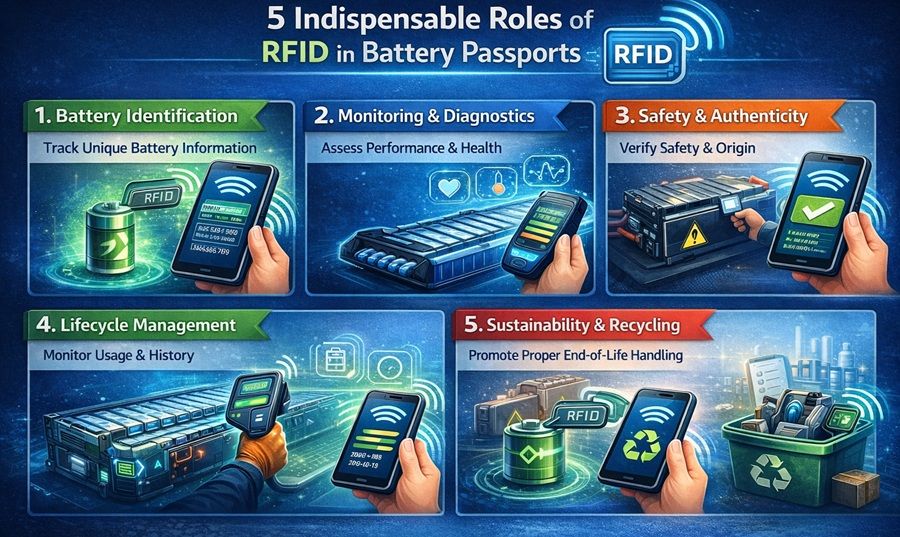
Ene de ĉi tiu kadro, RFID-teknologio fariĝis nemalhavebla fundamenta teknologio por la ciferecigo de bateriaj pasportoj. Jen kvin nemalhaveblaj kernaj roloj de RFID en bateriaj pasportoj:
1.Provizante Unika kaj Sekura Bateria Identeco
Ĉiu baterio ricevas tutmonde unikan identigilon (UID) tra an RFID -etikedo, kiu povas esti ligita al sia cifereca pasporto, ebligante plenprocezan registradon de krudmateriala akiro ĝis fina reciklado. EU-regularoj postulas, ke ĉi tiuj datumoj estu kontroleblaj kaj kontraŭfrapeblaj, certigante datumsekurecon kaj precizecon, kiu estas unu el la avantaĝoj de RFID-teknologio.
Datumoj: Bateriopasportoj kutime postulas superregistradon 90 atributoj de datumoj, inkluzive de komponado, kapacito, karbonpiedsigno, kaj bontena historio.
2.Realtempa Provizoĉeno-Spurado kaj Fonta Travidebleco
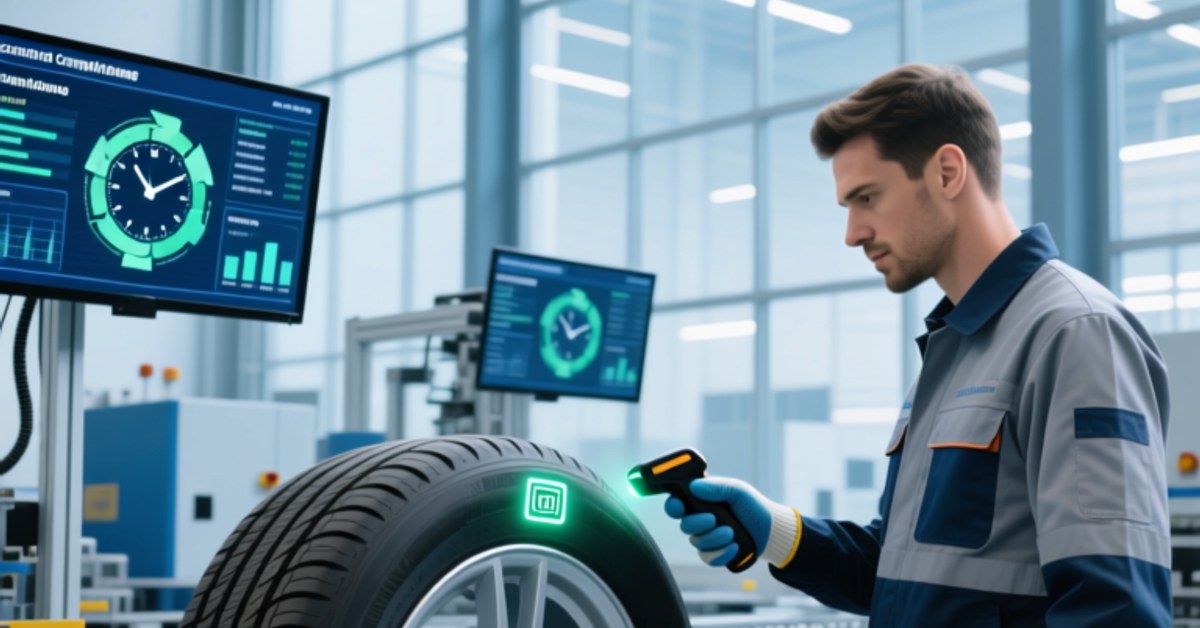
La bateria provizoĉeno ampleksas plurajn stadiojn, inkluzive de minoj, rafinejoj, kuirilaraj fabrikejoj, kaj veturiloj fabrikistoj. Tial, establi provizoĉenspureblecon estas unu el la kernaj misioj. RFID povas aŭtomate kolekti informojn ĉe ŝlosilaj nodoj kiel ekzemple eniro de krudmaterialo, fabrikado de komponantoj, kaj sendo kaj stokado, kaj alŝutu ĝin al la pasporta datumbazo en reala tempo, atingante provizoĉen travideblecon kaj spureblan respondecon.
Apliko: La tutmonda bateria pasporta iniciato emfazas ESG-efikecon kaj provizoĉenspureblecon, signife plibonigante markonkonformecon kaj kredindecon en la internacia merkato.
3.Dinamika Vivciklo-Rendimento kaj Statusaj Ĝisdatigoj
Male al tradiciaj senmovaj QR-kodoj, RFID subtenas dinamikan legadon kaj skribadon, permesante realtempajn ĝisdatigojn de bateriaj funkciigaddatenoj, kiel ekzemple ŝarĝaj cikloj, historio de temperaturo, kaj SOH (Sanstato) kaj aliaj ŝlosilaj rendimentindikiloj. Ĉi tio estas decida por plilongigi baterian vivon, optimumigante bontenajn planojn, kaj pliigante la valoron de sekundara uzo.
Avantaĝo: Realtempaj agado-ĝisdatigoj per RFID-legado povas signife plibonigi prizorgan efikecon kaj vivciklan prognozoprecizecon.
4. Veturanta Konforme-Reviziojn kaj Normigitan Raportadon
La EU-Bateria Pasporto postulas, ke kompanioj iam ajn disponu kontrolajn nivelajn datumojn. RFID-ekipitaj baterioj povas aŭtomate registri eventojn dum produktado kaj distribuado, generante reviziajn spurojn kontroleblajn de reguligaj agentejoj, signife simpligante plenumajn procezojn, plibonigante auditan efikecon, kaj reduktante la riskon de eraroj.
Plibonigita Konformeco: Aŭtomatigita datenkolektado reduktas manajn erarojn kaj faciligas la generacion de normigitaj datenraportoj rilataj al regularoj.
5.Antaŭenigante la Cirklan Ekonomion kaj Maksimumigi Recikladan Valoron
Tra la amasiĝo de vivciklo-datenoj per RFID, la bateria pasporto ne nur helpas la reciklan industrion identigi la recikleblon de bateriaj komponantoj sed ankaŭ optimumigas reciklajn procezojn kaj materialan apartigon.. Ĉi tiu travidebla spurado faras reuzon kaj materialan recikladon pli efika kaj daŭrigebla.
Cirkla Ekonomio: La vivociklo kaj reciklada vojo de la baterio estas signife plibonigitaj laŭ valor-reakiro-efikeco kun la subteno de la RFID-datumĉeno.; ĉi tio ankaŭ estas ŝlosila mova forto por la tutmonda progresado de la sekundara bateria merkato.
RFID-Produktaj Rekomendoj
Elekti la ĝustan RFID-aparaton estas gravega dum konstruado de bateria pasporta sistemo, ĉar ĝi determinas identigan efikecon, datumkolekta kvalito, kaj totala sistemstabileco. La sekvaj produktoj kovras ĉion, de porteblaj legantoj ĝis alt-efikecaj fiksaj legantoj kaj industriaj etikedoj, taŭga por integriĝo kun ekzistantaj sistemoj (MES, ERP, DPP platformoj, ktp.).
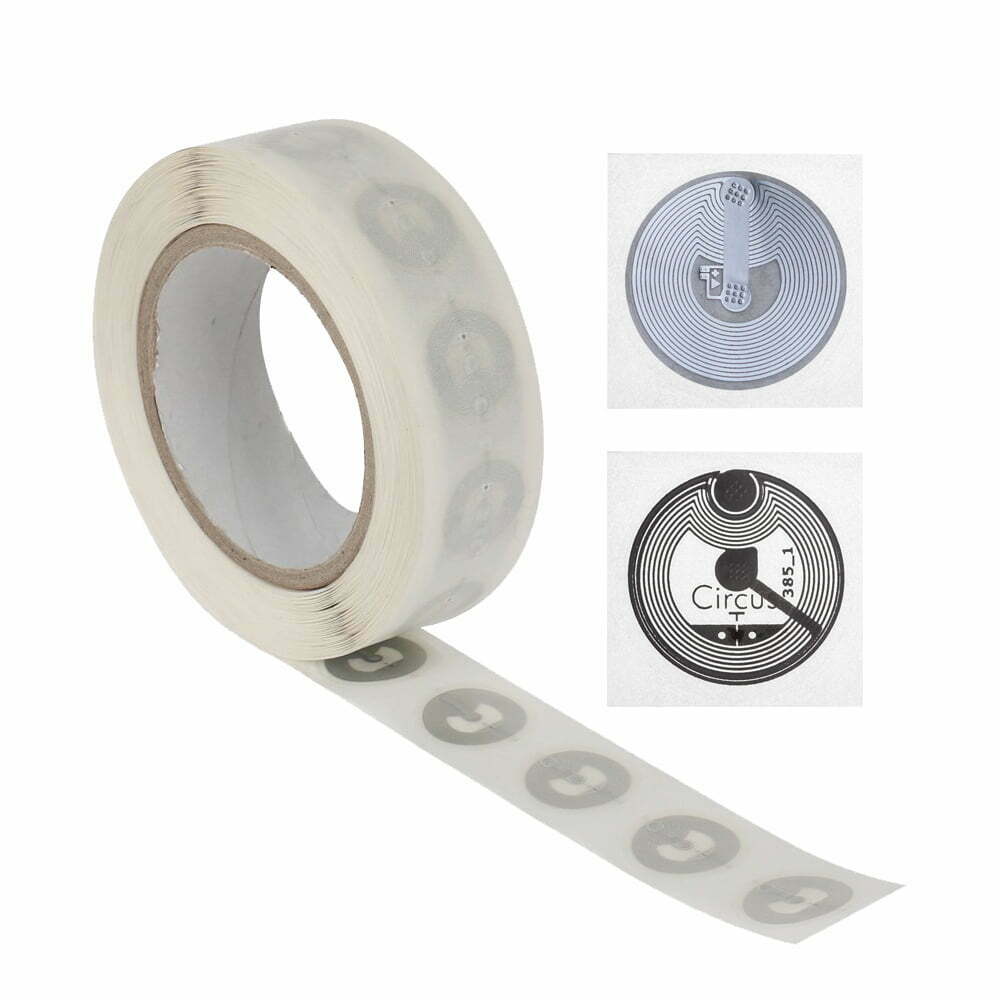
Ultra-Maldika RFID-etikedo - Ekonomia industria UHF RFID -etikedo, taŭga kiel unika identiga signo por bateriaj pasportoj, kongrua kun diversaj legantoj.
HY-R346A UHF RFID Leganto - Alt-efikeca industria-kvalita fiksa UHF-leganto, taŭga por magazenoj, produktadlinioj, kaj bateriaj paletaj skanantaj scenaroj, subtenante altrapidan legadon de grandaj kvantoj da etikeddatenoj, kaj estas grava aparatara nodo por bateria pasporta datumkolektado.
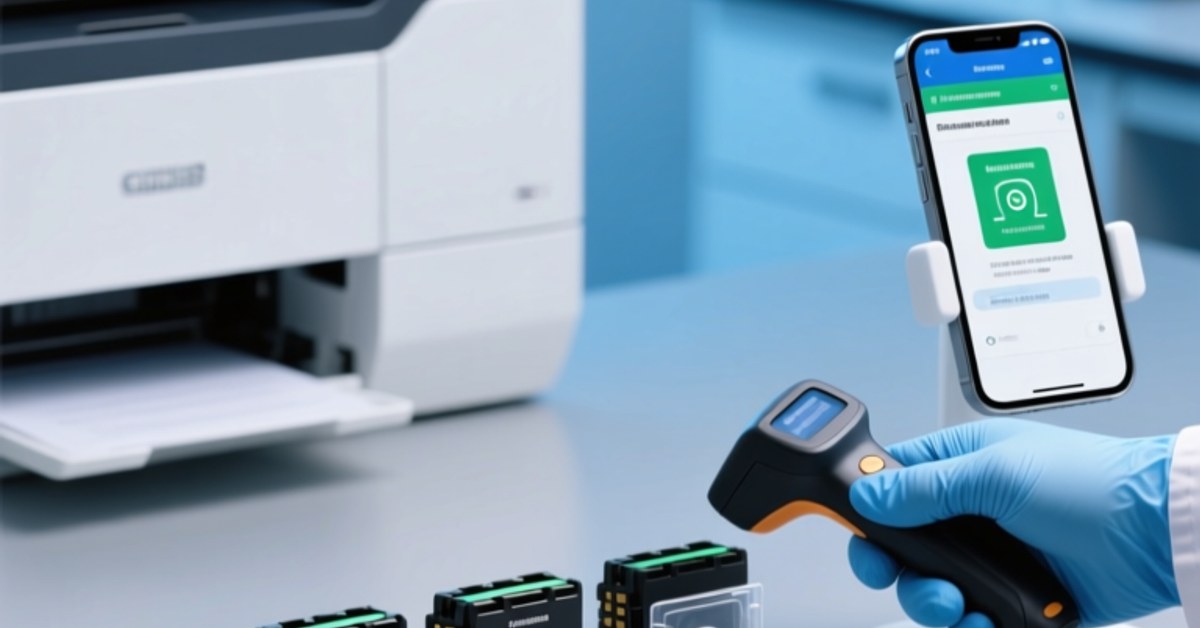
HY-R6100 UHF RFID Leganto - Portebla UHF RFID -Leganto kun strekokodo + UHF RFID du-reĝima identiga funkcio, taŭga por moveblaj inspektadoj kaj surloka skanado, kaj povas esti ligita kun tablojdoj/poŝtelefonoj por facilaj kontroloj de stato de bateriaj kaj vivciklo-datumado.
RFIDHY: Personigitaj RFID-Solvoj
Kiel profesiulo RFID-solvo provizanto, RFIDHY provizas tre daŭrajn kaj fidindajn personecigitajn RFID-etikedojn kaj sistemajn integrigajn servojn, taŭga por spurado de baterioj, agado registrado, kaj pasporta datuma sinkronigo en ekstremaj medioj. Ĝia teknika subteno inkluzivas:
- Multi-banda RFID-etikeddezajno adaptita al malsamaj baterispecoj
- Integriĝo kun entreprenaj sistemoj kiel PIM, MES, kaj ERP
- Agordaj protokoloj de legado/skribado por internaciaj normoj kaj regularoj
Ĉi tio permesas al entreprenoj maksimumigi la funkcian kaj reuzi valoron de bateriaj aktivoj dum plenumado de striktaj plenumaj postuloj.
Konkludo
Dum la tutmonda merkato iom post iom moviĝas al la bateria pasporta epoko, la rolo de RFID-teknologio etendiĝas preter identigo, iĝante kerna mova forto tra la spurebleco de provizoĉeno, agado monitorado, reviziokonformeco, kaj la realigo de cirkla ekonomio valoro. Adoptante RFID kaj personecigitajn solvojn (kiel ekzemple RFIDHY), kompanioj akiros signifajn plibonigojn en funkcia efikeco kaj konkurencivan avantaĝon en la tutmonda merkato.
Por pliaj informoj,Bonvolu kontaktu nin.