Introduction to NFC Security in Enterprise Contexts
Near Field Communication (NFC) is widely trusted across high-stakes enterprise applications—including Digital Product Passports, luxury items authentication, Smart Entertainment, and Smart Wearable Identification. Yet enterprise buyers rightly ask: How secure is NFC? Unlike consumer-facing assumptions, enterprise deployments demand cryptographic integrity, tamper resistance, and compliance-ready controls.
Core NFC Security Mechanisms
NFC itself is a communication protocol—not inherently secure—but its security derives from layered implementation:
- Secure Element (SE): A certified, tamper-resistant chip (e.g., ISO/IEC 15408 EAL5+) that stores credentials and performs cryptographic operations offline.
- Host Card Emulation (HCE) with Tokenization: Enables cloud-based credential management while isolating sensitive keys from the device OS.
- NDEF Signing & AES-128 Encryption: Ensures message authenticity and confidentiality during tag reads—especially critical for Digital Product Passport data integrity.
- Mutual Authentication: Both reader and tag verify each other’s identity before data exchange—a requirement for anti-counterfeiting systems in luxury authentication.
Threat Landscape and Mitigations
Common concerns—eavesdropping, relay attacks, cloning—are mitigated through design:
| Threat | Enterprise Mitigation |
|---|---|
| Relay Attack | Distance bounding protocols + SE-enforced session timeouts |
| Data Interception | AES-128 encrypted NDEF payloads + channel binding |
| Tag Cloning | Unique UID + cryptographically signed dynamic identifiers (e.g., NFC-Certified Authentication) |
| Firmware Tampering | Secure boot + hardware-rooted attestation (leveraging RFIDHY’s nfc-ca platform) |
Compliance and Certification Alignment
RFIDHY’s NFC solutions comply with:
- ISO/IEC 14443 (contactless smart card standard)
- GS1 Digital Link & EPCIS for Digital Product Passport traceability
- EMVCo for payment-grade authentication
- ISO/IEC 15408 (Common Criteria) for secure element validation
These ensure interoperability and audit readiness across global supply chains and regulated sectors like luxury goods and entertainment access control.
Frequently Asked Questions
- Does NFC support end-to-end encryption? Yes—when implemented with a Secure Element and AES-128–encrypted NDEF records, NFC supports authenticated, encrypted data exchange between tag and reader.
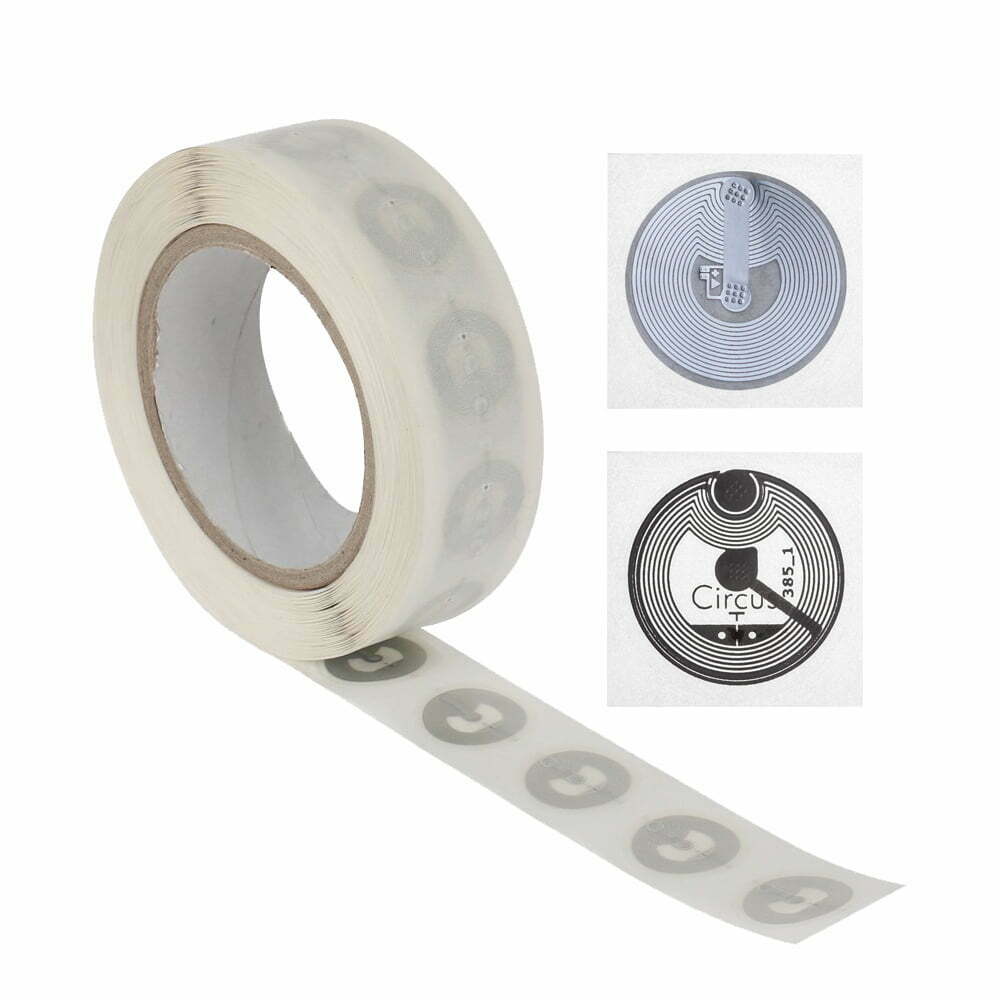
- Can NFC tags be cloned for fraud? Static UID-only tags can be replicated; however, RFIDHY’s certified NFC-CAs and dynamic signature schemes prevent functional cloning in luxury authentication or Digital Product Passport workflows.
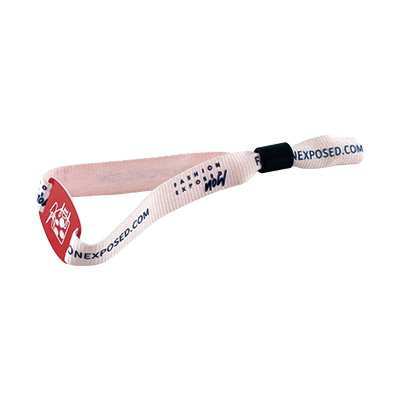
- Is NFC secure enough for employee wearable ID? Absolutely—when paired with mutual authentication and on-device biometric verification (e.g., via NFC-enabled smart wristbands), it meets ISO/IEC 27001-aligned access control requirements.
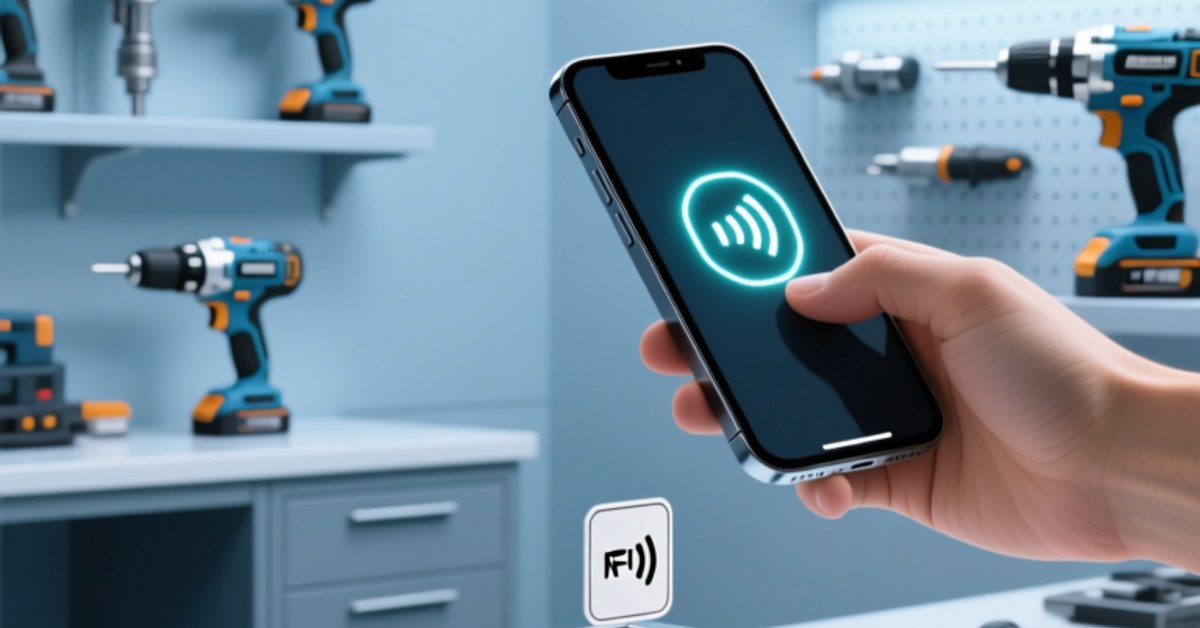
- Do all NFC readers support encryption? No—enterprise-grade readers must explicitly support ISO/IEC 14443-4 and secure messaging layers. RFIDHY’s certified readers include built-in crypto accelerators and TLS-secured backend integration.
Evaluate NFC Security for Your Use Case
Our technical team provides no-cost architecture reviews—including threat modeling, encryption schema validation, and compliance gap analysis—for Digital Product Passport, luxury authentication, Smart Entertainment, and Smart Wearable Identification deployments.