Ĉe tradiciaj muzikaj festivaloj, spektantaroj ofte estas ĝenitaj de maloportunaj procezoj: paperaj biletoj facile perdiĝas, longaj vicoj por kontanta pago, kaj amasŝtopiĝo kiam la scenejo estas ŝanĝita …… Ĉi tiuj dolorpunktoj estas senfine plifortigitaj ĉe eventoj de 10,000 homoj. La apero de RFID (Radiofrekvenca Identigo) teknologio reagordas la tutan procezan sperton de la festivalo en la formo de "pojno nigra teknologio", permesante al la spektantaro esti mergita en muzikfesto de enirejo ĝis elirejo, kaj vere realigi la duoblan trarompon de 'sensenca interago’ kaj "inteligenta administrado".
Subfosado de la Tradicia Enira Reĝimo
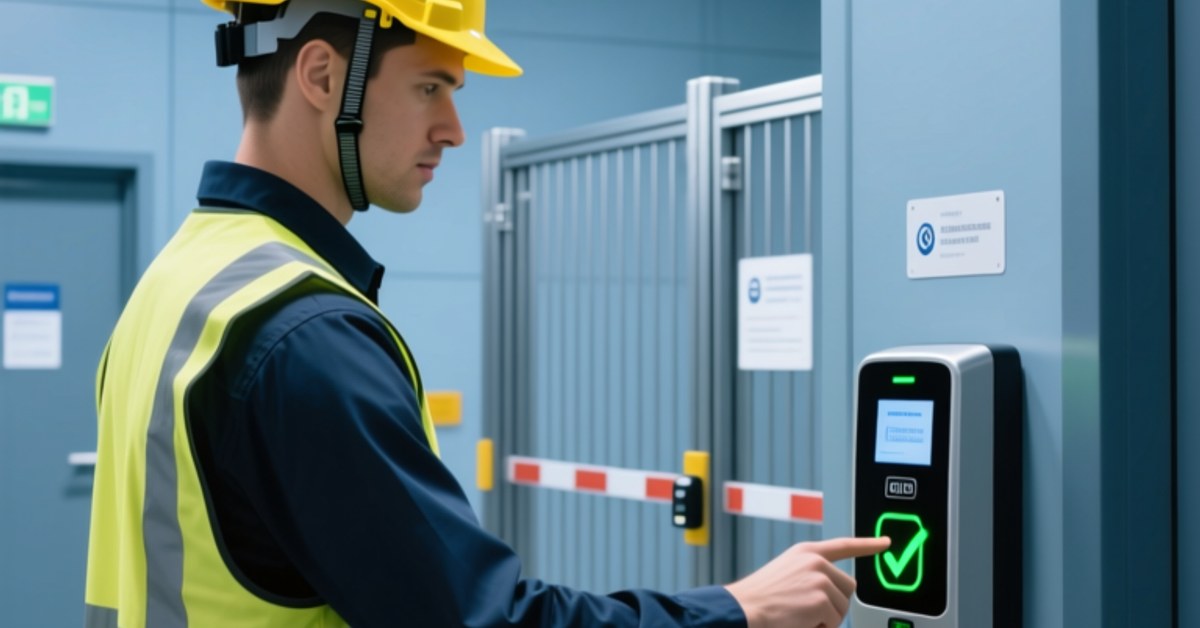
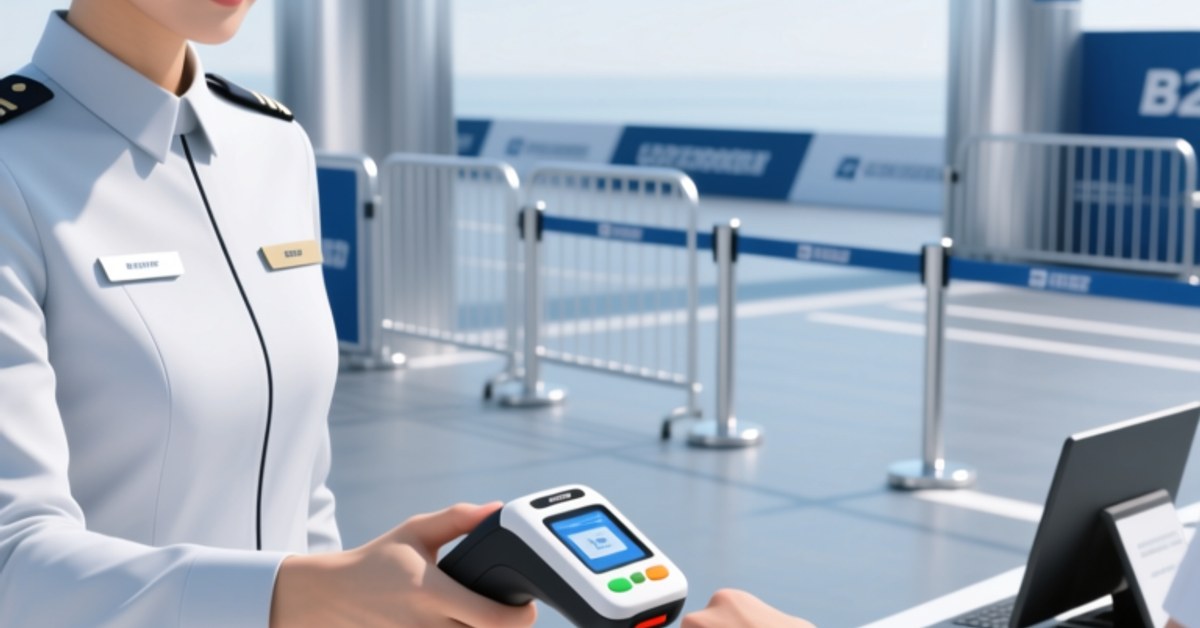
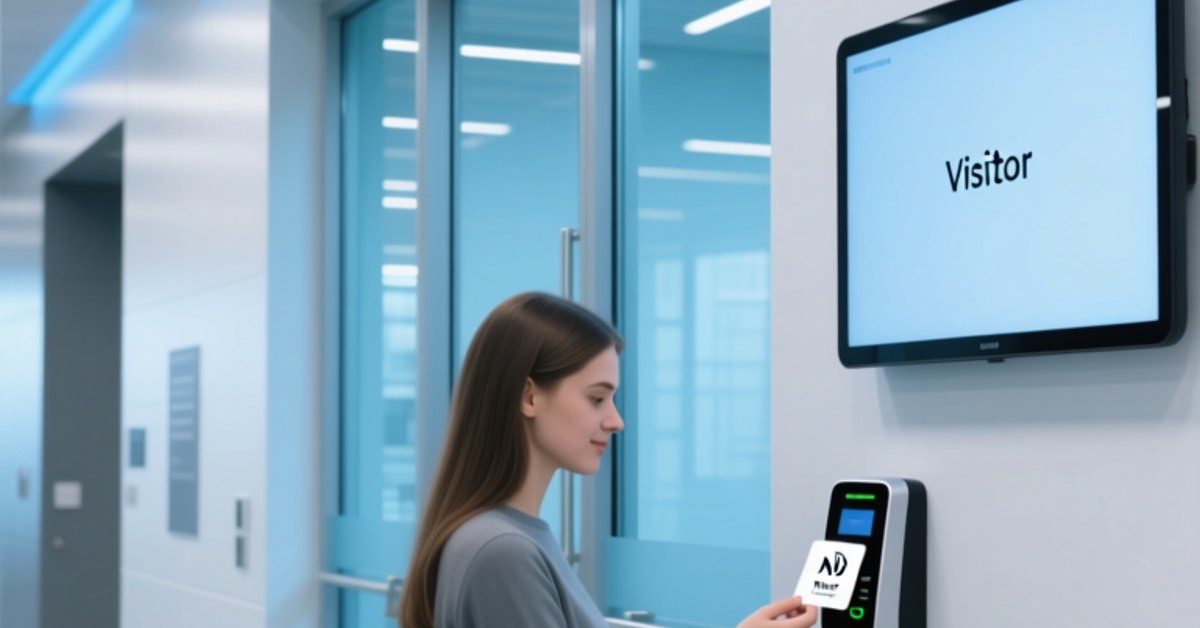
En la pasinteco, kiam la publiko eniris la festivalon, ili devis teni paperajn biletojn kaj vicigi por konfirmo, kaj ili eĉ devis atendi pli ol duonhoron dum pintaj horoj, kaj la aspekto de RFID-pojnoj tute ŝanĝis ĉi tiun situacion: post kiam la publiko aĉetis biletojn, la informoj estis aŭtomate ligitaj al la akvorezistaj kaj daŭraj silikonaj pojnoj, kaj ili nur bezonis esti proksime al la induktaj pordegoj kiam ili eniris la festivalon, kaj la sistemo povus kompletigi la konfirmon de iliaj identecoj kaj egali iliajn permesojn ene 0.5 sekundoj. Ĉi tiu 'sensensa enirpermesilo’ reĝimo estis vaste uzita en Tomorrowland kaj aliaj internaciaj muzikaj festivaloj, la publiko ne bezonas elpreni biletojn, skani kodojn aŭ demeti la braceleton, rekte tra la pordego por eniri la ejon, la efikeco de la enirejo plibonigi 60 tempoj.
Pli rimarkinda estas, ke la RFID-pojno 'nevidebla funkcio’ – per la deplojo de multmodala konfirmterminaloj ĉe la enirejo al la ejo, la sistemo povas esti realtempa statistiko de la denseco de la regiona fluo de homoj, dinamika alĝustigo de la nombro da sekurecaj kanaloj.
Pojna pago en la senkonta epoko
La konsumdolorpunktoj de la muzikfestivalejo ankaŭ estas signifaj: kontantmono estas facile perdebla, poŝtelefona pagsignalo estas malstabila, viciante por aĉeti trinkaĵojn por maltrafi la spektaklon ……RFID-pojnoj per la integriĝo de elektronika monujo-funkcio, por tute solvi ĉi tiujn problemojn. Vizitantoj nur bezonas replenigi la valoron per la oficiala APP antaŭ eniri la ejon, kaj tiam ili povas ‘pagi per ondo’ en la manĝejo kaj kvartalaj butikoj. Prenante la vintran okazaĵserion de Playa Luna kiel ekzemplon, turistoj portantaj la RFID-pojno povas libere elspezi monon en la feriejo sen neceso porti poŝtelefonojn aŭ ŝlosilojn, kaj la konsumdatumoj estas sinkronigitaj al la nubo en reala tempo, evitante la disputojn pri ŝanĝo kaj financaj riskoj asociitaj kun tradiciaj kontanttransakcioj.
Ĉi tiu paga novigo ankaŭ alportas valoron: per analizo de konsumdatumoj, organizantoj povas akiri precizajn sciojn pri spektantaro-preferoj. Ekzemple, muzika festivalo trovis tion 80% de la publiko aĉetis metian bieron inter prezentoj, do ĝi starigis provizoran trinkejon ĉirkaŭ la scenejo, pliigante vendojn de 30%. Pli avangardaj aplikaĵscenaroj estas esploritaj – en la estonteco, pojnopago povas esti kombinita kun dinamika prezo, ĝustigi la prezon de varoj laŭ realtempa pieda trafiko kaj ekvilibrigi la rilaton inter provizo kaj postulo.
Pojna magio’ aktivigas mergan sperton
La interrompa naturo de RFID-teknologio ne nur reflektiĝas en la plibonigo de efikeco, sed ankaŭ en ĝia reformado de la interaga logiko de la festivalo. Enkorpigante legantojn en la scenejon kaj instalaĵarton, la pojnoj portitaj de la spektantaro povas ekigi personecigitan sonon kaj luman religon. Ekzemple, kiam la spektantaro estas proksima al specifa instalaĵo, la pojna peceto sendos unikan identigilon al la kontrolsistemo, kiu ŝanĝos la koloron de la lumoj kaj la ritmo de la muziko aŭtomate adaptiĝos al la movrapideco de la spektantaro, kreante mergan sperton de 'mil vizaĝoj, mil vizaĝoj’.
Je la teknika nivelo, tiu interago dependas de la kombinaĵo de altfrekvenco RFID -etikedoj kaj malalta potenco Bluetooth (BLE). Prenante la belecan interagan sistemon de Estee Lauder kiel ekzemplon, kiam kliento prenas produkton, la breta leganto rekonas la agon per RFID kaj ligas la ekranon por ludi ekskluzivan videon. Kiam ĉi tiu logiko estas transdonita al muzikaj festivaloj, ĝi povas esti derivita de la 'trezorĉasado-ludo’ kaj 'virtuala insigna kolekto’ — la spektantaro kompletigos la trunkarttaskon sur malsamaj stadioj, kaj la pojnoj aŭtomate malŝlosos la kaŝitajn spurojn aŭ ekstercentrajn rabatojn, tiel plifortigante la senton de partopreno kaj socia disvastigo.
El ‘senorda festeno’ al 'inteligenta kontrolo’
Por la organizantoj, RFID-teknologio estas administrada revolucio. Spurante la lokon de pojnoj en reala tempo, la sistemo povas desegni "varmomapon", precize identigu plenplenajn areojn kaj ekigu avertojn.
La valoro de datumoj ankaŭ etendiĝas al la kontraŭfraŭda kampo de biletado. Per blokĉena teknologio, la registro de 'aĉeto – konfirmo – uzi’ de ĉiu braceleto ne povas esti mistraktita, efike malhelpante biletfalsadon kaj skalpon. Post la deplojo de ĉi tiu sistemo en pitoreska loko, la indico de biletdisputoj malpliiĝis 90%, kaj la uzado de tempo de klientplendoj estis mallongigita de 2 horojn al realtempa respondo. Krome, la fora malfunkciiga funkcio de pojnoj povas rapide ŝlosi eksternormajn kontojn. Ekzemple, kiam braceleto estas legita per multoblaj enirejoj ene de mallonga tempodaŭro, la sistemo aŭtomate markas ĝin kiel 'suspektata falsaĵo’ kaj sciigas sekurecan personaron por interveni.
Eble ankaŭ interesas vin:
Por pliaj informoj,Bonvolu kontaktu nin.