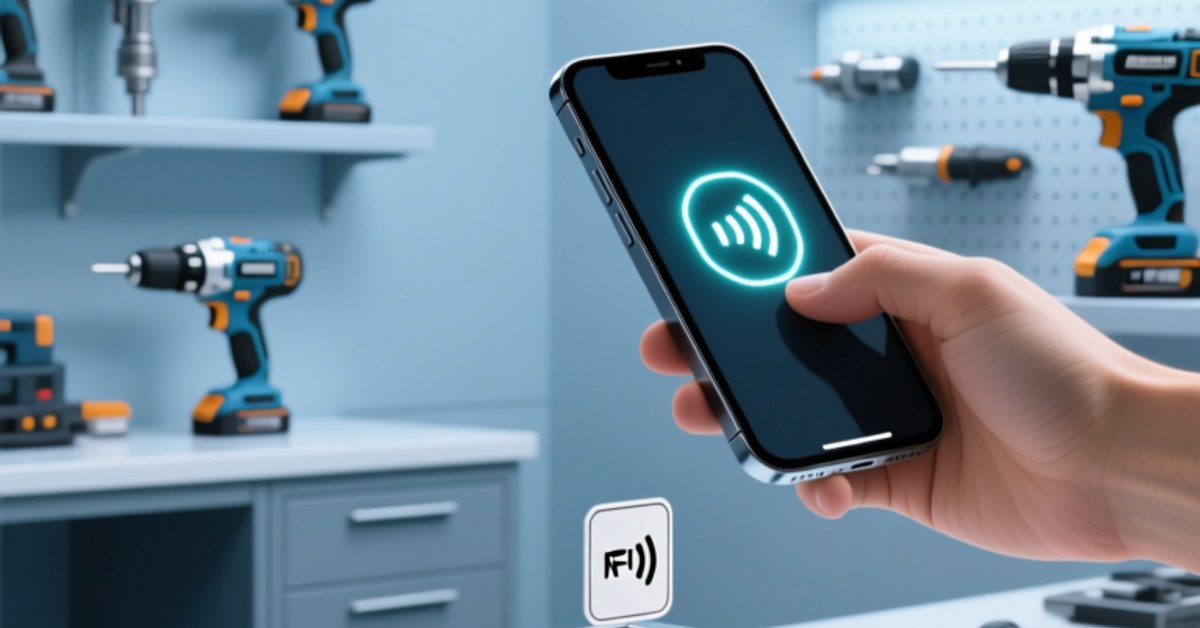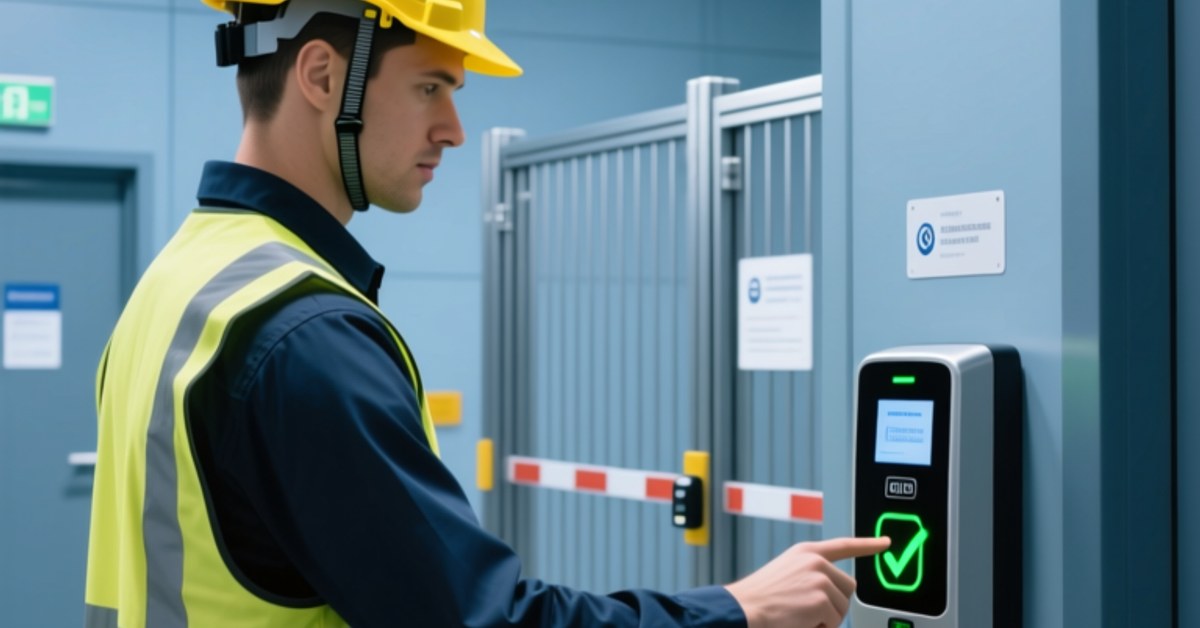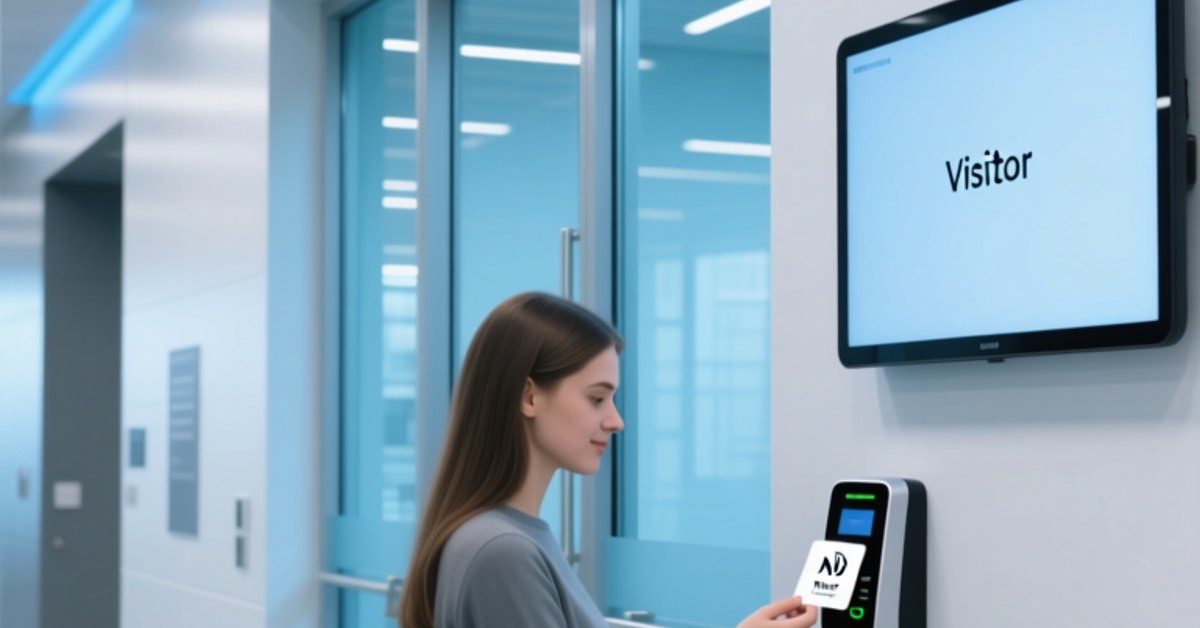
Посредством RFID-мониторинга СИЗ и отслеживания соблюдения требований, компании могут автоматически записывать каждый вход и выход, статус ношения каждого предмета СИЗ, и заимствование и возврат записей, замена традиционных выборочных проверок и значительное улучшение показателей соответствия и отслеживаемости. Управление по охране труда (OSHA) нормативные требования к управлению СИЗ в США также делают отслеживание СИЗ с помощью RFID важным средством количественной оценки соответствия..
Как это работает?
Типичное решение предполагает прикрепление или пришивание RFID -теги (такие как пассивные метки УВЧ или антиметаллические метки) для СИЗ для защитных касок, очки, и перчатки. Стационарные считыватели RFID и шкафы RFID PPE установлены у ворот завода или на рабочих станциях.. Путем интеграции с серверной платформой отслеживания соответствия СИЗ., возможна автоматическая проверка: если сотрудник не носит необходимые СИЗ, система может предотвратить их вход или вызвать тревогу, таким образом преобразуя данные RFID-мониторинга СИЗ в режиме реального времени в действия по управлению..
Практические примеры показывают, что предприятия, внедрившие интеллектуальные RFID-решения, добились значительного улучшения показателей соблюдения требований СИЗ и показателей безопасности.. Одна электростанция, после реализации обнаружения средств индивидуальной защиты в режиме реального времени, подключенных к RFID, увеличила уровень соблюдения СИЗ с 38% к 83%, сокращение связанных с этим инцидентов за счет 82%, и добились существенного возврата инвестиций за короткий период (тематическое исследование включает данные отслеживания соответствия СИЗ и данные отслеживания СИЗ с помощью RFID.). Эти результаты демонстрируют высокую ценность RFID-мониторинга СИЗ в обрабатывающей промышленности..
Ключевые соображения по реализации
Для успешной реализации необходимы три компонента: соответствующие теги (НАПРИМЕР., УВЧ пассивный, антиметаллический, или пришитый RFID -теги для СИЗ), соответствующее размещение антенны, и четкие правила ведения бизнеса (вход/рабочая станция/возврат). Как избежать слепых зон, проверка местоположения тега, а сочетание шкафов RFID СИЗ с портативными терминалами может свести к минимуму количество ложных тревог при отслеживании соответствия СИЗ..
Отражения от металла и оборудования в промышленных условиях могут повлиять на характеристики радиочастот.. Посредством радиочастотного моделирования и ввода в эксплуатацию, размещение читателя, Возможности RFID-мониторинга СИЗ, и зону отслеживания RFID-СИЗ можно оптимизировать., достижение стабильных показателей узнаваемости (>95%) даже в зонах с высокой плотностью металла. Этот шаг имеет решающее значение для надежного отслеживания соблюдения требований СИЗ..
Практические рекомендации RFIDHY
Как поставщик отраслевых решений, RFIDHY предлагает ряд интегрированных решений, охватывающих RFID-метки для СИЗ, Пассивные метки УВЧ, и шкафы RFID СИЗ. Мы рекомендуем начинать с небольших пилотных проектов в цехах повышенного риска, а затем постепенно расширять их до отслеживания соблюдения требований СИЗ в масштабе всего предприятия и RFID-мониторинга СИЗ..
Рекомендация продукта
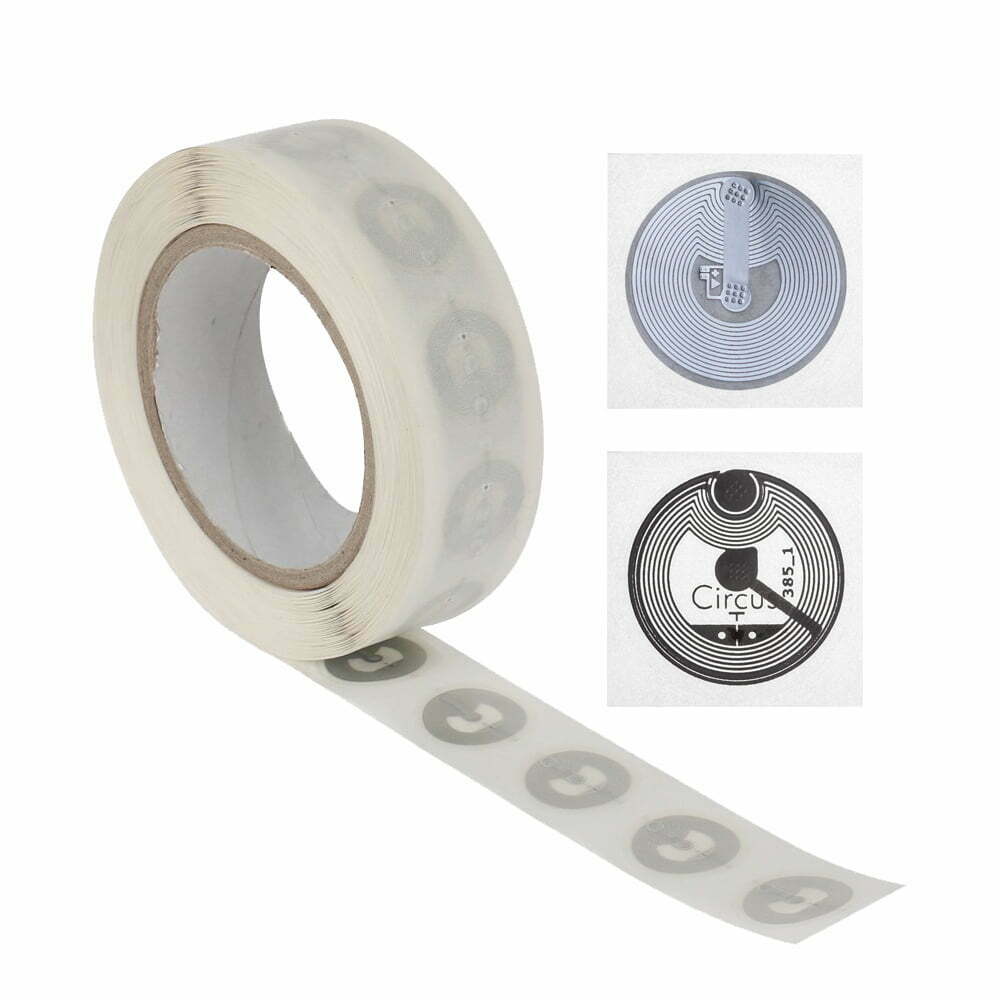
Пассивные RFID-метки УВЧ (Общего назначения): Подходит для шлемов, инструменты, и наборы инструментов, обеспечение быстрого доступа и RFID-отслеживание СИЗ.
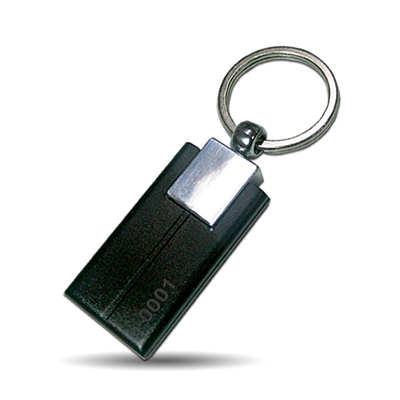
Антиметаллические RFID-метки (Жесткий/панельный тип): Для металлических инструментов и СИЗ с металлической основой., обеспечение стабильного считывания RFID-меток СИЗ в средах, подверженных помехам.
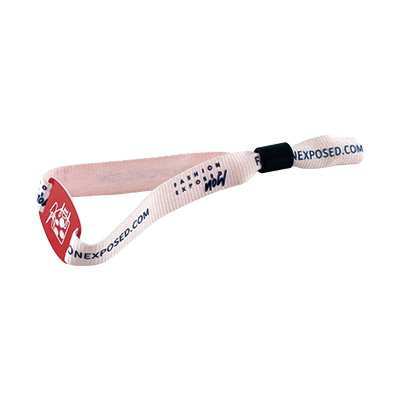
Вшитые тканевые RFID-метки: Моющийся, подходит для униформы и защитной одежды, может использоваться со шкафами RFID PPE для отслеживания соответствия одежды.
Образцы и результаты испытаний всех вышеперечисленных продуктов на месте доступны по запросу от RFIDHY.
Часто задаваемые вопросы
1 квартал: Может ли RFID-мониторинг СИЗ определить “носят ли его,” не просто “будь то на твоем теле,” в реальном времени?
А: Развертывание системы RFID-отслеживания СИЗ на входах/рабочих станциях, в сочетании с фиксированным расположением антенн (и объединение видео/сенсоров при необходимости), может обеспечить отслеживание соблюдения требований СИЗ практически в реальном времени. В некоторых сложных ситуациях, чистая технология RFID требует стратегической интерпретации.
2 квартал: Каков типичный период окупаемости затрат на установку RFID-меток для СИЗ??
А: Это зависит от масштаба и глубины трансформации процесса.. Большинство производственных компаний могут добиться возмещения полной стоимости владения в течение 6-18 месяцев за счет сокращения потерь, время простоя, и штрафы за нарушение. Использование шкафов RFID СИЗ позволяет достичь этой цели еще быстрее..
Q3: Как обеспечить точность RFID-отслеживания СИЗ в металлоемких цехах?
А: Необходимо использовать антиметаллические RFID-метки., и антенны и мощность надо регулировать. Окончательно, стратегия портативной проверки должна быть объединена для обеспечения стабильности отслеживания соответствия СИЗ.
Q4: Будет ли эта система нарушать конфиденциальность сотрудников??
А: Мы рекомендуем ограничить отслеживание “СИЗ” вместо того, чтобы постоянно находить людей. Четко определите политику хранения данных и включите ее в справочники сотрудников.. Это достигает как целей безопасности RFID-мониторинга СИЗ, так и обеспечивает соблюдение конфиденциальности..
Заключение
Внедрение RFID-мониторинга СИЗ и отслеживания соответствия СИЗ в производственных средах является жизнеспособным подходом к улучшению соблюдения требований безопасности и снижению затрат.. Используя RFID-метки, подходящие для СИЗ, и сотрудничая с такими поставщиками, как RFIDHY, компании могут перевести управление СИЗ с реактивной проверки на упреждающий контроль, что приводит к количественному улучшению безопасности. При необходимости я могу адаптировать для вас технологическое решение..
Для получения дополнительной информации,пожалуйста связаться с нами.