Why Enterprises Are Adopting NFC Cards for Access Control
Modern enterprises demand more than physical keycards or proximity badges. NFC cards deliver cryptographic authentication, dynamic credentialing, and seamless interoperability with mobile devices and cloud-based identity platforms. Unlike legacy RFID systems operating at 125 kHz, NFC operates at 13.56 MHz with ISO/IEC 14443 standards—enabling mutual authentication, encrypted data exchange, and support for secure elements.
Key Advantages Over Traditional Solutions
- Enhanced Security: Built-in support for AES encryption and secure element integration mitigates cloning and relay attacks.
- Scalable Identity Management: NFC credentials can be provisioned, revoked, or updated remotely via over-the-air (OTA) commands.
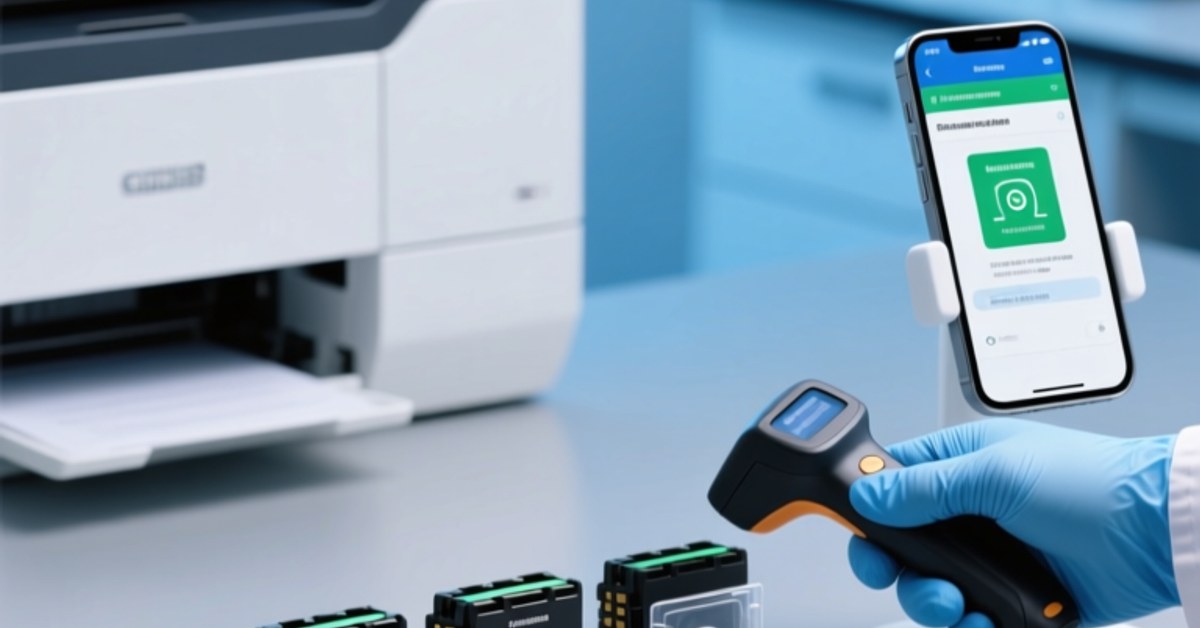
- Digital Product Passport Integration: Each NFC card can host a verifiable Digital Product Passport (DPP), linking physical access rights to lifecycle data, certifications, and sustainability attributes.
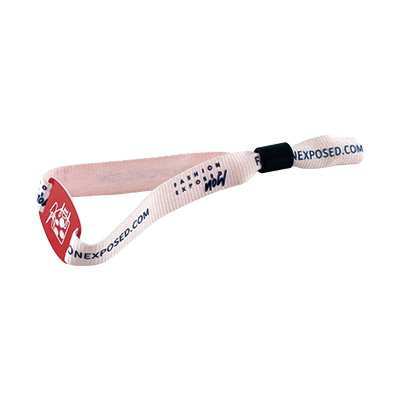
- Smart Wearable Identification Compatibility: NFC cards interoperate with wearable form factors (e.g., wristbands, rings), enabling unified identity across physical and digital touchpoints.
Real-World Deployment Considerations
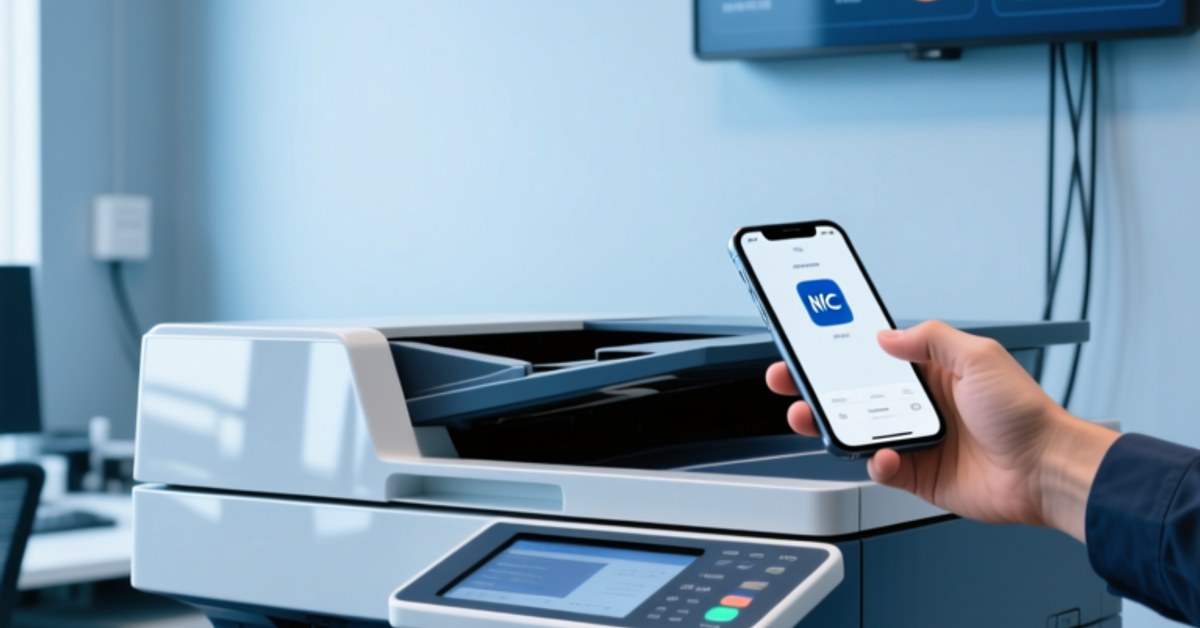
Successful implementation requires alignment with existing infrastructure. NFC readers must support CCID or HID protocols; backend systems should integrate with identity providers (e.g., Azure AD, Okta) and support SCIM provisioning. For high-security zones, pairing NFC cards with biometric verification creates a robust two-factor access layer.
Future-Proofing Through Standardization
The Digital Product Passport initiative—driven by EU regulations and global ESG frameworks—relies on tamper-evident, cryptographically signed identifiers. NFC cards serve as ideal carriers for DPP payloads, ensuring authenticity and traceability from manufacturing to end-of-life. Similarly, in Smart Wearable Identification use cases, NFC enables wearables to act as trusted identity anchors across campuses, events, and hybrid workplaces.
Frequently Asked Questions
- What is the difference between NFC access control and traditional RFID access cards?
NFC access control uses ISO/IEC 14443-compliant 13.56 MHz technology with built-in encryption and bidirectional communication, whereas many legacy RFID cards operate at 125 kHz without cryptographic capabilities. - Can NFC cards store a Digital Product Passport?
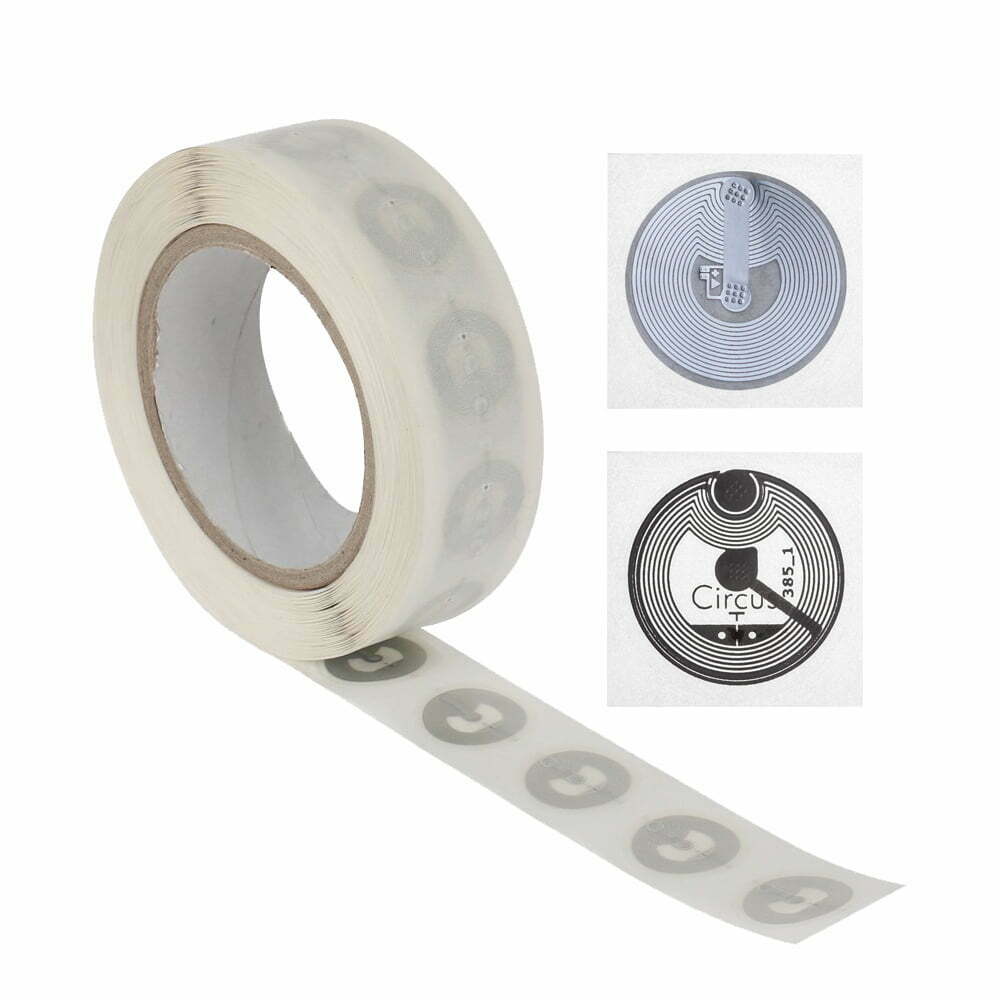
Yes—NFC tags with sufficient memory (e.g., NTAG 424 DNA or ICODE SLI-S) support digitally signed DPP payloads, enabling verification of product origin, compliance, and maintenance history. - Are NFC access cards compatible with smartphones?
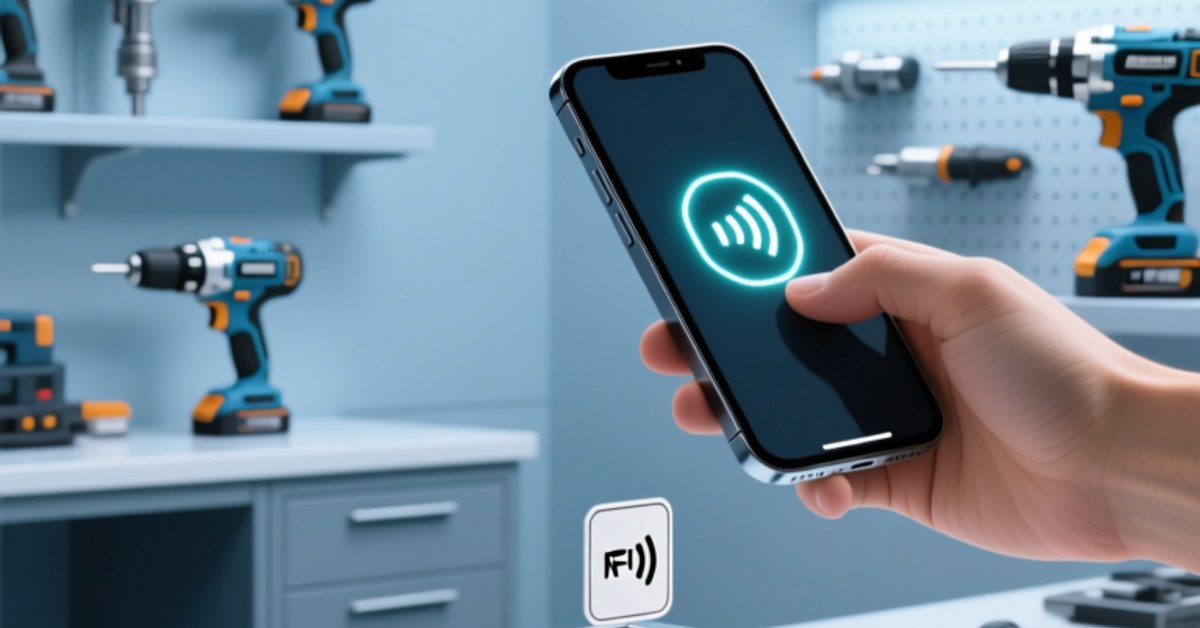
Yes. Modern Android and iOS devices support reader mode and secure element access, allowing mobile credential deployment alongside physical cards. - Do NFC cards work with metal surfaces or harsh environments?
Specialized on-metal NFC inlays (e.g., anti-metal tags) ensure reliable performance when embedded in metal-framed doors or industrial enclosures.
Ready to Modernize Your Access Infrastructure?
Explore how RFIDHY’s enterprise-grade NFC cards and integrated access solutions align with your Digital Product Passport strategy and Smart Wearable Identification roadmap. Schedule a technical consultation with our access control specialists today.