NFC:n ja IoT:n strateginen lähentyminen
Yritysten nopeuttaessa digitaalista muutosta, lähentyminen NFC ja IoT ei ole enää teoreettinen – se on toimiva. IoT tarjoaa infrastruktuurin laitteiden yhteenliitettävyydelle ja tiedonsiirrolle verkkojen välillä, NFC tarjoaa olennaisen lopullisen linkin ominaisuuden: turvata, pienitehoinen, läheisyyteen perustuva vuorovaikutus ihmisten välillä, laitteita, ja fyysisiä esineitä. Tämä synergia asettaa NFC:n lopulliseksi viimeisen senttimetrin yhteystekniikka nykyaikaisissa IoT-asetuksissa.
NFC:n rooli IoT-arkkitehtuurissa
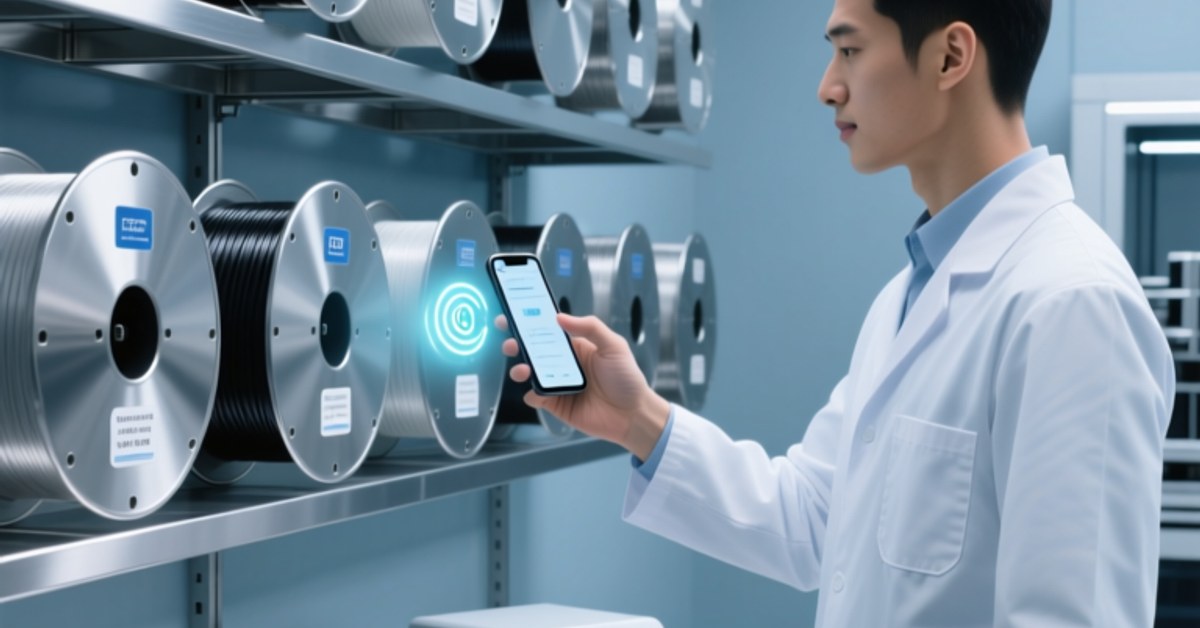
Kerrostetuissa IoT-arkkitehtuureissa, NFC siltaa reuna-anturien ja pilvitalyn välisen kuilun. Toisin kuin Bluetooth tai Wi-Fi, NFC ei vaadi pariliitosta, kuluttaa vähän virtaa, ja tarjoaa sisäänrakennettuja suojausominaisuuksia – mukaan lukien keskinäisen todennuksen ja salatun tiedonvaihdon – mikä tekee siitä ihanteellisen käyttöönoton, kokoonpano, ja IoT-solmujen henkilöllisyyden todentaminen. Esimerkiksi, yritys voi käyttää teollisuuslaitteisiin upotettua NFC-inlaya uuden anturisolmun IoT-alustaan välittömässä määrittämiseksi koskettamalla..
Älykkäät kodit: Saumaton yhteentoimivuus NFC:n kautta
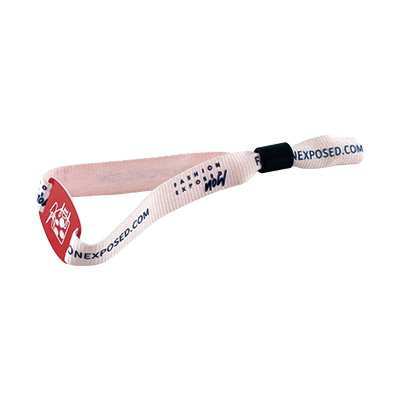
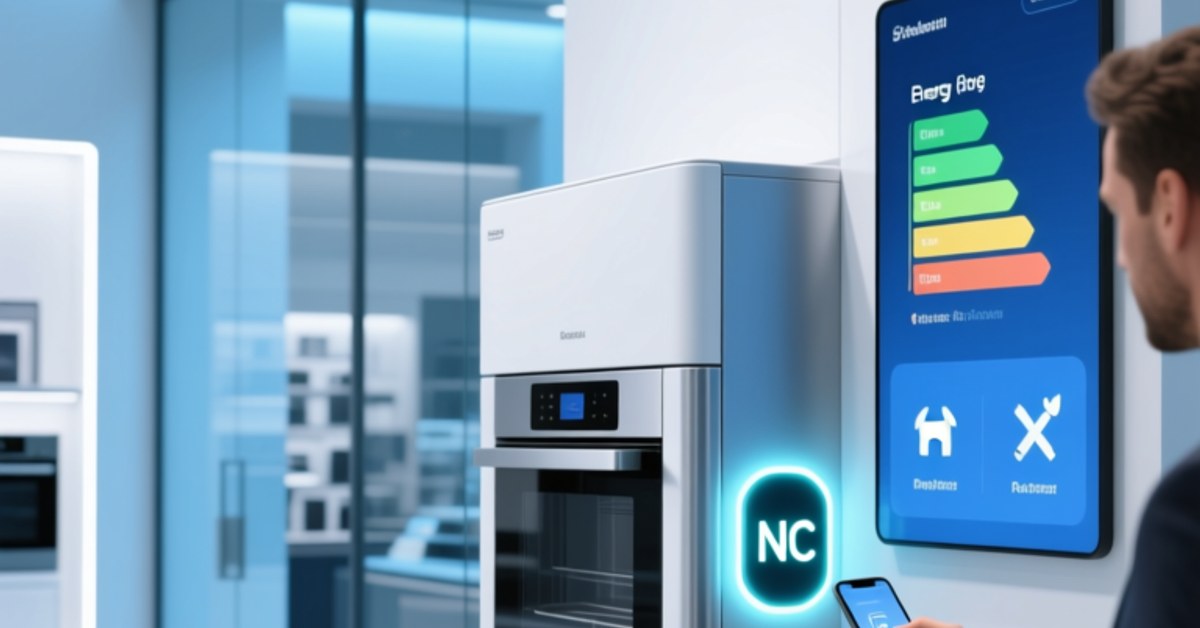
Asuin- ja liiketilojen älykkäissä rakennusympäristöissä, NFC älykkäät ratkaisut yksinkertaistaa käyttäjän vuorovaikutusta ja vahvistaa samalla järjestelmän eheyttä. NFC-yhteensopivat älylukot, valaistuksen säätimet, ja LVI-liitännät antavat vuokralaisille tai kiinteistön henkilökunnalle mahdollisuuden todentaa ja säätää asetuksia yhdellä napautuksella älypuhelimesta tai NFC silikoniranneke. Nämä vuorovaikutukset käynnistävät automatisoituja työnkulkuja – kuten energian optimointiin liittyvän huoneen käyttöasteen havaitsemisen – ilman sovellusten lataamista tai monimutkaista asennusta.. Tuloksena on suurempi adoptio, alempi tuki yläpuolella, ja johdonmukainen käyttökokemus eri käyttäjäryhmissä.
Teollisuus 4.0: NFC-yhteensopiva Asset Intelligence
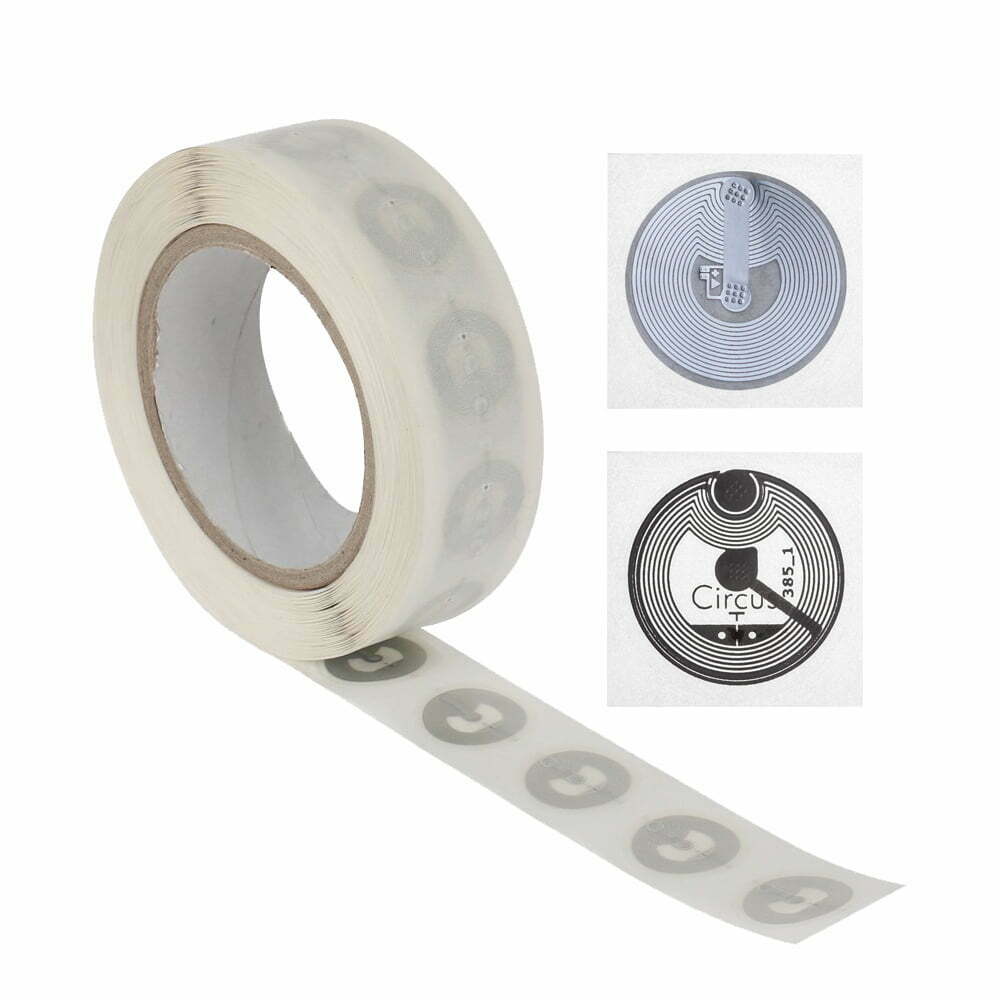
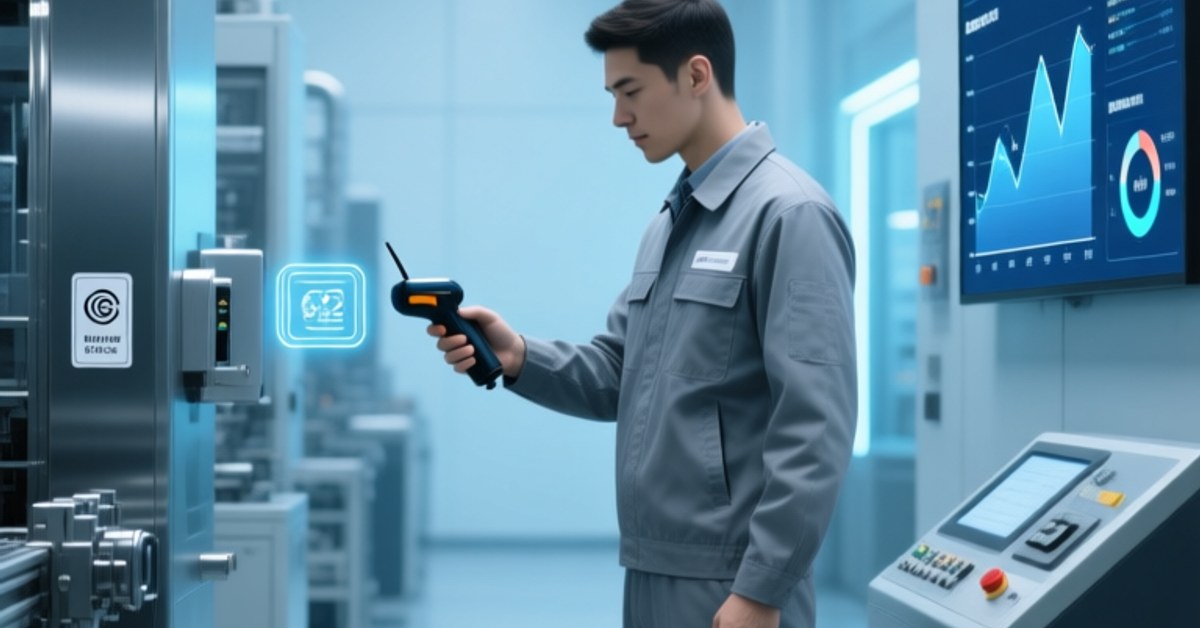
Valmistuksessa ja logistiikassa, the NFC esineiden internet muuntaa staattiset resurssit älykkäiksi päätepisteiksi. Integroimalla UHF RFID -lukijat kanssa antimetalliset RFID-tunnisteet ja NFC-tarrat koneissa, työkalut, ja kontit, yritykset saavuttavat päästä-päähän jäljitettävyyden ja ennakoivan huoltovalmiuden. Teknikko napauttamalla NFC -tunniste CNC-koneella noutaa reaaliaikaiset kalibrointilokit, huoltohistoria, ja IoT:n keräämät tärinä/lämpötilamittaukset – kaikki synkronoituna keskitettyyn tietoon Älykäs hallinta kojelauta.
Suhteellinen etu: NFC vs.. Muut lyhyen kantaman protokollat
>
| Ominaisuus | NFC | Bluetooth LE | Wi-Fi Direct |
|---|---|---|---|
| Tehovaatimus | Erittäin matala (passiivinen tila) | Matala | Kohtalainen |
| Asetuksen monimutkaisuus | Nollakosketusnapa | Pariliitos vaaditaan | Verkon etsintä + valtakirjat |
| Turvallisuussäätiö | Laitteistotuettu salaus & keskinäinen todennus | Ohjelmistomääritelty, muuttuva toteutus | Riippuu WPA2/WPA3:sta |
Usein kysytyt kysymykset
- Miksi NFC:tä kutsutaan "viimeiseksi senttimetriksi".’ teknologia IoT:ssä?
NFC mahdollistaa suojauksen, hetkellinen, ihmisen käynnistämä vuorovaikutus juuri siinä kohdassa, jossa digitaaliset järjestelmät kohtaavat fyysiset kohteet – täydentää IoT-arvoketjun ilman verkon asennusta tai käyttäjätilejä. - Voi NFC -tunnisteet Työskentele UHF RFID:n kanssa samassa IoT-ratkaisussa?
Kyllä. Monet yritykset käyttävät hybridijärjestelmiä: UHF RFID -lukijat käsittelevät varaston massaskannausta etäisyyksien yli, kun taas NFC-tunnisteet tarjoavat rakeisen, todennettu pääsy yksittäisiin tuotteisiin tai huoltotietueisiin – molempia tukee RFIDHY laitteisto. - Ovatko NFC-yhteensopivat IoT-ratkaisut yhteensopivia olemassa olevan yrityksen IT-infrastruktuurin kanssa?
Kyllä. NFC-datan hyötykuormat integroituvat saumattomasti REST-sovellusliittymien kanssa, MQTT välittäjät, ja ERP-järjestelmät, kuten SAP tai Oracle, mahdollistavat plug-and-play-yhteensopivuuden nykyisessä käytössäsi Älykäs hallinta ekosysteemi.