Введение: Потери товарно-материальных запасов — скрытый убийца в розничной торговле одеждой
По данным McKinsey's 2025 Глобальный отчет о швейной промышленности, потери запасов (в том числе с истекшим сроком действия, потерянный, неуместен, и ошибки инвентаризации) потреблять в среднем 3-5% годового объема продаж предприятия розничной торговли одеждой. Для бренда среднего размера с годовым доходом в 500 миллионов евро., это означает прямые убытки в размере 15-25 миллионов евро в год.. В этой статье используется шведский модный бренд Nordic. “НТ” в качестве тематического исследования, чтобы подробно описать, как он достиг прорыва в 25% оптимизация запасов 2026 посредством складских цифровых обновлений.
До трансформации: Болевые точки традиционного складирования
До реализации проекта (2024), NT столкнулась с типичным “боли роста”:
- Точность инвентаризации: Только 87%, это означает, что из каждого 100 предметы в инвентаре, 13 были “несоответствие между записями и фактическими запасами.”
- Время инвентаризации: Ручной инвентарный подсчет всего 80,000 квадратный метр центрального склада занял 48 часов в месяц.
- Коэффициент потерь запасов: Так высоко, как 4.2%, с неправильным размещением (38%), потеря (27%), и товары с истекающим сроком годности/вне сезона (22%) являются основными причинами.
- Частота ошибок при выполнении заказов: 3.5%, что приводит к росту жалоб клиентов и затрат на возврат/обмен..
Эти проблемы напрямую привели к тому, что оптимизация запасов попала в порочный круг.: неточные данные → чрезмерное пополнение запасов → увеличение отставания → усугубляющиеся потери.
Решение: Поэтапная цифровая модернизация RFID
Фаза 1: Маркировка отдельных товаров и трансформация складского хозяйства (1 квартал 2025)
NT сотрудничает с RFIDHY, профессиональный поставщик RFID-решений, запустить пилотную программу по “Отслеживание отдельных товаров”:
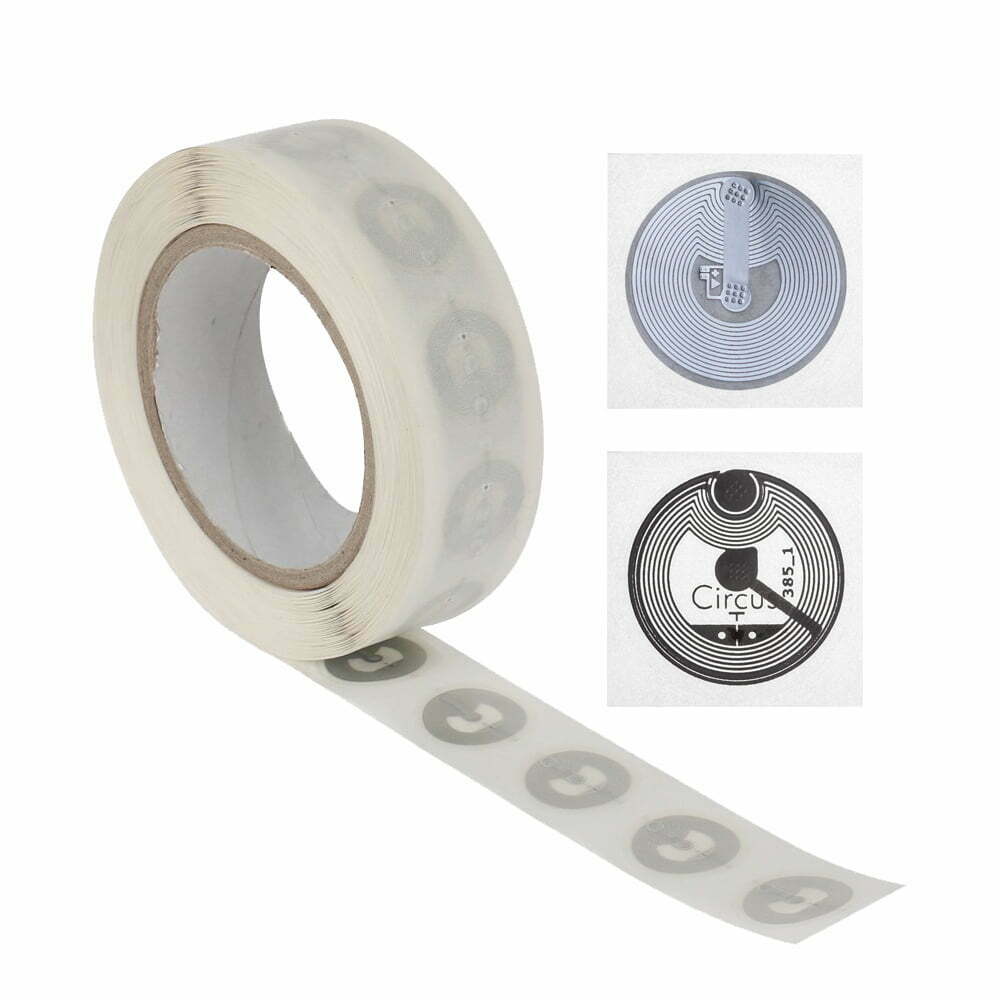
- Выбор этикетки: UHF RFID-бирки, соответствующие стандартам ISO 18000-6C., на основе NXP UCODE 9 чип (чувствительность -24 дБм), были использованы. Поставщик выполнил маркировку и кодирование на производстве..
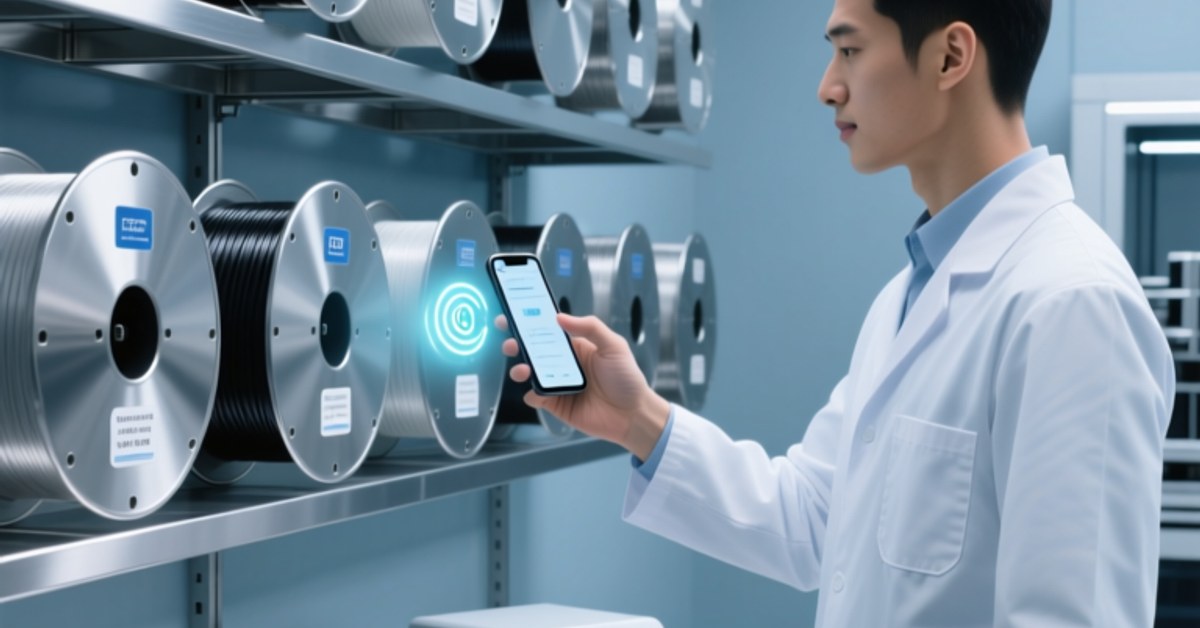
- Доступ к складу: Были развернуты две туннельные машины RFID., интеграция четырех комплектов антенн с круговой поляризацией и считывателей, включение проверки партии без распаковки, повышение эффективности складского хранения за счет 300 штук/час до 8,000 штук/час.
- Интеграция данных: Синхронизация в реальном времени с Oracle WMS была достигнута через RESTful API.. Облачный, возможность немедленного размещения на полках при получении
Фаза 2: Развертывание динамического управления запасами на всей территории склада (Q3 2025)
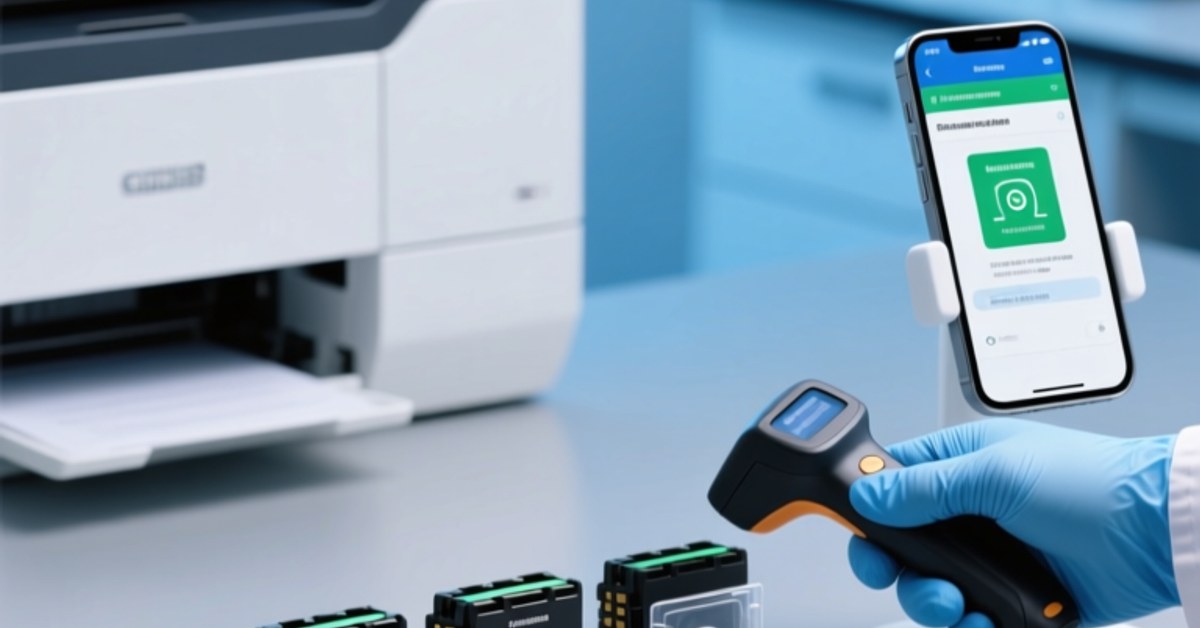
- Портативные терминалы: Закупка 40 портативные RFID-считыватели, поддержка чтения 800+ тегов в секунду, замена традиционного сканирования штрих-кода.
- Фиксированные точки чтения: Развертывание 8 исправлены считыватели/писатели в ключевых проходах и входах/выходах, включение отслеживания местоположения в режиме реального времени и оповещение об аномальном движении.
- Программная платформа: Развертывание промежуточного программного обеспечения, интеграция EPCIS 2.0 механизм событий, и интеграция с существующими системами SAP. Глубокая интеграция ERP
Фаза 3: Интеллектуальное пополнение запасов и предотвращение потерь (1 квартал 2026)
- Анализ данных: На основе 6 месяцы динамических данных о запасах, была создана модель прогнозирования потерь для выявления артикулов с высокими потерями и зон повышенного риска.
- Автоматизированный подсчет запасов: Еженедельная автоматизированная инвентаризация всего склада занимает всего 2 часы (ранее 48 часы), с улучшенной точностью до 99.3%.
- Противоугонная связь: Антенна контроля доступа на выход связана с системой сигнализации., предоставление немедленных оповещений о несанкционированных исходящих поставках.
Результаты и данные: Количественная оптимизация запасов
После 18 месяцев поэтапного внедрения, NT продемонстрировала впечатляющие результаты в первом квартале 2026:
| Индикаторы | До трансформации (2024) | После трансформации (1 квартал 2026) | Сумма улучшения |
| Коэффициент потерь запасов | 4.2% | 3.15% | ↓25% |
| Точность инвентаризации | 87% | 99.3% | ↑12,3% |
| Время подсчета полных складских запасов | 48ч/месяц | 2ч/неделю | ↓83% |
| Ошибки выполнения заказа | 3.5% | 0.8% | ↓77% |
| Сумма годового убытка | 2,1 миллиона евро | 1,575 миллиона евро | Экономия: 525 000 евро |
Об этом в интервью заявил директор по логистике компании.: “RFID обеспечивает не только повышение эффективности, но и качественный скачок в возможностях оптимизации запасов. Теперь мы можем точно знать местоположение и время хранения каждого предмета одежды., и даже предсказать, какие SKU могут стать медленно оборачивающимися товарами.”
Ключ к успеху: Кастомизация и поэтапное внедрение
Успех этого дела можно объяснить тремя ключевыми элементами.:
- Стратегия поэтапной реализации: От приема товара до полной инвентаризации, а затем к прогнозной аналитике, каждый шаг был проверен на ценность перед масштабированием, снижение инвестиционного риска.
- Строгий выбор оборудования: Все оборудование соответствует стандарту EPC Gen2v2., обеспечение совместимости с Будущим Цифровой паспорт продукта (Дпп). Совместимость системы
- Глубокая настройка: Это связано не только с поставкой продукта, но и с возможностями его настройки, в частности, Расположение антенны и размещение меток оптимизированы для объемных вещей, таких как пуховики и свитера., решение проблем коллизии сигналов при считывании с высокой плотностью.
Заключение
Случай NT демонстрирует, что благодаря модернизации научных складов в области цифровизации, бренды одежды могут добиться значительной оптимизации запасов 25% в пределах 18 месяцы. Ключевым моментом является выбор оборудования RFID, соответствующего мировым стандартам. (ИСО 18000-6С, ЭПКИС 2.0) и сотрудничество с партнерами, обладающими глубоким отраслевым опытом и возможностями настройки.. Для компаний по производству одежды, стремящихся сократить потери на складах, сейчас оптимальное время для начала цифровой трансформации.
Часто задаваемые вопросы
1.Сколько времени пройдет с момента начала, чтобы увидеть результаты?
На основе опыта NT, преимущества на этапе получения можно увидеть в 3 месяцы, при значительной оптимизации запасов по всему складу (сокращение потерь за счет 15%+) обычно занимает 12-18 месяцы.
2.Как стоимость RFID-меток влияет на рентабельность инвестиций?
Текущая стоимость закупок УВЧ RFID-метки упал до 0,05-0,08 евро за метку. На основе ежегодного использования тегов NT 6 миллион тегов, ежегодная стоимость метки составляет около 350 000 евро., в то время как одна только оптимизация запасов может сэкономить 525 000 евро в год., со сроком окупаемости менее года.
3.Как обеспечить, чтобы сотрудники могли быстро освоить новую систему?
Выбор удобных портативных терминалов (такой как RFIDHY HY-R6100) и мобильные приложения имеют решающее значение. RFIDHY обеспечивает обучение, видеоуроки, и круглосуточная поддержка, обеспечение того, чтобы сотрудники склада могли освоить операции по инвентаризации партий в течение двух недель.
4.Может ли система легко интегрироваться с существующими ERP-системами??
Современное промежуточное программное обеспечение RFID предоставляет стандартные интерфейсы API.. Через RESTful API, достигнута двунаправленная синхронизация данных с SAP ERP, включение автоматической проводки входящих и исходящих транзакций без ручного вмешательства.
Для получения дополнительной информации,пожалуйста связаться с нами.