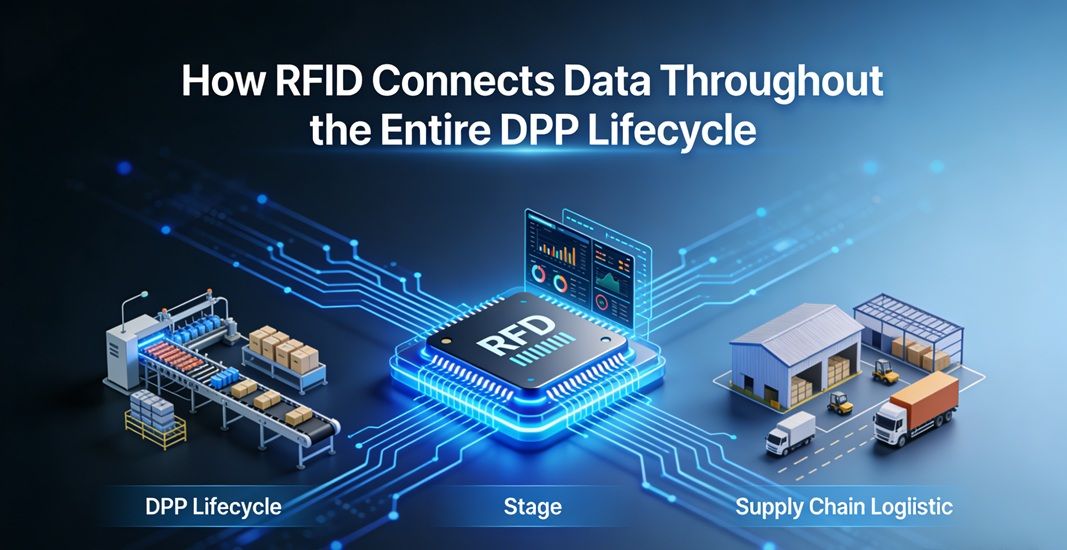
With the mandatory implementation of the EU’s Ecodesign for Sustainable Products Regulation (ESPR), の デジタル製品パスポート (DPP) になりました “デジタルアクセスパス” for global manufacturing companies entering the European market. To achieve transparency throughout the entire product lifecycle, from raw material extraction to waste recycling, the choice of the underlying data carrier is crucial. rfid, with its unique identification, 非接触読み取り, and high data carrying capacity, is becoming the most critical infrastructure for connecting the DPP data flow.
Production Stage
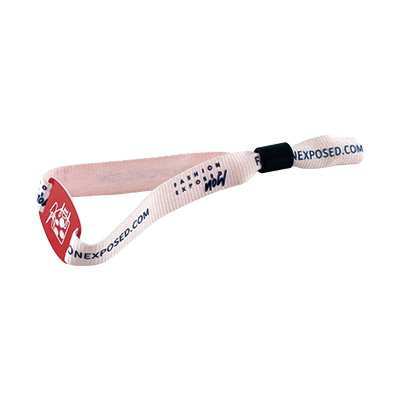
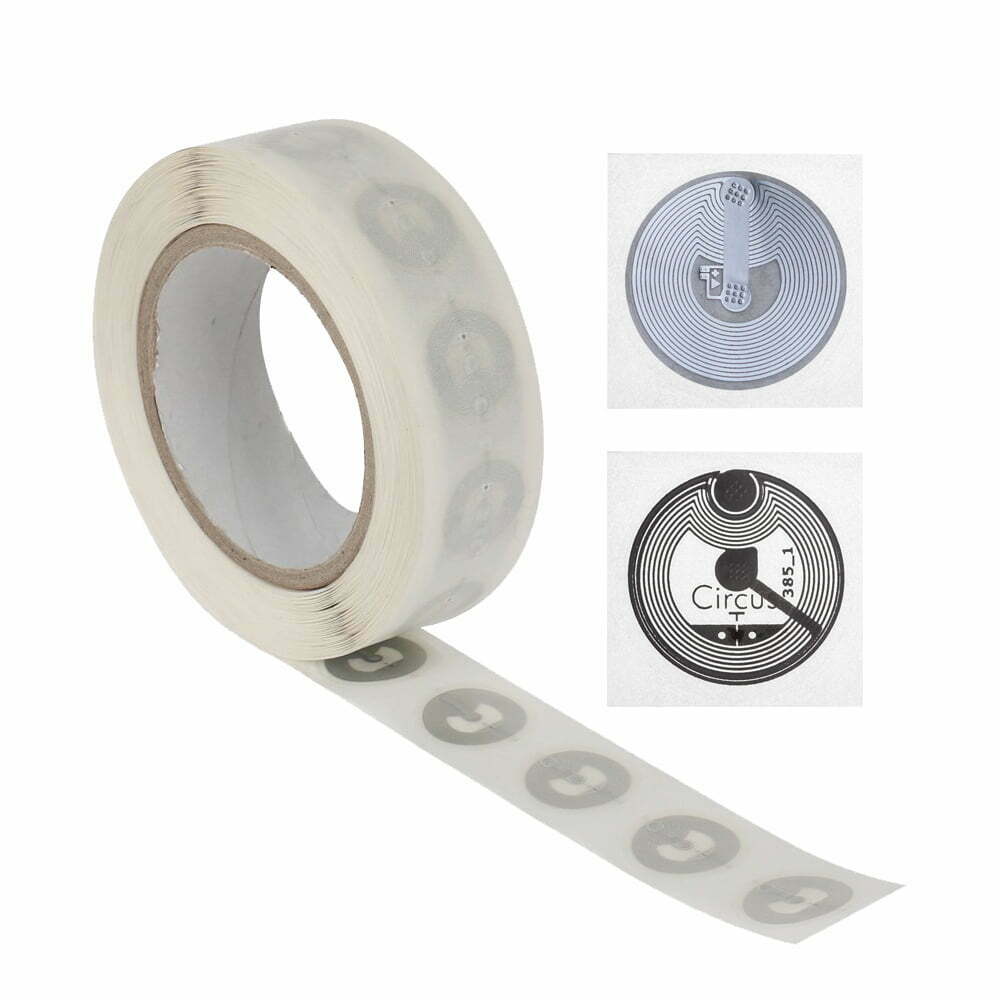
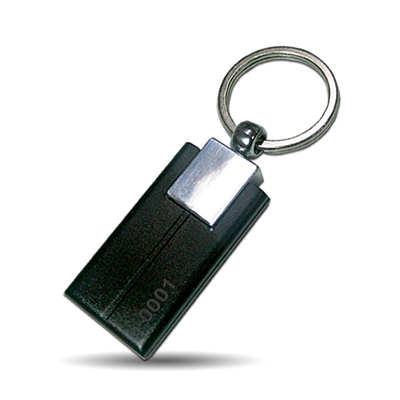
In manufacturing, by deploying RFIDタグ, companies can assign a globally unique identification code to each physical product. Unlike traditional QR codes, RFIDタグ can be written automatically at high speed and in batches on the production line.
- データ洞察: Gartner の調査によると, introducing RFID automatic identification in the manufacturing process can improve the real-time nature of data collection by 40%, ensuring the accuracy of key data in the DPP, such as raw material origin and initial carbon footprint.
- ハードウェアの選択: Professional RFID tag manufacturers, のような RFIDHY, can provide embedded tags that integrate seamlessly with the product, preventing loss during subsequent circulation.
Distribution and Consumption Stages
A core requirement of the DPP is that data moves with the product and is updated in real time. In logistics and retail, the advantage of RFID technology lies in its “penetration capability.”
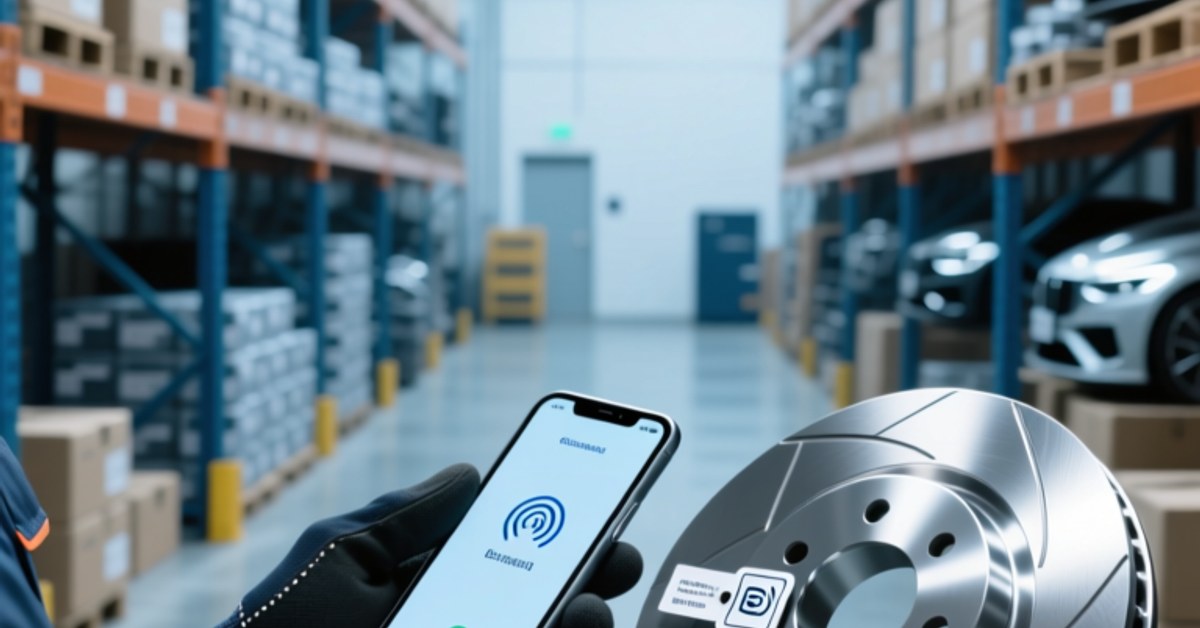
- Efficiency Improvement: Using RFID handheld readers/fixed readers, logistics providers can complete inventory verification without opening boxes. According to IDTechEx statistics, RFID increases supply chain inventory accuracy from an average of 65% オーバーする 95%.
- Interactive Innovation: Through NFC and UHF dual-frequency tags, consumers can instantly access the product’s “digital passport” by simply holding their smartphone near the product, viewing repair history or verifying authenticity, greatly improving information transparency.
Recycling and Reuse
The ultimate goal of the DPP is to promote a circular economy. When a product reaches the end of its life, how to quickly classify and disassemble it is the biggest challenge. Intelligent Sorting: When discarded products with RFID tags enter the recycling line, the system can automatically read their material composition (such as plastic grade and rare metal content).
Environmental Value: Research from the Ellen MacArthur Foundation indicates that RFID-based automatic identification systems can increase resource recycling and reuse rates by approximately 30%.
In the context of increasingly stringent global green trade barriers, establishing a digital infrastructure centered on RFID has become a necessity for companies engaged in international trade. Contact us to get a customized DPP hardware solution tailored to your industry.