EU デジタル製品パスポートについて理解する (DPP) ESPR中
の デジタル製品パスポート (DPP) EUの基礎です 持続可能な製品のためのエコデザイン規制 (ESPR), 透明感を高めるデザイン, 円形性, サプライチェーン全体にわたる持続可能性. 7月発効 2026, の第一波 DPP 特定の製品カテゴリに対する要件が開始されます — 段階的な要件の開始を示します, 複数年にわたる展開.
EU DPP 準拠スケジュール: 主要なマイルストーン (2026–2030年)
ESPR は進歩的な取り組みを義務付けています DPP 製品グループのリスクと環境への影響に基づいた採用. 以下は欧州委員会のガイダンスに沿った公式スケジュールです。:
>
| 年 | 影響を受ける製品カテゴリ | 主な要件 |
|---|---|---|
| 2026 | 電池, 織物, タイヤ, 家具, エレクトロニクス (電話, ラップトップ) | 必須の DPP は、一意の識別子を介してデジタル的にアクセスできる必要があります; 販売時点および修理時に必要な静的 QR または NFC 対応リンク. |
| 2027 | 建設製品, 医療機器, ソーラーパネル | DPP にはリアルタイム データ フィールドが含まれている必要があります (例えば。, 修復歴, 材料構成); EUとの相互運用性 エコポータル. |
| 2028–2030年 | より広い範囲: すべてのCEマーク製品 (免除を除く) | 完全なトレーサビリティ ライフサイクル データ; ERPとの統合, PLM, およびIoTシステム; 影響の大きいセクターに対する第三者による検証の義務化. |
企業が DPP コンプライアンスを達成する方法
コンプライアンスは 3 つの柱で決まります: 識別, データホスティング, そして アクセシビリティ. 企業は永続的な割り当てを行う必要があります, 改ざん防止識別子を各製品ユニットまたはバッチに割り当て、それらを検証済みの識別子にリンクします。, 準拠したクラウド リポジトリに保存された構造化 DPP データ (例えば。, GS1 認定プラットフォーム).
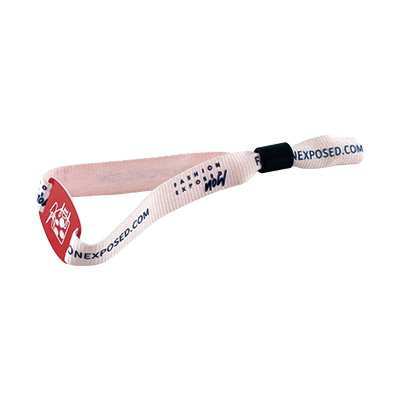
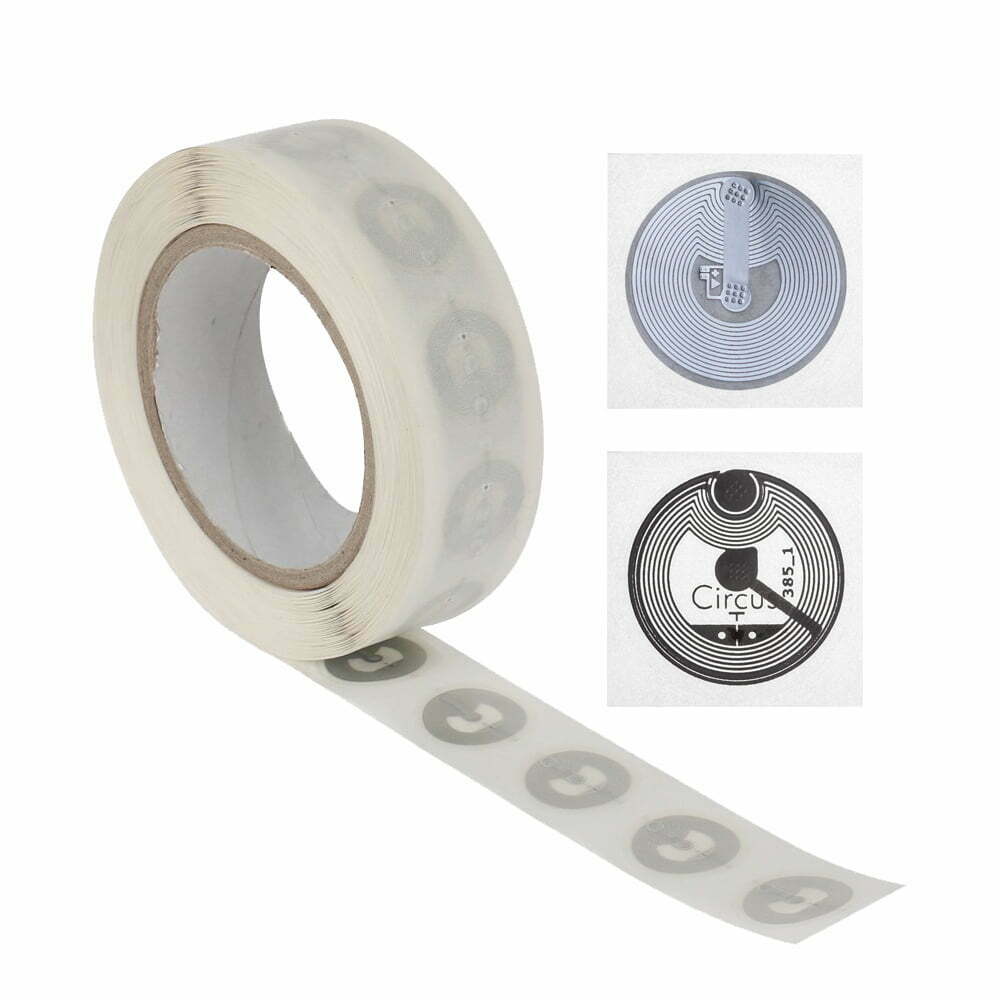
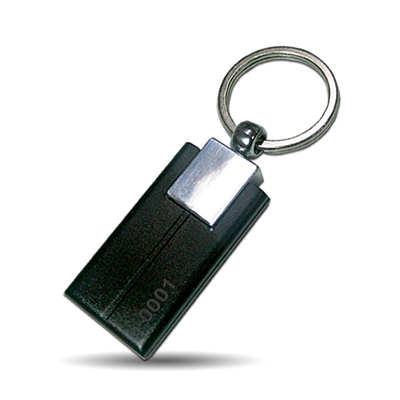
NFC テクノロジーは実績のある, アクセシビリティ層のためのスケーラブルなソリューション. 埋め込みによって NFCタグ または製品またはパッケージへの NFC インレイ, ブランドはインスタントを可能にする, アプリやインターネットへの依存をスキャンすることなく、NFC 対応スマートフォン経由でオフライン対応の DPP アクセスが可能. これにより、消費者向けの透明性と B2B トレーサビリティ ワークフローの両方がサポートされます。.
DPP のアクセシビリティにとって NFC が重要な理由
- オフラインファーストアクセス: DPP データは NFC タップ経由で即座にロードされます - 倉庫には不可欠です, 修理店, または接続が限られている小売店のバックルーム.
- 認証の完全性: NFCタグ から RFIDHY NDEF フォーマットと安全なメモリ オプションをサポートし、不正な編集を防止します.
- シームレスな統合: 製造中の一括 DPP 初期化のために UHF RFID リーダーをペアリングする, エンドユーザー対話用の NFC タグ.
業界固有の実装のヒント
高級品メーカーは埋め込み可能 NFC認証タグ 偽造防止と DPP コンプライアンスの融合. エレクトロニクス企業は以下を使用する可能性があります NFCステッカー デバイスのハウジングから表面の修理マニュアルまで, バッテリーの状態, そして材料の起源. 繊維ブランドは、NFC デュアル インターフェイス機能を備えた RFID ランドリー タグの恩恵を受け、洗濯サイクルの耐久性と消費者 DPP アクセスを可能にします。.
よくある質問
- EU DPP の法的根拠は何ですか?
DPP は規制によって義務付けられています (欧州連合) 2023/XXX (ESPR), に採用されました 2023 7月から段階的に適用開始 2026. - DPP に準拠するには NFC が必要ですか??
いいえ — QR コードは許可されています — ただし、NFC は優れたセキュリティを提供します, オフラインアクセス, ユーザーエクスペリエンスと, 特にエンタープライズグレードのトレーサビリティと修理エコシステム向け. - EU DPP 技術基準を満たしている NFC タグはどれですか?
ISO/IECに準拠したタグ 14443 タイプ A/B およびサポートする NDEF 形式 — で入手可能なものなど RFIDHY — EU DPP アクセシビリティ要件を満たす. - 既存の RFID インフラストラクチャは DPP をサポートできますか?
はい. UHF RFIDシステム (例えば。, UHF RFIDリーダー) DPP メタデータを大規模に管理できる; NFC は消費者と技術者の最終段階のアクセスを処理します.
DPP コンプライアンスを製品に組み込む準備ができています?
認定済みの NFC タグを活用する, 読者, との統合サポート RFIDHY および NFCWORK — ESPR 対応のために構築.