Forståelse af EU's digitale produktpas (DPP) Under ESPR
De Digitalt produktpas (DPP) er en hjørnesten i EU Forordningen om økodesign for bæredygtige produkter (ESPR), designet til at øge gennemsigtigheden, cirkularitet, og bæredygtighed på tværs af forsyningskæder. Gælder juli 2026, den første bølge af DPP krav begynder for specifikke produktkategorier — markerer starten på en etapevis, flerårig udrulning.
Tidslinje for overholdelse af EU DPP: Nøgle milepæle (2026–2030)
ESPR mandater progressive DPP vedtagelse baseret på produktgrupperisiko og miljøpåvirkning. Nedenfor er den officielle tidslinje i overensstemmelse med EU-Kommissionens vejledning:
>
| År | Berørte produktkategorier | Nøglekrav |
|---|---|---|
| 2026 | Batterier, tekstiler, dæk, møbel, Elektronik (telefoner, bærbare computere) | Obligatoriske DPP'er skal være digitalt tilgængelige via unikke identifikatorer; statiske QR- eller NFC-aktiverede links påkrævet ved salgs- og reparationsstedet. |
| 2027 | Byggevarer, medicinsk udstyr, solpaneler | DPP'er skal inkludere realtidsdatafelter (F.eks., reparationshistorik, materialesammensætning); interoperabilitet med EU Øko-portal. |
| 2028–2030 | Bredere rækkevidde: alle CE-mærkede produkter (eksklusive undtagelser) | Fuld sporbarhed livscyklusdata; integration med ERP, PLM, og IoT-systemer; obligatorisk tredjepartsverifikation for sektorer med stor indflydelse. |
Hvordan virksomheder opnår DPP-overholdelse
Overholdelseshængsler på tre søjler: identifikation, data hosting, og tilgængelighed. Virksomheder skal tildele persistent, manipulationssikre identifikatorer til hver produktenhed eller batch og link dem til verificerede, strukturerede DPP-data gemt i kompatible cloud-lagre (F.eks., GS1-certificerede platforme).
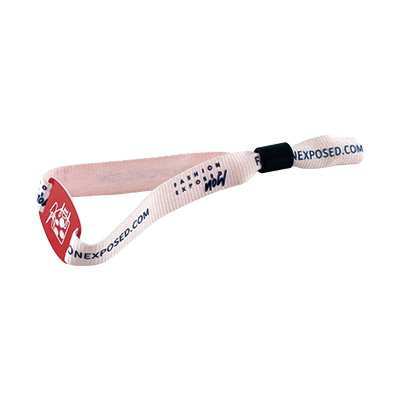
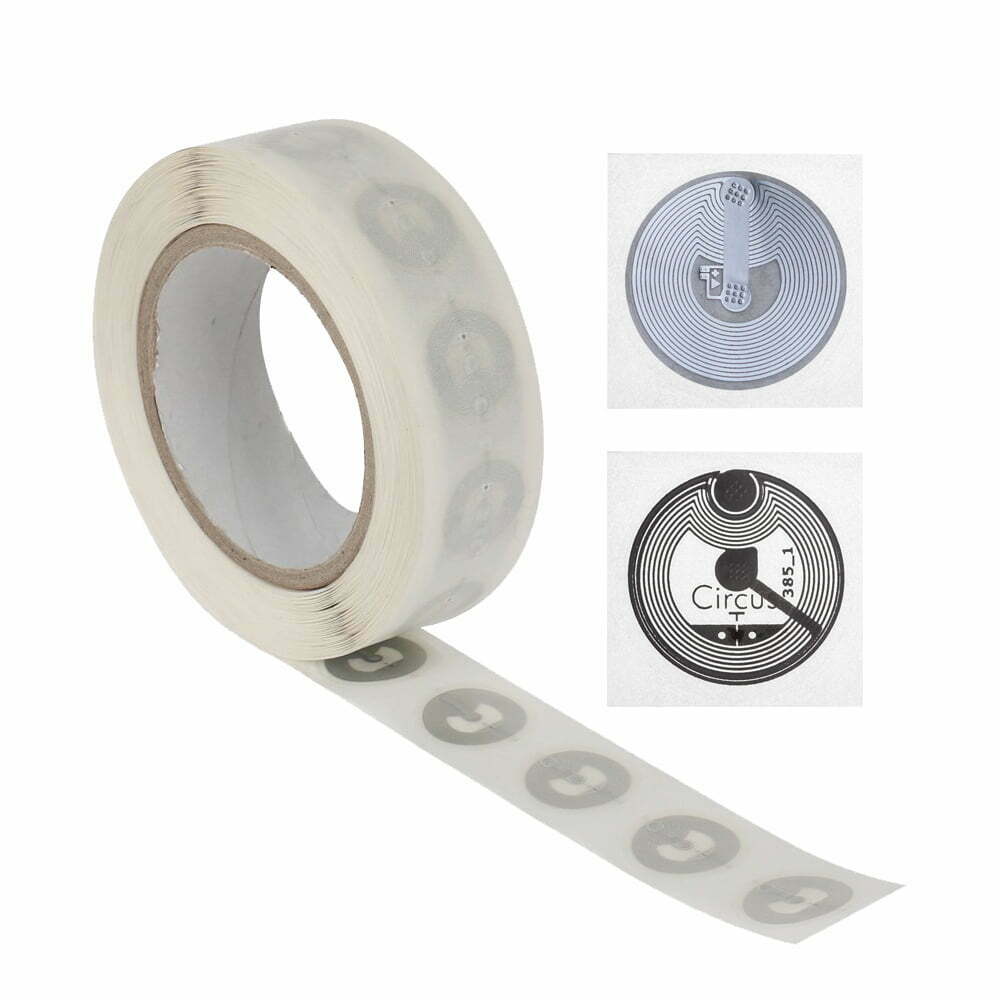
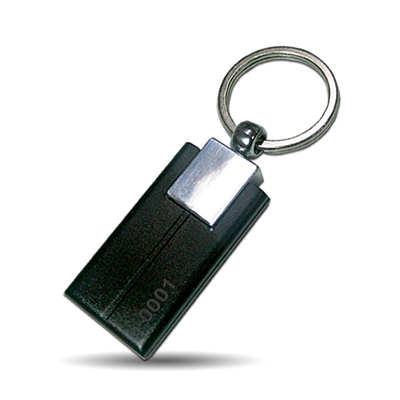
NFC-teknologi leverer en gennemprøvet, skalerbar løsning til tilgængelighedslaget. Ved indlejring NFC -tags eller NFC-indlæg i produkter eller emballage, mærker muliggør øjeblikkelig, offline-kompatibel DPP-adgang via enhver NFC-aktiveret smartphone - uden scanning af apps eller internetafhængighed. Dette understøtter både forbrugervendt gennemsigtighed og B2B-sporbarhedsarbejdsgange.
Hvorfor NFC er kritisk for DPP-tilgængelighed
- Offline-første adgang: DPP-data indlæses øjeblikkeligt via NFC-hane - afgørende i varehuse, værksteder, eller detail-bagrum med begrænset tilslutningsmuligheder.
- Autentificeringsintegritet: NFC -tags fra RFIDHY understøtte NDEF-formatering og sikre hukommelsesmuligheder for at forhindre uautoriserede redigeringer.
- Sømløs integration: Par UHF RFID læsere til bulk DPP initialisering under fremstilling, og NFC-tags til slutbrugerinteraktion.
Branchespecifikke implementeringstips
Luksusvareproducenter kan indlejre NFC-godkendelsesmærker at fusionere anti-forfalskning med DPP-overholdelse. Elektronikfirmaer kan bruge NFC -klistermærker på enhedshuse til overfladereparationsmanualer, batteri sundhed, og materiel oprindelse. Tekstilmærker drager fordel af RFID-vaskemærker med NFC-dual-interface-kapacitet – hvilket muliggør holdbarhed i vaskecyklussen og forbruger-DPP-adgang.
FAQ
- Hvad er retsgrundlaget for EU DPP?
DPP er påbudt ved forordning (EU) 2023/XXX (ESPR), vedtaget i 2023 og går ind i etapevis ansøgning fra juli 2026. - Har jeg brug for NFC til DPP-overholdelse?
Nej - QR-koder er tilladt - men NFC tilbyder overlegen sikkerhed, offline adgang, og brugeroplevelse, især for virksomhedskvalitet sporbarhed og reparation økosystemer. - Hvilke NFC-tags opfylder EU's DPP tekniske standarder?
Tags i overensstemmelse med ISO/IEC 14443 Type A/B og understøttende NDEF-format — såsom dem, der er tilgængelige på RFIDHY — opfylde EU DPPs tilgængelighedskrav. - Kan eksisterende RFID-infrastruktur understøtte DPP?
Ja. UHF RFID-systemer (F.eks., UHF RFID læsere) kan administrere DPP-metadata i stor skala; NFC håndterer endelig adgang for forbrugere og teknikere.
Klar til at integrere DPP-overensstemmelse i dine produkter?
Udnyt certificerede NFC-tags, læsere, og integrationsstøtte fra RFIDHY og NFCWORK — bygget til ESPR-beredskab.