繊維製品にとってデジタル製品パスポートが不可欠な理由 & ファッションブランド
欧州連合の 持続可能な製品規制のエコデザイン (ESPR) デジタル製品パスポートの義務化 (DPP) テキスタイル用 2027 — 作る DPP 実装はもはやオプションではない, しかし戦略的義務. 世界で最も資源を大量に消費する産業の 1 つとして, ファッションは起源を証明する圧力の高まりに直面している, 構成, 環境への影響, そして終末期の経路. 堅牢な DPP ソリューションが規制遵守を橋渡しします, サプライチェーンの可視性, と消費者の信頼 — すべては安全性によって支えられています, 衣服に直接埋め込まれたスキャン可能なデジタル ID.
NFC 衣類タグが繊維 DPP エコシステムをどのように強化するか
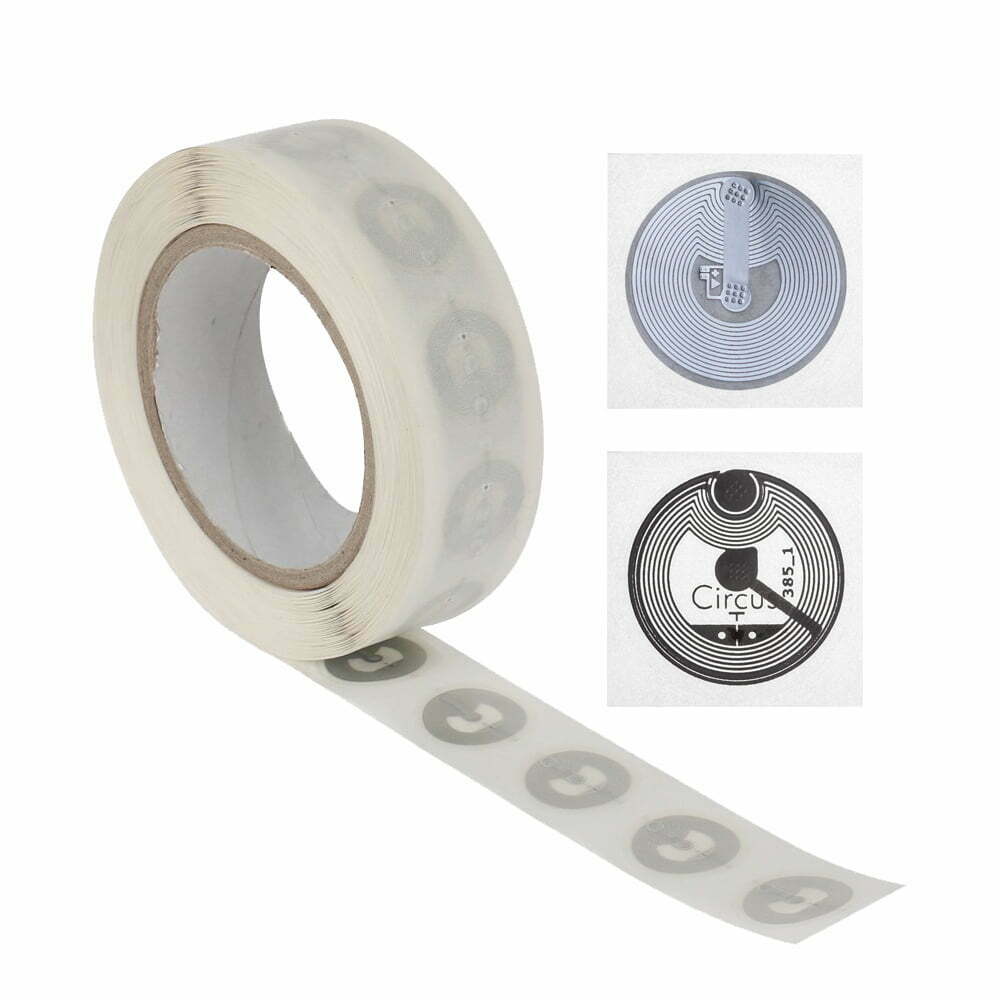
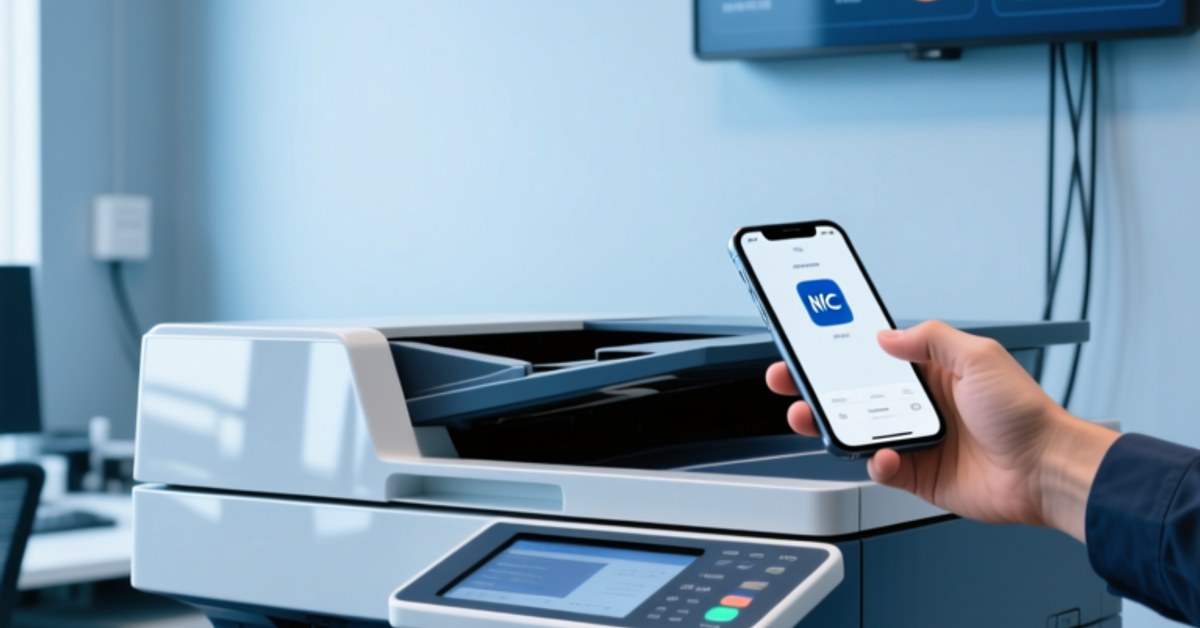
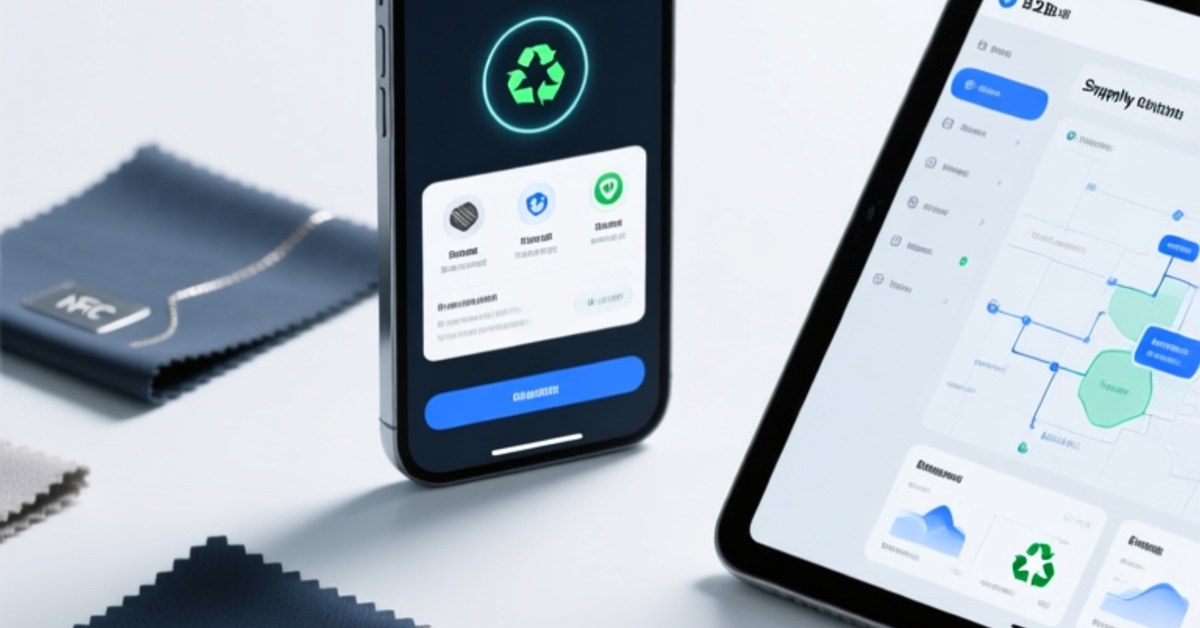
NFC テクノロジーはテキスタイル DPP に理想的な物理層を提供します: 非接触型, スマートフォンで読める, 改ざん防止, 大規模に埋め込み可能. QRコードや印刷されたラベルとは異なります, NFCタグ — 柔軟なものを含む NFCインレイ 耐洗濯性 NFCステッカー — 衣類ケアラベルにシームレスに統合可能, 織裏地, 美観や耐久性を損なうことなく、アクセサリーハードウェアを使用できます。.
繊維デジタル製品パスポートに保存されたデータ
準拠した DPP ストアの構造化, NFCタップ経由で検証可能なデータにアクセス可能. 主要なフィールドには以下が含まれます:
- 材料構成: 繊維の種類, パーセンテージ, 認証 (例えば。, ゴッツ, 再生PET)
- サプライチェーンの起源: 階層化された製造拠点, 工場ID, と監査日
- ケア & 修理のご案内: 洗濯機の設定, アイロンの温度, 修復チュートリアル
- リサイクル性 & 廃棄経路: 仕分け手順, 化学的適合性, 回収プログラムのリンク
- 持続可能性の指標: 水の使用量, 二酸化炭素排出量, 循環性スコア (EU PEF方法論と整合)
ファッション分野にわたる DPP の使用例
>
| セグメント | 主要な DPP ドライバー | RFIDHY テクノロジーを実現する |
|---|---|---|
| ファストファッション | 規制遵守, 在庫精度, 逆物流の最適化 | 大量のラベル統合のための NFC インレイ; 既存の UHF RFID リーダーと互換性があり、デュアルモードの倉庫スキャンが可能 |
| 贅沢 & プレミアム | 認証, 独占性, 没入型ストーリーテリング, 再販の検証 | カスタム NFCステッカー 暗号化されたペイロードを含む; ブティック認証キオスク用の HF RFID リーダーと組み合わせる |
既存のインフラストラクチャとの統合
ブランドにはシステムの置き換えではなく、シームレスな DPP 導入が必要です. RFIDHYの NFCソリューション 従来のラベル付けワークフローおよびエンタープライズ システムとネイティブに相互運用します:
- ラベル印刷: NFC インレイは、ケアタグに使用される標準的なサーマルまたはフレキソラベル プリンタに統合されます。
- 在庫システム: NFC データは REST API を介して ERP および PLM プラットフォームと同期します; UHF RFIDリーダー (例えば。, ハンドヘルド RFIDリーダー) NFC と UHFタグ 受領時および在庫監査時
- 消費者向けアプリ: タップして学習するエクスペリエンスはオープン NFC 標準を使用しており、独自のアプリは必要ありません
繊維 DPP のエンタープライズ ビジネス ケース
コンプライアンスを超えて, DPP は測定可能な ROI を実現します:
- 持続可能性レポート: 自動化されたデータキャプチャにより、手動による ESG レポートの労力が最大で削減されます。 65% (社内ブランドのパイロットデータごと)
- 顧客エンゲージメント: 78% の消費者は、NFC 経由で検証済みの製品ストーリーにアクセスすると、より高いブランドロイヤルティを報告します (2024 マッキンゼーアパレル消費者調査)
- 循環経済の実現: 正確な材料 ID により、繊維リサイクル施設での選別歩留まりが向上します。これは EU EPR 義務を満たすために不可欠です
よくある質問
- 繊維デジタル製品パスポートとは?
NFC または QR を介して物理的な衣服にリンクされた標準化されたデジタル記録, 材料に関する検証済みデータを含む, 起源, ケア, および耐用年数終了オプション — EU ESPR に基づいて繊維製品に義務付けられています. - NFC衣類タグは産業用洗濯に耐えられるか?
はい. RFIDTAGHY の RFID ランドリータグと特殊な NFC インレイは、 >100 洗濯サイクルと高温スチームプレスに耐える. - NFC DPP を展開するには新しいハードウェアが必要ですか??
いいえ. 最もモダンな スマートフォン (iOS13以降/Android 6+) NFCをネイティブに読み取る. バックエンドスキャン用, デスクトップ RFID リーダーまたはハンドヘルド ユニットは、ハイブリッド NFC/UHF ワークフローをサポートします. - 標準の RFID 在庫タグとの違いは何ですか?
UHF RFIDはバルクスキャンを可能にしますが、, NFC は人間がアクセスできる機能を提供します, 安全な, 双方向のインタラクション - 消費者向けの DPP エクスペリエンスと認証に不可欠.
繊維 DPP 戦略を開始する準備ができました?
RFIDHY は認定済みの NFC インレイを提供します, スケーラブルなタグエンコードサービス, プロトタイプから世界展開まで、ファッションサプライチェーンに合わせた統合サポート.