Sürdürülebilir Ürünler Tüzüğü için AB Ekolojik Tasarım (ESPR) çerçeve dilinin ötesine geçerek ürüne özgü devredilen eylemlere geçiyor. Tüketici elektroniği üreticileri ve ihracatçıları için, bu vardiya şunu döndürür tüketici elektroniği DPP politika konusundan operasyonel planlama öğesine. Akıllı telefonlar, tabletler, ev aletleri, giyilebilir cihazlar, ve diğer bağlı cihazlar yüksek öncelikli adaylardır çünkü kaynak yoğun üretimi birleştirirler, kritik hammaddeler, ve önemli miktarda e-atık üreten kısa inovasyon döngüleri.
Bu makalede beklenen AB eko-tasarım elektroniği zaman çizelgesi açıklanmaktadır, bir dosyada görünmesi muhtemel veri alanları akıllı telefon ürün pasaportu veya cihaz sürdürülebilirlik verileri kayıt, ve NFC tabanlı tanımlamanın uyumluluk için nasıl tüketiciye yönelik katman haline gelebileceği. Aynı zamanda pratik bir yol da ortaya koyuyor 2030 Resmi olarak devredilen kanunlar yayınlanmadan önce harekete geçmesi gereken ekipler için hazırlık yol haritası.
Arka plan için, bizimkine bakın Dijital Ürün Pasaportu çözümleri ve ilgili pil pasaport kılavuzu.
Tüketici elektroniği neden DPP'nin bir sonraki öncüsü?
ESPR, eski Çevreci Tasarım Direktifinin yerine geçer ve odak noktasını enerji verimliliğinden dayanıklılığa doğru genişletir, tamir edilebilirlik, geri dönüştürülebilirlik, ve dijital izlenebilirlik. Elektronik bu gündeme doğrudan uyuyor. Tek bir cihazda onlarca malzeme bulunabilir, çoklu gömülü pil bileşenleri, ve karmaşık bir hizmet zinciri. Ortak bir dijital kayıt olmadan, tamirciler, geri dönüşümcüler, ve yetkililer bir ürünün yeni döngüsellik yükümlülüklerini karşılayıp karşılamadığını kolayca doğrulayamıyor.
AB zaten ayrı pil pasaportu gereklilikleri uygulamaya koydu, ve tekstil DPP çalışma sürüyor. Elektronik için, beklenti, gelecekte devredilen kanunların ESPR kapsamında kategoriye özel DPP gerekliliklerini tanımlamasıdır. Şimdiden hazırlık yapan markalar veri modellerini yeniden kullanabilecek, tedarikçi beyanları, Sıfırdan başlamak yerine NFC veri taşıyıcı seçenekleri.
Okuyun tekstil ve konfeksiyon DPP uygulama kılavuzu veri toplama ve NFC yerleştirmede paralellikler için.
AB ESPR zaman çizelgesi ve elektronik uzantısı
ESPR yürürlüğe girdi 18 Temmuz 2024. Ürün bazında kullanıma sunulması Avrupa Komisyonu tarafından kabul edilen yetkilendirilmiş kanunlara bağlıdır. İlk ESPR çalışma planı öncelikli ürün gruplarını belirliyor, ve elektronik konularının daha sonraki çalışma döngüleri boyunca ele alınması bekleniyor. Resmi tarihler değişebilir, bir uyum planlama ufku için yön yeterince açıktır. 2030.
>
| Gösterge dönemi | Beklenen gelişme | Elektronik markalarının yapması gerekenler |
|---|---|---|
| 2024–2025 | Yürürlükte olan ESPR çerçevesi; çalışma planı ve danışma faaliyeti | Ürün kategorilerini haritalandırın, temel malzeme ve onarılabilirlik verilerini toplayın |
| 2026–2027 | İlk elektronik ürün grupları için yetki devri bekleniyor | DPP veri yapılarını pilot olarak uygulayın ve NFC taşıyıcı entegrasyonunu test edin |
| 2028–2029 | Seçilen elektronik cihazlar için ilk DPP yükümlülükleri başlıyor | Canlı ürün verilerini bağlayın ve AB satış noktalarında doğrulayın |
| 2030 | Daha geniş elektronik kapsamı bekleniyor | Ürün grupları genelinde ölçeklendirin ve hizmet/geri dönüşüm iş akışlarını güncelleyin |
Bu tablo bir planlama görünümüdür, yasal bir program değil. Belirleyici nokta elektronik uyumluluğu NFC iş akışlarının ve ürün veri sistemlerinin değişime göre tasarlanması gerektiğidir, çünkü devredilen her işlem veri alanlarını ekleyebilir veya hassaslaştırabilir.
Bir elektronik DPP'nin hangi veri alanlarını gerektireceği?
Nihai devredilen eylemler kesin alanları belirleyecektir, ancak seyahatin yönü ürün kimliğini kapsayan yapılandırılmış bir kayda işaret ediyor, dairesellik performansı, tehlikeli maddeler, pil bilgisi, ve kullanım ömrü sonu işlemleri. Aşağıdaki alan adı görünümü, ekiplerin bugün veri toplamaya başlamasına yardımcı olur.
- Ürün kimliği: benzersiz ürün tanımlayıcı, modeli, parti veya seri numarası, üretim tarihi, ve üretici veya yetkili temsilci ayrıntıları.
- Tamir edilebilirlik ve yedek parçalar: tamir edilebilirlik puanı veya derecesi, yedek parça bulunabilirlik süresi, onarım kılavuzları, ve yetkili onarım seçenekleri.
- Pil verileri: pil kimyası, kapasite, karbon ayak izi, geri dönüştürülmüş içerik, ve çıkarma/değiştirme talimatları, ayrı atıfta bulunarak AB pil pasaportu.
- Özel durum açıklaması: geri dönüştürülmüş içerik, kobalt gibi kritik hammaddeler, lityum, tantal, ve nadir topraklar, artı tehlikeli madde beyanları.
- Uyumluluk ve dokümantasyon: AB uygunluk beyanı, eko tasarım performans sınıfı, enerji verimliliği, ve yazılım/ürün yazılımı desteği taahhütleri.
- Kullanım ömrü sonu kılavuzu: sökme, koleksiyon, geri dönüşüm, ve geri alma bilgileri.
Uygulamada tamir edilebilirlik ve yedek parça verileri
A akıllı telefon ürün pasaportu büyük olasılıkla statik bir etiketten fazlasını içerecektir. Bir tamir teknisyeni için, DPP, yedek parçaların ne kadar süreyle mevcut olacağını göstermelidir, hangi araçlar gereklidir, yazılım güncellemelerinin etkin kalıp kalmadığı, ve garantiyi geçersiz kılmadan hangi onarım adımlarına izin verildiğini. Ev aletleri için, cihaz sürdürülebilirlik verileri bağlantı şemalarını içerebilir, motor özellikleri, ve enerji ile ilgili servis bültenleri.
Çünkü bu bilgiler ürünün kullanım ömrü boyunca değişir, DPP yalnızca basılı belgelerde yaşayamaz. Fiziksel NFC etiketi veya ürün üzerindeki NFC eki benzersiz bir kimlik taşıyabilir ve üreticilerin onarım politikaları olarak güncellediği, bulutta barındırılan bir kayda bağlantı verebilir, yedek parça bulunabilirliği, ve geri dönüşüm talimatları gelişiyor.
Pil ve malzeme açıklaması
Elektronik DPP'ler AB Pil Yönetmeliği ile kesişecek. Bir akıllı telefon veya cihaz pasaportu, her pil veri alanını kopyalamak yerine pil pasaportuna referans verebilir. Fakat, elektronik kayıtları yine de tüketici veya onarım seviyesinde önemli ayrıntıları ortaya çıkarmalıdır: kaldırma talimatları, pil kimyası, ve yedek parçaların mevcut olup olmadığı.
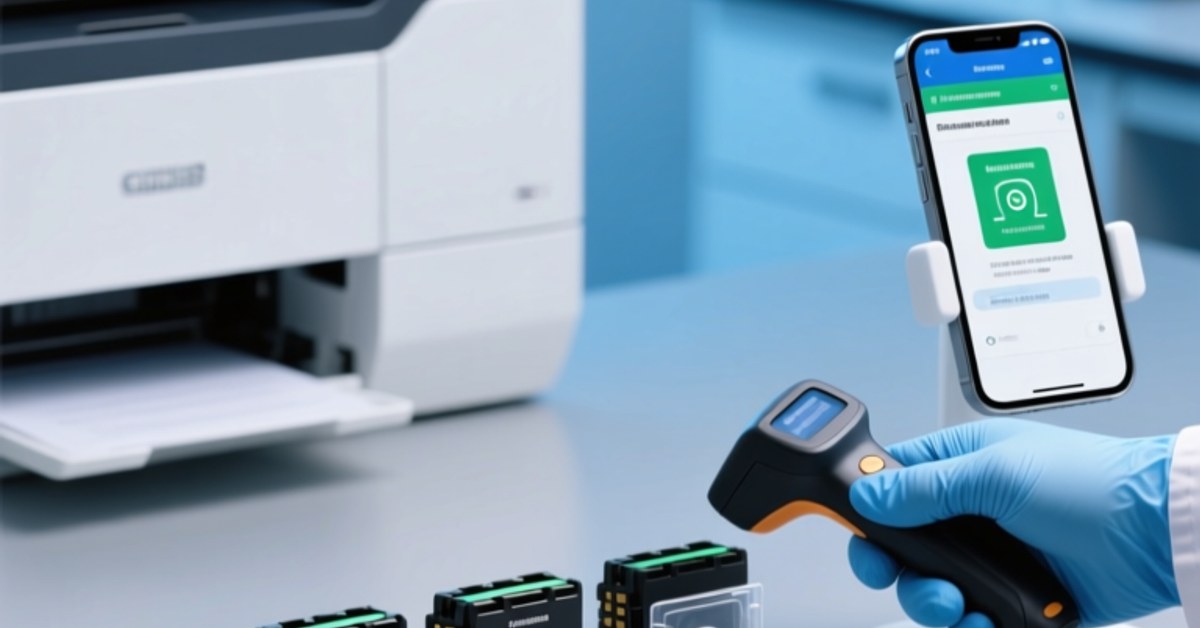
Özel durum açıklaması geri dönüşümcüleri destekler ve döngüsellik hedeflerine uygunluğun gösterilmesine yardımcı olur. DPP veri yapısı, geri dönüştürülmüş içerik ve kritik ham maddelere ilişkin bildirimleri saklayabilir. Bileşen düzeyinde izlenebilirlik için, NFC etiketleri Ve UHF RFID etiketleri farklı katmanlarda kullanılabilir: Lojistik ve depo takibi için UHF RFID, Satış sonrası tüketici etkileşimi ve uyumluluk erişimi için NFC. Elde taşınır RFID okuyucular, üretim ve onarım sırasında bileşen düzeyindeki olayları yakalayabilir, nihai tüketici ürünü bir NFC veri taşıyıcısı taşırken.
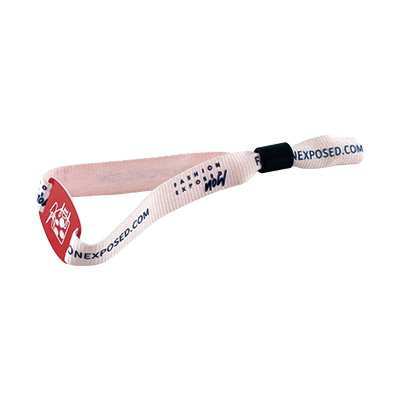
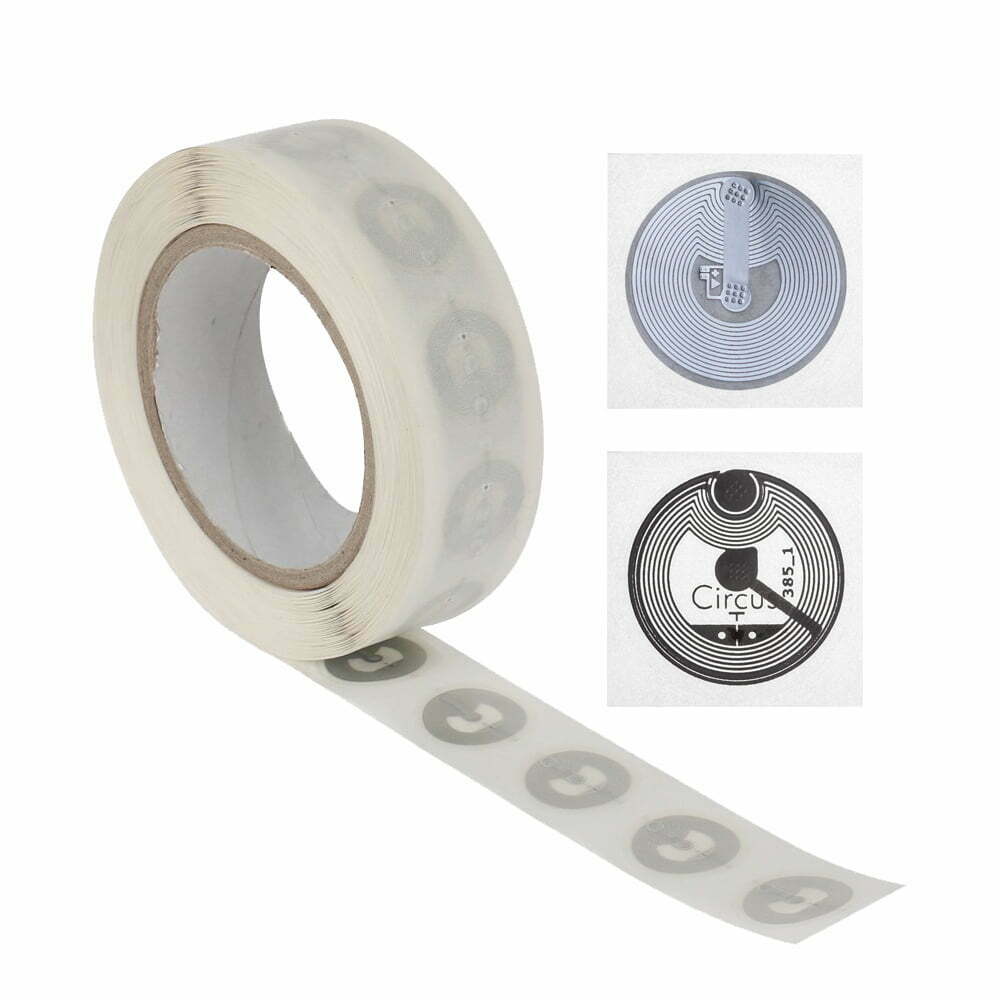
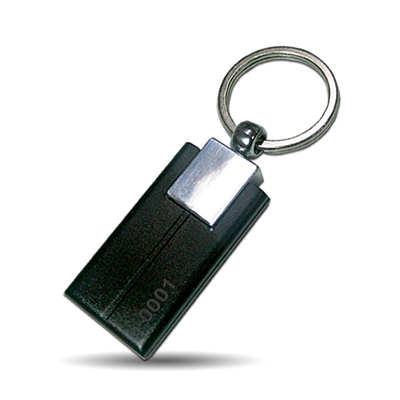
RFIDHY teklifler UHF RFID etiketleri ve el tipi RFID okuyucular Tedarik zinciri izlenebilirliği için, Ve NFC etiketleri, NFC çıkartmaları, ve NFC kaplamaları ürün düzeyinde DPP erişimi için.
Elektronik uyumluluğu NFC neden DPP veri taşıyıcısı olarak çalışıyor?
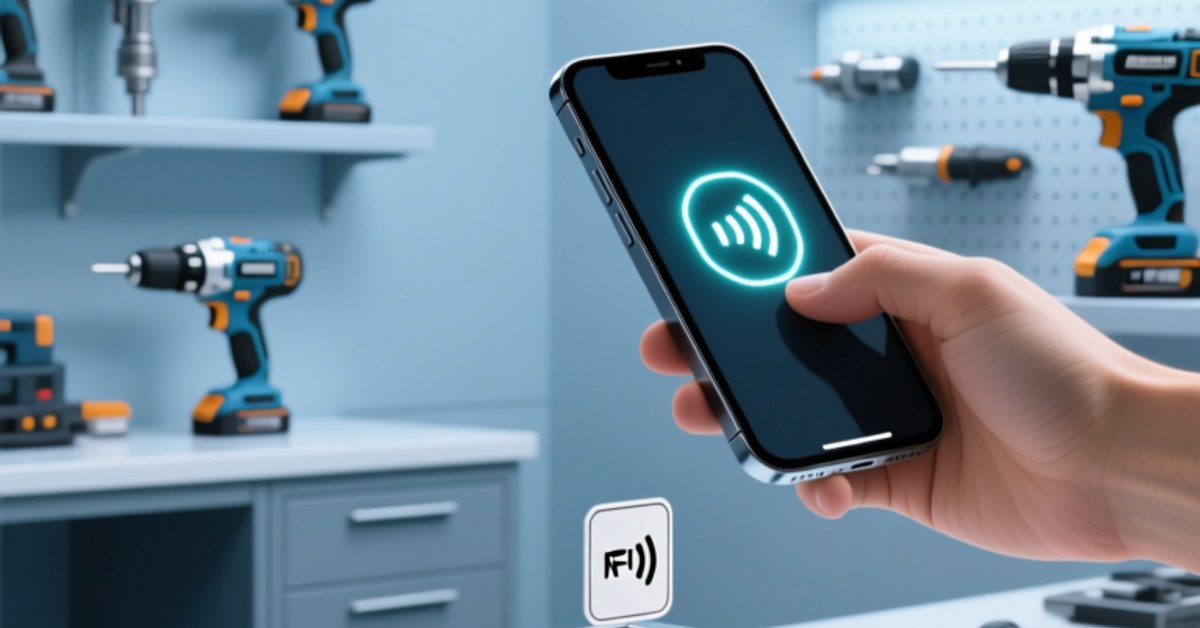
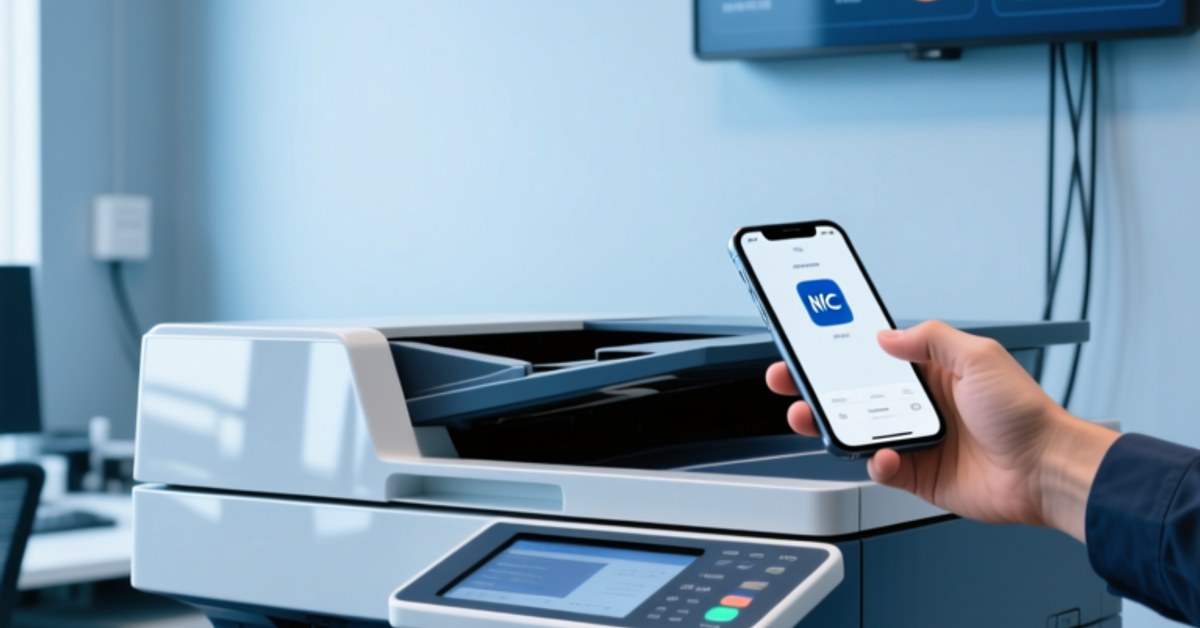
ESPR farklı veri taşıyıcılarına izin verir, QR kodları ve NFC dahil. NFC'nin tüketici elektroniği açısından pratik avantajları vardır çünkü basılı QR kodu aşınsa bile etiket okunabilir kalır, kaplıdır, veya çok küçük. Bir NFC etiketi veya NFC dolgusu ürün muhafazasına yerleştirilebilir, bir etiketin altında, veya ambalajın içinde. NFC özellikli bir akıllı telefonla dokunulduğunda, özel bir uygulamaya ihtiyaç duymadan en son DPP kaydını açabilir.
NFC etiketleri ayrıca benzersiz kimlikleri ve kriptografik kimlik doğrulamayı da destekler. Birinci sınıf elektronikler için, bu, markaların orijinal DPP bağlantılarını sahte etiketlerden ayırt etmesine yardımcı olur. Aynı etiket, garanti doğrulama gibi satış sonrası hizmetleri destekleyebilir, onarım rezervasyonu, ve yenileme takibi.
Uygulama yol haritası: 2025–2030
Pratik bir hazırlık süreci, elektronik ekiplerinin son dakika veri karmaşasından kaçınmasına yardımcı oluyor. Aşağıdaki yol haritası verilere odaklanıyor, taşıyıcı, Nihai yasal metni beklemek yerine süreç hazırlığı.
Adım 1: Bir ürün veri tabanı oluşturun
Malzemeyi denetleyin, pil, tamirat, ve uyumluluk bilgileri ERP'de zaten mevcut, PLM, ve tedarikçi beyanları. Onarılabilirlik ve kullanım ömrü sonu verilerindeki boşlukları belirleyin. için bir sahip atayın tüketici elektroniği DPP veri kalitesi.
Adım 2: DPP veri taşıyıcı stratejisini tanımlayın
NFC etiketlerinin olup olmadığını değerlendirin, NFC çıkartmaları, veya NFC kaplamaları her ürün serisine en iyi şekilde uyar. Düşük maliyetli aksesuarlar için yalnızca ambalaj etiketlerini ve yüksek değer için gömülü etiketleri düşünün akıllı telefon, aletleri, ve giyilebilir cihazlar. Lojistik operasyonlar için, NFC ürün etiketlerini aşağıdakilerle eşleştirin UHF RFID etiketleri ve paletin bulunduğu el tipi UHF RFID okuyucuları- veya karton düzeyinde görünürlük gereklidir.
Adım 3: Pilot tek ürün ailesi
Yönetilebilir veri karmaşıklığına ve AB pazarında net bir varlığa sahip bir ürün seçin. Geçerli minimum DPP veri kümesi oluşturun, NFC etiketlerini bir pilot gruba atayın, ve satış noktasında taramayı test edin, tamirat, ve yaşam sonu senaryoları.
Adım 4: Kayıt sistemleriyle entegrasyon
DPP kaydını ERP'ye bağlama, PLM, garanti, ve servis sistemleri. Fiziksel seri numaralarını bulutta barındırılan kayıtlara bağlamak için benzersiz etiket kimlikleri kullanın. Pil verileri güncellendiğinde güncellemeleri otomatikleştirin, onarım kılavuzları, veya uyumluluk belgeleri değişirse.
Adım 5: Doğrulayın ve ölçeklendirin 2030
Bilinen ESPR gerekliliklerine ve gelecek devredilen kanunlara karşı bir uyumluluk açığı değerlendirmesi yapın. Pilot programı ürün ailelerine genişletin, AB hizmet ortaklarını eğitmek, ve ihracat kalite süreçlerine DPP kontrollerini dahil edin.
Politika sinyalinden operasyonel hazırlığa
AB eko-tasarım elektronik kurallarının bir sonraki dalgası, DPP'yi bir bilgi sistemi olarak ele alan üreticileri ödüllendirecek, etiket değil. Tüketici elektroniği DPP veri alanlarını hazırlayarak, onarılabilirlik belgeleri, pil çapraz referansları, ve artık NFC tabanlı ürün tanımlama, markalar uyumluluk riskini azaltabilir ve daha iyi bir satış sonrası deneyim yaratabilir.
Etkinleştirme teknolojisi hakkında daha fazla bilgi için, ziyaret edin Dijital Ürün Pasaportu genel bakış veya NFC ürün sayfası.
SSS
Tüketici elektroniği için AB Dijital Ürün Pasaportu nedir??
Sürdürülebilir Ürünler için AB Ekolojik Tasarım Yönetmeliği kapsamında birçok tüketici elektroniği ürününe eşlik edecek yapılandırılmış bir dijital kayıttır.. Ürün kimliği hakkında bilgi sağlar, tamir edilebilirlik, yedek parça, pil verileri, malzeme, uyumluluk belgeleri, ve kullanım ömrü sonu işlemleri, NFC etiketi veya QR kodu gibi bir veri taşıyıcı aracılığıyla erişilebilir.
Elektronik DPP kuralları akıllı telefonlar ve ev aletleri için geçerli olacak mı??
Evet, akıllı telefon, tabletler, ev aletleri, ve benzer elektronik ürünlerin gelecekte ESPR kapsamında devredilen kanunlar kapsamında ele alınması beklenmektedir.. Kesin zamanlama Avrupa Komisyonu'nun çalışma planına bağlı olacak, ancak markalar önceden aşamalı yükümlülüklere hazırlanmalı 2030.
AB, DPP uyumluluğu için NFC'ye ihtiyaç duyuyor mu??
ESPR belirli bir taşıyıcıyı zorunlu kılmaz. QR kodları ve makine tarafından okunabilen diğer taşıyıcılar mümkündür. Fakat, NFC etiketleri ve NFC kaplamaları dayanıklılık sunar, benzersiz kimlikler, ve doğrudan dokunarak açma deneyimi, Güncellenmiş uyumluluk verilerine uzun ömürlü erişime ihtiyaç duyan elektronik cihazlar için bunları pratik hale getiriyoruz.
Pil pasaportu ile elektronik DPP arasındaki fark nedir??
Pil pasaportu, AB Pil Yönetmeliği kapsamında ayrı bir gerekliliktir. Elektronik DPP, pil pasaportuna referans verebilir ve anahtar tüketiciyi içerebilir- veya çıkarma talimatları gibi onarım düzeyindeki pil ayrıntıları, kimya, ve değiştirme olanağı, tam pil veri kümesini kopyalamak yerine.
NFC etiketleri zaman içinde değişen cihaz sürdürülebilirlik verilerini nasıl destekleyebilir??
NFC etiketi benzersiz bir ürün kimliği taşır ve bulutta barındırılan bir DPP kaydına bağlanır. Onarım kılavuzları ne zaman, yedek parça bulunabilirliği, yazılım desteği, veya geri dönüşüm talimatlarının değişmesi, üretici bulut kaydını günceller. Fiziksel NFC etiketi aynı kalır, böylece tüketiciler ve tamir teknisyenleri her zaman en son sürüme erişir.
Elektronik Portföyünüzü Bir Sonraki AB DPP Dalgasına Hazırlayın
RFIDHY ve NFCWORK, tüketici elektroniği markalarını NFC etiketleriyle destekliyor, NFC kaplamaları, UHF RFID etiketleri, ürün izlenebilirliği ve uyumluluğu için okuyucu iş akışları. Ekibimiz doğru veri taşıyıcısını seçmenize yardımcı olabilir, pilot tasarla, ve DPP'nizi mevcut sistemlere bağlamadan önce bağlayın. 2030 son teslim tarihi.
Dijital Ürün Pasaportu çözümlerini keşfedin · NFC ürünlerini görüntüle · UHF RFID etiketlerine ve okuyucularına göz atın · Ekibimizle iletişime geçin