Tekstil Dijital Ürün Pasaportları Neden Artık İsteğe Bağlı Değil
Küresel tekstil endüstrisi şeffaflığa doğru sismik bir değişim yaşıyor. AB'nin Sürdürülebilir Ürünler için Ekolojik Tasarım Yönetmeliği gibi düzenlemeler (ESPR) Dijital Ürün Pasaportları yapıyoruz (DPP'ler) Avrupa pazarlarında satılan tekstil ve hazır giyim için zorunlu. Markalar için, bu hem bir uyumluluk mücadelesidir hem de gerçek sürdürülebilirlik referanslarını gösterme fırsatıdır. NFC teknolojisi sağlam bir çözüm sunuyor, DPP'leri ürün düzeyinde sunmanın tüketici dostu yolu; her giysiyi bir izlenebilirlik hikayesine dönüştürmek, sorumluluk, ve marka değeri.
Şu tarihte: RFIDHY, biz mühendisiz NFC çözümleri tekstil yaşam döngüsünde hayatta kalan, lif ayıklamadan çamaşır yıkama döngülerine kadar. Bu kılavuz, NFC tabanlı bir uygulamanın uçtan uca uygulanması konusunda size yol gösterir. DPP giyim için, kaplama etiketi dayanıklılığı, veri mimarisi, ve pratik kullanıma sunma.
1. AB Tekstil DPP Gerekliliklerinin Çözümü
ESPR, giyim ve ayakkabı da dahil olmak üzere belirli ürün kategorilerinin belirli bir dijital ürün pasaportu. DPP, ürünün bileşimi hakkında bilgi içermelidir, çevre ayak izi, tedarik zinciri aktörleri, ve onarılabilirlik veya geri dönüştürülebilirlik. Bu verilere bir veri taşıyıcı aracılığıyla erişilebilmelidir, Ve NFC etiketleri onaylanmış yöntemlerden biridir.
Bir Tekstil DPP'si Hangi Verileri İçermelidir??
- Ürün tanımlama: Benzersiz ürün kimliği, parti/lot numarası, küresel ticari ürün numarası (GTIN).
- Malzeme bileşimi: Lif içeriği, geri dönüştürülmüş veya biyo bazlı malzemelerin yüzdesi.
- Tedarik zinciri aktörleri: Üretici, ithalatçı, AB'deki yetkili temsilci.
- Sürdürülebilirlik nitelikleri: Karbon ayak izi, su kullanımı, tehlikeli maddelerin varlığı, dairesellik göstergeleri.
- Kullanım talimatları, bakım, ve yaşamın sonu: Yıkama kuralları, onarım hizmetleri, geri alma planları.
Veriler satış noktasından sonra bile erişilebilir kalmalıdır; NFC etiketi Bir giysinin içine yerleştirilmiş olanın tüketici kullanımından ve yıkanmasından kurtulması gerekiyor. Yıkanabilir NFC etiket tasarımının kritik hale geldiği yer burasıdır.
2. Giysiler ve Tekstiller için Yıkanabilir NFC Etiketleri Tasarlama
Standart NFC kaplamaları tekrarlanan yıkamalara uygun tasarlanmamıştır, dönüş çevrimleri, veya yüksek sıcaklıkta kurutma. Uzun ömürlü bir tekstil DPP oluşturmak için, etiket alt katmanını tasarlamanız gerekir, bağlama, ve gerçek dünyadaki çamaşır yıkama koşulları etrafında kapsülleme.
Yüzey ve Malzeme Seçimi
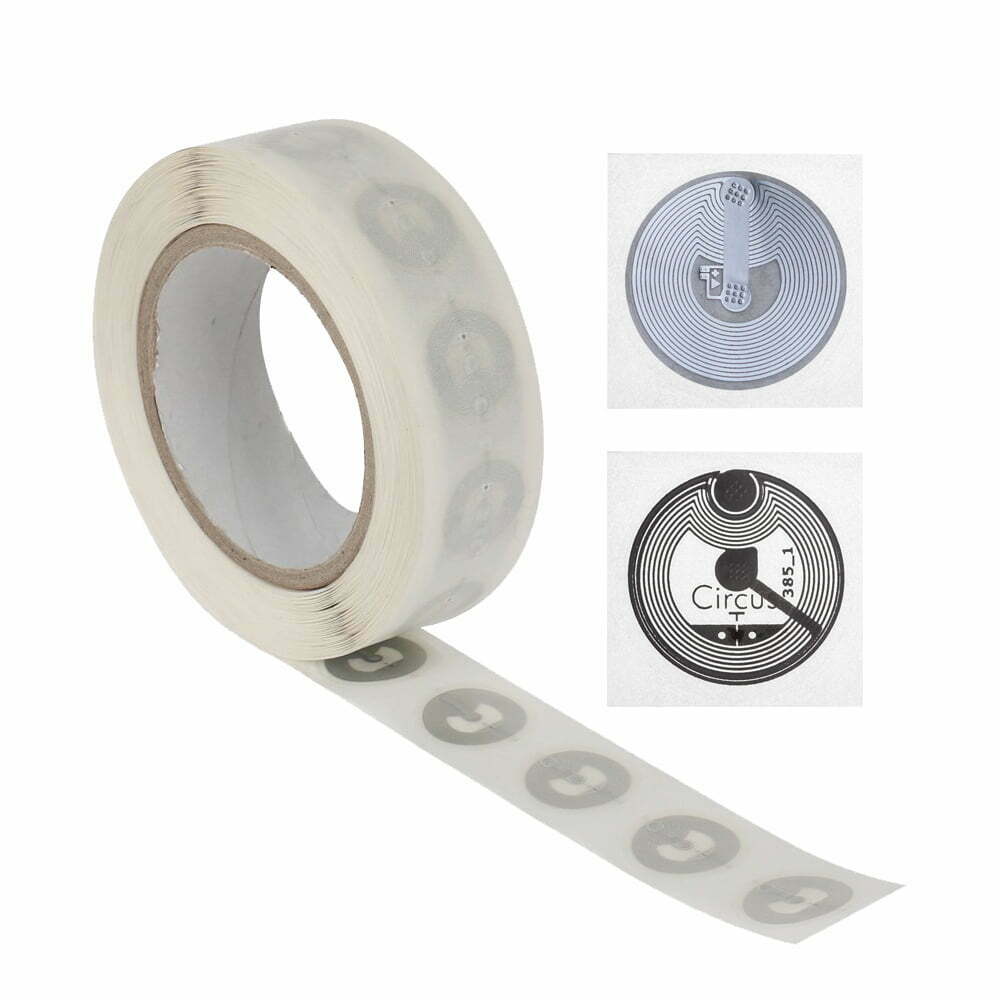
Esnek ve dayanıklı alt tabakalar önemlidir. Poliüretanlı NFC kaplamalarını arayın (PU) veya termoplastik poliüretan (TPU) kılıf, esnemeye dayanıklı, nem, ve deterjanlar. Şu tarihte: RFIDHY, teklif ediyoruz NFC etiketleri ve çamaşırhaneye özel RFID çamaşır etiketleri yüksek dayanıklılık için tasarlandı. Bunlar dikişlere dikilebilir, bakım etiketlerine ısıyla preslendi, veya dokuma yamalara entegre edilmiş.
Dayanıklılık Testi Protokolleri
Kitlesel evlat edinmeden önce, NFC etiketlerinizi standart deterjanlarla minimum 30-50 endüstriyel yıkama döngüsüne tabi tutun. Okuma aralığı tutarlılığını test edin, veri bütünlüğü, ve gözle görülür herhangi bir bozulma. Etiket, tekrar tekrar yıkandıktan sonra 2-5 cm mesafede güvenilir yakın alan iletişimini sağlamalıdır.. Ek olarak, ütüleme ve kuru temizleme kimyasallarına karşı direnci doğrulayın.
Tekstil Ürünleri için Etiket Form Faktörleri
- Dikilmiş dokuma NFC etiketleri: Doğrudan marka ve bakım etiketlerine entegre olur.
- Isı basın TPU yamaları: Dış kumaşa veya iç ceplere uygulanır.
- Silikon kaplı NFC düğmeleri: İş kıyafeti veya denim gibi ağır iş kıyafetleri için.
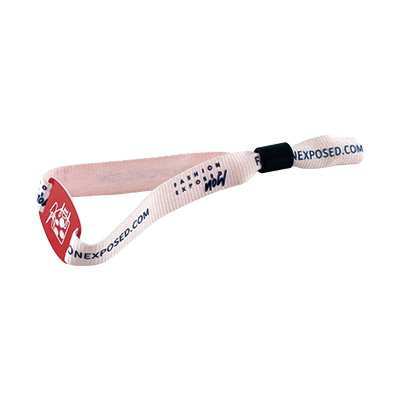
Lüks giysiler için, RFIDHY'ler NFC silikon bileklikler teknoloji, göze çarpmayan ancak tamamen işlevsel olan etiket tasarımlarına ilham verdi, genellikle dokuma marka etiketlerinin arkasına gizlenir.
3. Elyaftan Giysiye Veri Akışını Oluşturma
Bir NFC DPP yalnızca bağlandığı veriler kadar iyidir. İzlenebilirliğin uygulanması, tekstil tedarik zincirindeki her düğümün tek bir dijital kimliğe bağlanması anlamına gelir.
Aşama Aşama Veri Yakalama
>
| Tedarik Zinciri Aşaması | Yakalanan Veri Noktaları | NFC Etiketleme Yaklaşımı |
|---|---|---|
| Ham Elyaf (pamuk/yün/geri dönüştürülmüş polyester) | Menşei, sertifikasyon, organik durum, toplu kimlik | Balya veya parti konteynerine takılı NFC etiketi; UID oluşturuldu |
| Eğirme & İplik | İplik numarası, karışım oranı, eğirme yöntemi, tarih | İplik konileri veya paletler üzerinde parti düzeyinde NFC etiketleri |
| Dokuma/Örme | Kumaş yapısı, ağırlık, boya partisi, bitirme kimyasalları | Kumaş rulolarına eklenen NFC etiketleri |
| Kesme & Dikiş | Fabrika konumu, denetim sertifikası, işçi refahı bilgisi | Bireysel giysi, benzersiz tID ile ön NFC kaplamasına sahip olur |
| Bitirme & Kalite Kontrol | Yıkama testi sonuçları, son muayene, paketleme detayları | Tam DPP URL'si ile kodlanmış kalıcı NFC etiketi |
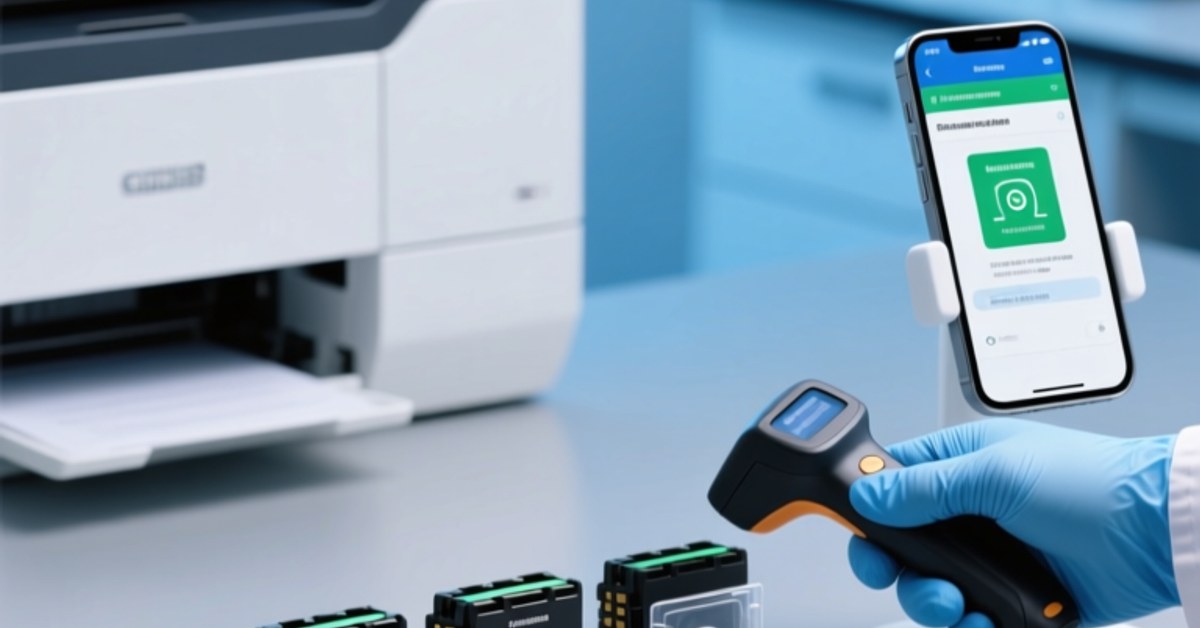
Her geçiş, bulut tabanlı bir DPP kayıt defterine yazar, değişmez bir denetim izi oluşturma. Markalar RFIDHY’leri kullanabilir UHF RFID okuyucular ve depo kapılarında toplu okuma için el tipi tarayıcılar, son giysi NFC etiketi hem marka kimlik doğrulama aracı hem de tüketici ağ geçidi olarak hizmet eder.
ERP ve PLM Sistemleriyle Entegrasyon
DPP verileriniz mevcut sistemlerden otomatik olarak akmalıdır. Benzersiz tanımlayıcıyı eşleyin (UID) her bir NFC etiketinin ürün yaşam döngüsü yönetiminize aktarılması (PLM) yazılım. Yeni bir parti üretime girdiğinde, PLM'niz bir UID aralığı atar; bu etiketler daha sonra kodlanır ve eklenir. Hammadde sertifikasyonlarından son sevkiyata kadar veri güncellemeleri API aracılığıyla DPP bulutuna senkronize edilir, Tüketiciye yönelik pasaportun her zaman doğru olmasını sağlamak.
4. Tüketici Katılımını Giysinin Kendisinde Yakalamak
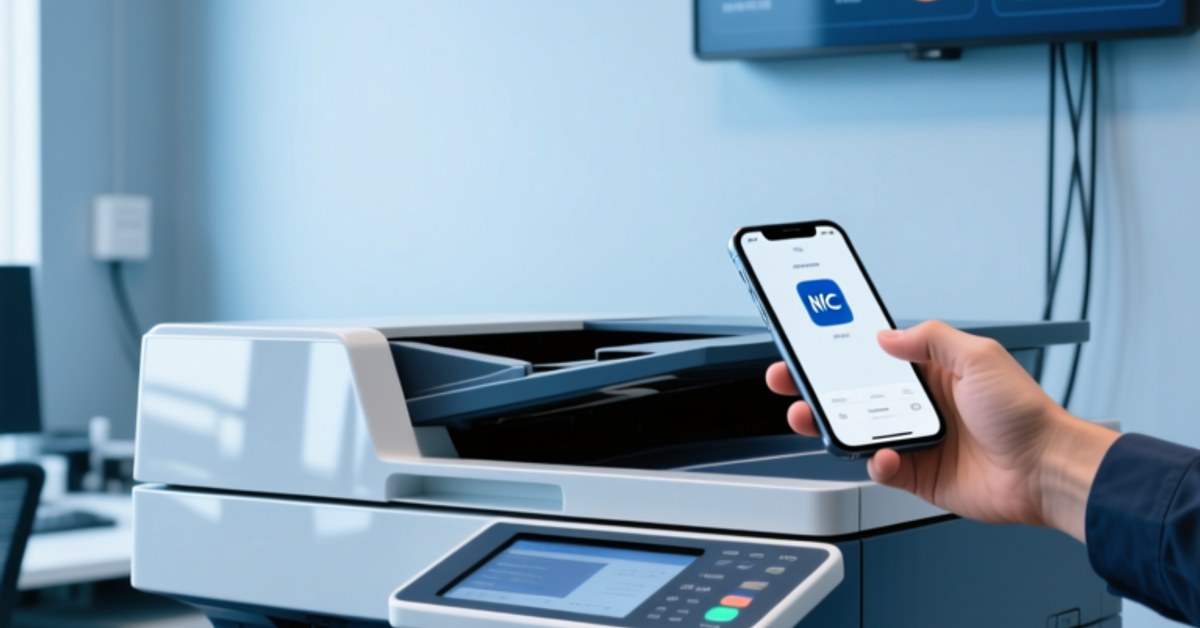
Bitmiş bir giysi üzerindeki NFC etiketi yalnızca uyumluluk amaçlı değildir; kullanıcıya doğrudan bir kanaldır. Müşteri etikete akıllı telefonla dokunduğunda, zenginlere erişebilirler, Sadakat oluşturan ve sürdürülebilir davranışı teşvik eden marka kontrollü deneyim.
Satın Alma Sonrası Değer
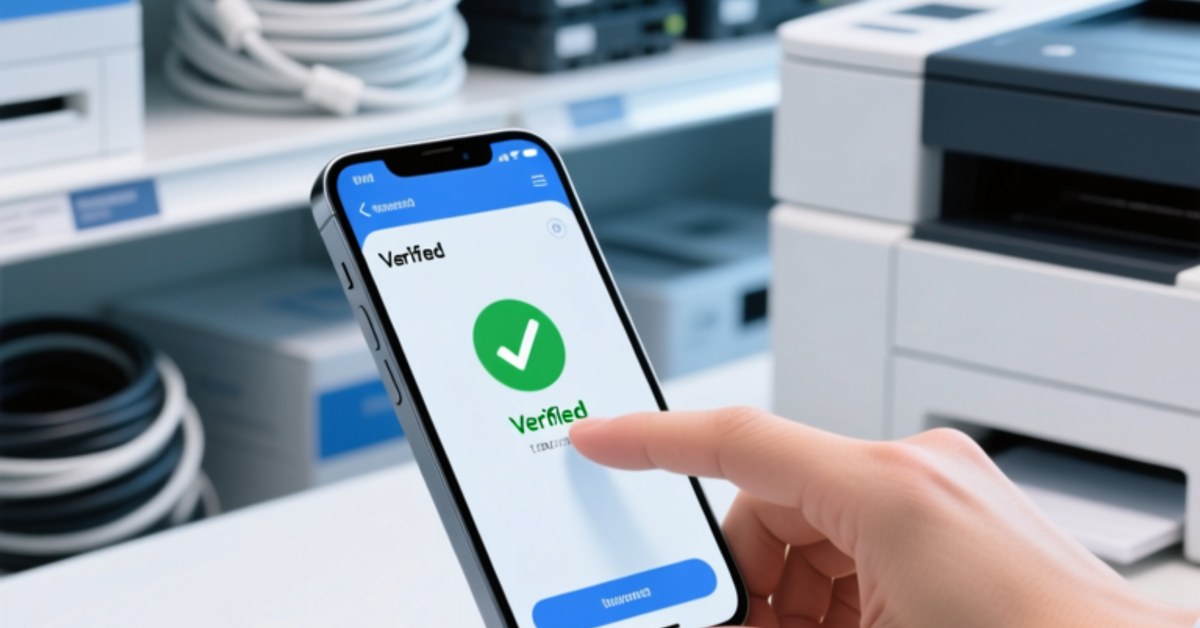
- Orijinallik doğrulaması: Ürünün orijinal olduğuna dair anında kanıt, sahtecilikle mücadele.
- Bakım ve onarım kılavuzları: Bağlama duyarlı yıkama videoları, en yakın tamir ortağı konumları.
- Yeniden satışı kolaylaştırma: Sahipler, ikinci el pazarı için ürünün kaynağını doğrulayabilir, yeniden satış değerini artırmak.
- Geri dönüşüm teşvikleri: Geri alma programlarına doğrudan bağlantı, Kullanılmış giysilerin iadesi için ödül puanları.
Markalar DPP açılış sayfasını zaman içinde güncelleyebilir, etiketi değiştirmeden yeni içerik ekleme. Bu dinamik yetenek, giysinin dijital ikizinin markanın sürdürülebilirlik hikayesi anlatımıyla birlikte gelişmesini sağlar. Bu konuda daha fazla bilgi için, hakkındaki kılavuzumuzu okuyun NFC destekli dijital ürün pasaportları tedarik zinciri şeffaflığını nasıl dönüştürüyor?.
5. Tekstil Markalarına Yönelik Uygulama Kontrol Listesi
NFC tabanlı DPP'lere geçiş, işlevler arası planlama gerektirir. Projenizi yolunda tutmak için bu pratik kontrol listesini kullanın.
- Mevzuat incelemesi: Hangi ürün kategorilerinin ESPR kapsamına girdiğini ve uyumluluğun ne zaman devreye girdiğini doğrulayın.
- Malzeme tedarikçisi katılımı: Elyaf üreticileri ve kumaş fabrikalarıyla veri paylaşımı anlaşmaları yapın.
- Etiket seçimi ve test edilmesi: Gerçek çamaşır yıkama koşullarında en az üç yıkanabilir NFC etiket tipini deneyin. RFIDHY'ler RFID çamaşır etiketleri mükemmel bir başlangıç noktasıdır.
- Veri altyapısı kurulumu: Bir DPP kaydı oluşturun veya AB uyumlu bir DPP hizmet sağlayıcısıyla entegre olun.
- Kodlama süreci entegrasyonu: NFC kodlama istasyonlarını son giysi hattına veya paketleme noktasına kurun.
- Tüketici kullanıcı deneyimi tasarımı: Hem bilgilendirici hem de markaya özel, mobil cihazlar için optimize edilmiş bir DPP açılış sayfası oluşturun.
- Personel eğitimi: Kalite güvence ve depo ekiplerine etiket işleme ve tarama konusunda eğitim verin.
- Pilot lansman: Tek bir ürün grubuyla pilot çalışma yapın, veri toplamak, ve tam kullanıma sunmadan önce hassaslaştırın.
Dijital pasaportun her giysiye yerleştirilmesi önemli bir girişimdir, ancak ödeme uyum içinde, marka bütünlüğü, ve tüketici güveni oldukça yüksek. NFC teknolojisi, dayanıklı etiket tasarımı ve akıllı veri yönetimi ile ortaklık kurdu, bugün bunu başarılabilir kılıyor. Daha geniş bir yol haritası için, makalemize bakın NFC Etkin DPP: Üreticiler için AB ESPR Uyumluluğuna Yönelik Pratik Bir Yol Haritası.
SSS
Yıkanabilir bir NFC etiketi kaç yıkama döngüsüne dayanabilir??
TPU veya silikon kapsülleme ile tasarlanmış yüksek kaliteli kumaş NFC etiketleri genellikle 50 veya önemli performans kaybı olmadan daha fazla endüstriyel yıkama döngüsü. Gerçek dayanıklılık su sıcaklığı gibi faktörlere bağlıdır, eğirme hızı, ve kullanılan deterjan. Etiket tedarikçinizden daima dayanıklılık testi raporları isteyin.
NFC etiketlerinin maliyeti kitlesel pazar kıyafetleri için uygun mudur??
Adet olarak sipariş edildiğinde, Tekstil ürünlerine yönelik dayanıklı NFC kaplamaların her birinin maliyeti birkaç sent kadar düşük olabilir. Uyumluluk tasarrufları dikkate alındığında, sahteciliğe karşı avantajlar, ve tüketici etkileşimi değeri, Orta sınıf ve premium markalar için yatırım getirisi güçlü. Yüksek hacimli hatlar için, Tedarik zinciri için UHF RFID ve tüketici temas noktaları için NFC kullanan hibrit modeller maliyetleri optimize edebilir.
Veri gizliliği ne olacak?? NFC etiketleri tüketicileri takip ediyor mu??
DPP verileri bulutta depolanır ve yalnızca kullanıcı aktif olarak etikete dokunduğunda erişilir. Tüketici gönüllü olarak sağlamadığı sürece hiçbir kişisel veri toplanmaz (Örn., sadakat programı için). Etiketin kendisi bir URL içerir, gömülü kişisel bilgiler değil. Markalar, DPP açılış deneyimini tasarlarken GDPR'ye ve diğer gizlilik düzenlemelerine uymalıdır.
NFC etiketleri mevcut bakım etiketlerine entegre edilebilir mi??
Evet. Dikilebilir NFC etiketleri, fazlalık yaratmadan standart marka ve bakım etiketi yığınına eklenecek şekilde tasarlanmıştır. Mevcut giysi estetiğine uyacak şekilde özel boyutlarda ve kumaş kaplamalarda sipariş edilebilirler.
Dijital Pasaportları Giysilerinize Dokumaya Hazır?
RFIDHY'de, sağlam sağlıyoruz, Dünya çapındaki tekstil markaları için yıkamada test edilmiş NFC etiketleri ve uçtan uca DPP entegrasyon desteği. Dayanıklı dolgulardan kodlama çözümlerine kadar, ekibimiz şeffaf bir ortam oluşturmanıza yardımcı olur, uyumlu, ve tüketiciyi ilgi çekici ürün pasaportu sistemi. Numune kiti istemek ve tekstil DPP pilot çalışmanızı başlatmak için bugün uzmanlarımızla iletişime geçin.