Johdanto
Kuntoteknologian ja kontaktittoman viestinnän lähentyminen on asettanut NFC:n seuraavan sukupolven puettavien laitteiden kulmakiveksi.. Kädet vapaana -pääsystä kuntosalille ja laitteiden yhdistämisestä turvalliseen käyttäjien todentamiseen ja käteisvapaaseen myyntiin, sulautettu NFC-moduuli muuttaa yksinkertaisen aktiivisuusseurantalaitteen yhdistetyksi ekosysteemikeskukseksi. Kuitenkin, NFC-yhteensopivan kuntonauhan tai älyvaatteen suunnittelu asettaa ainutlaatuisia haasteita, jotka menevät paljon pidemmälle kuin PCB-asettelu. Tuoteryhmien on taisteltava joustavien alustojen kanssa, toistuva konepesu, hien korroosio, ja tarve saumattomaan käyttökokemukseen liikkeessä. Tässä artikkelissa käsitellään tärkeimpiä teknisiä näkökohtia – antennisuunnittelusta pesukelpoisuuden testaamiseen – jotta laitteistoinsinöörit ja R&D-johdot voivat tehdä tietoisia päätöksiä prototyyppi- ja validointivaiheiden aikana.
Antennisuunnittelu NFC puetettaville laitteille
Antenni on suorituskyvyn kannalta kriittisin komponentti kaikissa puettavissa NFC-malleissa. Kuntoilusovelluksissa, antennin tulee olla ohut, joustava, ja pystyy ylläpitämään resonanssia myös käärittynä ranteen ympärille tai upotettuna kankaaseen. Lähikenttäviestintä toimii klo 13.56 MHZ, luottaa induktiiviseen kytkimeen; siksi, kelan geometria vaikuttaa suoraan lukualueeseen ja luotettavuuteen.
Materiaali ja muototekijä
Perinteiset jäykät FR4-piirilevyt eivät sovellu useimpiin puetettaviin laitteisiin. Sen sijaan, tuoteryhmät valitsevat yleensä joustavia painettuja piirejä (FPC) kuparijälkiä polyimidi- tai PET-substraateilla. Rannekeisiin ja tekstiilipohjaisiin nauhoihin, painetut johtavat musteet (hopea- tai kuparipohjainen) TPU- tai kudotut nauhakannattimet tarjoavat vaaditun joustavuuden. Kelan induktanssi on viritettävä vastaamaan NFC -siru tulokapasitanssi – yleisesti kohdistus 1.5 µH to 3 µH standardille ISO 14443 Tyypin A operaatio. Usein parhaiten toimii monikierrosspiraalikela, jossa on pieni keskiaukko, mutta kuntobändin rajallinen pinta-ala vaatii huolellisia kompromisseja vuorojen laskennan välillä, jäljen leveys, ja loiskapasitanssi.
Viritys ja lukualue
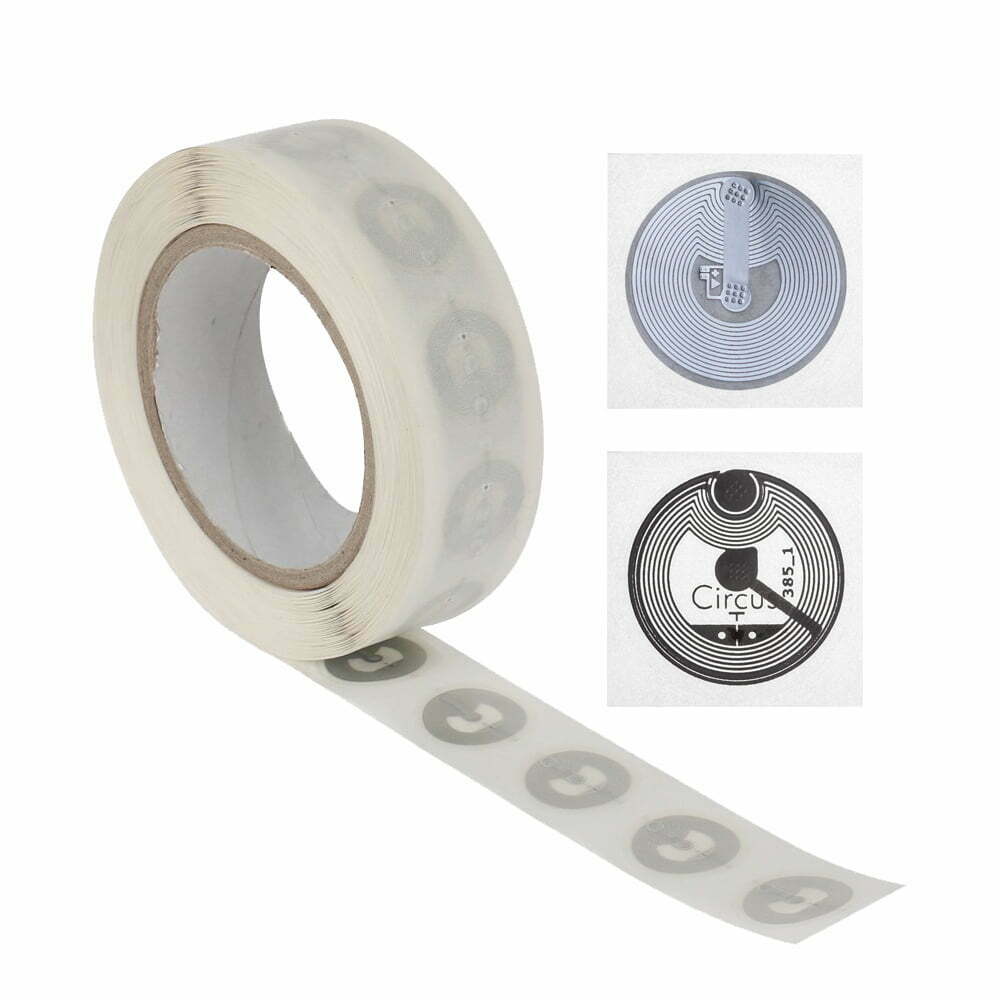
Jokaisen puettavan antennin impedanssin tulee olla sovitettu joko erillisillä kondensaattoreilla tai siruun integroidulla virityspiirillä. Koska ihmiskehon viritystä vähentävä vaikutus on merkittävä 13.56 MHZ, mallit on validoitava haamukuormituksia vastaan, jotka simuloivat lihaksen ja ihon dielektristä vaikutusta. Tavoitteena on 20–30 mm:n minimikäyttötilavuus tavallisella NFC-älypuhelimella, vaikka nauha on märkä tai hien kasteleman kankaan alla. Korkealaatuisten materiaalien ja pienihäviöisten polypropeenipohjaisten peittojen käyttö voi vähentää lukualueen heikkenemistä. Omissa prototyypeissämme NFCWORKissa, integroimme NFC-inlayt, jotka on esiviritetty 50 Voi, yritys-ja-erehdysten vähentäminen kokoonpanon aikana – tuotetiimit voivat tutustua NFC-uutoksiin ja -tunnisteisiin osoitteessa NFCWORK-tuotteet.
Pesukykystandardit ja vedenpitävä kapselointi
Kuntoiluvälineiden on kestettävä aggressiivista puhdistusta – konepesua, kloorattu allasvesi, ja toistuva altistuminen pesuaineelle. "Roisketiivis" luokitus ei riitä; NFC-moduulin ja sen liitäntöjen on kestettävä pitkäkestoinen upotus ja mekaaninen sekoitus.
Sisäänpääsyn suojaus (IP) Arviot
Teollisuuden vähimmäisvertailu pestävälle puetettaville NFC-laitteille on IP67 (pölytiivis ja upotus jopa 1 mittari varten 30 minuuttia), mutta tulevaisuuteen suuntautuvat mallit kohdistavat IP68:n tai jopa IP69K:n vaativiin pesuohjelmiin. Alla on pikaopas kuntobändien IP-testaukseen:
>
| IP-luokitus | Suojaustaso | Tyypillinen sovellus |
|---|---|---|
| IP67 | Upotus 1m / 30min | Vedenpitävät peruskuntomittarit |
| IP68 | Jatkuva upottaminen yli 1 metrin syvyyteen | Uintikestävät puettavat vaatteet, pyykinpesun kestävät nauhat |
| IP69K | Korkea paine, korkean lämpötilan vesisuihkut | Teollisuuden pyykinpesukoneet, lääketieteelliset vaatteet |
Pestäväksi NFC -tunniste upotettu rannekkeeseen, IP68 on yleensä makea paikka. Kapselin tulee sitoutua kemiallisesti ympäröivään elastomeeriin veden imeytymisen estämiseksi rajapintoja pitkin.
Kapselointimateriaalit ja -tekniikat
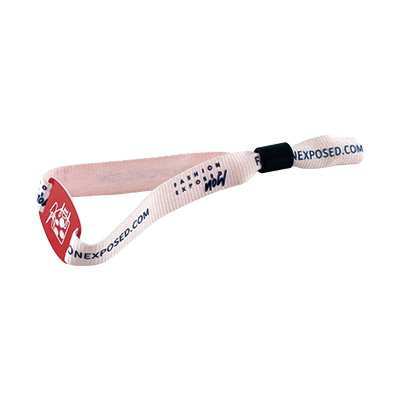
Matalapaineinen päällemuovaus termoplastisella polyuretaanilla (TPU) tai lääketieteellistä nestemäistä silikonikumia (LSR) on luotettavin tapa. NFC-uote asetetaan muottipesään, ja kuumasulate kapseloi antennin ja sirun täysin, luomalla monoliittisen rakenteen ilman ilmarakoja. Liimapohjaisia valuseoksia yleensä vältetään pestävissä tuotteissa, koska toistuva lämpökierto ja taipuminen aiheuttavat delaminoitumista. Tekstiiliin integroiduille moduuleille, toissijainen kuumasaumattu TPU-laastari voi kapseloida NFC-kokoonpanon ennen kuin se ommellaan vaatteeseen. Kun valitset NFC-sisäkettä pestäviä sovelluksia varten, etsi niitä, joissa on alumiini- tai kupariantennijäljet, joissa on suojaava paryleenipinnoite, joka parantaa korroosionkestävyyttä. Luotettavat NFC-tunnisteet, jotka on suunniteltu vaativiin ympäristöihin, ovat saatavilla RFIDHY ja omamme NFC -ranneke portfolio.
Materiaalivalinta kestävyyttä ja mukavuutta varten
Materiaalien yhteensopivuus on monialainen haaste, johon liittyy mekaanista, Rf, ja ihokosketusvaatimukset. NFC-antennille valitun substraatin tulee olla joustava, mutta myös kestää toistuvaa venytystä (jopa 20–30 % venymä joissakin kangasnauhoissa) halkeilematta johdinta. Hopeahiutaleilla ladatut venyvät johtavat musteet kestävät kohtalaisen rasituksen, mutta niiden ominaisvastus on suurempi kuin kiinteän kuparijäännöksen; siten, antennin Q-kerroin putoaa. Yleinen lähestymistapa on sijoittaa jäykkä NFC-moduuli jäykkään kotelon sisään, joka sitten irrotetaan mekaanisesti venyttävästä nauhasta liukuvan tai saranoidun kiinnikkeen avulla..
Suoraan ihokosketukseen, kotelon materiaalia (tyypillisesti TPU, silikoni, tai fluoroelastomeeri) täytyy läpäistä ISO 10993 bioyhteensopivuustesti pitkäaikaista kulumista varten. Silikoni tarjoaa erinomaisen pehmeyden, mutta on kaasua läpäisevä, jolloin kosteus saattaa päästä elektroniikkaan ajan myötä. TPU tarjoaa erinomaisen kemiallisen kestävyyden ja voidaan hitsata ultraäänellä. Hyvin suunniteltu puettava laite yhdistää täysin hermeettisen NFC-moduulikotelon vaihdettavaan hihnaan, mahdollistaa elektroniikan ja kaistan erillisen elinkaarihallinnan.
Puettavien kuntoiluvaatteiden kestävyystestaus
Tavalliset kulutuselektroniikkatestit eivät kuvaa äärimmäisiä olosuhteita, joita kuntosalin ranneke kohtaa. Tarkoituksenmukaisen kestävyyden validoinnin on simuloitava mekaanista rasitusta, kemiallinen altistuminen, ja toistuvia pesujaksoja samanaikaisesti.
Pesujakso ja kemikaalinkestävyys
Tyypillinen protokolla sisältää 50 to 100 nopeutetut pesuohjelmat IEC:n mukaan 63315 (pestävän elektroniikan standardi). Jokainen sykli sisältää lämmintä vettä (40-60°C), pesuaine, ja linkouskuivaus. Pyöräilyn jälkeen, NFC-luku onnistumisprosentin pitäisi pysyä korkeampana 99.9% minimaalisella resonanssitaajuuden muutoksella. Lisäksi, näytteet tulee upottaa synteettiseen hikiin (ISO: lle 3160-2) puolesta 48 tuntia korroosion ja pehmittimen kulkeutumisen arvioimiseksi. Antennit sähköttömällä nikkelillä/immersiokultaa (SAMAA) viimeistely on usein parempi kuin paljas kupari näissä testeissä, vaikka ne lisää kustannuksia.
Mekaaninen stressi ja hikoilu
Taivutustestaus – nauhan taivutus a 20 mm säde varten 100,000 syklit – toistaa toistuvan pukemisen ja riisumisen tuotteen käyttöiän ajan. Pudotuskokeet betonille alkaen 1.5 mittarit ja iskutestit matalissa lämpötiloissa (-20°C) paljastaa juotosliitosten hauraan vian. Uintikeskeisiin puettaviin vaatteisiin, suolasumutesti (ASTM B117) on suositeltavaa, varsinkin kun metalliset koskettimet ovat esillä. Sulautetun NFC-moduulin on säilytettävä todennustoiminto kaikkien näiden testien jälkeen, varsinkin kun sitä käytetään kuntosalin kulunvalvonta- tai kaappijärjestelmissä – avainkäyttöinen puettava todennuksen käyttötapa.
Integrointi mobiili- ja pilvialustojen kanssa
Vaikka laitteiston kestävyys on ensiarvoisen tärkeää, NFC-alijärjestelmän on myös toimittava rinnakkain BLE:n kanssa, GNSS, ja anturikomponentit rajoitetun tilan sisällä. Huolellinen PCB-asettelu sijoittaa NFC-antennin pois korkeataajuisista kytkentäsäätimistä ja metallikotelon elementeistä. Ferriittisuojalevy (0.1-0,3 mm paksu) NFC-kelan ja metalliosien väliin sijoitettuna vähentää pyörrevirtahäviöitä ja parantaa kytkentää. Laiteohjelmiston puolella, NDEF-viestintä on optimoitava välitöntä pariliitosta tai URL-osoitteen käynnistämistä varten, mahdollistaa skenaariokohtaiset kokemukset, kuten napauttamalla harjoitustietojen kirjaamista tai brändin aitouden tarkistamista. Tallennettu digitaalinen todennusavain voidaan yhdistää pilvialustaan reaaliaikaista jäsenyyden todentamista varten, osoittaa, kuinka NFC-puettava muotoilu yhdistää fyysisen ja digitaalisen.
Johtopäätös
Luotettavan NFC-yhteensopivan puettavan kuntoilulaitteen rakentaminen vaatii järjestelmätason lähestymistapaa, joka tasapainottaa RF-suorituskyvyn ja äärimmäisen kestävyyden. Antennin geometria on räätälöitävä ei-tasomaiseksi, häviölliset ihmiskudosympäristöt; kapseloinnin on kestettävä satoja pesujaksoja ilman delaminaatiota; ja materiaalien on pysyttävä mukavasti ihoa vasten samalla kun ne suojaavat herkkää elektroniikkaa. Noudattamalla IP68 kapselointistandardeja, Joustavien antennimateriaalien valinta, ja suorittaa tiukat pesu-ja hikoilutestit, tuotetiimit voivat toimittaa pestävän NFC-tunnisteen, joka toimii jatkuvasti vaativissa kuntoiluympäristöissä. Voit sukeltaa syvälle tiettyihin NFC-upotuksiin ja rannekkeisiin, jotka täyttävät nämä vaatimukset, tutkia NFCWORK tuoteluettelo tai ota yhteyttä suunnittelutukitiimiimme.
Faq
Mikä tekee NFC-tunnisteesta sopivan pestävälle kuntoiluvaatteelle?
Pestävässä NFC-tunnisteessa on oltava täysin suljettu, ylivalettu rakenne ilman paljaita reunoja. Antennin tulee olla korroosionkestävä – kupari tai paryleenipinnoitettu alumiini on suositeltavin – ja sirun tulee olla riittävän pieni kestämään taipumista. Tunnisteen tulee säilyttää vakaa resonanssi ainakin sen jälkeen 50 pesuohjelmat ja kestävät synteettisiä hikeä ja allaskemikaaleja.
Miten ihmiskeho vaikuttaa NFC-antennin suorituskykyyn rannekkeessa?
Ihmiskudoksella on korkea permittiivisyys 13.56 MHZ, aiheuttaa resonanssitaajuuden virityksen. Tämä pienentää lukualuetta, jos sitä ei kompensoida. Suunnittelijat käyttävät ferriittisuojausta, esiviritetut upotukset, jotka on kalibroitu käsifantomia vastaan, ja hieman korkeammat induktanssiarvot kompensoimaan viritystä, varmistaa luotettavan hankaustehon myös silloin, kun nauha on märkä tai kostealla iholla.
Voiko NFC-kuntohihna toimia sekä Androidin että iOS:n kanssa todennusta varten?
Kyllä. NFC-foorumityyppi 2 ja Tyyppi 5 -tunnisteet ovat yleisesti yhteensopivia NFC-yhteensopivien Android- ja iOS-laitteiden kanssa. Kuntosalille pääsyä varten, yhtye voi tallentaa UID- tai salatun NDEF-tietueen, joka toimii mobiilisovellusten ja lukijainfrastruktuurin kanssa. Taustatunnisteen lukeminen iPhonessa edellyttää asianmukaista tagien muotoilua ja NDEF-viestin sisältöä, joten tuoteryhmien tulee testata useissa käyttöjärjestelmäversioissa.
Mikä on suositeltu IP-luokitus uimakestävälle NFC-rannekkeelle?
IP68 on perustaso jatkuvalle yhden metrin upotukselle ja toistuvalle altistumiselle klooratulle vedelle. Laitteisiin, joiden on kestettävä kuumaa vettä ja pesuainetta pesukoneissa, IP69K tarjoaa korkeimman suojan. Kuitenkin, IP68 yhdistettynä vankkaan TPU-päällystykseen täyttää tyypillisesti sekä uinti- että pyykinpesuvaatimukset, kun ne yhdistetään validoituun pesujaksotestaukseen.
Tuo NFC-puettavasi konseptista tuotantoon
NFCWORKin suunnittelutiimi on erikoistunut kestäviin, pestävät NFC-upotteet ja rannekkeet kuntoilu- ja urheilusovelluksiin. Hanki käytännön näytteitä, suunnittelun tuki, ja mukautettuja muovausratkaisuja suorituskykytavoitteidesi saavuttamiseksi.