世界の自動車アフターマーケットは信頼によって運営されています. しかし、その信頼は基準を下回るたびに歪められる, 非純正部品が修理ベイに入る. 偽物のブレーキパッド, エアバッグ, ステアリングコンポーネント, フィルターとセンサーはもはや路地裏の屋台や孤立した市場に限定されません. 洗練された偽造者がロゴをコピー, パッケージやQRコードも, 目視検査の信頼性が低くなります.
近距離無線通信 (NFC) 自動車部品のブランド保護に対するより実践的なアプローチを提供します. ユニークな要素を追加することで、, 部品またはそのパッケージに対する読み取り可能なデジタル ID, メーカーやワークショップは数秒以内に純正コンポーネントを認証できます. このガイドでは、NFC 部品認証がアフターマーケットの安全性にとってどのように重要な部分になりつつあるのかについて説明します。, そしてどこに置くか NFCタグ ドライバーを保護するために車の部品や箱に, ブランドと業績.
偽造自動車部品の本当のリスク
経済的証拠は無視するのが難しい. OECD と EUIPO は、偽造品と海賊版が約 3.3% 世界貿易の. 税関押収報告書では、知的財産権侵害の疑いの最大のカテゴリーに自動車部品が含まれていることが繰り返し示されている. さらに重要なことは, 偽造自動車部品は経済的な問題だけではありません; それらは交通安全上の危険です.
- 非純正のブレーキパッドとブレーキホースは、道路負荷が高い状態での製品テストに合格しませんでした, 停止距離が長くなり、コントロールを失う危険性がある.
- 偽造エアバッグは衝突時に正しく展開しない可能性がある, 中には、怪我を防ぐどころか怪我を引き起こす可能性がある低品質の推進剤が含まれているものもあります.
- 偽のステアリングやサスペンションのコンポーネントは早期疲労を引き起こす可能性があります, 緊急機動時の危険な取り扱いにつながる.
- 模造エンジンフィルターや電気部品はエンジン損傷のリスクを高めます, 燃費が悪い, ショートと車両火災.
OEM およびアフターマーケット ブランド向け, この安全上のリスクはブランドの評判に直接関係しています. 偽造部品が 1 つ故障すると、正規品と間違われ、リコールにつながる可能性があります, ネガティブな評判, 責任紛争と消費者の信頼の喪失. 販売代理店およびワークショップ向け, 偽造部品は追加の労働時間を必要とする, 失敗した修理, 複雑な保証請求と保険拒否の可能性.
自動車部品における NFC 認証の仕組み
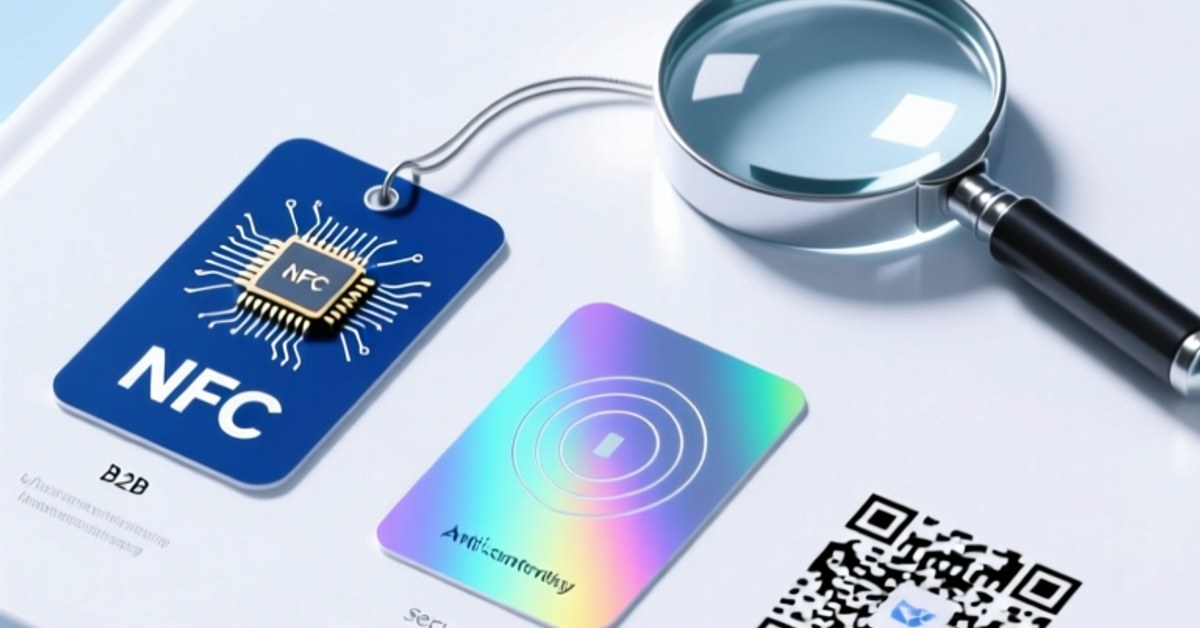
NFC認証はタグに埋め込まれた小型チップとアンテナを使用します, ラベルまたはインレイ. それぞれ NFCタグ 固有のシリアル番号を付けることができ、, 必要な場所に, 暗号署名機能. 技術者のとき, ドライバーまたはビジネス パートナーが NFC 対応スマートフォンでタグをタップする, デバイスは安全な URL または製品コードを読み取り、ブランドが管理する確認ページを開きます。.
無線通信は意図的に短距離です, 通常はわずか数センチメートル. これにより、NFC は意図的な認証が必要となるため、自動車部品にとって強力な認証ツールとなります。, ダイレクトタップ. 視覚的なホログラムや印刷された QR コードとは異なります。, 写真と一緒に NFC タグをコピーすることはできません. 偽造者はオリジナルのタグハードウェアを入手する必要があります, デジタルセキュリティスキームを理解し、それでも偽造品にそのタグを付ける方法を見つける.
偽造自動車部品の NFC プログラムを評価する自動車 OEM 向け, 実際的な問題は、NFC が偽物を検出できるかどうかではなく、タグをパッケージにどのように統合するかです。, 在庫システムとワークショップの手順.
最もリスクの高いカテゴリに重点を置いた部品認証
すべてのコンポーネントに同じレベルのデジタル保護が必要なわけではありません. ブランドはまず、故障がドライバーに最大のリスクをもたらす部品、および偽造者が最も高い利益を得られる部品に焦点を当てる必要があります。.
>
| 高リスクの自動車部品 | 偽造部品ができること | NFC 認証が役立つ理由 |
|---|---|---|
| ブレーキパッドとブレーキホース | ストッピングパワーの低下, 圧力がかかるとブレーキがフェードし、ホースが破裂する | メーカーを確認します, バッチ, 取り付け前の部品番号と起源 |
| エアバッグおよびシートベルト部品 | 展開失敗または衝突時の爆発の危険性 | ユニットレベルのシリアル化により、永続的なデジタル安全記録が作成されます |
| ステアリングおよびサスペンションコンポーネント | 突然の関節不全, ステアリングロスと不安定なハンドリング | 改ざん検知可能な NFC ラベルは明確な保管過程をサポートします |
| エンジンフィルター, ベルトや点火部品など | 濾過不良, エンジンの汚れと早期摩耗 | サービスカウンターまたは整備工場での迅速な部品検証 |
| 電気センサー, モジュールと点火コイル | 故障, ショートと火災の危険性 | NFC パーツ ID を車両 ID にリンクすることで、リコールと修理の追跡が向上します |
部品のパッケージと部品自体に NFC タグを配置する
パッケージの識別とユニットレベルの認証を組み合わせた堅牢な偽造防止システム. 包装タグは、流通センターや作業場で密封されたカートンを開ける前に在庫を確認するのに役立ちます. Part-level tags allow authentication at the moment of installation and throughout the life of the component.
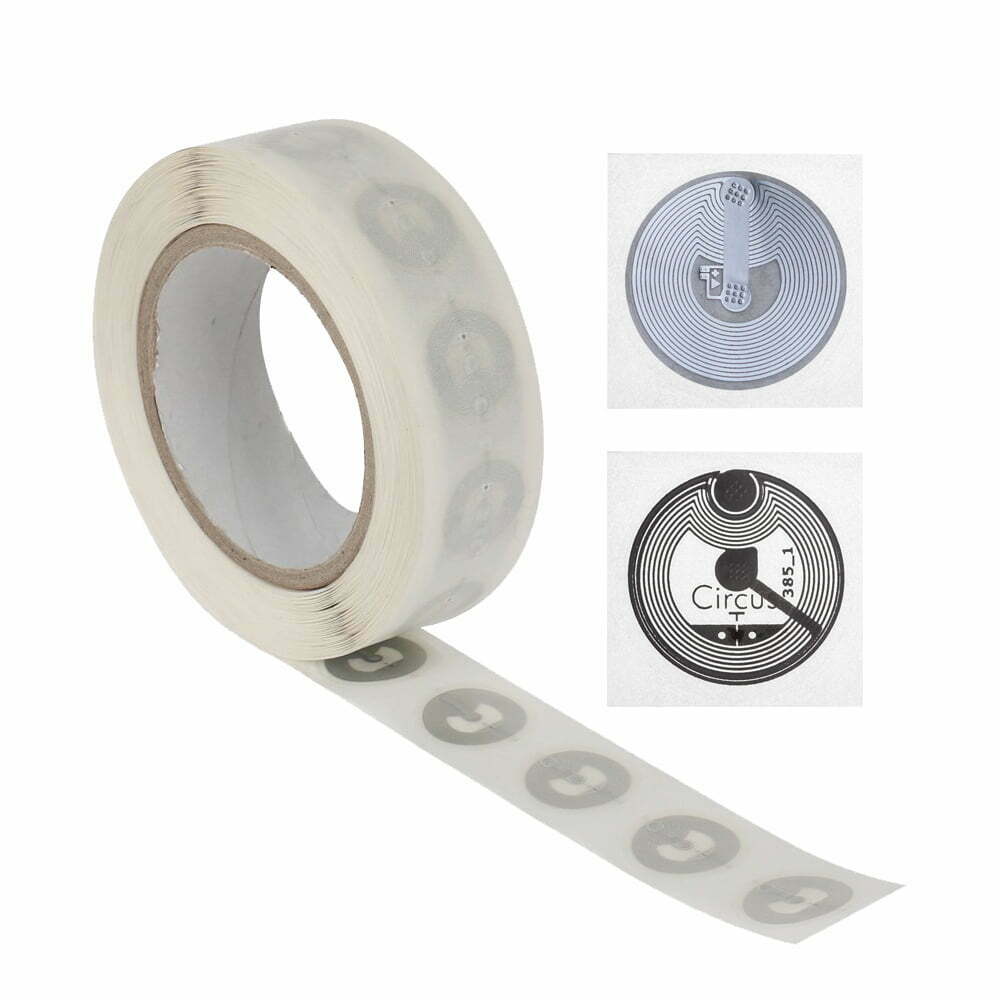
- Packaging level: an NFC label or NFCステッカー applied to a sealed box, polybag or shrink-wrap can be scanned immediately after delivery. If the tamper-evident label has been removed or shows signs of being opened and reattached, the shipment should be quarantined.
- Part level: an NFC inlay label can be placed on plastic housings, wiring connectors, filters and other non-conductive surfaces where it will not interfere with the part function. The tag stores a unique serial number and can be linked to the production batch, date and warranty status.
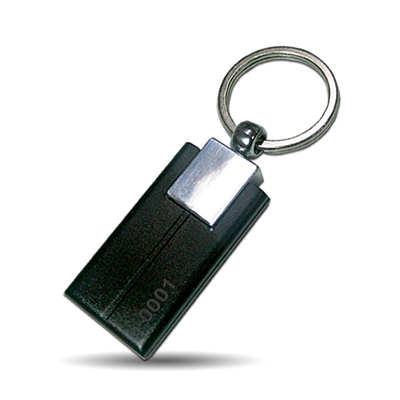
- Metal parts: because metal interferes with standard NFC antennas, use anti-metal RFIDタグ or NFC tags with a ferrite layer on braking components, engine blocks and steel suspension parts. These tags remain readable when mounted directly on metal.
- Composite assemblies: for high-value components with complex supply chains, an NFC inlay can be molded into the packaging insert rather than placed only on the outer box. That prevents part swapping after the box arrives at the workshop.
At the manufacturing or label-application stage, brands should write a unique product code to the NFC tag and upload that code to a verification database. When the technician scans the part, the returned information can include a product description, バッチコード, 製造日, installation instructions and warranty activation URL.
A Practical Workshop Verification Workflow
Workshops, garages and fleet maintenance teams need a workflow that is fast and simple. The goal is to make authentication part of the receiving and installation process rather than an extra administrative burden.
- Receive and scan the outer packaging. When a delivery arrives, the warehouse team scans the NFC label on the carton using an NFC-enabled smartphone or, for high-volume pallets, ハンドヘルドUHF RFIDリーダー. If the label does not resolve to the expected product record or serial range, the package is set aside for inspection.
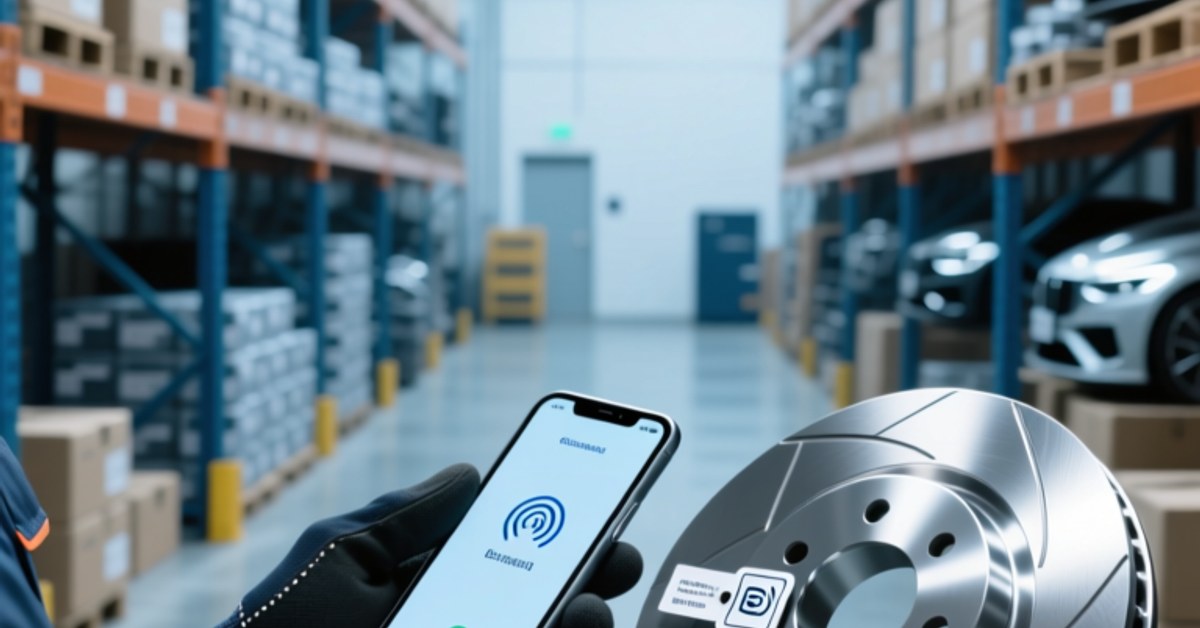
- Scan the part before opening or installation. The workshop technician taps the NFC tag on the part box and verifies that the part number matches the repair order. The verification page should confirm a valid, unused serial number and show the authorized manufacturer or distributor name.
- Reject or quarantine suspicious parts. If the NFC tag does not respond, resolves to a different product, or returns a message that the serial number was already registered, the part should not be installed. This simple step protects the workshop from installing fake parts that could lead to comeback repairs or safety-related accidents.
- Scan again at installation. After the part is installed, the technician records the NFC tag ID together with the vehicle VIN and service date. This second scan builds a verified maintenance record and can automatically activate the parts warranty.
- Single scan for warranty and claims. If the car returns for repair or warranty review, a quick tap of the NFC tag confirms that the part is genuine, properly installed and still within its valid service period.
This workflow turns NFC parts verification into a daily routine. For every suspicious part intercepted before installation, a workshop avoids a potential safety failure, an unhappy customer and a costly warranty dispute.
Warranty Protection and Aftermarket Accountability
Warranty management is one of the most immediate benefits of NFC authentication. Without a verifiable digital record, warranty claims often depend on paper invoices, blurry photos and trust. Fake parts also enter the returns channel because they look similar to genuine products and may be returned under warranty before anyone realizes they are counterfeit.
By linking an NFC tag to a central product record, manufacturers can confirm that a returned part belongs to an authorized production batch and that the serial number has not been reused. Distributors and workshops can instantly see whether a part is still under warranty, whether it was installed by an approved technician and whether a claim has already been submitted for the same part.
For fleet operators, NFC-based parts traceability creates a service history for every vehicle. This helps maintenance teams identify unauthorized parts, manage preventive maintenance and provide documented compliance for insurance and safety audits. 時間とともに, the digital record created by NFC can evolve into a デジタル製品パスポート for critical components, linking materials, factory information and end-of-life guidance to the part serial number. That kind of transparency is particularly relevant as more industries move toward regulated product passports and supply chain due diligence.
Building a Scalable NFC Parts Authentication Program
Automotive brands do not need to replace every existing label with an NFC tag on the same day. A practical rollout can begin with the highest-risk categories, a limited number of product lines and a verification portal that is easy for distributors and workshops to access.
- Start with brake and safety parts. Those components carry the greatest driver risk and the clearest return on protection.
- Tag packaging first if part-level integration is not possible. Packaging-level NFC labels are simpler to introduce and already provide considerable protection during transport and storage.
- Plan for metal surfaces. Any part with a metallic body, metal bracket or metallic coating should use an anti-metal RFIDタグ rather than a standard NFCステッカー.
- Use one verification path. A unified portal or simple NDEF URL helps avoid confusion among technicians. The NFC tag should always lead to a trusted brand-controlled page, not an unofficial database.
- Combine NFC with serialized QR codes if needed. Printed QR codes are useful as a back-up channel, but NFC remains the stronger defense because it is based on physical chip hardware and cannot simply be scanned from a screen.
Across manufacturing, distribution and service, the cost of counterfeit parts is more than the purchase price of the fake. Failed repairs, customer injuries, recalls and damaged brand equity are far more expensive. Manufacturers and aftermarket suppliers can explore suitable tag options through RFIDHY product lines ranging from NFC labels and NFC inlays to anti-metal RFID tags and UHF RFID readers. The selected technology should match the part surface, the line speed of final packaging and how the installer will scan the component.
Protect Drivers and Aftermarket Safety with NFC
Automotive counterfeiters continue to improve their packaging and distribution methods. Every week, workshops face parts that can harm drivers and damage businesses. NFC parts verification creates a simple, repeatable way to separate genuine parts from fakes before they reach the road.
Whether you are an OEM planning a serialized box program, a distributor who needs clearer traceability, or a workshop owner who wants to stop unknowingly installing counterfeit auto parts, NFC authentication can be implemented quickly. The same technology that protects luxury goods in retail is now becoming a standard safety layer in the automotive aftermarket. Start by identifying your highest-risk components, placing the right NFC tags on packaging and parts, and training technicians to scan every safety-critical item on arrival.
よくある質問
Can NFC tags prevent counterfeit auto parts?
NFC tags prevent simple copy attacks because each tag contains a physical chip with a unique identifier that cannot be copied with a camera. When used with a verification database and tamper-evident labels, NFC authentication creates a strong barrier against most counterfeit operations.
Will NFC work on metal engine parts?
Standard NFC tags can lose performance when placed directly on metal. For automotive components such as brake assemblies, engine housings and suspension arms, an anti-metal RFID tag or an NFC tag with a ferrite layer is recommended. It keeps the tag readable on conductive surfaces.
Do workshop technicians need a special reader?
For NFC tags and NFC labels, technicians can use an NFC-enabled smartphone or tablet. For high-throughput warehouse environments, ハンドヘルドUHF RFIDリーダー is useful when cartons and pallets also carry UHF RFID tags.
Can a counterfeit company clone an NFC tag?
Basic NFC tags can be read by anyone, but they cannot be easily cloned without the same chip. When brands use serialized production data, cryptographic signatures and cloud-based validation, a counterfeiter would need much more than a printed code to create a fake part that passes authentication.
How does NFC improve warranty and return claims?
The NFC tag links the part to a unique record in the manufacturer’s system. At installation, the technician can record the VIN and activation date. At return, the tag confirms whether the part is genuine, under warranty, and already registered to a particular vehicle.
Ready to Make Your Auto Parts Verifiable by Tap?
RFIDHY and NFCWORK support OEMs, aftermarket brands and distributors with serialized NFC tags, NFCラベル, NFC inlays and anti-metal RFID tags for high-risk parts. Our teams can help you define the right placement, encoding flow and verification page for your product lines.
当社の営業チームにお問い合わせください to start with a pilot program, or view the NFC 製品ラインナップ to see available tag formats and read more about デジタル製品パスポート.