Comprendre le règlement européen sur les batteries
L’Union européenne remodèle le secteur des batteries grâce à l’un des paquets législatifs sur les produits les plus ambitieux depuis des décennies. Adopté en juillet 2023 et applicable depuis février 2024, le nouveau Règlement européen sur les batteries (UE 2023/1542) remplace l'ancienne directive sur les batteries et introduit des exigences obligatoires en matière de durabilité, sécurité, étiquetage, et traçabilité. Fabricants de batteries, Acteurs de la chaîne d’approvisionnement des véhicules électriques, et tout exportateur de batteries industrielles ou portables vers l'Europe doit désormais se préparer à une nouvelle ère de transparence.
Au cœur de cette réglementation se trouve le passeport numérique pour batterie – une identité produit unique qui stocke les données critiques tout au long du cycle de vie de la batterie. Même si le règlement couvre de nombreux aspects techniques, le changement le plus perturbateur est l'obligation de déclarer et de suivre les empreinte carbone de chaque modèle de batterie, de l’extraction des matières premières au recyclage en fin de vie.
Pour les entreprises qui conçoivent des systèmes de batteries de nouvelle génération, NFC (Communication en champ proche) la technologie apparaît comme un outil pratique, support de données standardisé pour ces passeports numériques. Dans cet article, nous décomposons le calendrier réglementaire, expliquer quelles données doivent être incluses dans le passeport de la batterie, et montrer comment Balises NFC et les inlays peuvent être intégrés dans les blocs-batteries pour obtenir une conformité totale.
Une chronologie des étapes clés
Le règlement européen sur les batteries suit un calendrier de mise en œuvre progressif. Comprendre ces dates est la première étape pour élaborer une feuille de route de conformité.
>
| Date | Jalon | Impact |
|---|---|---|
| 17 Août 2023 | Le règlement entre en vigueur | Base juridique établie; les groupes industriels commencent une préparation détaillée. |
| 18 Février 2024 | Les obligations générales deviennent applicables | Dispositions sur les substances, étiquetage, et la gestion des déchets prennent effet. |
| 18 Août 2024 | Organismes d'évaluation de la conformité notifiés | Début d'un audit tiers pour certaines catégories de batteries. |
| 18 Février 2025 | Objectifs de collecte des déchets pour les batteries portables | 45% taux de recouvrement requis; s'accélère jusqu'à 63% par 2027 et 73% par 2030. |
| 18 Août 2025 | Déclaration d'empreinte carbone obligatoire | Batteries pour véhicules électriques, batteries industrielles (>2kWh), et les batteries des moyens de transport légers doivent déclarer leur empreinte carbone (par modèle par usine de fabrication). |
| 18 Février 2026 | Introduction de classes de performance en matière d'empreinte carbone | Les batteries porteront une étiquette indiquant leur classe d'empreinte carbone. |
| 18 Février 2027 | Le passeport numérique de la batterie devient obligatoire | Batteries EV et batteries industrielles (>2kWh) doit avoir un passeport batterie accessible via QR code, NFC, ou similaire; contient un identifiant unique et des données de cycle de vie. |
| 18 Août 2028 | Déclaration de contenu recyclé obligatoire | Les batteries industrielles et électriques doivent divulguer les pourcentages de cobalt, plomb, lithium, et nickel récupéré des déchets. |
Par 2027, chaque véhicule électrique et toute grande batterie industrielle vendu dans l'UE doit être accompagné d'un passeport numérique. Pour les OEM de batteries et les intégrateurs de systèmes, choisir le bon support de données bien avant cette date est essentiel pour éviter les refontes et les perturbations de la chaîne d'approvisionnement.
Le passeport batterie numérique: Quelles données sont requises?
Le passeport batterie n'est pas qu'une simple étiquette; il s'agit d'un ensemble de données dynamique qui accompagne la batterie tout au long de sa vie. Selon le règlement, le passeport doit comprendre un identifiant unique et au moins les informations suivantes (accessible via un lien électronique):
- Informations générales sur la batterie et le fabricant: modèle de batterie, identification du fabricant, lieu de fabrication, et date de fabrication.
- Documents de conformité: Déclaration UE de conformité, rapports de tests, et certifications.
- Déclaration d'empreinte carbone: l'empreinte carbone totale calculée en kg CO2-eq par kWh d'énergie, couvrant l'acquisition de matières premières, production, et étapes de distribution.
- Contenu recyclé: pourcentages de cobalt, plomb, lithium, ou du nickel récupéré des déchets post-consommation.
- Composition des matériaux et substances dangereuses: chimie électrochimique et présence de substances préoccupantes.
- État de santé de la batterie: paramètres qui permettent d’évaluer la capacité de performance restante de la batterie (spécialement pour les applications de seconde vie).
- Informations sur l'économie circulaire: instructions de démontage, mesures de sécurité pour la réutilisation, et procédés de recyclage.
Une grande partie de ces données sont statiques (détails de fabrication, composition matérielle), mais certains – comme l’état de santé – doivent pouvoir être mis à jour tout au long de la durée de vie de la batterie. Cela rend le sans contact, des supports de données robustes comme Balises NFC l'interface matérielle idéale pour le passeport.
Déclaration d'empreinte carbone
La déclaration de l'empreinte carbone est la partie la plus gourmande en données du passeport batterie.. Pour chaque modèle de batterie produit dans une usine donnée, les fabricants doivent calculer et déclarer une empreinte carbone sur le cycle de vie. Cela inclut les impacts en amont comme l’exploitation minière, raffinage, et transport de composants, ainsi que la consommation d'énergie de fabrication. La méthodologie suit les règles de l’UE relatives aux catégories d’empreinte environnementale des produits. (PEFCR) pour piles, qui fournit un modèle de calcul standardisé.
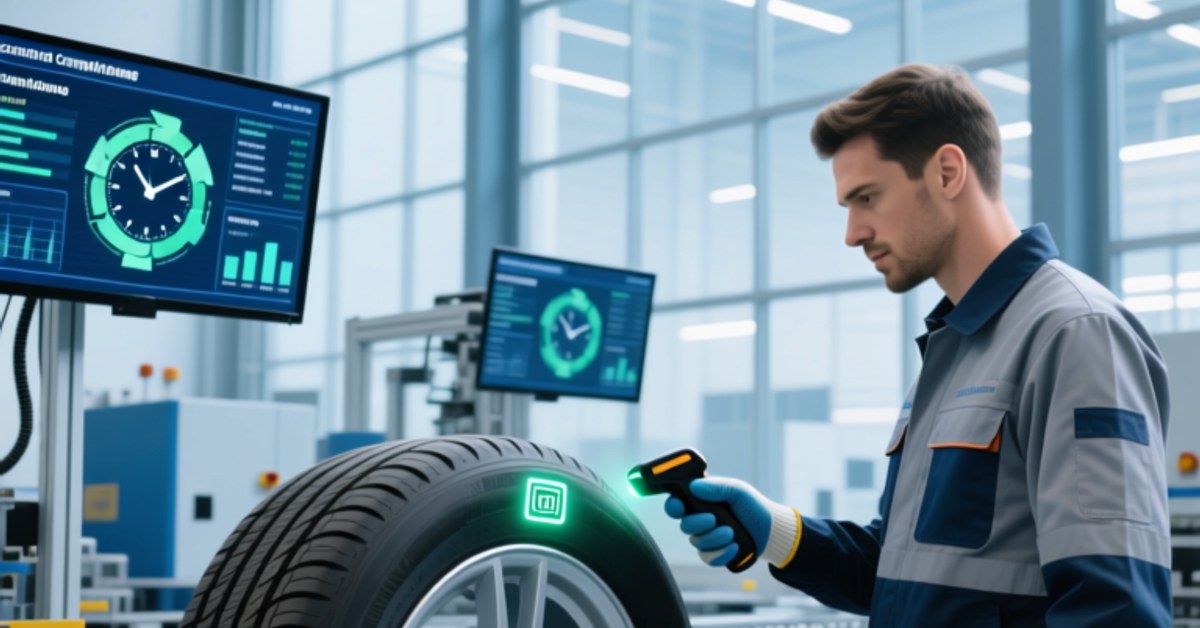
Pour rassembler ces données, les entreprises doivent retracer les matières premières jusqu'à leur origine, collecter des données sur la consommation d'énergie de chaque étape de production, et tenir des registres vérifiables. L'intégration d'une incrustation NFC dans la batterie lors de l'assemblage peut simplifier la collecte de données en fournissant une passerelle numérique vers un référentiel basé sur le cloud qui stocke l'inventaire détaillé du cycle de vie.. Lors d’audits ou d’inspections aux frontières, la numérisation de l'étiquette NFC récupère instantanément le rapport complet de l'empreinte carbone lié à cette batterie spécifique.
Contenu recyclé et diligence raisonnable
Depuis 2028, les batteries industrielles et électriques doivent également déclarer leur contenu recyclé. Cela stimule la demande d’un suivi vérifiable de la « chaîne de traçabilité » des recycleurs jusqu’aux fabricants de batteries.. Une étiquette NFC reliée à des enregistrements numériques documentant la source et le traitement des matériaux recyclés peut devenir le maillon de confiance de cette chaîne.. Il soutient également le devoir de diligence obligatoire sur les chaînes d’approvisionnement en matières premières, s'assurer que le cobalt, lithium, et d'autres minéraux proviennent de sources responsables.
NFC comme support de données pour les passeports de batterie
Le règlement européen permet d'accéder au passeport de la batterie via un code QR ou un autre support de données électronique.. Bien que les codes QR imprimés sur les étiquettes soient courants, ils posent des défis dans les environnements automobiles et industriels: les étiquettes peuvent se dégrader, devenir illisible en basse lumière, ou soyez couvert pendant l'installation. NFC, d'autre part, offre un service sans contact, durable, alternative sécurisée qui peut être intégrée directement dans la batterie.
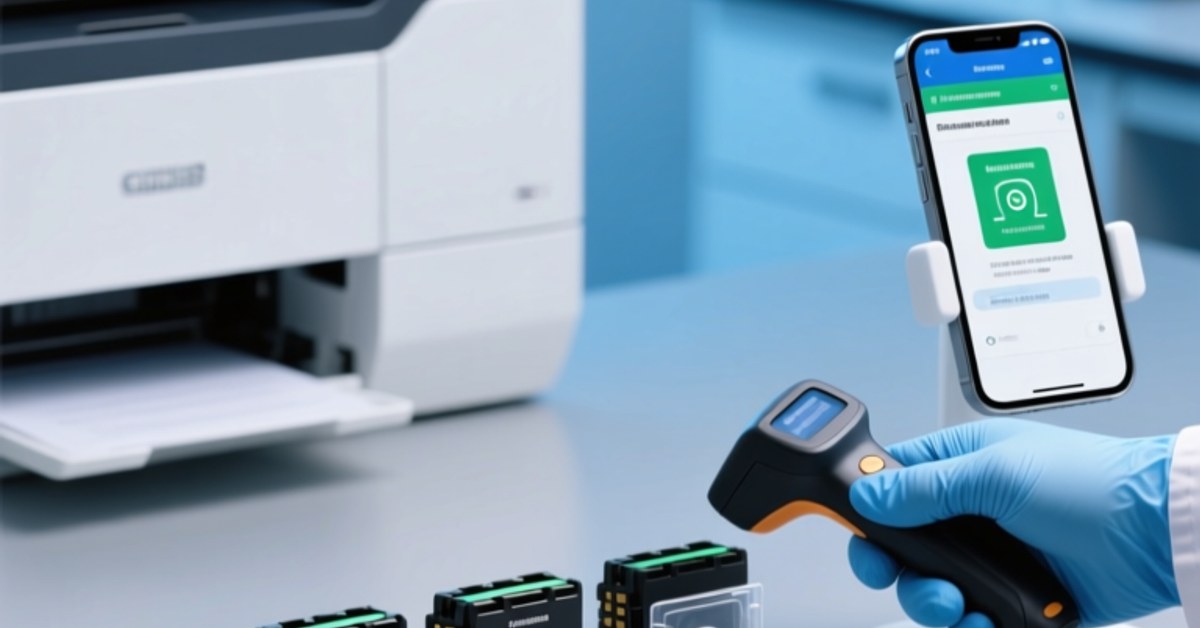
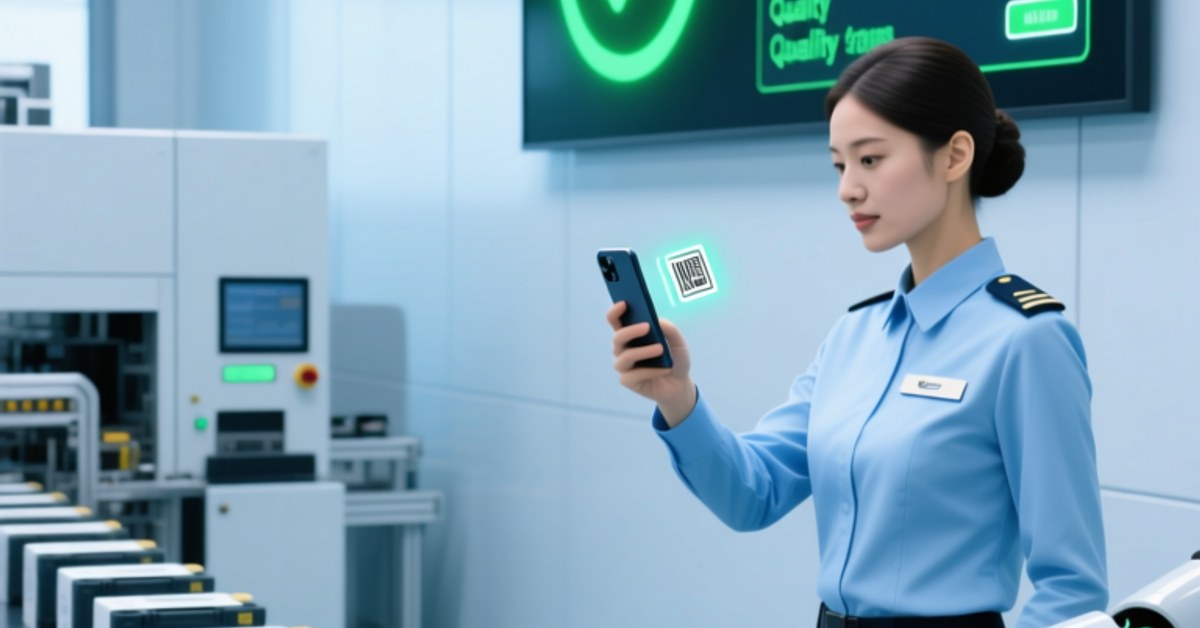
Une balise NFC fonctionne simplement en appuyant dessus avec un smartphone standard ou un lecteur industriel.. Il ne nécessite pas de source d'alimentation propre (l'énergie est récupérée du champ d'interrogation) et peut stocker un identifiant unique ainsi que des données statiques ou une URL pointant vers le passeport complet hébergé sur une plate-forme cloud sécurisée.. Cette architecture maintient la mémoire des balises petite et rentable tout en permettant l'accès à des informations complètes sur le cycle de vie..
Pourquoi NFC est idéal pour les environnements de batterie difficiles
- Facteurs de forme robustes: Les inlays NFC peuvent être encapsulés dans du plastique, verre, ou constructions compatibles avec le métal. Des étiquettes NFC anti-métal sont disponibles et fonctionnent de manière fiable même lorsqu'elles sont montées sur des boîtiers de batterie en aluminium ou en acier..
- Large plage de température: Les étiquettes NFC de qualité industrielle peuvent résister aux cycles thermiques typiques des batteries EV sans perte de données..
- Aucune ligne de vue requise: La lecture d'une étiquette NFC intégrée à l'intérieur d'un module de batterie est possible grâce à des couvercles non métalliques, contrairement aux codes QR qui nécessitent une visibilité.
- Interopérabilité mondiale: NFC fonctionne avec des milliards de systèmes NFC existants téléphones intelligents, veiller à ce que les agents des douanes, recycleurs, et les centres de service peuvent accéder aux données sans équipement spécialisé.
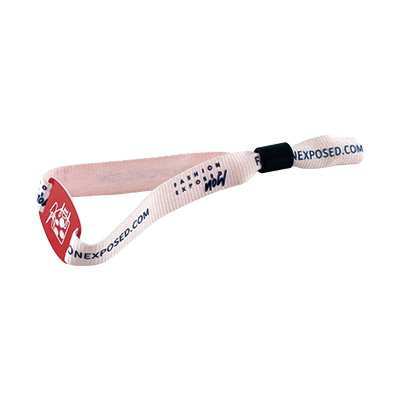
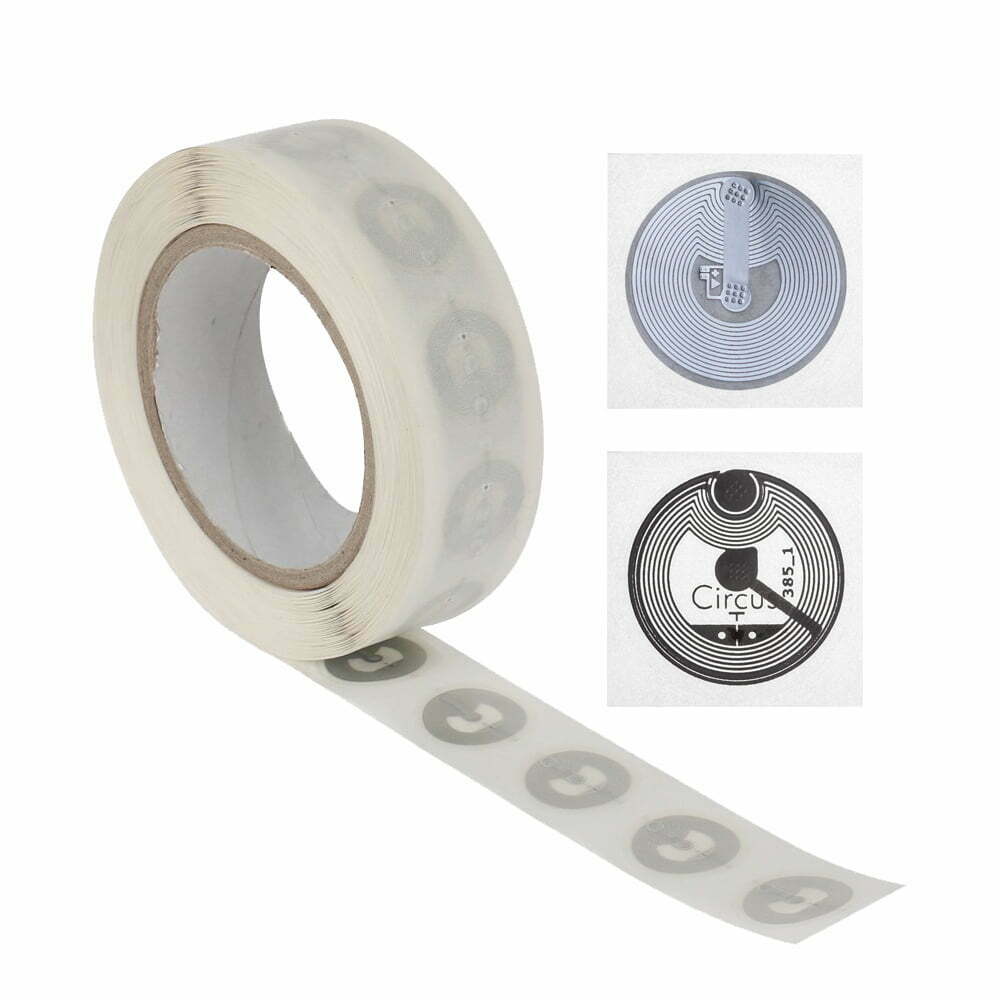
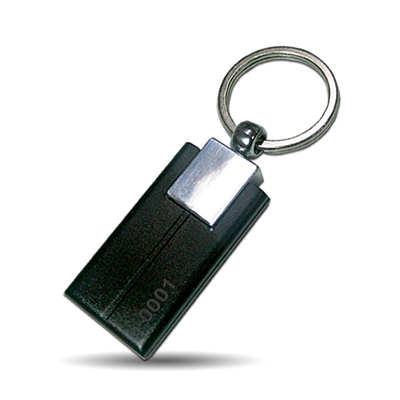
Pour les fabricants de batteries, Produits NFC tels que les autocollants NFC, Incrustations NFC, et balises NFC peut être acheté dans des tailles et des formats personnalisés pour correspondre à des conceptions de batteries spécifiques. Le partenariat avec un fournisseur NFC expérimenté garantit que les balises répondent aux spécifications requises en matière de durabilité et de mémoire.. En plus, matériel de lecture tel que lecteurs NFC portables ou scanners RFID UHF peut être déployé sur les lignes de production et dans les installations de recyclage pour automatiser la capture et la vérification des données.
Permettre la traçabilité et les applications de seconde vie
Au-delà de la conformité, les passeports de batterie ouvrent de nouvelles opportunités commerciales. Une fois qu’une batterie de VE atteint la fin de sa durée de vie dans le véhicule, il peut souvent être réutilisé pour le stockage d'énergie stationnaire. Cependant, une utilisation sûre et rentable de la seconde vie dépend d’une connaissance précise des cycles de charge passés de la batterie, état de santé, et historique d'entretien. Une batterie étiquetée NFC, lorsqu'il est connecté à un système de gestion de batterie basé sur le cloud, peut fournir un enregistrement complet de ces paramètres tout au long de sa première vie. Cette transparence augmente la valeur résiduelle de la batterie et soutient les objectifs d'économie circulaire du règlement..
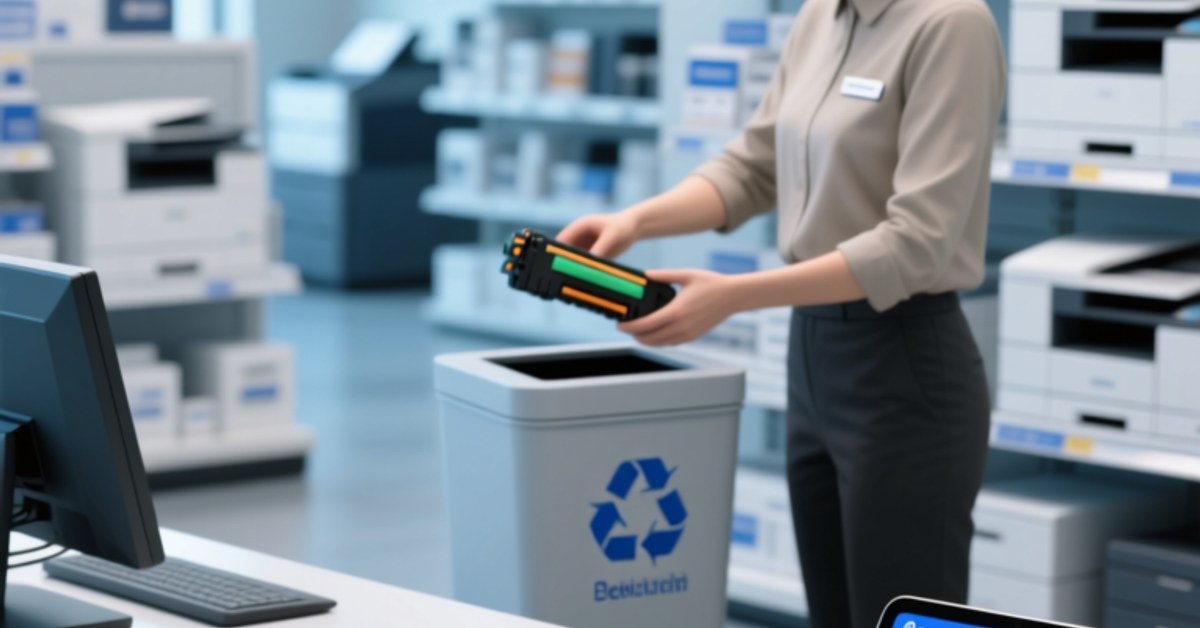
De la même manière, les installations de recyclage bénéficient d'un accès rapide à la composition des matériaux et aux instructions de démontage. La numérisation de l'étiquette NFC sur une batterie usagée peut instantanément répertorier l'emplacement des composants dangereux et la procédure recommandée pour extraire les métaux précieux.. Cela améliore non seulement la sécurité des travailleurs, mais augmente également l'efficacité du recyclage et les taux de récupération des matériaux..
Préparez-vous à la conformité avec les solutions RFIDHY et NFCWORK
Le respect de la réglementation européenne sur les batteries nécessite un effort interfonctionnel impliquant l'ingénierie, durabilité, gestion des données, et équipes informatiques. Le composant matériel – le support de données lui-même – est une pièce petite mais essentielle du puzzle.. À Technologie NFCWORK, nous proposons une gamme de composants NFC et RFID de qualité industrielle adaptés aux applications de passeport de batterie:
- Incrustations NFC anti-métal qui fonctionnent de manière fiable lorsqu'ils sont fixés directement aux boîtiers de batterie.
- Balises NFC personnalisées avec des configurations de mémoire qui stockent les UID, URL, ou données de sécurité statiques.
- Étiquettes RFID UHF pour l'identification des vracs et le suivi logistique tout au long de la chaîne d'approvisionnement – idéal pour les palettes- et visibilité au niveau du conteneur.
- Lecteurs portables NFC/RFID pour l'authentification sur le terrain et la récupération de données pendant la fabrication, distribution, et recyclage.
Ces catégories de produits sont disponibles via notre réseau de partenaires fabricants et peuvent être personnalisées selon vos spécifications exactes.. Pour plus de détails sur le fonctionnement des passeports numériques basés sur NFC dans différents secteurs, lisez notre aperçu complet sur Passeports de produits numériques et notre article précédent sur Passeports de produits numériques alimentés par NFC.
Le 2027 la date limite peut paraître lointaine, mais le prototypage et la validation d'une solution de passeport de batterie basée sur NFC vous donnent aujourd'hui une longueur d'avance sur la concurrence.. Discutez avec notre équipe pour découvrir comment la technologie NFC intégrable peut devenir le fil conducteur de confiance qui relie votre batterie à son identité numérique – de la matière première à la renaissance..
FAQ
Qu'est-ce qu'un passeport batterie exactement selon le nouveau règlement européen?
Un passeport de batterie est un enregistrement numérique contenant des informations clés sur une batterie, comme son empreinte carbone, composition matérielle, et historique du cycle de vie. Il doit être accessible électroniquement via un support de données (Par exemple, Étiquette NFC) et s'applique aux batteries de véhicules électriques et aux batteries industrielles ci-dessus 2 kWh mis sur le marché de l'UE à partir de 18 Février 2027.
Comment une balise NFC transporte-t-elle les données du passeport de la batterie?
La balise NFC stocke généralement un identifiant unique et un lien (URL) vers une plate-forme cloud sécurisée où résident toutes les données du passeport. Lorsqu'un utilisateur appuie sur le tag avec un appareil compatible NFC, ils sont dirigés vers l'enregistrement numérique correspondant. Cette approche maintient l'étiquette rentable et permet au passeport d'être mis à jour tout au long de la durée de vie de la batterie sans toucher à l'étiquette elle-même..
Les balises NFC peuvent-elles survivre aux conditions difficiles à l’intérieur d’une batterie EV?
Oui. Les incrustations NFC anti-métal sont spécialement conçues pour fonctionner sur ou à proximité de surfaces métalliques et peuvent résister à de larges plages de températures, vibration, et l'humidité. Ces étiquettes de qualité industrielle sont déjà utilisées dans les environnements automobiles et manufacturiers, ce qui les rend adaptés aux applications de passeport de batterie intégrée.
Ai-je besoin à la fois de NFC et de RFID UHF pour la conformité de la batterie?
Pas nécessairement pour le passeport lui-même, mais de nombreux constructeurs combinent les technologies: NFC pour un accès direct du consommateur/technicien au passeport, et RFID UHF pour une logistique et un suivi des stocks à grande vitesse. Étiquettes RFID UHF offrent une plage de lecture plus longue et une identification en masse, qui peut rationaliser les opérations de la chaîne d'approvisionnement parallèlement au mandat de passeport pour les batteries.
Technologie de passeport de batterie prête à intégrer?
N'attendez pas 2027 pour commencer votre parcours de conformité. Chez Technologie NFCWORK, nous aidons les fabricants de batteries, Fournisseurs de véhicules électriques, et les exportateurs d'électronique spécifient les bons composants NFC et RFID pour les passeports de batterie. Des incrustations antimétalliques aux systèmes UHF à lecture en masse, nous proposons des éléments de base de produits qui s'intègrent à vos conceptions de batteries et plates-formes de données existantes.
Contactez-nous aujourd'hui pour discuter de votre projet de passeport batterie et demander des échantillons de produits. Bâtissons un monde plus intelligent, ensemble, une chaîne d'approvisionnement en batteries plus transparente.
Parlez à nos spécialistes | Explorez les solutions de passeport produit numérique