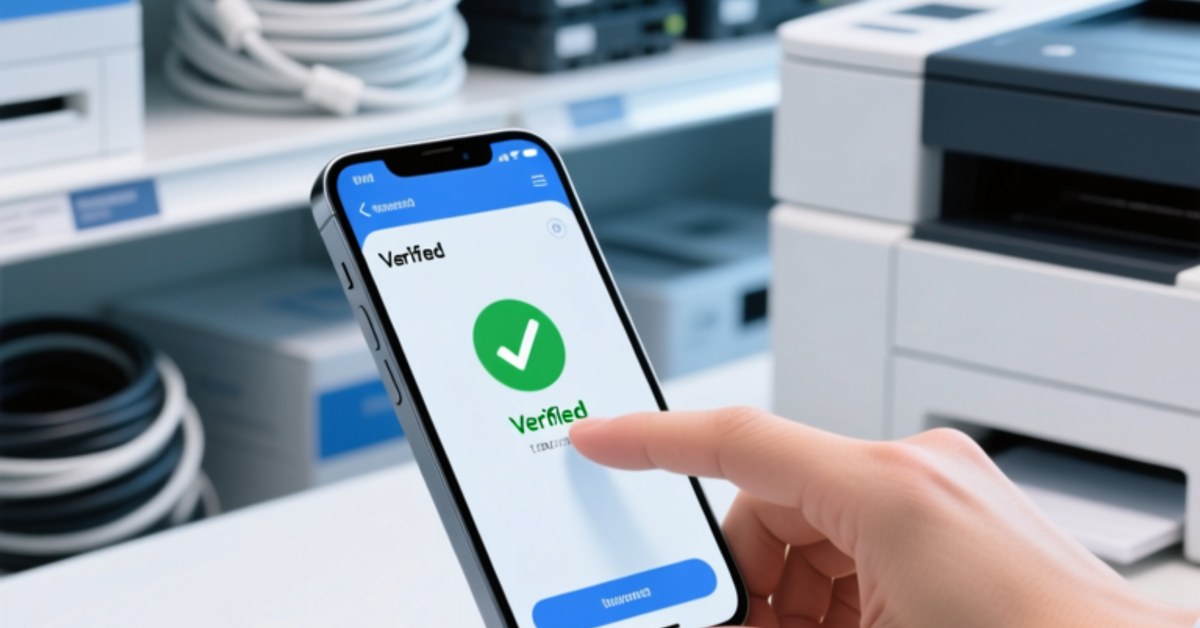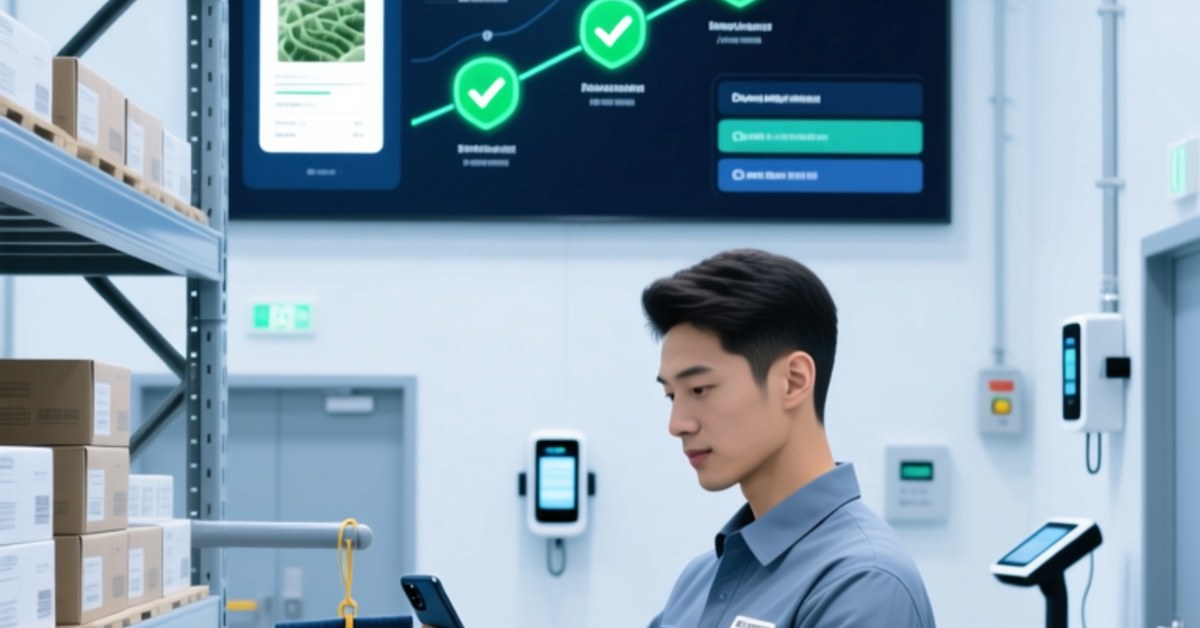
Le nouvel impératif de transparence: Au-delà des codes-barres et des numéros de lots
Pour les propriétaires de marques européennes, fabricants, et exportateurs, la visibilité de la chaîne d'approvisionnement n'est plus un différenciateur concurrentiel : c'est une exigence réglementaire. L’ambition de l’UE Écoconception pour la réglementation des produits durables (ESPR) remodèle la façon dont les données sur les produits sont capturées, stocké, et partagé. Au cœur de ce changement se trouve Passeport produit numérique (DPP), un ensemble de données structuré décrivant l’origine d’un produit, composition, empreinte environnementale, et cycle de vie. Pour les entreprises avant-gardistes, Technologie NFC est le moyen le plus intuitif et le plus sécurisé de relier l'objet physique et son passeport numérique.
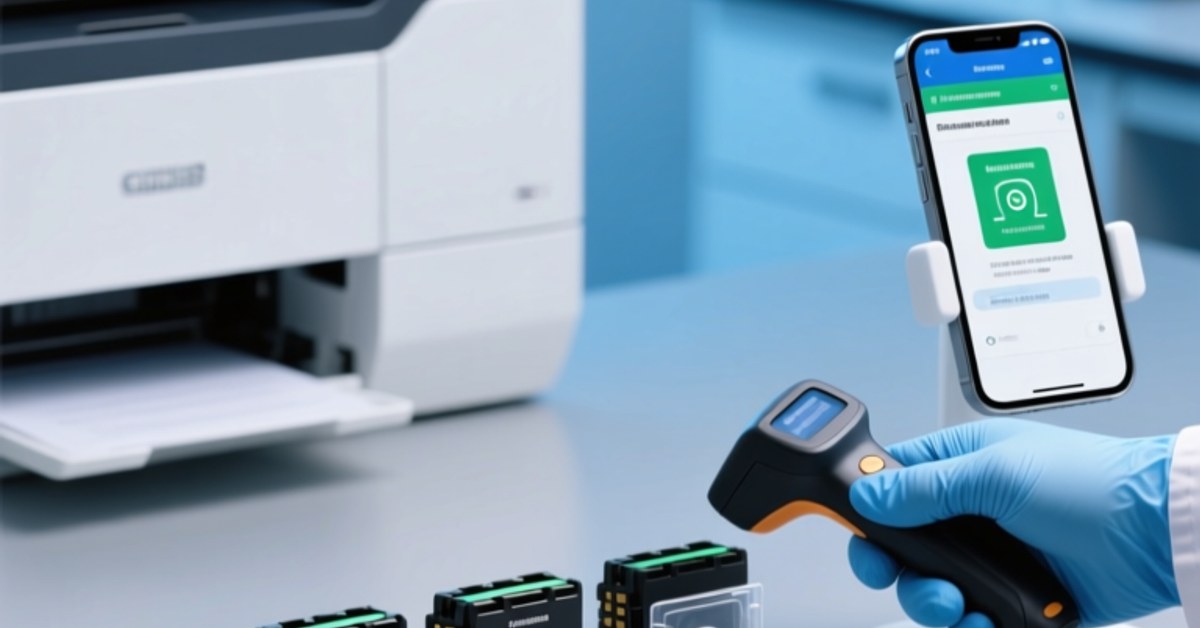
Contrairement aux codes-barres traditionnels qui offrent des informations statiques, un Puce NFC intégré dans une étiquette, étiquette volante, ou un bracelet transforme chaque smartphone en un puissant outil de traçabilité. Il ne s’agit pas simplement d’une mise à niveau technologique; c'est le fondement d'un système transparent, digne de confiance, et une chaîne d'approvisionnement prête à être réglementée. Après des années de déploiement Solutions NFC à l'échelle mondiale, Applications de passeport produit numérique de NFCWORK démontrer exactement comment cette transformation se produit.
Comprendre le passeport produit numérique (DPP)
Un passeport produit numérique est un enregistrement numérique qui accompagne un produit tout au long de son cycle de vie.. Il comprend généralement:
- Identification unique du produit et informations sur le lot
- Composition matérielle et origine des matières premières
- Dates de fabrication, emplacements, et certifications
- Données sur la consommation d’énergie et l’empreinte carbone
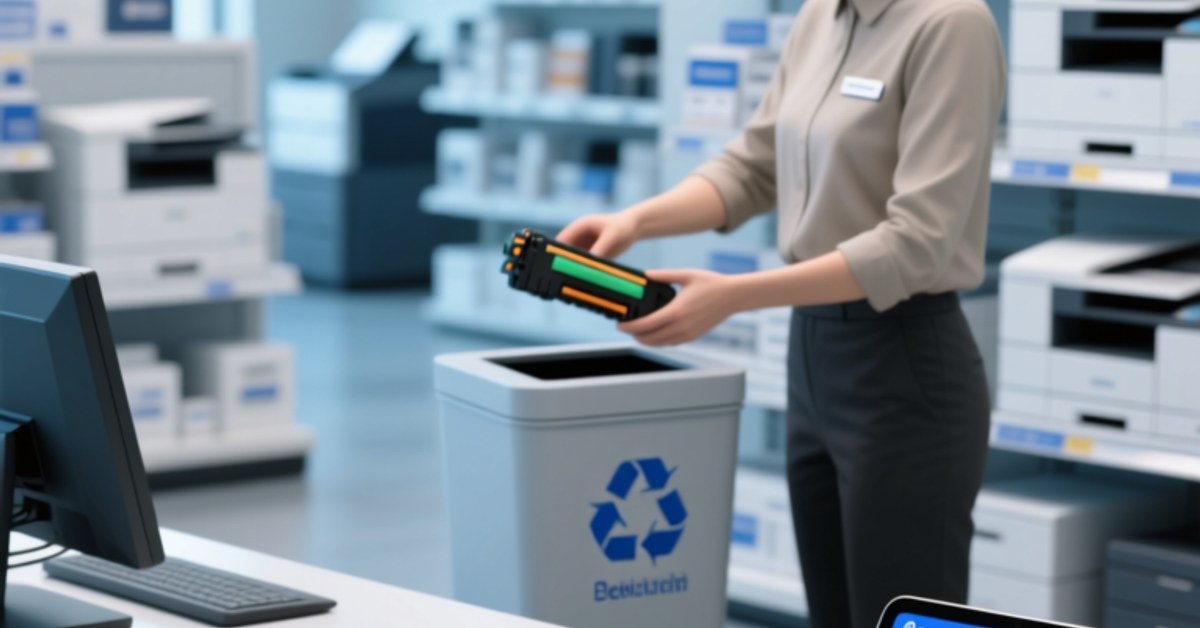
- Réparation, recyclage, et instructions de fin de vie
- Preuve d'authenticité et chaîne de traçabilité
Le DPP est conçu pour soutenir les objectifs d’économie circulaire en facilitant la réparation, remettre à neuf, ou recycler les produits. Pour les consommateurs, il fournit une source fiable d'informations sur les produits. Pour les régulateurs, il assure la surveillance du marché et le respect des règles. Et pour les marques, un DPP bien mis en œuvre crée un canal direct pour communiquer les références en matière de durabilité et engager l'après-vente.
Le règlement européen ESPR: Ce que les entreprises doivent savoir
Le Écoconception pour la réglementation des produits durables (ESPR), qui est entré en vigueur en juillet 2024, étend fondamentalement la portée des règles européennes d’écoconception au-delà des produits liés à l’énergie. Il habilite la Commission européenne à adopter des actes délégués rendant obligatoires les DPP pour des groupes de produits spécifiques.. La première vague devrait cibler:
>
| Catégorie de produits | Exigences prévues du DPP | Chronologie probable |
|---|---|---|
| Textiles et chaussures | Composition des matériaux, contenu recyclé, instructions d'entretien, métriques de circularité | 2026–2027 |
| Piles (couvert par un règlement sur les batteries distinct) | Empreinte carbone, matériaux recyclés, diligence raisonnable de la chaîne d’approvisionnement, état de santé | Depuis 2026 |
| Electronique grand public et TIC | Efficacité énergétique, score de réparabilité, substances dangereuses, mises à jour du micrologiciel | 2027 en avant |
| Meubles et produits de construction | Traçabilité des matières, émissions dans l’air intérieur, informations sur une utilisation sûre | 2028+ |
Le non-respect peut bloquer l’accès au marché, perturber les exportations, et nuire à la valeur de la marque. Le règlement exige que les données DPP soient accessibles via un support de données, le plus souvent un Code QR ou Étiquette NFC-et lié à l'identifiant unique du produit. C’est là que les avantages du NFC deviennent décisifs.
Pourquoi NFC est le support de données idéal pour les passeports de produits numériques
Alors que les codes QR ont été largement adoptés pour les informations sur les produits, NFC offre plusieurs avantages critiques dans un contexte DPP:
- Inviolable et sécurisé cryptographiquement: Puces NFC comme NTAG 424 DNA ou ICODE DNA prennent en charge l'authentification mutuelle et les données cryptées. Une simple analyse vérifie la provenance et détecte le clonage, crucial pour les produits de luxe, médicaments, et pièces automobiles incluses dans le solution d'authentification d'articles de luxe.
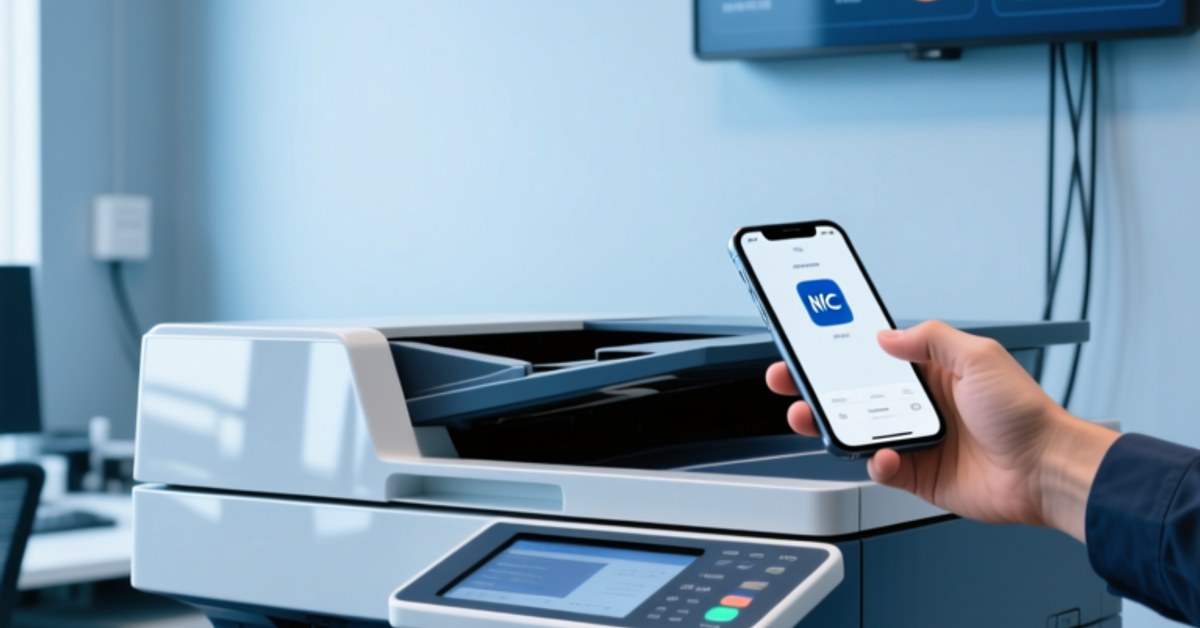
- Expérience hors ligne vers en ligne sans application: Une simple pression sur un smartphone compatible NFC lance l'interface DPP via un lien Web; aucun téléchargement d'application spéciale n'est requis, réduire les frictions pour les consommateurs et les régulateurs.
- Mises à jour dynamiques des données: Avec les plateformes NFC connectées, l'ensemble de données derrière une balise peut être mis à jour tout au long du cycle de vie du produit en ajoutant des enregistrements de service, transferts de propriété, ou historique de remise à neuf, tandis que l'étiquette physique reste la même.
- Intégration profonde avec l'infrastructure RFID existante: De nombreuses chaînes d'approvisionnement utilisent déjà la RFID UHF pour les palettes- et suivi au niveau du dossier. Les balises NFC servent de complément au niveau de l'article, s'appuyer sur la même architecture d'entreprise. RFIDHYle large portefeuille de Étiquettes et lecteurs RFID UHF démontre le potentiel d’interopérabilité.
La traçabilité basée sur NFC en action: De l’usine au consommateur final
Imaginez une marque de mode européenne produisant un manteau dans sa chaîne d'approvisionnement asiatique.. À l'usine de fabrication, un Incrustation NFC est intégré à l'étiquette d'entretien. L'ID unique de la balise est lié à un DPP basé sur le cloud contenant:
- Certificat d'approvisionnement en coton biologique de la coopérative agricole
- Détails du processus de teinture et de finition, y compris la conformité du traitement de l’eau
- Rapports d'audit d'usine et certificats de conformité sociale
- Documents d'expédition et empreinte carbone par étape de transport
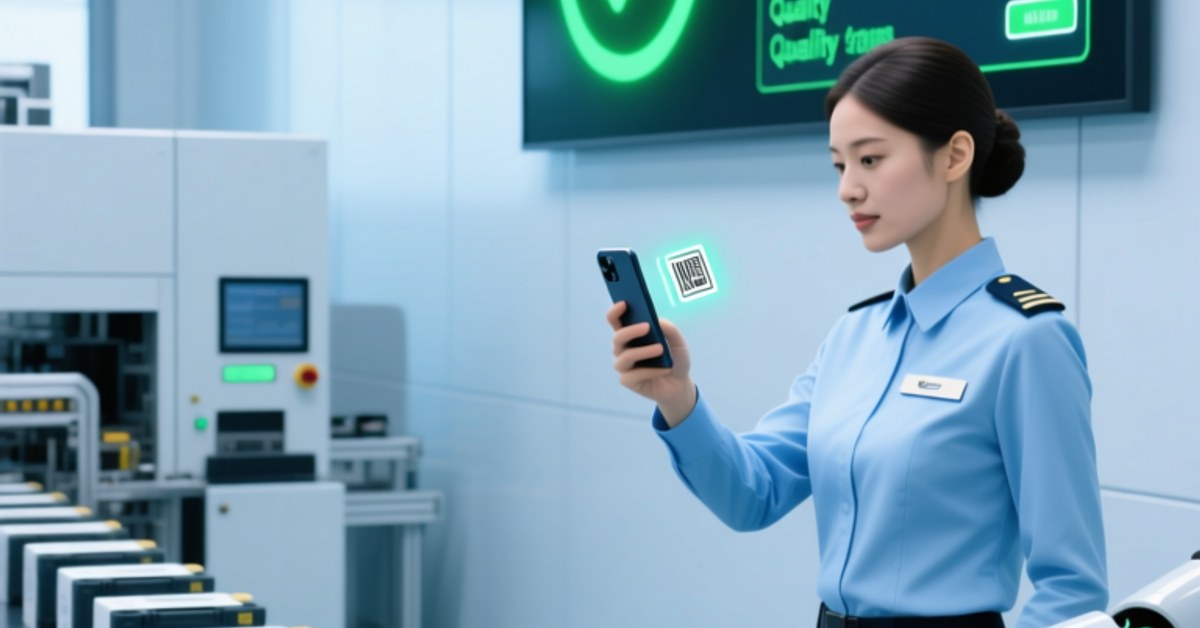
Quand le manteau arrive au centre de distribution européen, un lecteur NFC portable scanne les envois entrants, mise à jour du DPP avec un horodatage « reçu » et déclenchement de contrôles qualité automatisés. Au magasin de détail, un vendeur tapote le manteau avec un smartphone pour montrer à un client l'histoire complète de la provenance, établir la confiance. Après l'achat, le client peut appuyer sur son propre téléphone pour vérifier l'authenticité, consulter les instructions d'entretien, ou trouvez le point de réparation le plus proche grâce au programme de circularité de la marque.
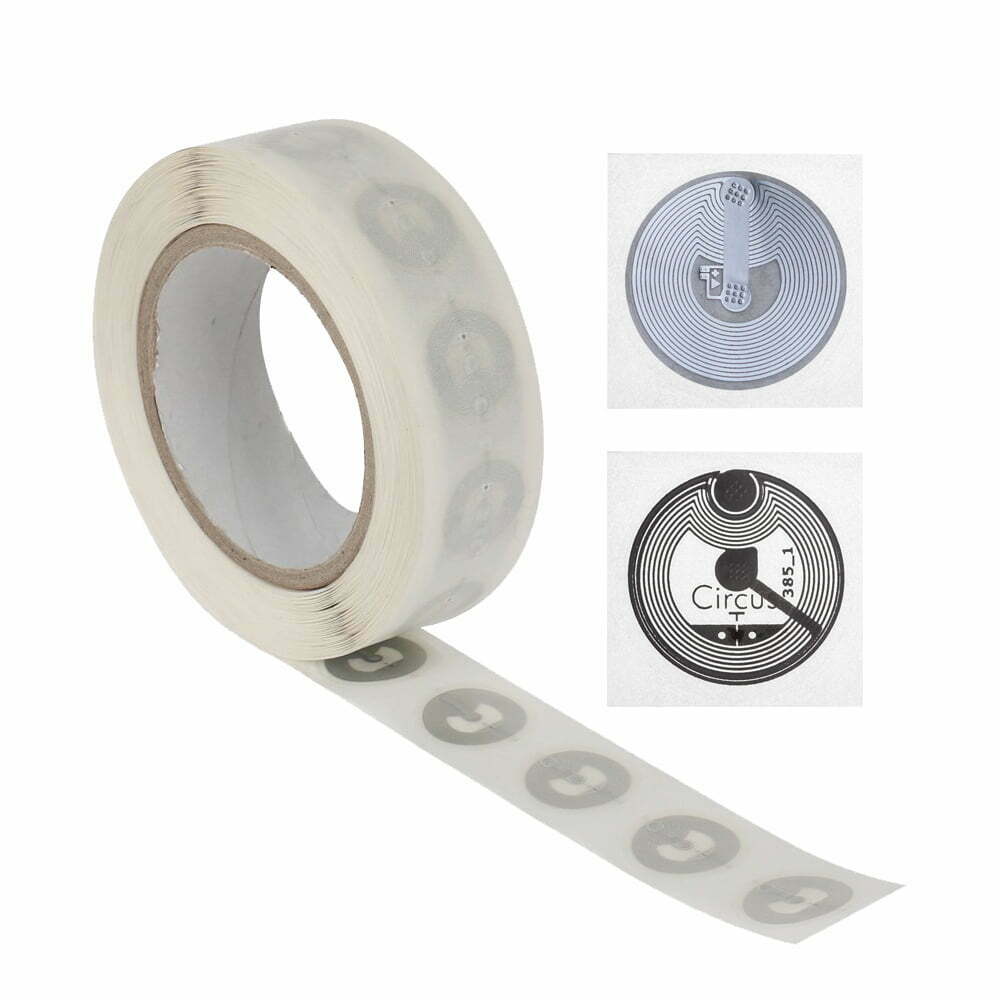
Ce niveau de transparence n’est plus une vision lointaine. Utilisation de la gamme de NFCWORK Balises NFC, Autocollants NFC, et incrustations NFC—disponibles sous différents formats, de l'étiquette à la résistance aux métaux—les marques peuvent mettre en œuvre une traçabilité granulaire qui satisfait à la fois aux obligations ESPR et aux attentes des consommateurs..
Plan de mise en œuvre d'une solution de passeport produit numérique basée sur NFC
La création d'un système DPP compatible NFC nécessite une approche structurée. Voici un cadre pratique:
Étape 1: Sélectionnez le bon matériel NFC
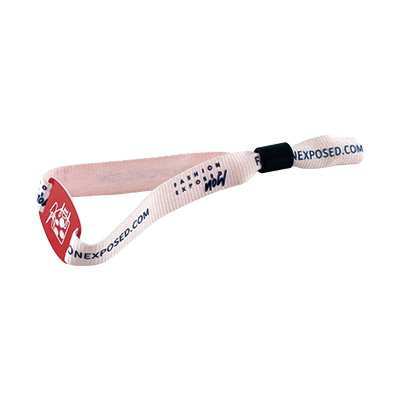
La sélection des étiquettes dépend de la surface du produit, environnement d'utilisation, et exigences en matière de données. NFCWORK fournit des tags NFC compatibles avec NTAG 213, 215, 216, et série ADN. Pour le textile, flexible Incrustations humides NFC ou Étiquettes de blanchisserie NFC résister aux lavages répétés. Pour les appareils électroniques ou métalliques, Les étiquettes NFC anti-métal garantissent des performances fiables. Bracelets NFC ou bracelets en silicone travailler pour des produits portables qui prennent également en charge le contrôle d'accès ou l'engagement - une capacité détaillée dans notre Identification portable intelligente page.
Étape 2: Encoder et lier l'identité unique
Chaque balise reçoit un numéro de série unique et une URL signée pointant vers l'enregistrement DPP. Utiliser des solutions d'encodage NFC, l'identité est verrouillée ou laissée réinscriptible selon le modèle de sécurité. Pour les biens de grande valeur, nous recommandons les balises de la série DNA avec authentification cryptographique unique, s'assurer que chaque vérification génère une signature unique impossible à cloner par les contrefacteurs.
Étape 3: Concevoir l'architecture des données
Le backend DPP doit adhérer aux normes émergentes de l’UE concernant les supports de données et les modèles de données.. Une pile typique implique une plateforme cloud avec un accès basé sur les rôles: les consommateurs voient les informations publiques, les régulateurs accèdent aux données de conformité, et les partenaires de service agréés récupèrent les détails de la réparation. Intégration avec l'ERP d'entreprise, PLM, et journalisation blockchain (comme exploré dans NFC et Blockchain: La synergie pour une traçabilité incassable) garantit l’intégrité des données et l’immuabilité à long terme.
Étape 4: Gérer l'interaction multipartite
Nous vous conseillons de cartographier l'ensemble du voyage: encodage d'usine, points d'analyse logistique, expérience de vente au détail, service après-vente, et recyclage en fin de vie. Les portes NFC et les appareils portables aux nœuds clés peuvent automatiser la capture de données et minimiser la saisie manuelle.. Pour les parties prenantes non compatibles NFC téléphones intelligents, une variante de code QR imprimée à côté de l'antenne NFC offre une solution de secours sans rompre la liaison de données.
Étape 5: Favoriser l’engagement des consommateurs et la fidélité à la marque
Au-delà de la conformité, le NFC DPP ouvre la voie à une véritable connexion client. Un simple clic peut déclencher des programmes de fidélité, offres personnalisées, ou la narration de la marque, le tout pendant que le consommateur garde le contrôle de ses données. Cela correspond au virage « phygital » évoqué dans notre article précédent sur faire le lien entre le physique et le numérique, transformer un outil réglementaire en un atout marketing.
Surmonter les défis courants de mise en œuvre
Les entreprises s'inquiètent souvent du coût, durabilité, et évolutivité. Basé sur l’expérience de NFCWORK dans plusieurs secteurs, voici les principales mesures d'atténuation:
- Coût par unité: Le prix des tags NFC standards a considérablement baissé dans les volumes élevés; pour les produits haut de gamme, la valeur ajoutée en matière de protection et de conformité de la marque dépasse de loin le coût du matériel. Les options de vente en gros via notre gamme de produits garantissent un approvisionnement économique.
- Durabilité: Pour les applications industrielles et extérieures, Des étiquettes NFC avec des propriétés imperméables et résistantes à la chaleur sont disponibles, similaire aux solutions robustes discutées dans notre Guide de durabilité des balises NFC.
- Normes mondiales et interopérabilité: Les balises NFC sont conformes à la norme ISO/IEC 14443 et spécifications du forum NFC, assurer l'interopérabilité entre tous les appareils compatibles NFC téléphones intelligents mondial. RFIDHYLes solutions RFID de s'intègrent également de manière transparente lorsqu'un suivi RFID en masse est nécessaire en amont.
L'analyse de rentabilisation: Du fardeau réglementaire à l’avantage stratégique
Les premiers utilisateurs des passeports de produits numériques NFC ne se contentent pas de cocher une case : ils construisent une relation riche en données avec les clients et les régulateurs.. Une chaîne d'approvisionnement transparente réduit la fraude à la garantie, simplifie les rappels, et ouvre des tarifs premium justifiés par une durabilité vérifiée. À une époque où 57% des consommateurs de l’UE se déclarent prêts à modifier leurs habitudes d’achat pour réduire l’impact environnemental (Commission européenne, 2023), une étiquette Tap-to-Verify devient un différenciateur au point de vente.
De plus, l’infrastructure DPP alimente directement les objectifs de reporting ESG et de circularité. Des enregistrements détaillés des matériaux facilitent grandement le démontage des produits en vue de leur réutilisation, une pierre angulaire du plan d’action de l’UE pour l’économie circulaire. L’expertise de NFCWORK en Authentification du produit NFC et Solutions de chaîne d'approvisionnement RFID nous positionne comme partenaire stratégique de cette transformation.
À l’approche des échéances réglementaires, Les entreprises européennes sont confrontées à un choix clair: traiter le DPP comme un exercice de documentation, ou exploitez-le comme l'épine dorsale d'un transparent, digne de confiance, et une chaîne d'approvisionnement numérique. La technologie NFC rend cela non seulement possible, mais pratique aujourd'hui.
FAQ
Qu'est-ce qu'un passeport produit numérique exactement?
Un passeport produit numérique (DPP) est un enregistrement numérique structuré qui stocke des données complètes sur le cycle de vie d'un produit, depuis les matières premières et la fabrication jusqu'aux conseils d'utilisation et aux instructions de recyclage.. Exigé par le règlement ESPR de l’UE, le DPP contribue à améliorer la transparence, circularité, et conformité dans l’ensemble des chaînes d’approvisionnement.
Comment fonctionne une balise NFC comme support de données DPP?
Une balise NFC contient une URL unique ou un identifiant cryptographique. Lorsqu'un consommateur, détaillant, ou le régulateur tape l'étiquette avec un smartphone compatible NFC, il récupère instantanément le DPP du produit depuis une plateforme cloud sécurisée. Aucune application n'est nécessaire. Balises avancées comme NTAG 424 L'ADN fournit également une authentification inviolable pour vérifier l'authenticité du produit..
Quels produits NFC propose NFCWORK pour la mise en œuvre de DPP?
NFCWORK propose une gamme complète de matériel NFC conçu pour les passeports de produits numériques, y compris des incrustations humides NFC flexibles, robuste Autocollants NFC, tags NFC anti-métal, Étiquettes de blanchisserie NFC pour textiles, et Bracelets NFC pour les articles portables. Toutes les balises sont disponibles avec prise en charge du codage NDEF et options cryptographiques pour une authentification haute sécurité.
Quand l’UE exigera-t-elle des passeports de produits numériques?
Les exigences seront introduites progressivement par catégorie de produits via des actes délégués. Les batteries constituent la première catégorie du nouveau règlement sur les batteries, avec des éléments DPP commençant par 2026. Textiles, électronique, et les meubles devraient suivre entre 2027 et 2030. Se préparer dès maintenant garantit une transition en douceur et un avantage concurrentiel précoce.
Les étiquettes NFC peuvent-elles résister aux conditions difficiles de la chaîne d'approvisionnement?
Oui. Les étiquettes NFC de qualité industrielle sont disponibles en version étanche, résistant à la chaleur, et formats anti-métal. Par exemple, Les étiquettes de blanchisserie NFC survivent à des centaines de cycles de lavage, et les étiquettes anti-métal conservent la lisibilité lorsqu'elles sont fixées directement sur des surfaces métalliques dans des environnements logistiques ou de fabrication.
Prêt à créer votre passeport produit alimenté par NFC?
NFCWORK combine une expertise approfondie en ingénierie d'étiquettes avec une expérience de déploiement réel dans le secteur textile, électronique, et industries du luxe. Que vous exploriez un projet pilote ou que vous étendiez le DPP à l'ensemble d'une chaîne d'approvisionnement mondiale, notre équipe peut vous aider à sélectionner le bon facteur de forme NFC, encoder des identités sécurisées, et intégrez-vous à votre plateforme de données.
Ou explorez notre gamme complète de Produits et solutions NFC pour trouver le tag idéal pour votre application.