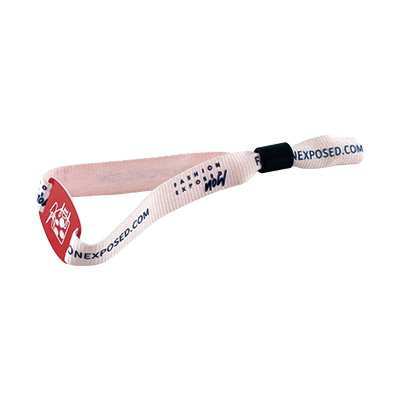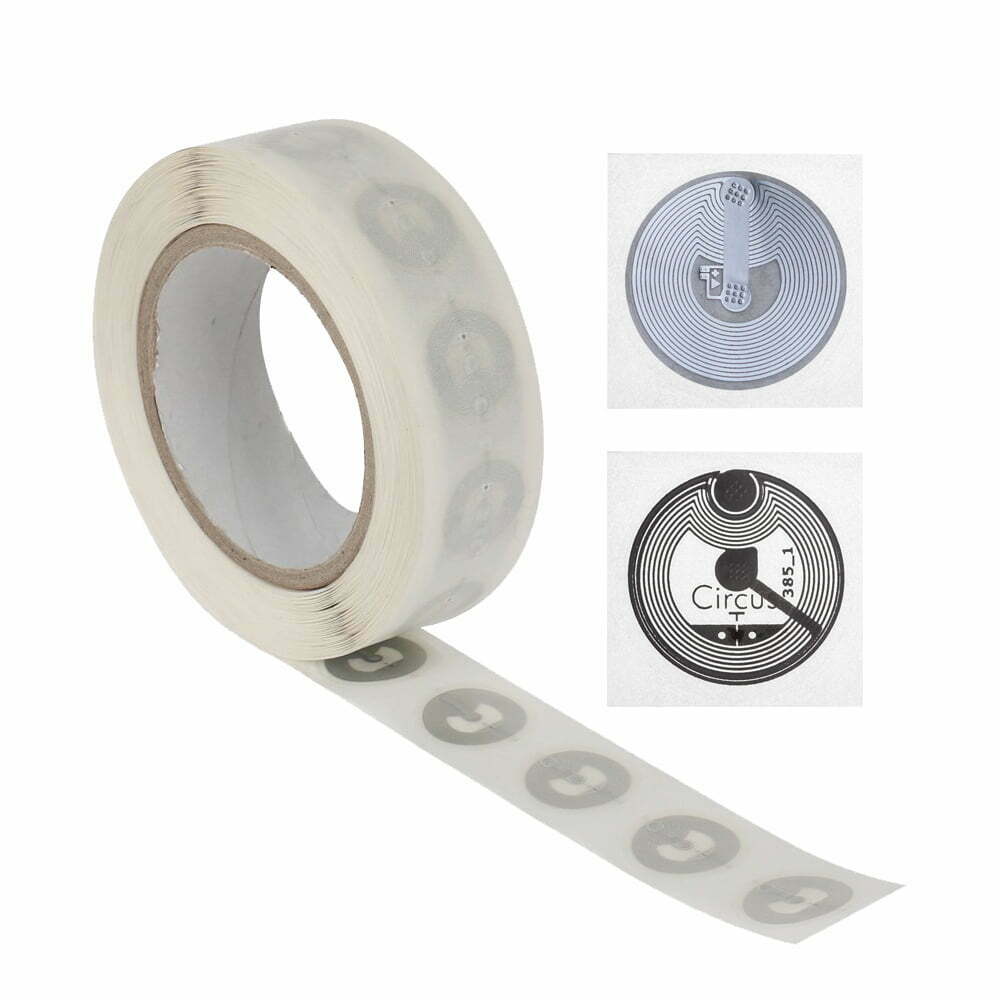
Guidé par le règlement européen sur l’écoconception durable (ESPR), Passeports de produits numériques (Dpps) deviennent une pratique courante dans l’industrie du textile et de l’habillement. Dans cette transformation numérique, Étiquettes RFID ne sont pas seulement un outil d'inventaire mais aussi un lien crucial reliant les produits physiques aux informations du jumeau numérique.
De la production à la vente au détail: Une transparence indispensable
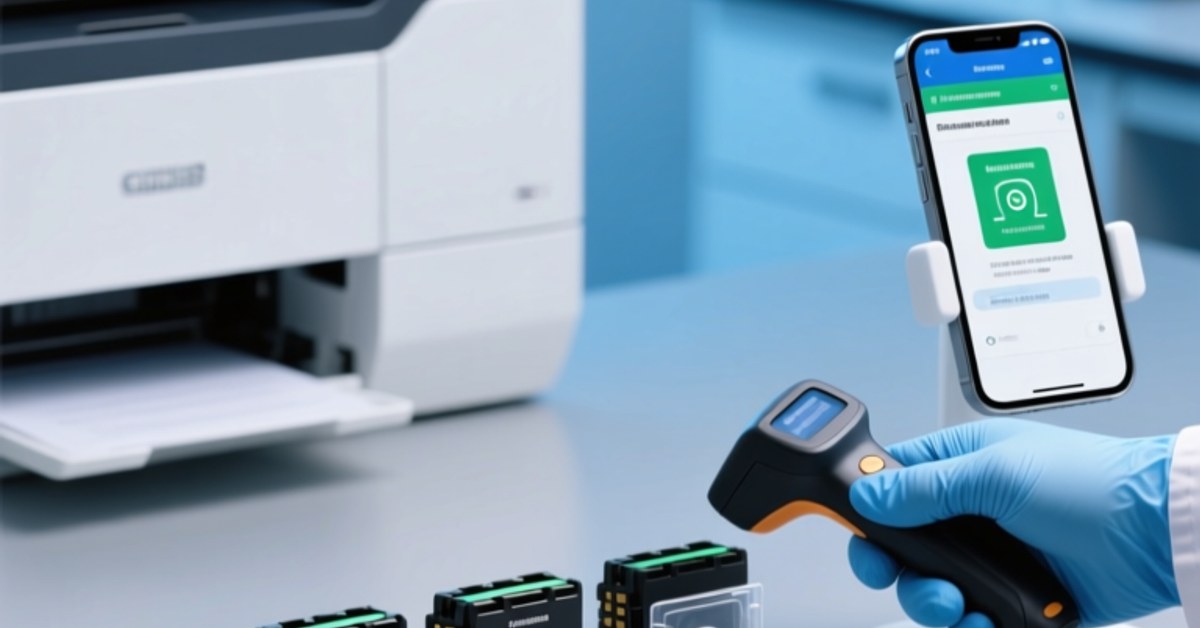
Au stade de la production, Étiquettes RFID pour vêtements donner à chaque article une identité numérique unique au monde. Selon les données de McKinsey, le déploiement de la RFID peut augmenter la précision des stocks d'une moyenne de 65% à plus 95% et réduisez les taux de rupture de stock jusqu'à 50%. En tant que principal fournisseur de solutions, RFIDHYLes puces UHF d' enregistrent l'origine des matières premières, techniques de traitement, et données d'empreinte carbone en temps réel, assurer le respect et l'autorité des DPP information.
Pénétrer le “Boîte noire” Après consommation: Le fondement de l’économie circulaire
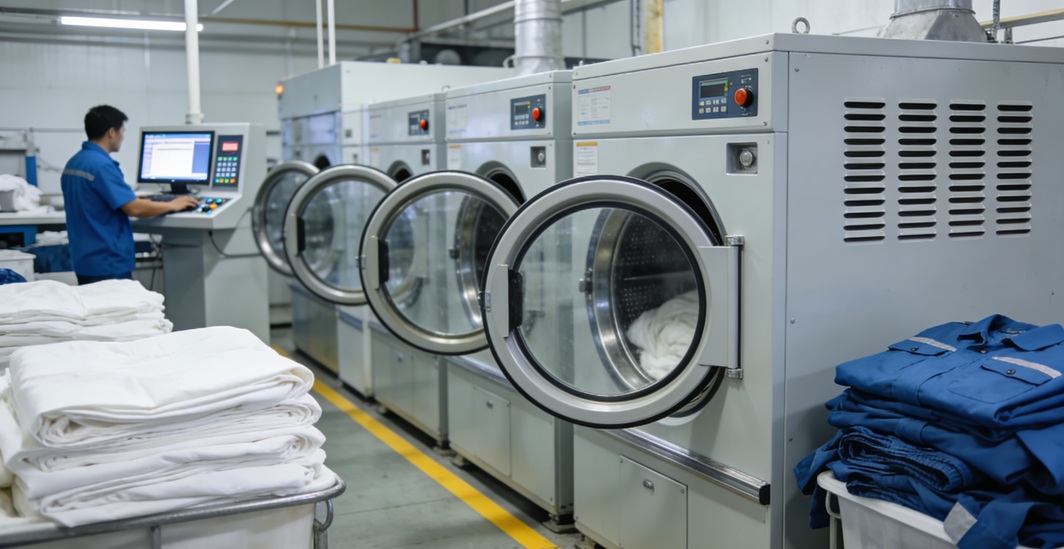
Le principal défi de DPP consiste à identifier les vêtements après leur entrée dans le processus de recyclage. Les étiquettes en papier ordinaires se perdent facilement, tout en étant performant Étiquettes de blanchisserie RFID peut être intégré dans les coutures des vêtements et résister à 200 lavages industriels. Cela signifie que lorsqu'un vieux vêtement entre dans une déchetterie, le système de tri peut lire instantanément sa composition en fibres (Par exemple, 60% coton + 40% polyester) et informations sur le pays d'origine via des étiquettes de suivi RFID. Selon les statistiques de la Fédération chinoise du recyclage des textiles, un tri automatisé précis peut augmenter la valeur des matériaux recyclés d'environ 20%-30%.
Pourquoi choisir RFIDHY pour soutenir votre stratégie DPP?
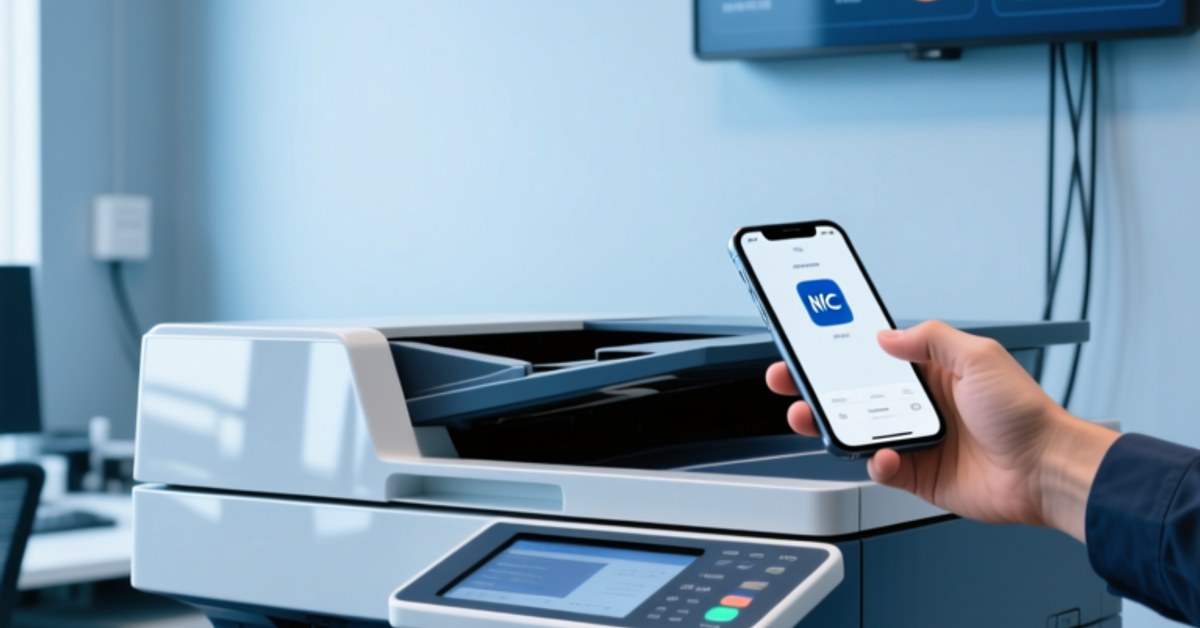
La gestion complète du cycle de vie des textiles nécessite un matériel extrêmement stable. RFIDHYLes étiquettes spécialisées de développées pour l'industrie textile répondent aux normes internationales en termes de résistance à la température, résistance à la pression, et sensibilité du signal. Que ce soit pour des contrôles rapides d'inventaire à l'aide Étiquette RFID lecteurs dans le commerce de détail ou pour les systèmes de suivi RFID dans la logistique, RFIDHY fournit un support de conformité de bout en bout.
En résumé, La technologie RFID est la meilleure solution technique pour mettre en œuvre la productivité numérique (DPP). Il prolonge le “identification numérique” d'un vêtement de l'usine à la brocante et aux déchetteries. En appliquant Autocollants RFID pour l'inventaire et les balises intégrées, les marques peuvent non seulement répondre aux exigences réglementaires, mais également créer une boucle fermée véritablement fiable et écologique..
Pour plus d'informations,s'il te plaît Contactez-nous.