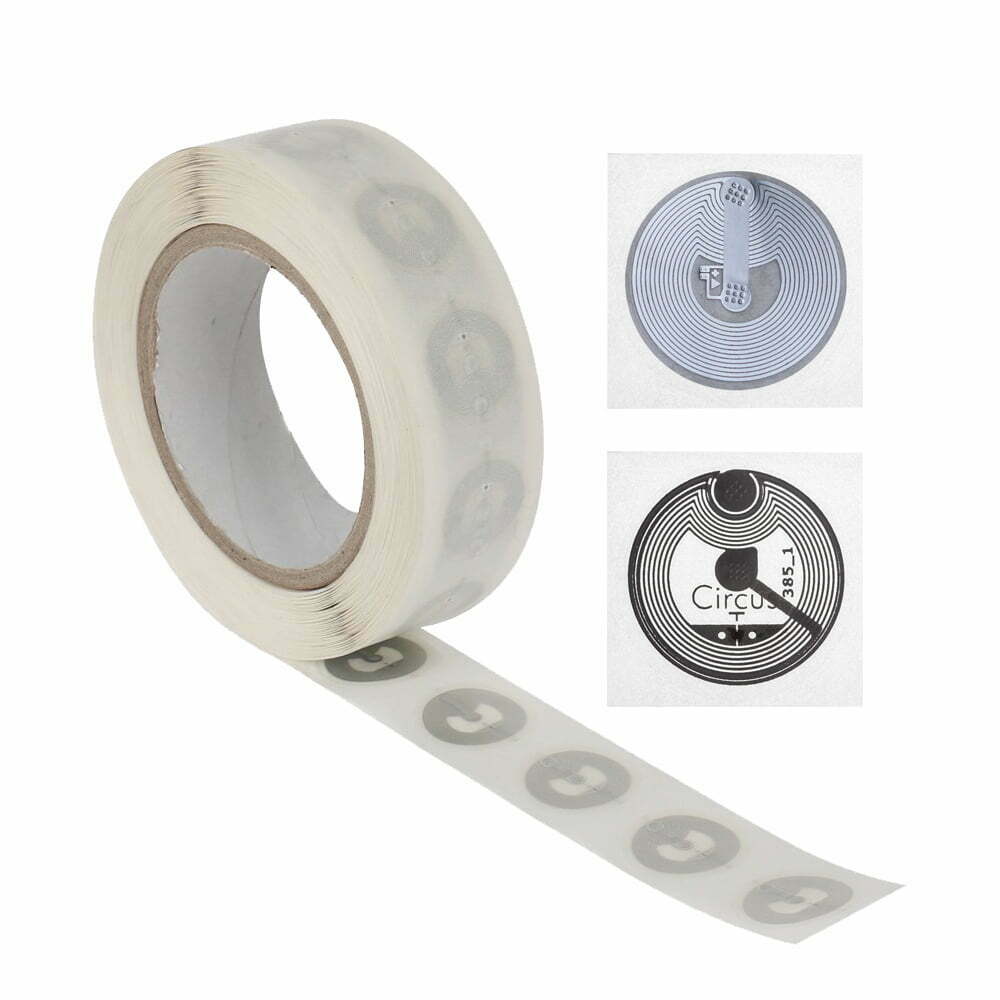
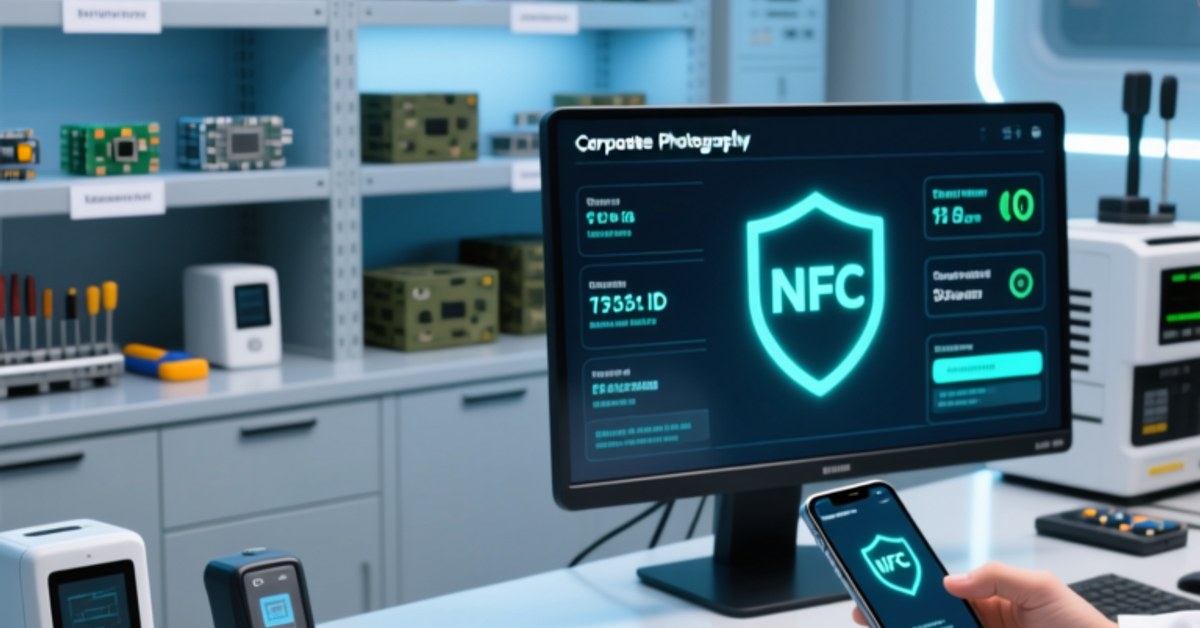
FSMA 204 requires Chinese food exporters to supply key data elements for listed foods at each critical tracking event, so that the US importer can produce a traceability lot code and a complete chain of records within a short timeframe. Balises NFC provide a physical anchor for those records: a tag on a case, pallet or reusable container resolves to the KDE dataset for that lot, covering source, harvest or production date, transformation events and shipping. NFC is especially useful where labels get wet, dirty or hidden inside stacked pallets.
The rule is record-driven rather than technology-driven. It specifies which data must be captured and shared, not how it must be carried. Exporters who can deliver clean, lot-level electronic records reduce the chance of a shipment being held while an importer reconstructs paper documents.
Chinese suppliers of produce, seafood, dairy and processed ingredients often sit at the first critical tracking event. Getting the lot identifier right at source determines whether everything downstream can be linked. The farm-to-fork model in farm-to-fork traceability describes the same pattern.
FSMA 204 Key Data Elements Exporters Must Supply
For foods on the Food Traceability List, records must link a traceability lot code to specific critical tracking events such as harvesting, cooling, packing, transformation and shipping. The importer must be able to assemble the chain quickly on request.
What Belongs in the Record
Typical fields include the traceability lot code, source location, harvest or production date, cooling and packing events, transformation links to new lot codes, quantity and unit of measure, and shipping reference. Le DPP-based approach in EU food safety DPP shows how these fields attach to a physical lot identifier.
- Traceability lot code assigned at the originating event.
- Source location and harvest or production date.
- Cooling, packing and initial transformation events.
- Links between input and output lot codes after transformation.
- Quantity, unit of measure and shipment references.
Where NFC Tags Fit the Traceability Chain
A tag on a case or pallet does not replace the electronic record. It makes the record physically verifiable at handover, so a receiving clerk can tap a pallet and confirm the lot code matches the advance shipping notice.
| Event | NFC role | Données capturées |
|---|---|---|
| Harvest / receiving | Tag assigned to incoming lot | Source location, date, quantité |
| Cooling / packing | Tap at each transformation | Lot code, packing line, horodatage |
| Cold storage | Read without line-of-sight | Temperature log, storage location |
| Export consolidation | Pallet-level read | ID du conteneur, shipment reference |
| US receiving | Tap to reconcile ASN | Importer verification, exception flag |
Cold Chain and Sensor Extensions
For temperature-sensitive products, NFC sensor labels can record excursions during storage and transport. That evidence is useful both for compliance and for resolving spoilage disputes, and it is difficult to achieve with a static printed code.
Durability in Wet and Cold Environments
Use encapsulated tags rated for condensation, washdown and low temperature, and validate read range through stacked, wrapped pallets. Guidance in food security NFC tags covers DPP requirements in food safety contexts.
- Select encapsulated or hard tags for wet, cold and washdown conditions.
- Validate reads through stretch wrap and stacked pallets.
- Define a fallback for unreadable tags at receiving.
- Keep the tag a stable key; store the full KDE dataset in the record.
- Agree lot-code formats with the US importer before shipping.
Practical Rollout for a Chinese Exporter
Begin with one product line and one importer. Map the critical tracking events in your process, assign the lot code at the earliest point, and confirm the importer can consume the data you export.
Treat It as Data Discipline First
Most failures are data hygiene problems rather than tag problems: inconsistent lot codes, missing transformation links, or records that exist only on paper. NFC helps where the physical-digital link breaks, but the record itself must be clean.
Exporters that deliver structured, machine-readable records become easier to buy from, which is a commercial advantage beyond the regulatory obligation.
FAQ
Does FSMA 204 require NFC tags?
Non. It requires key data elements and traceability records for listed foods. NFC is a data carrier that strengthens the physical-to-digital link at handover points.
Which Chinese food exports are affected?
Foods on the FDA Food Traceability List, including many fresh produce, seafood, dairy and certain processed items. Confirm whether your specific product is listed with your US importer.
What is a traceability lot code?
A code assigned to a lot at a critical tracking event, used to link all subsequent records for that lot through the supply chain. It should be assigned at the earliest applicable event.
Can NFC sensor labels record temperature excursions?
Oui. Temperature-logging Balises NFC can capture excursion evidence during storage and transport, useful for both compliance and spoilage disputes.
What happens if a tag cannot be read at receiving?
Define a documented exception process with the importer, such as a printed fallback code and manual reconciliation. The electronic record remains authoritative.
Build FSMA 204-Ready Traceability Records
NFCWORK Technology fournit des balises NFC, encapsulated HF inlays, temperature-sensing labels and handheld readers for food and beverage traceability. We can help you map critical tracking events and validate tag reads in cold, wet conditions.
Contactez-nous pour discuter de vos besoins, ou explorez notre Produits NFC et solutions.