Counterfeit power adapters, charging cables, wireless earbuds, and other add-on electronics are one of the most persistent consumer safety problems in the modern marketplace. A fake charger can look almost identical to the genuine product, yet it may lack the electrical isolation, overvoltage protection, thermal controls, and certified components that make an adapter safe to leave plugged in. Consumers rarely have the tools or experience needed to inspect internal circuitry, which is why the accessory packaging and the product itself need a better form of evidence.
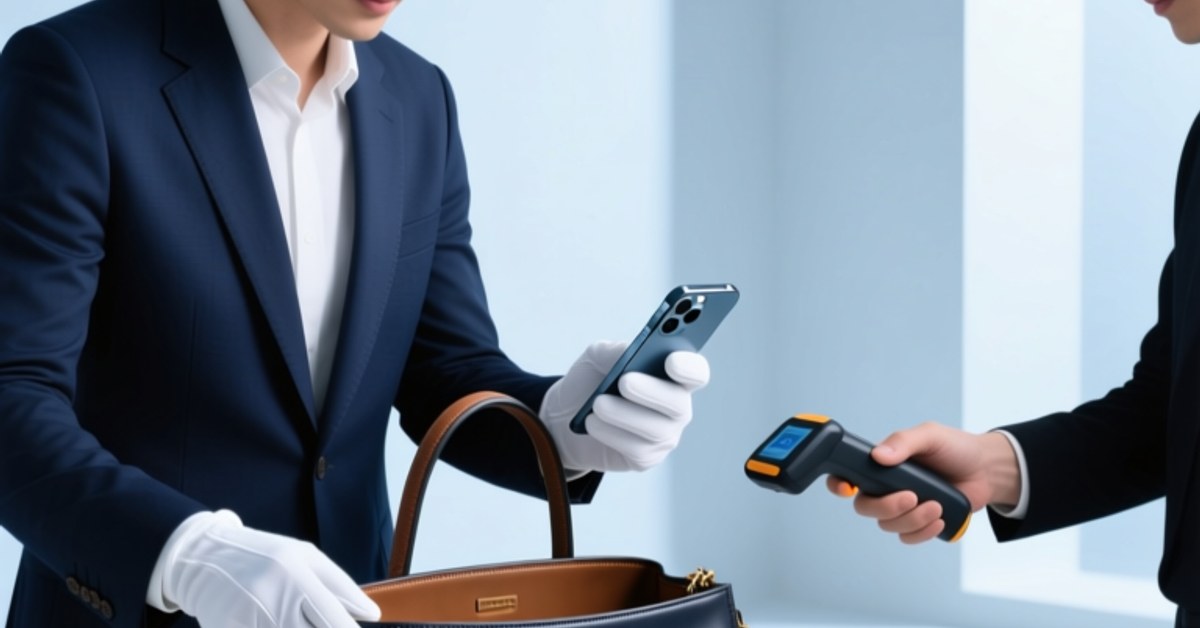
NFC authentication provides that evidence by connecting the physical item to a trusted digital record. Consumer electronics accessory brands, OEMs, retailers, and marketplaces can use the same tap-to-verify capability proven in Luxury items authentication and increasingly deployed through Digital Product Passport programs. The result is a repeatable, app-friendly way for a consumer to know that a charger, cable, or pair of earbuds is authentic before they connect it to a valuable device or a household power outlet.
Why Counterfeit Chargers and Cables Are a Consumer Safety Issue
Counterfeit electronics accessories are not simply lower-quality copies. In many cases they are designed without the protective circuits that certified chargers rely on. A genuine charger has controlled current output, insulation barriers, thermal fuses, and flame-retardant materials. A counterfeit may omit most of these safeguards to reduce cost, creating immediate risk for the consumer and the device being charged.
- Fire hazards from missing thermal fuses, undersized wires, and poor heat dissipation
- Electric shock risks caused by inadequate isolation between the mains side and the low-voltage side
- Battery damage from unstable voltage and incorrect charging profiles, especially in earbud cases
- False safety marks that make consumers believe the product has passed laboratory testing
Charger safety verification, therefore, cannot rely only on the outer appearance of the plug or the printed packaging. A counterfeit charger NFC check gives consumers a simple security checkpoint: scan the device or its package and receive an immediate, meaningful result. This is especially valuable for accessories bought online, where the buyer only sees the product after it has already been shipped and opened.
Why Brands Need More Than a Hologram
Holograms, serial numbers, and QR codes have all been used to fight counterfeit accessories. Each has a weakness. Holograms are increasingly easy to imitate, serial numbers can be copied from one box to many, and QR codes are static by default. An NFC tag can be read more conveniently than a QR code and can be embedded inside a product rather than printed only on the outside. When paired with a central identity service, NFC authentication allows each unit to have its own unique digital history. That is what makes fake accessories authentication more difficult and more transparent for consumers.
How NFC Authentication Supports Electronics Accessories Brand Protection
An NFC-based electronics accessories brand protection program begins at the point of manufacture. During assembly or packaging, the brand applies an NFC tag, NFC sticker, or NFC inlay to the product. Every tag carries an identifier that is recorded in a secure database and linked to product details such as model number, manufacturing date, batch, and shipping destination.
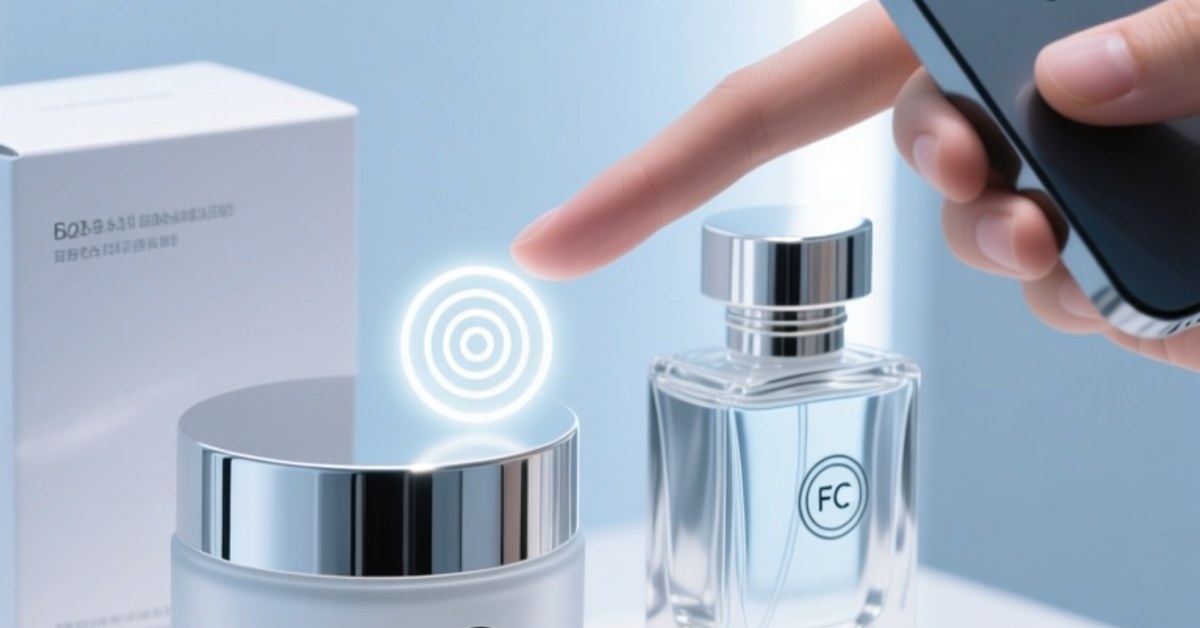
When a consumer taps the accessory with an NFC-enabled smartphone, the phone opens a verification page. The page can display a simple authentic status, product description, warranty information, or safety instructions. Because the consumer does not need to download a proprietary app, the friction of authentication remains very low. An NFC authentication system can also be designed with unique identifiers and status flags that change over time, which makes it harder for counterfeits to pass the same check repeatedly.
Packaging Seal and Inline Tag Options for Accessory Brands
One of the first design decisions is where to place the NFC tag. Both packaging seals and inline tags have an important role in protecting consumers. In many accessory launches, the strongest program uses both: a seal labelled NFC tag on the outside for pre-purchase verification, and an inline tag inside the product for post-purchase services and long-term authentication.
Packaging Seal NFC Labels for Retail and E-Commerce
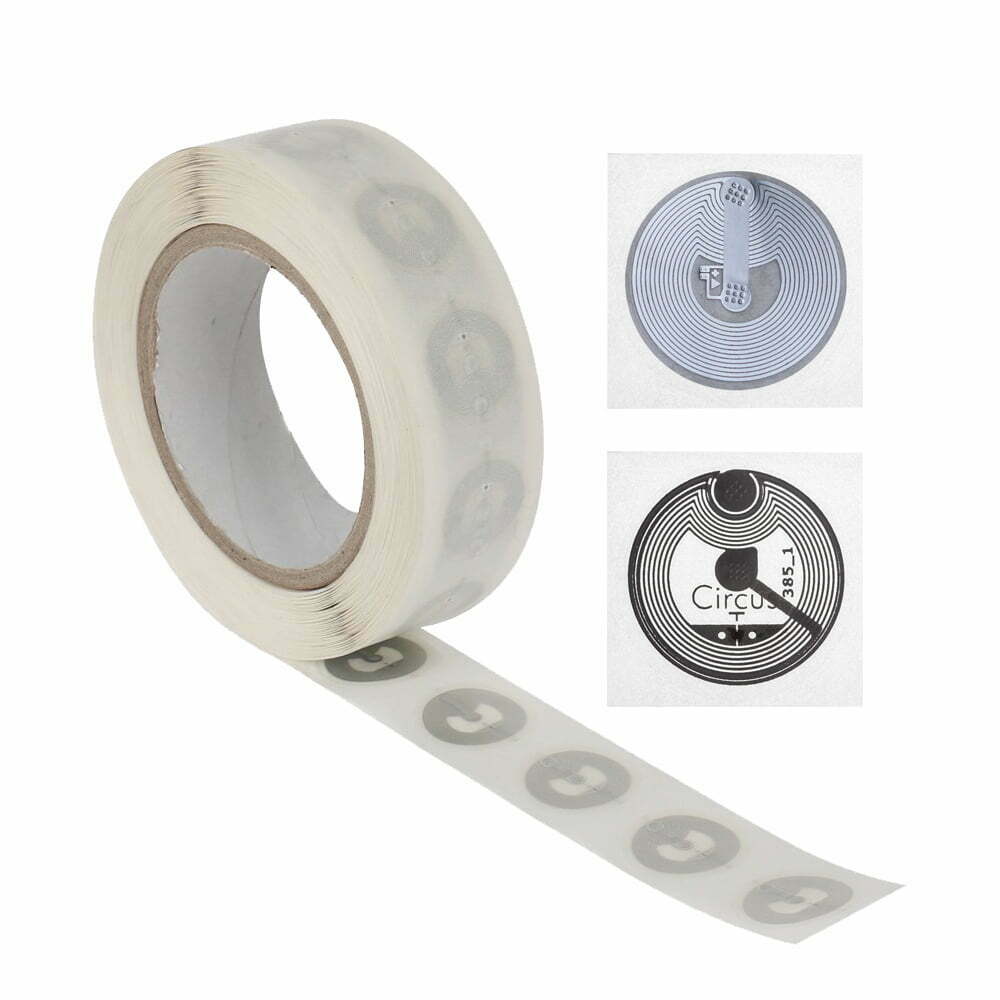
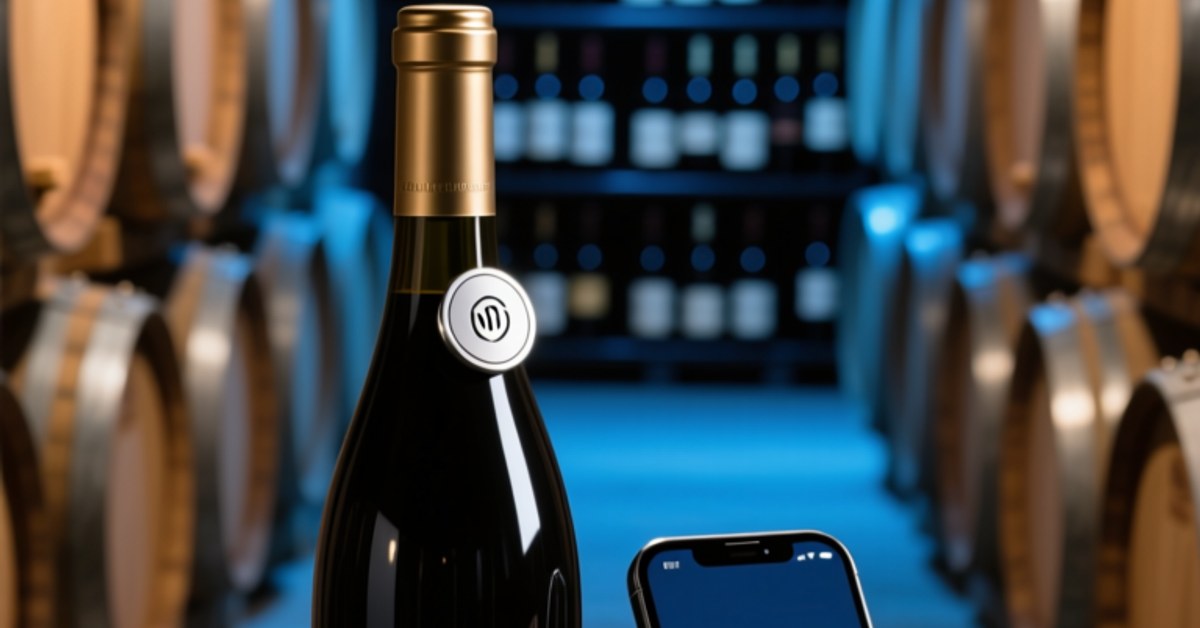
NFC labels applied over a box closure or brand seal allow a consumer to authenticate the item without opening it. This is useful in retail environments and at the moment of delivery. A packaging seal label can be a standard NFC label with a strong adhesive or a small NFC sticker placed under transparent shrink wrap. The label must survive normal shipping, handling, and temperature changes without cracking or losing its read range.
For accessory categories such as wall chargers, USB cables, and earbuds, the packaging seal answers the first question the customer asks: “Is this unopened product genuine?” If the NFC scan returns an authentic status, the consumer can continue to open the package with confidence. If the scan returns an unfamiliar or flagged identifier, they can stop and contact the retailer before using the product.
Inline NFC Tags for Long-Term Product Identity
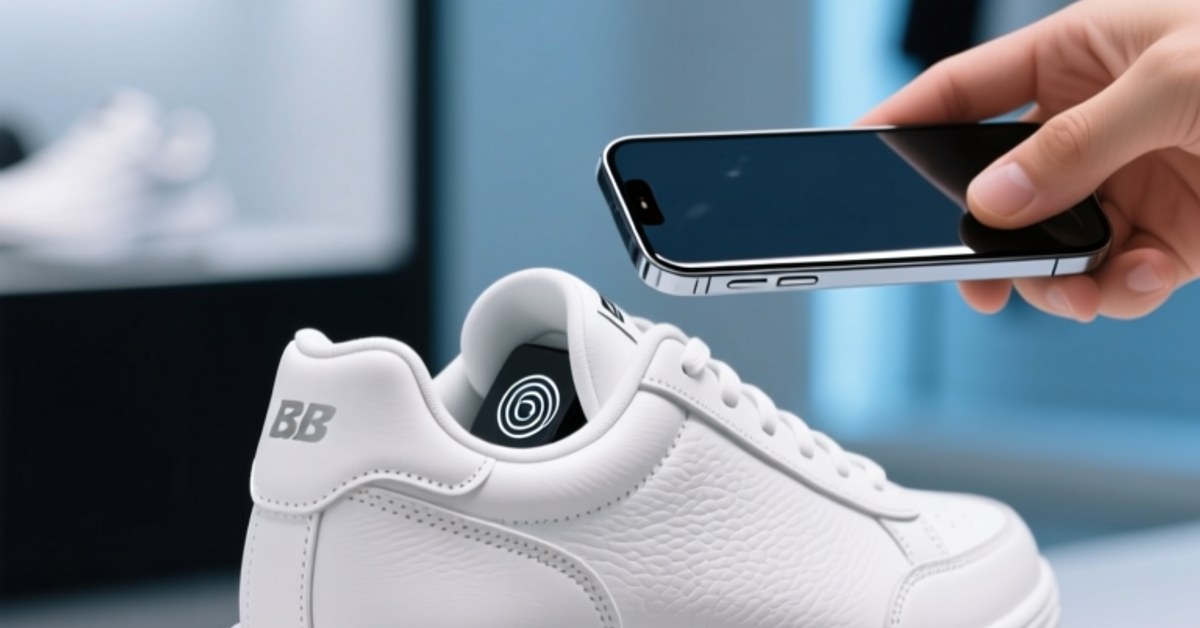
Once the package is opened, a label on the outside has less value. An inline NFC tag embedded in the product body or its charging case provides an ongoing identity for the life of the accessory. For example, an NFC inlay can be embedded under the plastic cover of a charger, inside the lid of an earbud charging case, or in the connector housing of a cable. The tag is protected from normal handling and becomes part of the physical design.
Inline tags are especially useful for warranty validation, lost-and-found scenarios, and user support. An authentic earbuds tag, once scanned after purchase, can automatically register the product in the brand’s warranty system. The same tag can later be scanned to check recall notices or to confirm the product is not a fraudulent replacement part.
>
| Verification Point | Recommended NFC Product | Primary Benefit |
|---|---|---|
| Sealed retail box of a charger or cable | NFC label or NFC sticker on the outer package seal | Pre-purchase authenticity check without opening the box |
| Wireless earbud charging case | NFC inlay embedded inside the case lid or case body | Authenticates the product after unboxing and links to warranty |
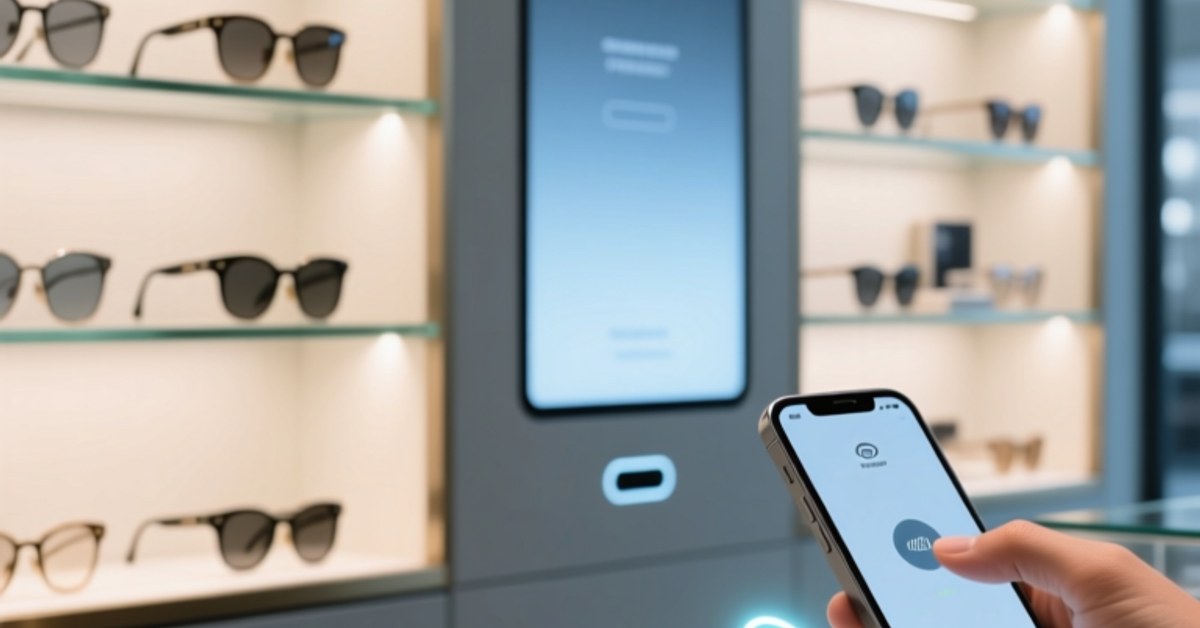
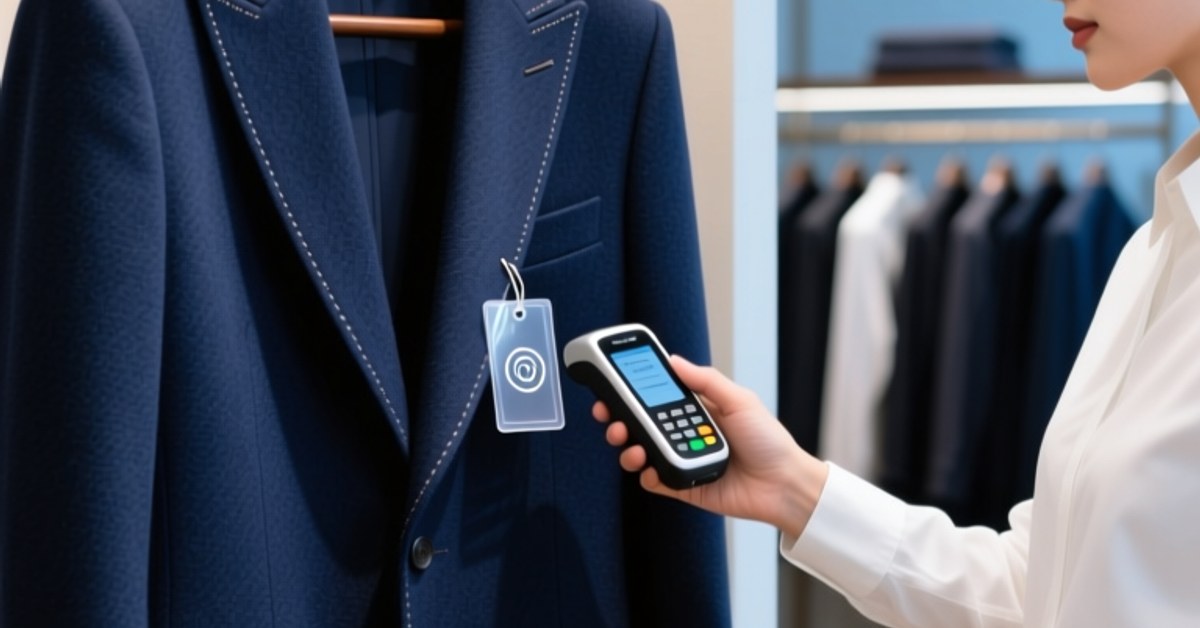
| Accessory on a store display | NFC tag on an attached hang tag or printed card | Lets customers tap before checkout and builds brand confidence |
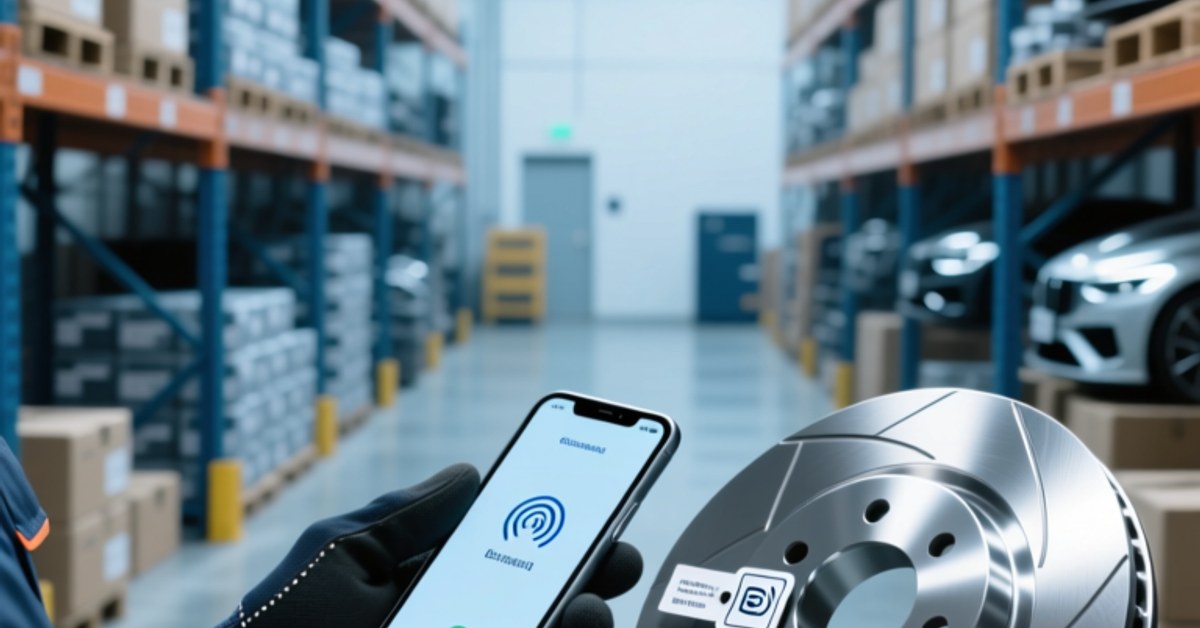
| Wholesale carton or marketplace bundle | RFID tags or UHF RFID tags on external case labels | Enables channel stock verification with a handheld RFID reader |
Tap-to-Verify: The Consumer Authentication Flow
The most effective NFC authentication journey is simple enough for a first-time buyer and strict enough to stop counterfeiters from reusing one code across many units. A well-designed tap-to-verify flow should follow a consistent pattern across all accessory SKUs.
- Consumer sees a short call-to-action on the package or a product label: “Tap to verify” or a similar instruction.
- Consumer places an NFC-enabled smartphone near the tag or touches the marked area with the phone.
- The NFC tag opens a secure brand-owned verification page using the tag’s stored URL and unique identifier.
- The backend checks the identifier against genuine records and returns a clear result such as “Genuine product” or “Check with support before using.”
- After a successful check, the consumer is given the option to register the warranty, read the safety manual, or access aftercare services.
This process turns a charger safety verification task into a moment of brand trust. It also helps consumers protect themselves against the most common fake accessories by giving them a direct channel to report suspicious products to the brand and the retailer.
What the Verification Result Should Show
A strong verification page should not simply say “Authentic.” It should give context that helps the consumer understand the check. For example, it can show the product model, the last four digits of the serial number, whether this is the first scan, and the timestamp of the most recent scan. If the same tag identifier appears on many products or has already been scanned many times, that pattern is a signal of possible cloning. Consumers can therefore be shown a clear “This product needs further inspection” message rather than being left with a false sense of security.
Marketplace and Channel Enforcement with NFC Authentication
Fake accessories authentication does not stop after the consumer leaves the store. Marketplaces and authorized distributors need tools to police channels where counterfeit products enter the supply chain. NFC authentication adds a tamper-resistant identity that can be used by e-commerce platforms, return centers, and enforcement teams to identify suspicious inventory.
Retailers and marketplace sellers can be instructed to verify products with an NFC-enabled smartphone or a handheld RFID reader before listing them. When a consumer receives a product and scans a tag, that scan event is stored. If the same tag identifier is scanned hundreds of times in different cities, the marketplace or brand can investigate whether the product is being cloned or whether the warranty and after-sales records are being manipulated.
Marketplaces also benefit from NFC evidence in disputes. When a buyer claims that a charger or accessory is not genuine, the seller can provide an NFC scan record that shows the item was part of an authentic batch and was sold to the buyer. This creates a more neutral, data-backed path for resolving counterfeit complaints and removing bad actors.
Warranty and Support Linkage Through NFC Identity
A charger, cable, or pair of earbuds often fails after weeks or months of use. At that moment, the consumer is not likely to remember where they registered the product or where the receipt was stored. If the product carries an NFC tag, the after-sales process becomes much smoother.
For example, an authentic earbuds tag scanned for the first time can automatically validate warranty eligibility and create a product account. Later, if the consumer needs support, they can tap the same tag to open a support page with the product’s history already loaded. The support team can see the model, purchase authentication date, and any previous service records. This reduces fraud-prone manual email checks and gives consumers a direct, always available link to the brand.
Warranty linkage also creates a business case for NFC adoption. The cost of an NFC tag is small compared with the lifetime value of a loyal customer who can identify their product in seconds. In addition, if a safety recall is needed, the brand can use the same digital identity to inform consumers who scanned the tag and registered their product.
Practical Guidance for High-Volume Accessory Rollouts
Companies producing millions of chargers and accessories need authentication that is scalable and affordable. The product options should be selected according to the product environment and packaging process.
- NFC labels and NFC stickers: Suitable for cartons, hang tags, retail cards, and packaging seals. They can be applied automatically with label dispensers.
- NFC inlays: Ideal for embedding in molded plastic, charger cases, earbud charging cases, and other products where the tag needs to become part of the item.
- RFID tags: Useful for outer-case pallet and warehouse scanning when combined with an RFID reader, especially if the brand already uses RFID inventory management.
- Digital identity backend: A cloud verification service to link each tag ID to a product record and store scan events.
When planning a rollout, accessorize products in batches, verify that the NFC tags are read correctly after packaging, and test the page on both iOS and Android devices. The tag should also be placed in an area that is consistent and clearly marked for consumers.
Protecting Consumers Before, During, and After the Sale
Counterfeit charger NFC authentication is not a hypothetical solution. It addresses a concrete consumer need: the ability to know whether a small, high-risk device is genuine. For brands, NFC authentication strengthens electronics accessories brand protection, enables marketplace enforcement, and simplifies warranty operations. For consumers, it turns the first tap into a safety check that can be repeated whenever they have doubt.
As chargers, cables, and earbuds continue to multiply in homes and offices, the accessory itself needs a digital voice. By adding an NFC tag, brands give consumers a direct line to the truth, building trust and raising the cost of counterfeiting. Whether applied as a packaging seal, an inline tag, or both, NFC authentication is becoming a practical standard for any accessory brand that takes consumer safety seriously.
FAQ
Can a counterfeit charger NFC tag be copied?
Basic NFC identifiers can be copied, which is why robust NFC authentication should include a backend registry, unique serial numbers, tamper-evident tag structures, and status monitoring. When a brand checks whether the same ID has already been scanned or flagged, simple copies become much easier to detect and report.
What is the difference between an NFC packaging seal and an inline NFC tag?
An NFC packaging seal is placed on the outside of the box or product wrapper so the consumer can verify the item before opening it. An inline NFC tag is embedded inside the product body, such as in a charger housing, cable connector, or earbud case. Packaging seals support pre-purchase confidence, while inline tags support long-term warranty, support, and after-sales identity.
Do consumers need to install an app to scan an NFC accessory?
Most modern NFC-enabled smartphones can read an NFC tag and open a web page without a separate app. The tag stores a web address and a unique identifier, and the phone’s operating system handles the tap-to-web experience. This makes the authentication process approachable for consumers of all technical levels.
How can marketplaces use NFC authentication data?
Marketplaces can use NFC scan records and unique tag identifiers to verify a seller’s inventory, investigate counterfeit complaints, and identify repeat scanning patterns. When a product carries a unique digital identity, both sellers and buyers have more evidence than a set of photos or a paper receipt.
Can NFC authentication improve warranty and support services?
Yes. An NFC tag can register a product at the first scan, link the serial number to an owner profile, and open a personalized support page on future scans. This simplifies warranty claims, lets service teams verify product authenticity instantly, and helps brands issue targeted safety notifications if needed.
Ready to Add NFC Authentication to Your Accessories?
Our team at NFCWORK and RFIDHY can help you choose the right NFC tags, NFC labels, NFC inlays, and verification workflow for chargers, cables, earbuds, and other high-volume electronics accessories.
Contact us to discuss product integration, serialization strategy, and packaging design.