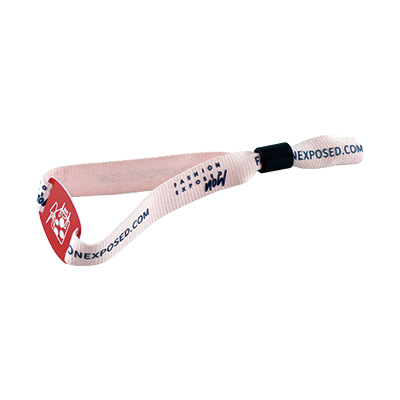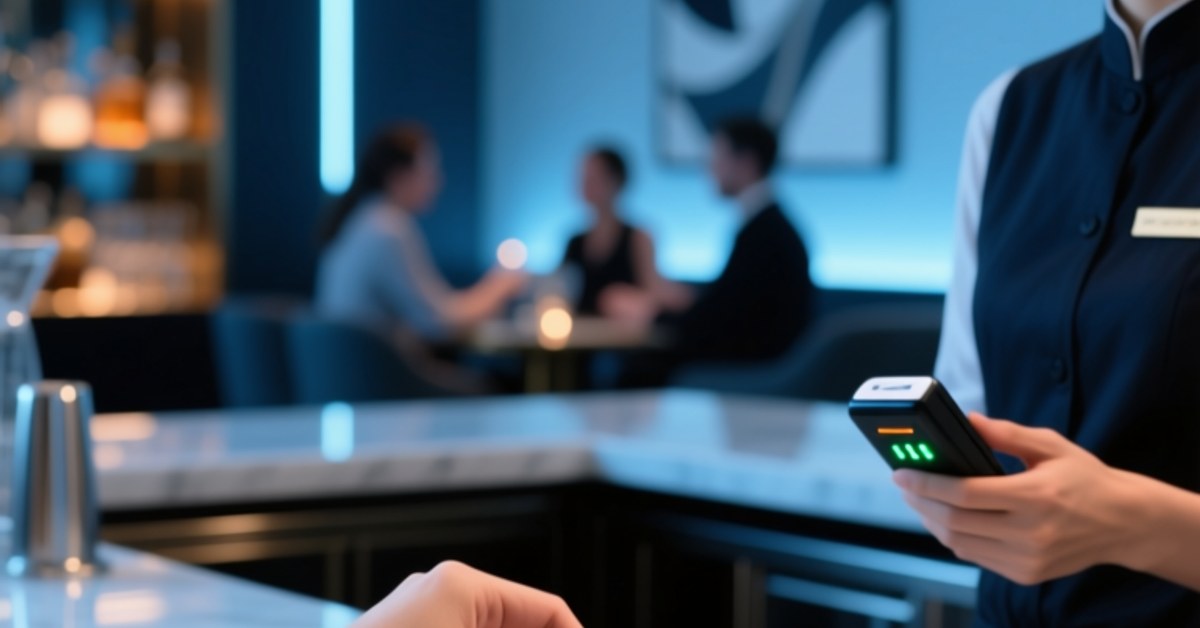
Running a bar or nightclub is an operational balancing act. You need fast service without losing control of cash or inventory, a secure entry process that respects guest privacy, and a way to keep regulars coming back. A nightclub NFC wristband gives venue operators a single tool for admission, prepaid spending, age-status checks, and nightlife guest loyalty. For owners, security teams, and bartenders, the shift from cash and plastic cards to NFC/RFID wristbands is about smoother operations, lower friction, and better visibility.
Why bars and clubs are adopting NFC wristbands
Modern venues are looking for a reliable way to connect every touchpoint of the guest journey. The business case usually comes down to three operational pressures:
- Bar speed. Waiting for payments backs up the bar and frustrates guests. A bar payment wristband lets a guest tap, authorize, and move on without searching for cash or a card.
- Security and compliance. Venue teams need to confirm legal age, control access, and prevent fraudulent or duplicate entry. An RFID wristband with a unique identifier can be linked to an age-verification status without carrying unnecessary personal data on the chip.
- Loyalty revenue. A wristband creates a natural account ID for repeat visits, special offers, and nightlife guest loyalty programs that reward returning customers.
These requirements do not have to be separate systems. With properly configured NFC/RFID wristbands, the same band can manage entry, cashless purchase, and loyalty data.
The prepaid cashless bar tab flow
The best way to understand an NFC wristband deployment is to walk through the prepaid cashless bar tab flow. This is the core experience for most bar and club operators.
Step 1: Entry and age check
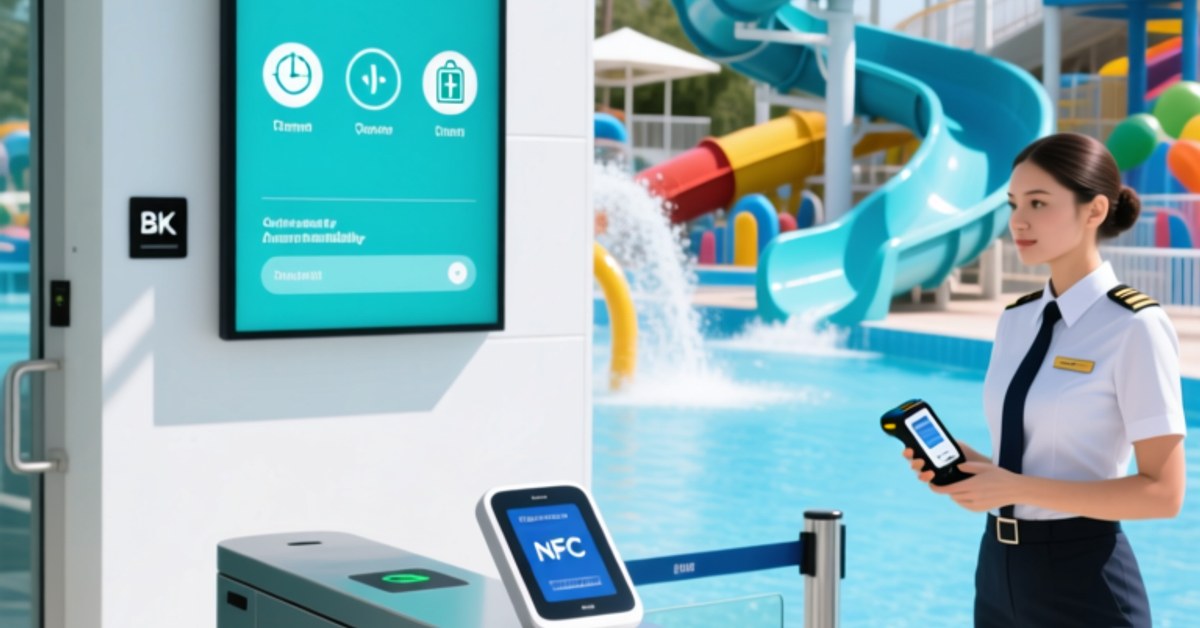
A responsible age check at entry begins with an official identification scan. Once security confirms the guest is of legal age, they activate an NFC event wristband and link it to a venue account. The wristband stores a unique ID or token, not the guest’s date of birth, which reduces privacy risk if the band is lost.
Step 2: Top-up
Guests add value to their tab at a top-up station, ticket desk, or bar terminal. The cashless bar tab account is tied to the wristband’s unique number and can include a pre-set spending limit, which is useful for groups and events.
Step 3: Pay at the bar
At the point of sale, the guest taps the wristband on a desktop RFID reader. The bartender sees the guest’s account status and available balance, then confirms the transaction. This process is faster than handling a card or calculating change, and it helps keep service moving during peak hours.
Step 4: Additional top-up and tip
When the balance is low, the guest can top up again without visiting a manager. Tipping can be configured as a voluntary percentage, a fixed amount, or an automatic service charge for bottle-service tables.
Step 5: Close and reconcile
At the end of the night, the venue closes the tab. If your policy gives refunds for unused prepaid value, the exit team can process a refund in seconds. The venue receives a clean reconciliation report for every bar payment wristband used during the shift.
>
| Stage | Action | Operational benefit |
|---|---|---|
| Entry and age verification | Guest shows ID; staff activates wristband. | Secure check-in and one clear guest identity. |
| Top-up | Guest adds value at a top-up point. | Less cash at the bar and a controlled spend limit. |
| Payment | Guest taps wristband on a desktop RFID reader. | Faster transactions and easier reconciliation. |
| Tipping | Guest chooses to tip at the terminal. | Transparent gratuity for bartenders. |
| Closing | Staff close the tab and refund unused value if required. | Positive final experience and clean records. |
Responsible age checks at an age verification venue
Legal age enforcement is the most critical part of a nightlife operation. An age verification venue can use an NFC/RFID wristband to support staff, but the band is only as good as the entry process behind it.
After the first ID scan, the system writes a secure status flag such as legal age confirmed to the wristband account. Bartenders can check that flag quickly instead of stopping the flow to read every ID again. Security teams can also see when a guest has been flagged for refusal or restriction, and a lost wristband can be invalidated instantly.
The wristband should not replace human judgment. Staff must continue to check ID when there is any doubt, follow local alcohol laws, and stop service to guests who show signs of intoxication. Technology is there to make the venue safer and more efficient, not to remove responsible service.
Queue and VIP management
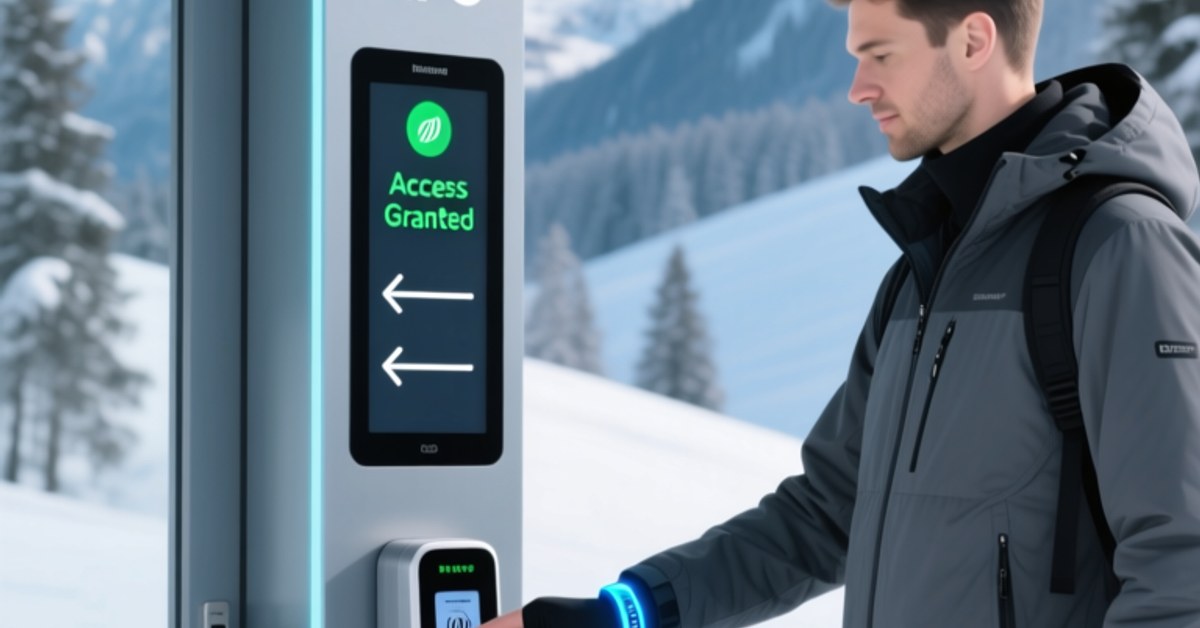
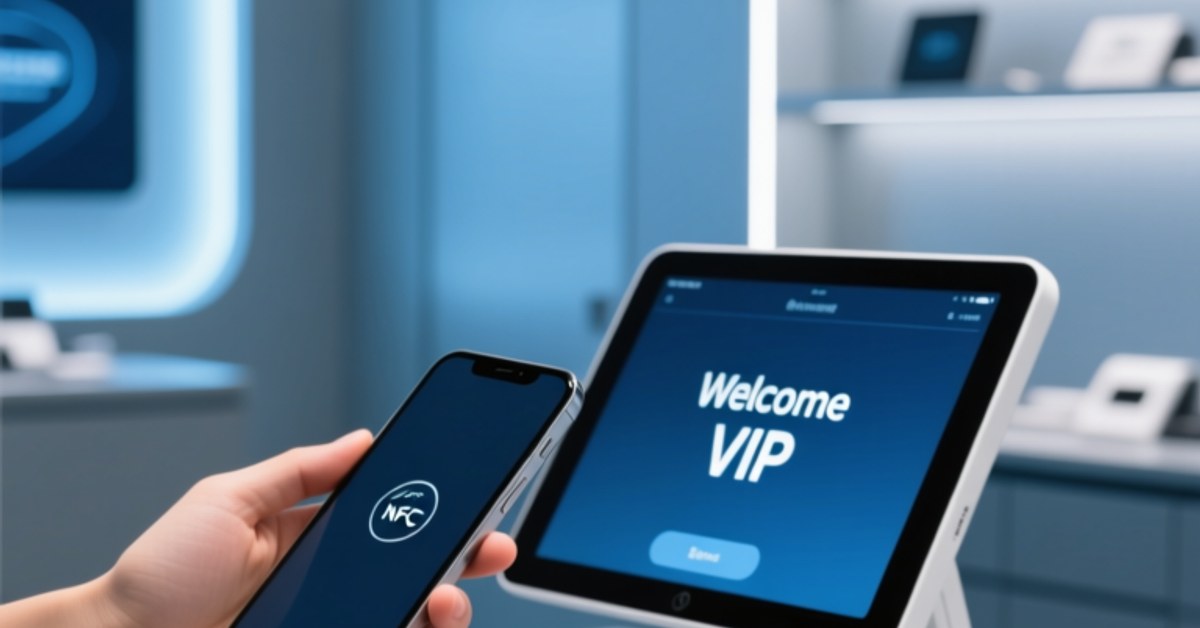
Nightlife success depends on how a venue handles crowded doors. NFC/RFID wristbands can be pre-encoded for different access levels before guests arrive. That allows security to scan a VIP wristband quickly and let the guest move straight into the venue, while event staff direct general admission to other lanes.
Some operators pre-sell NFC event wristbands or add a prepaid amount at the entrance. This shortens queue times and creates an immediate guest account that can be used across bars, coat check, and bottle service. For large venues, a handheld RFID reader helps floor staff verify a guest’s access level without radioing back to the door.
Bartender speed, tipping, and service design
High-volume bars run on routines. A wristband-based payment flow removes the need for a cash register at every service point. On a busy night, the guest taps the wristband, the bartender sees the balance, and the transaction is complete.
Desktop RFID readers can be placed at each bar station and integrated with the venue’s point-of-sale software. If a guest wants to move between bars, the wristband still works as the single payment credential. This flexibility is why many operators prefer NFC/RFID wristbands to a mobile-only ticket.
Tipping can be built into the transaction with clear prompts displayed on the payment terminal. If the venue has bartender teams, the system can split a portion of tips by shift or station. The result is less cash in the work area, more accurate gratuities, and a safer environment for front-of-house staff.
Guest data and re-engagement
An NFC wristband generates first-party data that can be more useful than a traditional loyalty card. Because every wristband is tied to a prepaid tab, the venue can see spending patterns, visit frequency, and product preferences without asking the guest to fill in another form.
To turn this data into nightlife guest loyalty, ask guests to opt in at top-up or closing. With permission, a venue can send a thank-you message, offer a discount on the next visit, or invite the guest to an exclusive event. The unique ID on the wristband can also help reunite lost items with their owners or confirm a guest’s payment in a dispute.
Guests should always control their personal information. Venue operators need to define a clear privacy policy, limit data retention, and comply with applicable local regulations such as GDPR or CCPA. In practice, this means storing only what you need for reconciliation and re-engagement, and deleting inactive accounts after a defined period.
Operational checklist for deployment
Before launching an NFC/RFID wristband program, venue teams should review how each piece of hardware supports the full guest journey. RFIDHY supplies a range of NFC/RFID wristbands and readers that can be configured for this use case, but the real work is process design.
>
| Area | Suggested hardware category | Key question |
|---|---|---|
| Door and security | NFC/RFID wristbands, desktop RFID reader, handheld RFID reader | How does the system verify age and block invalid wristbands? |
| Top-up and cash desk | NFC event wristband, desktop RFID reader at station | Where is the top-up point located to avoid crowding? |
| Bar point of sale | Bar payment wristband, desktop RFID reader at each station | Can the reader be secured and cleaned between shifts? |
| VIP and bottle service | Pre-encoded NFC/RFID wristband with access level | How will staff check tier and table permissions? |
| Back office | Reader and software integration with venue POS | Are transaction records matched to wristband IDs and tabs? |
A deployment should start with a small pilot on a single entrance or bar, measure the time saved by scanning a wristband, and then expand to the rest of the venue.
Making the night run smoother
NFC wristbands are not just a novelty item. For bars and nightlife venues, they are an operational platform for safer entry, faster service, and repeat business. When combined with clear staff training, responsible service practices, and a transparent privacy policy, a nightclub NFC wristband program can make the difference between a chaotic night and a well-run evening.
Explore related operations thinking on our Smart Entertainment page and read the cashless festival operations playbook for lessons that also apply to nightlife venues.
FAQ
How does a cashless bar tab with an NFC wristband work?
When a guest arrives, staff activate a wristband and link it to a prepaid account. The guest tops up at a station or bar, then taps the wristband on a desktop RFID reader to pay for each order. At the end of the night, the venue closes the account and can refund any unused balance if that is the venue policy.
Can an NFC wristband verify age at the door?
An NFC/RFID wristband can store a secure age-status token after staff scan a physical ID. This supports an age verification venue, but it does not replace trained security staff or local legal requirements. Bartenders should continue to check ID when necessary.
Do guests need to install an app?
No. In most nightlife environments, the wristband works with venue-owned readers and a back-office system. Guests pay and upgrade through staff-operated terminals, which keeps the experience fast.
What happens if a guest loses their wristband?
The operator can deactivate the missing band and issue a replacement linked to the same account if identity is confirmed. Unique ID and entry records make it easier to spot misuse before a refund is issued.
Can NFC wristbands support VIP service and guest loyalty?
Yes. The same wristband can carry different access levels and a guest account, so venues can manage VIP entry, bottle service, re-entry, and loyalty offers from one platform.
Ready to make your venue future-ready?
RFIDHY offers NFC/RFID wristbands, NFC silicone wristbands, desktop RFID readers, and handheld RFID readers for bars, nightclubs, and event spaces. The NFCWORK team can help you choose the right product and integration approach for cashless tabs, access control, and guest loyalty.