Introduction: The Growing Need for NFC Anti-Counterfeit Solutions
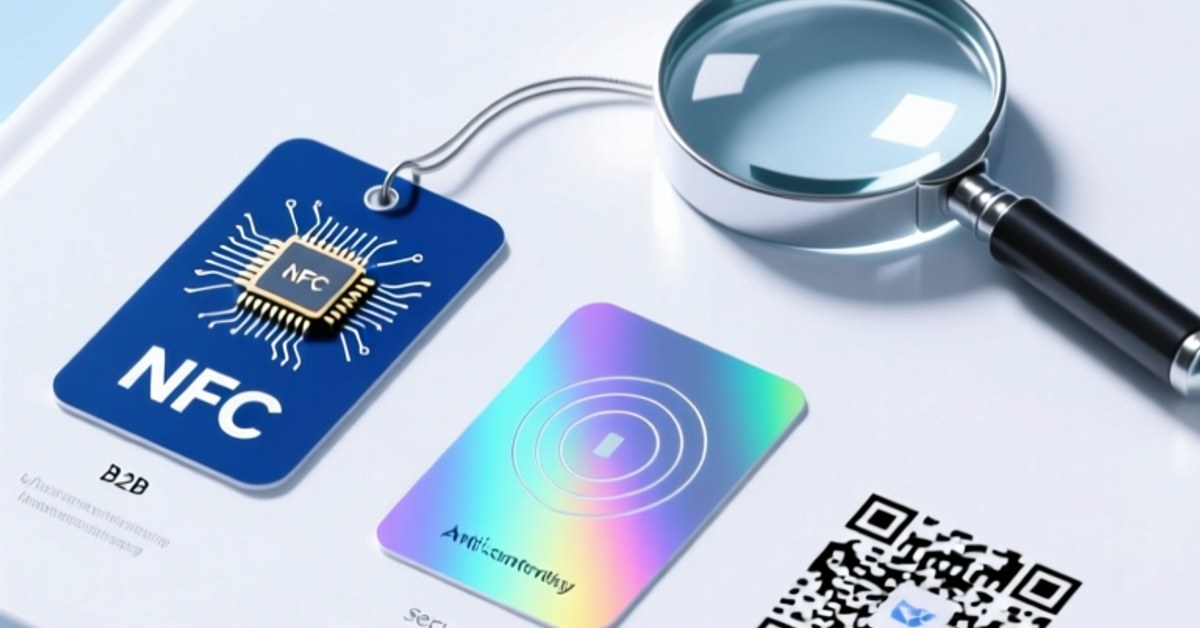
Counterfeiting poses a multi-billion-dollar threat to premium and luxury product brands, eroding both revenue and consumer trust. Traditional holograms, QR codes, and serial numbers are no longer sufficient against sophisticated counterfeiters. NFC (Near Field Communication) technology has emerged as a powerful tool for brand protection, enabling secure, real-time product authentication through a simple tap of a smartphone. This guide provides brand owners, anti-counterfeit procurement managers, and operations leads with a systematic approach to selecting and deploying an NFC anti-counterfeit solution that ensures one-product-one-code integrity and enhances brand integrity.
How NFC Product Authentication Works
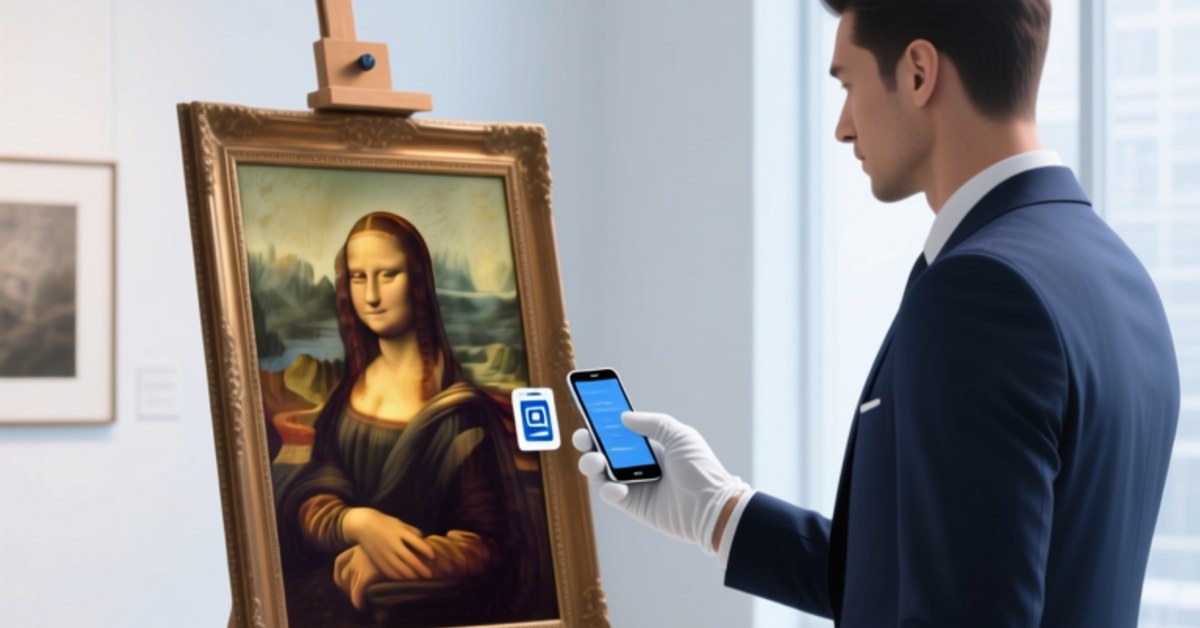
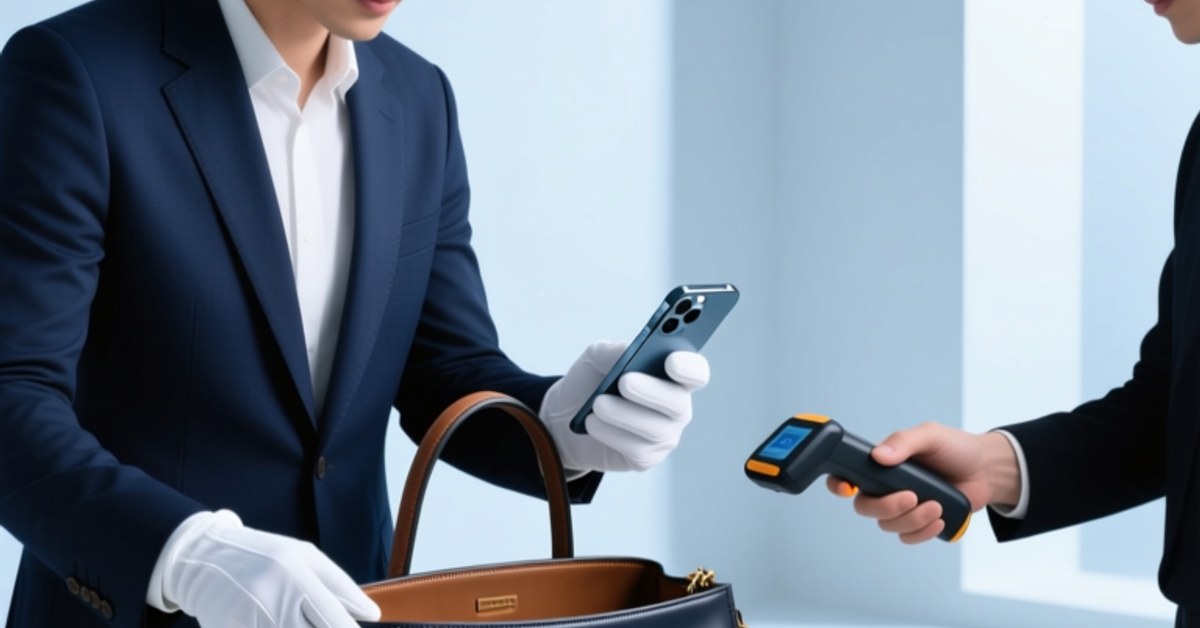
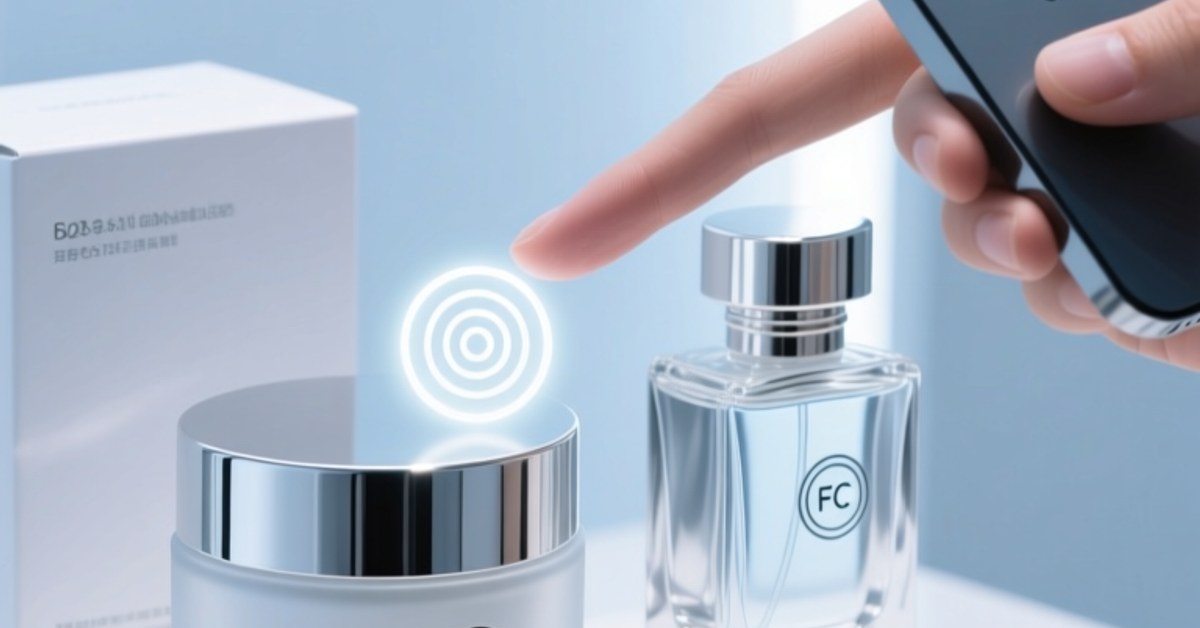
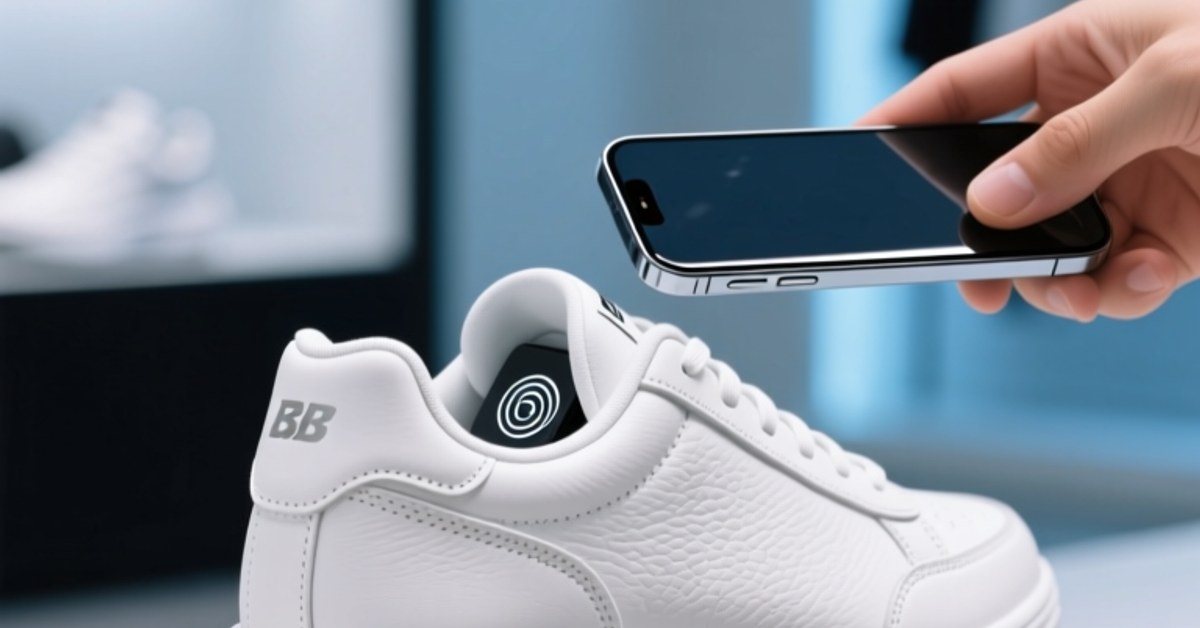
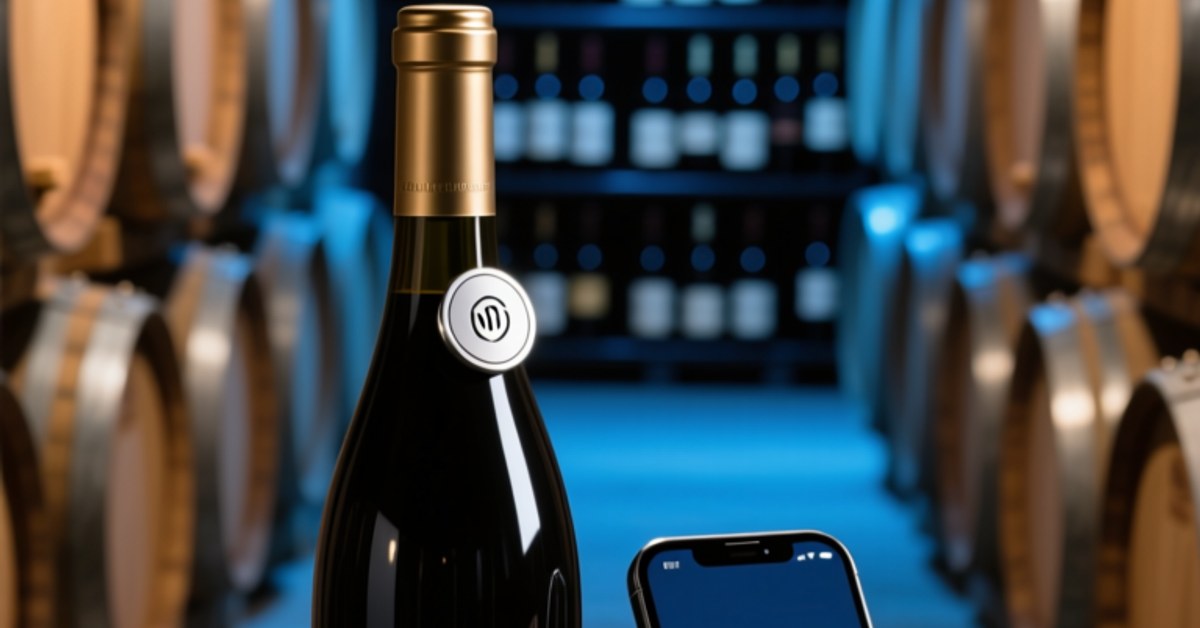
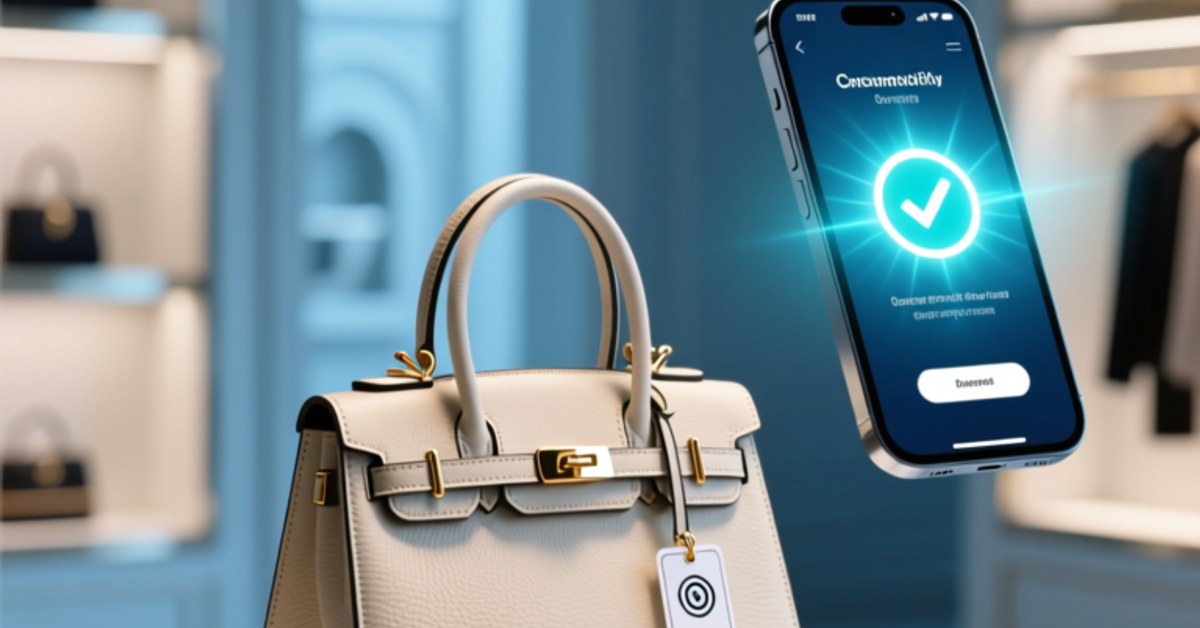
An NFC product authentication system assigns a unique, cryptographically secure digital identity to each physical product. A secure NFC tag—embedded in or attached to the product—communicates with a consumer’s NFC-enabled smartphone. The interaction can verify the product’s authenticity, provide provenance information, and engage the customer with brand content, all while the backend records each scan for anti-counterfeiting analytics.
Key Benefits for Luxury Brands
- Instant, offline/online verification with a tap
- Tamper-evident tag designs that break if removed
- Consumer engagement and direct-to-customer communication
- Supply chain visibility and grey market monitoring
- Regulatory compliance for Digital Product Passports
NFC Tag Technology Comparison for Anti-Counterfeiting
Not all NFC chips are created equal. Selecting the right chip is critical to achieving the desired security level. The table below compares widely used NFC ICs suitable for brand protection.
>
| Chip Series | Security Features | Memory | Typical Use Case |
|---|---|---|---|
| NTAG 213/215/216 | 32-bit password protection, originality signature (ECC) | 144–888 bytes | Basic product information, marketing engagement |
| NTAG 424 DNA | AES-128 encryption, secure unique NFC (SUN) message, mutual authentication | 416 bytes | High-security luxury items, one-product-one-code, anti-cloning |
| ICODE SLIX2 | Password protection, 32-bit Unique ID | 2,560 bits | Library, industrial authentication, larger memory needs |
| ST25TA series | 64-bit password, truST25 digital signature | Up to 2 Kbits | Brand protection, consumer engagement combined |
For premium and luxury brands where anti-cloning is non-negotiable, NTAG 424 DNA with AES encryption is the recommended standard. It generates a dynamic, cryptographically secured URL or code that changes on each tap, making tag duplication virtually impossible. Combined with a cloud-based verification platform, it delivers a robust NFC product authentication ecosystem.
Chip Security Levels Explained
- Basic: Static UID, password-protected memory (NTAG 21x). Suitable for consumer engagement but vulnerable to cloning by motivated attackers.
- Advanced: Cryptographic originality signature (ECC) and 32-bit password. Some protection against cloning, used for mid-tier products.
- Enterprise: AES mutual authentication, SUN messages, and hardware-backed encryption. Ideal for high-value goods requiring brand integrity and supply chain visibility.
Deployment Workflow for a One-Product-One-Code System
Implementing an NFC-based anti-counterfeit program involves a structured workflow that spans tag selection to consumer verification. Below is a typical six-step deployment model for luxury brands.
- Requirement Analysis: Define the product lines, threat model (cloning, diversion), and consumer experience expectations. Determine whether the tag should be visible, hidden, or a tamper-evident seal.
- Tag Selection & Encoding: Choose secure NFC tags like NTAG 424 DNA. Encode each tag with a unique digital identity using an NFC encoding solution. Ensure compatibility with your chosen verification platform.
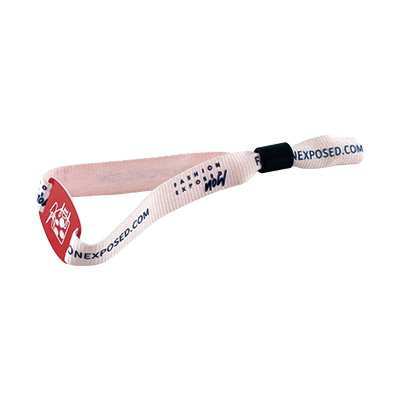
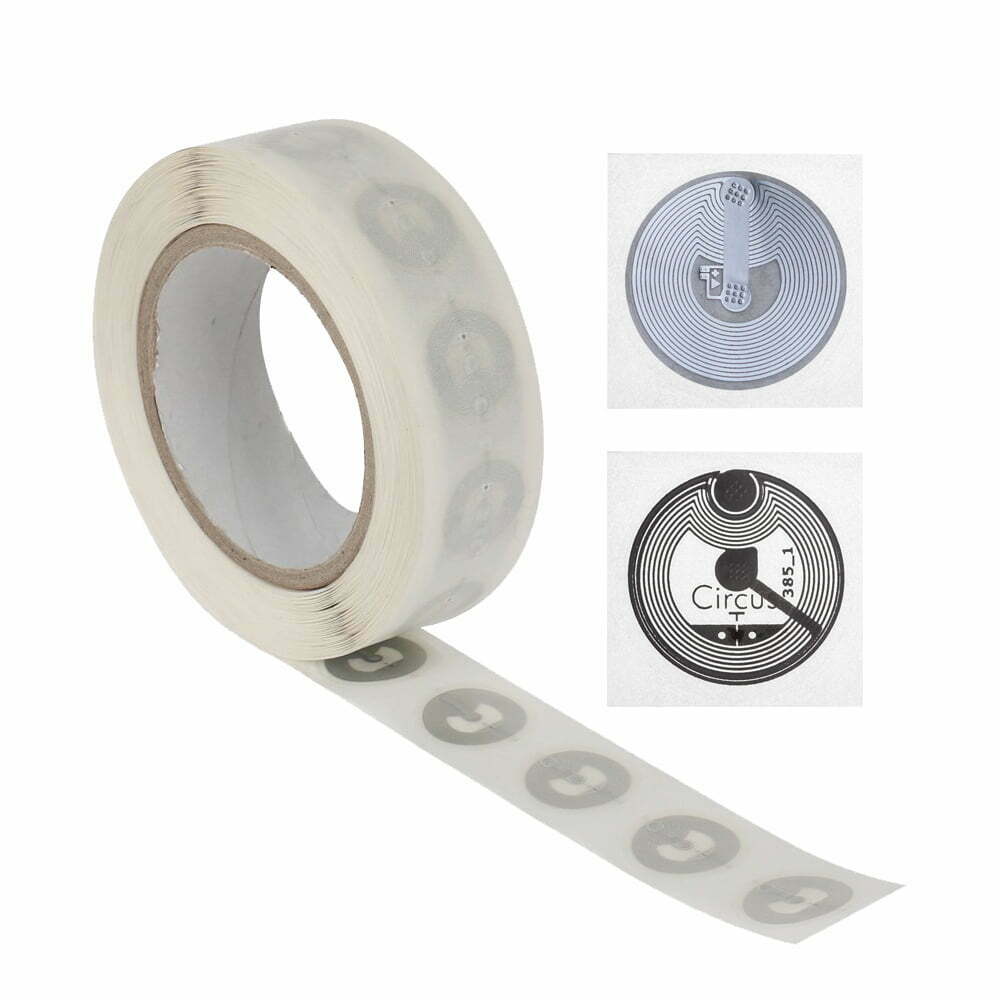
- Integration: Embed or attach the NFC tag into the product or packaging. Consider industrial-grade NFC inlays or NFC stickers from trusted suppliers. For luxury items, custom-designed NFC silicone wristbands or sewn-in NFC labels can blend with the product aesthetic.
- Backend Configuration: Set up the cloud verification platform that manages authentication logs, delivers brand content, and monitors scanning patterns. Integrate with existing ERP or anti-counterfeiting databases.
- Testing & Quality Assurance: Validate every encoded tag, test scan reliability across smartphone models, and verify the tamper-evident mechanism works as intended.
- Deployment & Training: Roll out the solution across manufacturing and distribution. Train quality control and consumer-facing staff on how to interpret verification results and handle exceptions.
Cost-Benefit Analysis of NFC Anti-Counterfeit Solutions
While NFC tags represent a per-unit cost, the investment must be weighed against the losses from counterfeiting, brand dilution, and missed customer engagement opportunities.
>
| Cost Factor | Typical Range | Benefit Impact |
|---|---|---|
| NFC tag (high-security) | $0.20 – $0.80 per tag (volume-dependent) | Direct anti-counterfeit protection; each scan a potential re-purchase touchpoint |
| Encoding & integration | $0.03 – $0.10 per unit | Ensures 100% data integrity; reduces manual labor |
| Platform licensing (annual) | $2,000 – $15,000 | Real-time analytics, consumer engagement, automated alerts |
| Project management & training | Varies by scale | Smooth rollout, team readiness |
Luxury brands often report that the reduction in counterfeit incidents and the increase in customer trust far outweigh the initial outlay. Furthermore, the ability to re-engage customers through NFC-based loyalty programs can generate additional revenue, making the NFC anti-counterfeit solution a strategic investment rather than a pure cost center.
Best Practices for Maximizing Brand Integrity with NFC
- Combine NFC with tamper-evident design: Use tags that break or show visible damage if someone tries to remove them. This adds a physical layer of security.
- Educate consumers: Include simple instructions on how to verify authenticity via NFC, turning customers into brand protectors.
- Monitor scan analytics: Abnormal scanning patterns (e.g., multiple scans in a short period in different geographic locations) can indicate counterfeit activity or grey market diversion.
- Integrate with Digital Product Passports: NFC tags can serve as the gateway to a comprehensive digital passport that includes product origin, materials, and sustainability information—meeting evolving regulatory requirements.
- Choose rugged, premium-grade tags: For high-end fashion or accessories, opt for NFC tags that withstand environmental stress, such as waterproof and heat-resistant options, ensuring long-term readability.
At NFCWORK Technology (RFIDHY brand), we offer a full range of NFC stickers, NFC inlays, and NFC wristbands tailored for luxury anti-counterfeiting. Our integration services help you move from concept to a hardened, field-proven authentication system. Explore our Digital Product Passport solutions to see how NFC can elevate your brand protection strategy.
FAQ
- What is the most secure NFC chip for anti-counterfeiting?
- The NTAG 424 DNA is widely considered the most secure for luxury anti-counterfeiting due to its AES-128 encryption, mutual authentication, and dynamic Secure Unique NFC (SUN) messages that prevent cloning.
- How does one-product-one-code work with NFC?
- Each product is assigned a cryptographically unique digital identity that is stored on the NFC tag. When a consumer taps the tag, the backend verifies the code and confirms authenticity, ensuring no two products share the same digital signature.
- Can NFC tags be reused or tampered with?
- Secure NFC tags can be configured as read-only to prevent overwriting. Tamper-evident tag designs physically break if removed, making reuse extremely difficult. Combining these with server-side validation adds another layer of protection.
- What type of NFC tag is best for luxury handbags or watches?
- For luxury accessories, discreet NFC stickers or slim NFC inlays that can be embedded into the product or packaging are popular. Tags should be waterproof and temperature-resistant to maintain readability under normal use conditions.
Protect Your Brand with NFCWORK Today
Ready to implement a bulletproof NFC anti-counterfeit solution? NFCWORK Technology (RFIDHY) provides end-to-end services, from secure tag selection to backend integration. Our experts will help you design a NFC product authentication system that aligns with your brand’s luxury image and security requirements.
Contact us to schedule a consultation or explore our product range at RFIDHY with NFC tags, NFC wristbands, and RFID readers built for enterprise-grade anti-counterfeiting.