Introduction: The High Cost of Counterfeits for Luxury Brands
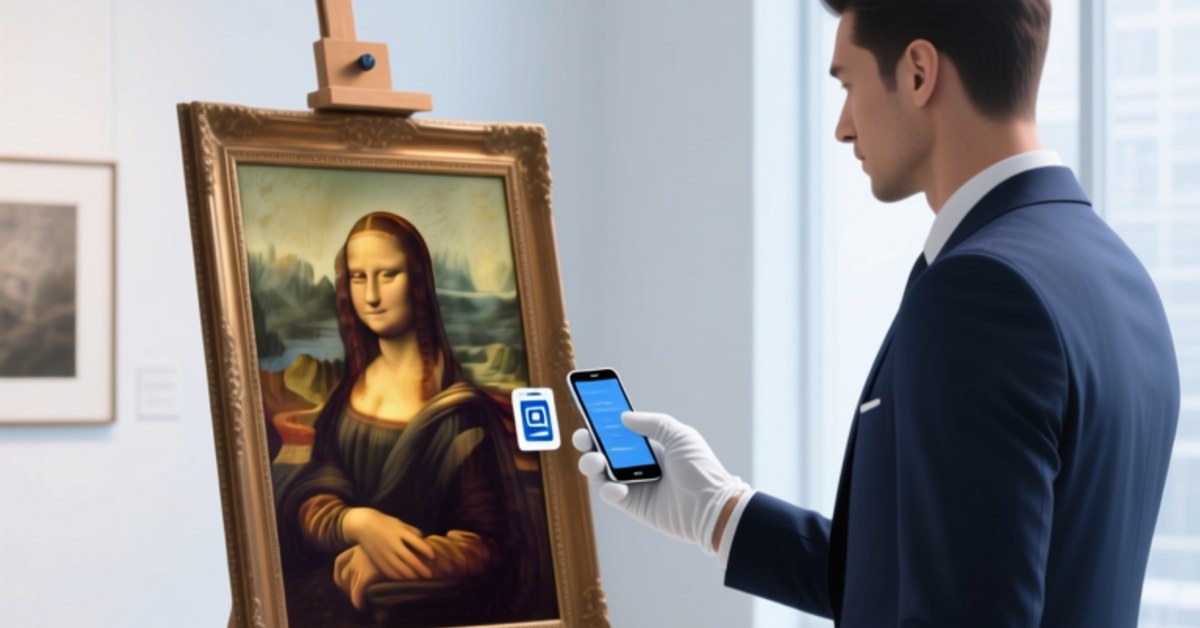
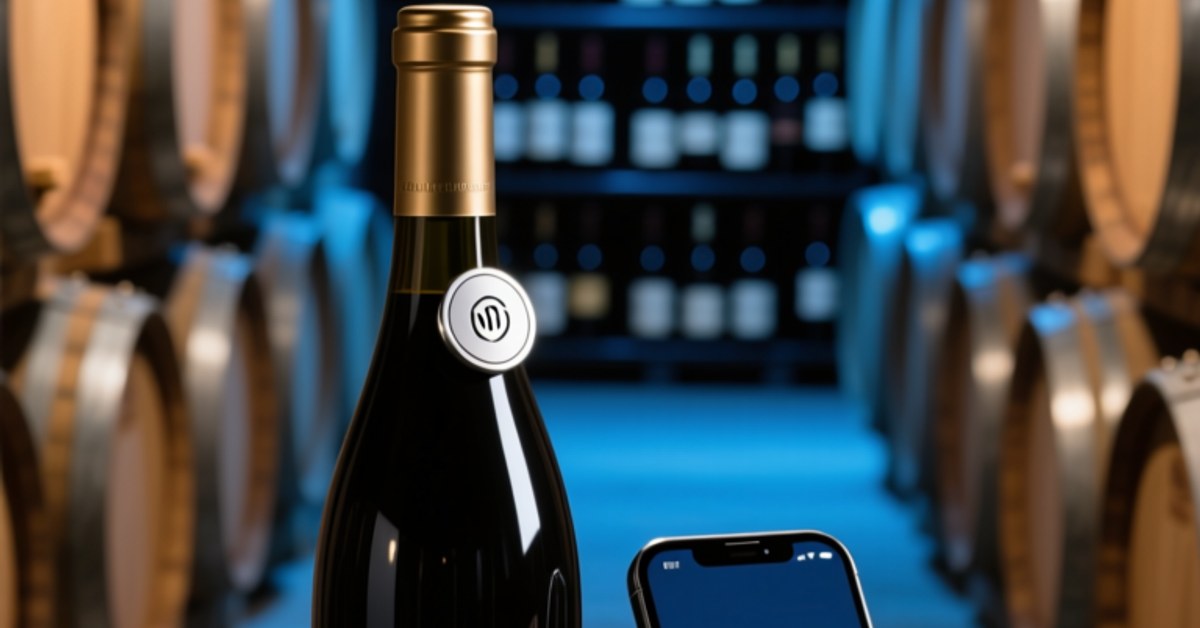
For luxury brands, prestige is everything. It is the intangible asset that commands premium pricing, inspires loyalty, and differentiates a heritage house from a mass-market label. Yet, in today’s global economy, this prestige is under constant threat from sophisticated counterfeit operations. The damage extends far beyond lost sales: fake goods dilute brand equity, erode consumer confidence, and can even pose safety risks when substandard materials are used. A proactive, technology-driven approach to product authentication is no longer optional—it is a strategic imperative. Near Field Communication (NFC) has emerged as one of the most secure and consumer-friendly tools for confirming authenticity instantly, bridging the physical product with a verifiable digital record.
Why Traditional Anti-Counterfeit Methods Fall Short
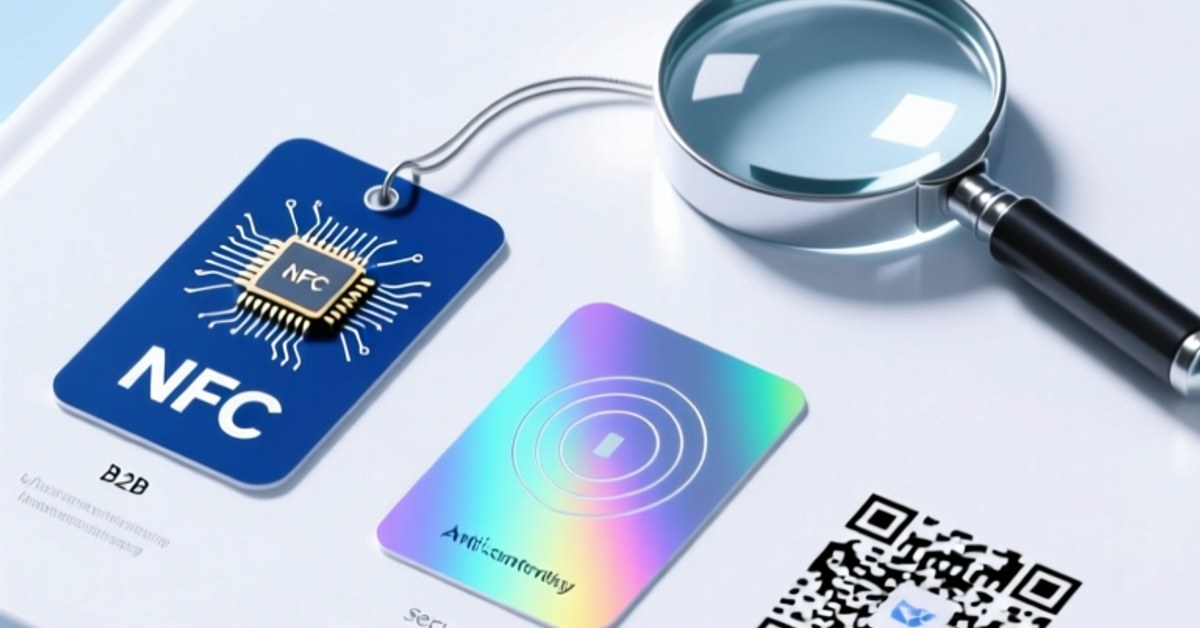
Legacy approaches such as holograms, QR codes, and serial numbers were once effective deterrents, but they have become relatively easy to replicate. A counterfeit hologram may look convincing to an untrained eye, and a cloned QR code can redirect to a fake verification page. These static measures offer a one-time check, but they do not create a dynamic, encrypted link between the item and the brand. NFC changes this paradigm by embedding a secure microchip that can communicate a unique, cryptographically protected identity with a simple tap from any smartphone. This creates a virtually unbreakable bond between the physical object and its digital authentication data.
How NFC Authentication Works: The Core Mechanism
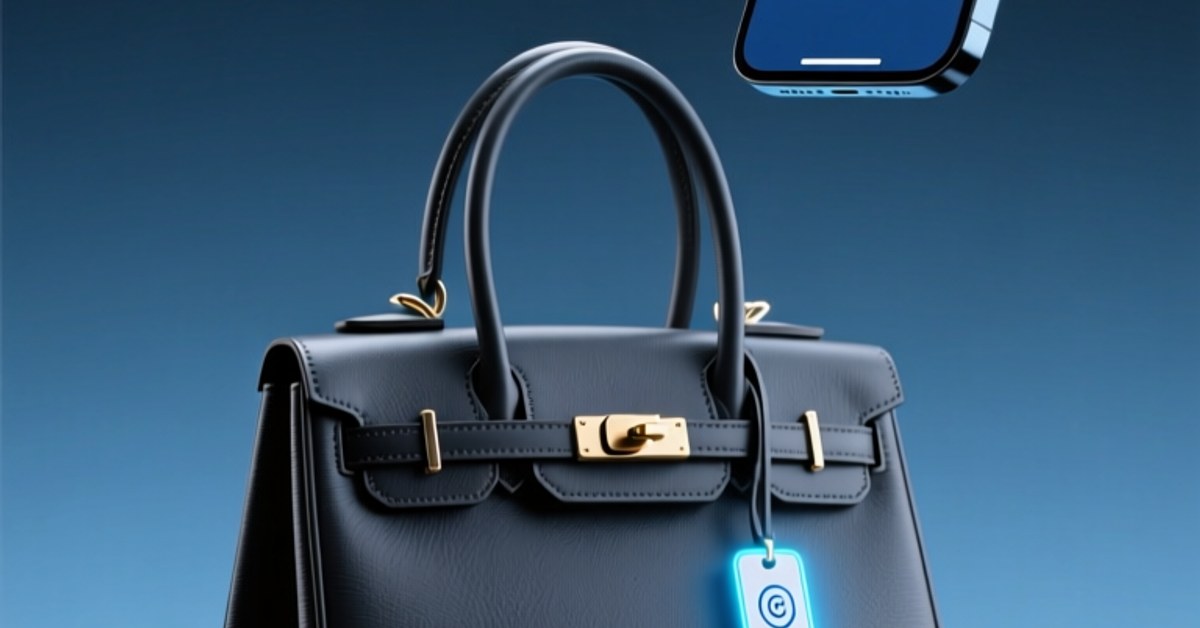
NFC luxury authentication relies on short-range wireless communication at 13.56 MHz. When a consumer brings an NFC-enabled smartphone near a product embedded with an NFC tag—for example, an NFC inlay sewn into a handbag or a NFC tag affixed to a watch box—the phone powers the tag and reads its stored information. The critical security layer is the type of chip used. High-security tags, such as NTAG 424 DNA, employ AES-128 encryption and a Secure Unique NFC (SUN) message that changes with each tap. This dynamic code makes cloning virtually impossible. The brand’s authentication server can validate the message and return a confirmation, often accompanied by product details, provenance, or care instructions, all through a simple web interface.
Tamper-Proof Tag Design
Physical security is equally important. NFC tags for luxury goods are often designed as tamper-proof labels that break or become visibly damaged if removal is attempted. This dual-layer protection—physical tamper evidence combined with cryptographic security—provides a robust defence that counterfeiters find extremely difficult to circumvent. Combined with secure unique NFC data, any attempt to transfer a genuine tag to a fake product is immediately detectable.
Consumer Verification: Empowering the End User
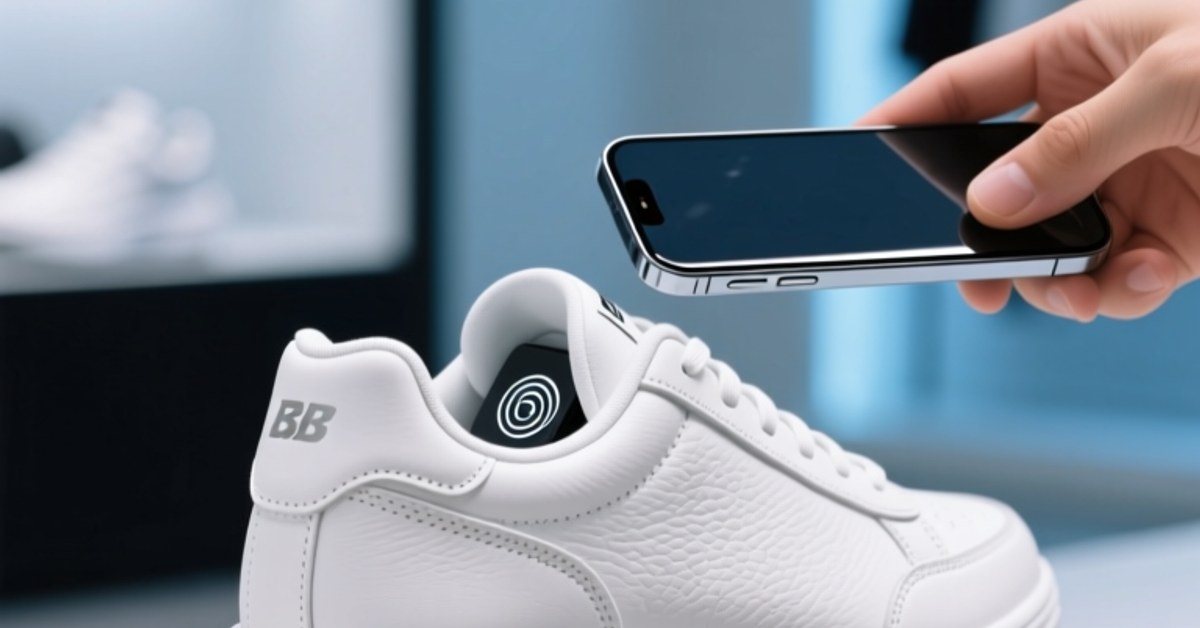
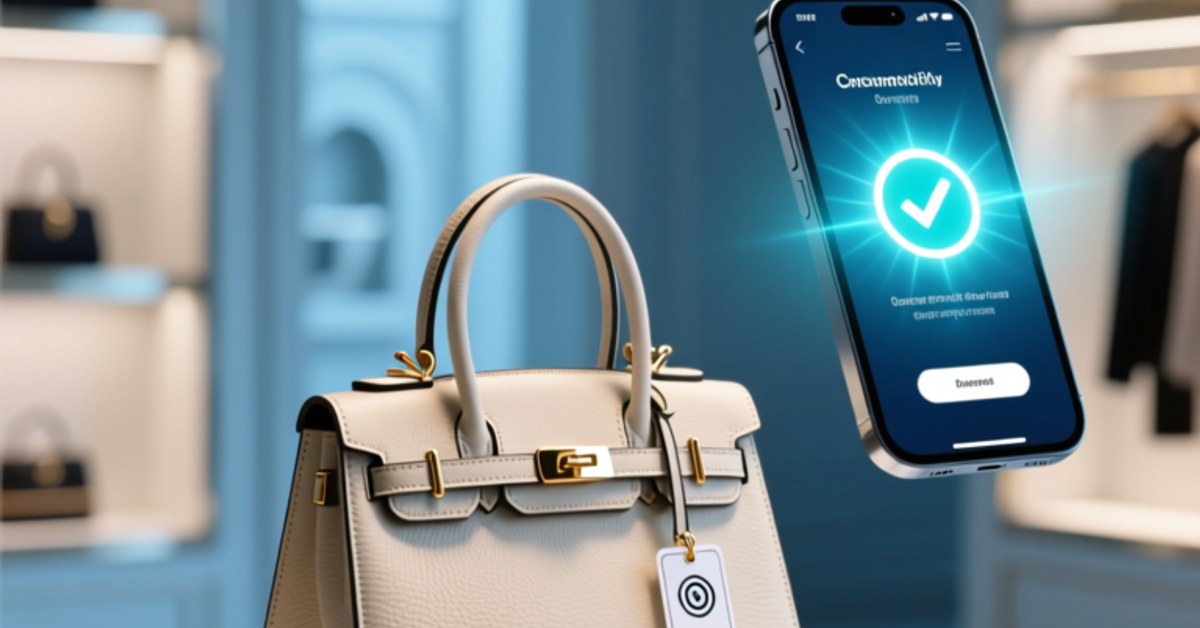
Today’s luxury consumers are tech-savvy and value transparency. NFC authentication turns every customer into an authenticity inspector. By simply tapping their phone, they can instantly verify that a product is genuine before purchase or after receiving it. This builds trust and reinforces the brand’s commitment to quality. The experience can be seamlessly integrated into a branded mobile web page, eliminating the need for a dedicated app. Post-verification, brands can provide personalized content, loyalty rewards, or registration services, transforming a simple authentication check into a valuable touchpoint that deepens the customer relationship.
Protecting Brand Value Across the Supply Chain
NFC authentication is not just for the point of sale. It can be integrated at multiple stages of the supply chain to ensure integrity from production to the end consumer. Here are key applications:
- Manufacturing: Each item receives a unique NFC identity at the point of origin, recorded on a secure digital ledger.
- Distribution: Authorized partners can scan tags to verify chain of custody, reducing the risk of grey market diversion.
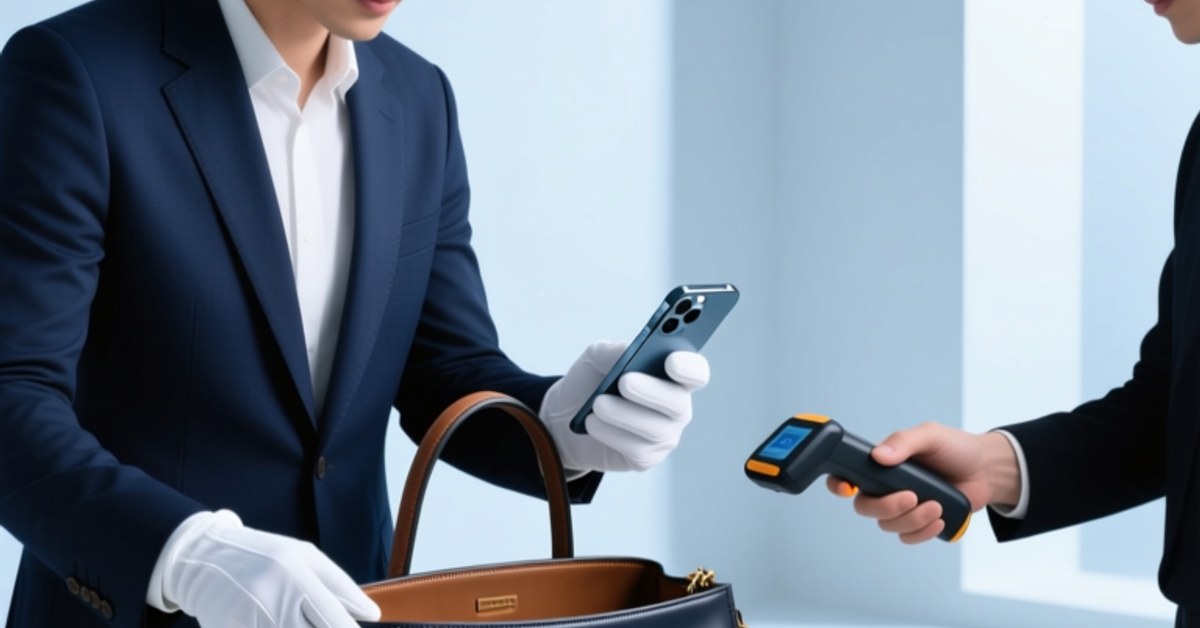
- Retail: Sales staff can use NFC readers to quickly confirm stock authenticity and access product stories.
- After-Sales: Service centres can authenticate items for warranty claims and track service history.
This end-to-end visibility not only combats fakes but also streamlines operations and provides valuable data on product lifecycle.
Comparing Authentication Technologies
>
| Feature | NFC Authentication | QR Codes | Holograms |
|---|---|---|---|
| Security Level | High (encryption, dynamic codes) | Low (easily copied) | Medium (can be replicated) |
| Tamper Evidence | Built-in (chip destruction or label break) | None | Visual only |
| Consumer Experience | Instant tap, no app required | Camera scan, link redirection | Visual inspection |
| Data Capacity | Variable (NDEF records) | Static URL or text | None |
| Integration with Digital Systems | Strong (APIs, cloud verification) | Limited | None |
Implementing NFC Brand Protection with RFIDHY and NFCWORK
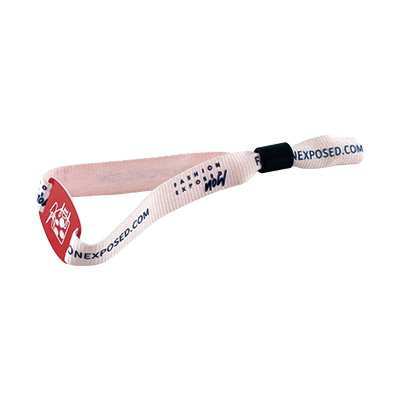
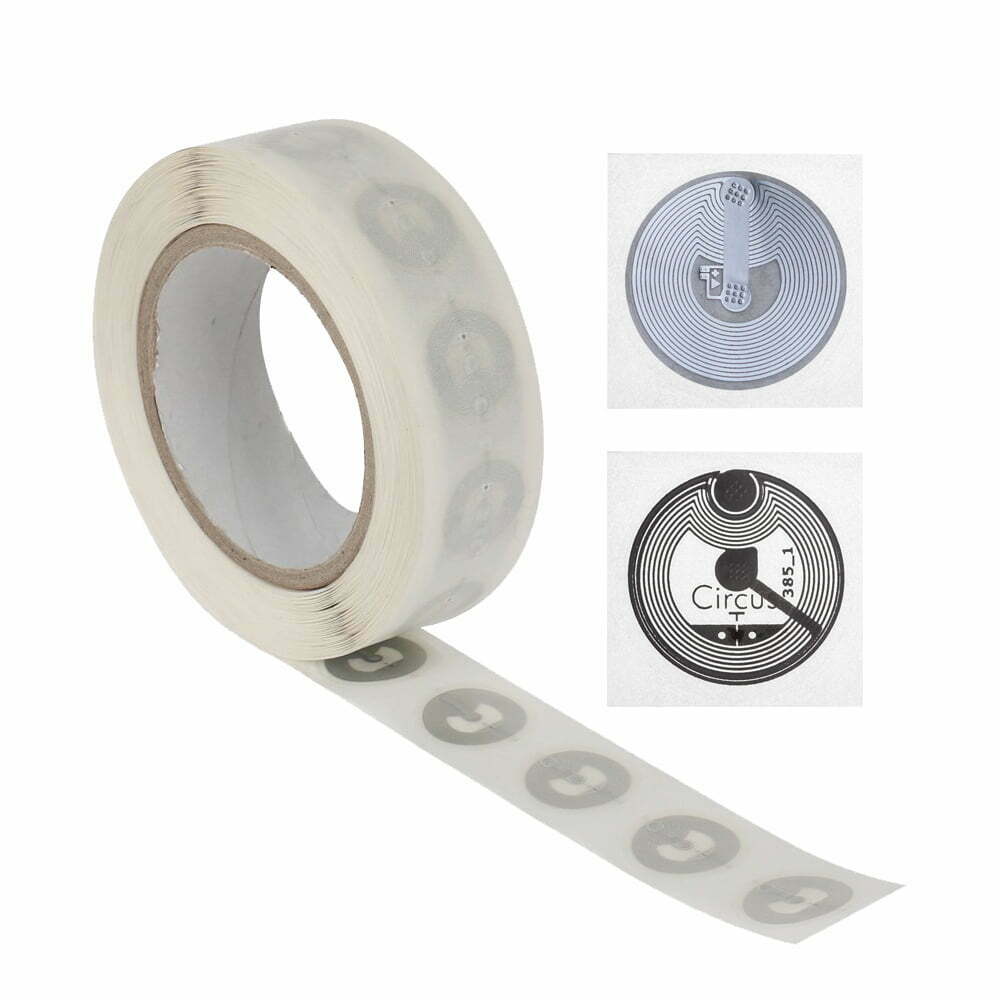
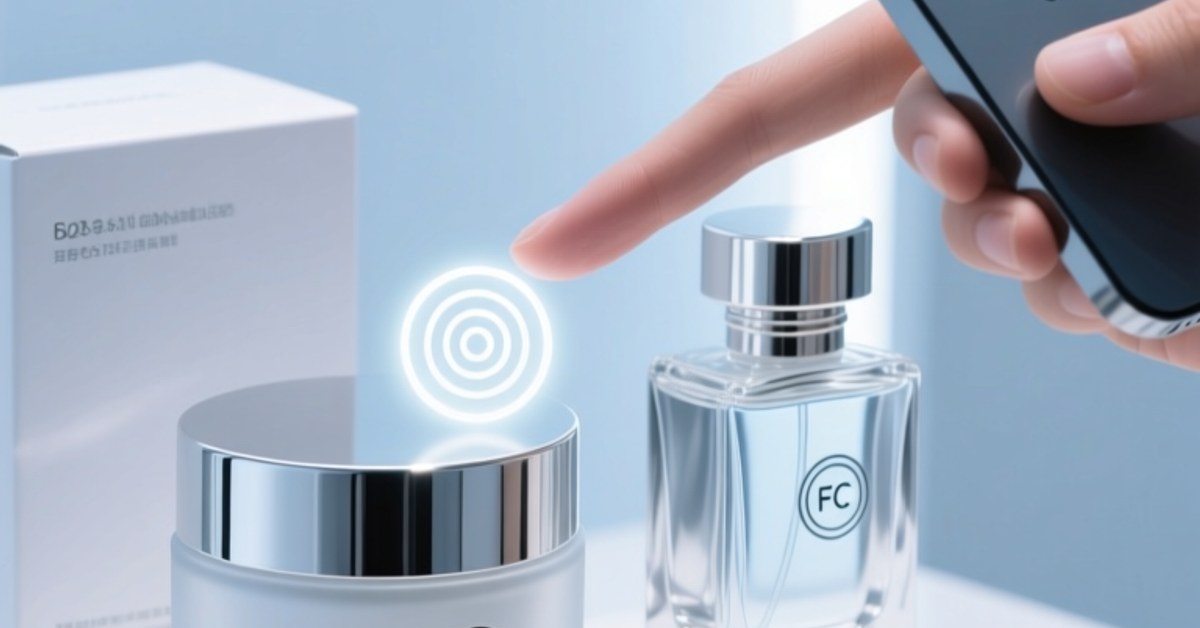
For luxury houses considering NFC deployment, the technology is both accessible and scalable. NFCWORK and its partner brands offer a complete ecosystem of secure NFC tags and inlays specifically designed for high-value goods. From ultra-thin NFC stickers for cosmetics packaging to rugged NFC wristbands for limited-edition accessories, the hardware options are versatile and premium. Each tag can be programmed with a unique cryptographic identity and integrated with a cloud-based verification platform, allowing brand managers to monitor every authentication attempt in real time. This data serves not only anti-counterfeit purposes but also market intelligence, revealing customer engagement patterns and geographical hotspots.
Preserving Prestige Through Trust and Innovation
Luxury is built on trust, and trust must be continuously earned. In a world where digital interaction is ubiquitous, the brands that embrace secure, transparent authentication will stand out. NFC technology delivers a solution that is elegant, hard to compromise, and aligned with the modern consumer’s expectations for instant, reliable information. By adopting NFC authentication, luxury brands do more than protect their products; they signal to the world that their heritage is backed by cutting-edge innovation. The result is a fortified brand image, stronger customer loyalty, and a clear competitive advantage that is nearly impossible for counterfeiters to match.
Further Reading
For a deeper dive into how NFC and blockchain combine for unbreakable traceability, read our article on NFC and Blockchain: The Synergy for Unbreakable Product Traceability.
FAQ
- Is NFC authentication compatible with all smartphones?
- Most modern smartphones (both iOS and Android) support NFC reading natively. On iPhones, it is available from iPhone 7 onwards with background tag reading enabled on recent models. Android devices almost universally support NFC. Users simply need to bring the phone close to the tag; no special app is required.
- How does an NFC tamper-proof tag physically work?
- Tamper-proof labels are designed with a delicate antenna structure. If someone tries to peel the label, the antenna breaks, rendering the tag unreadable. This provides visible evidence of interference and prevents the tag from being transferred to a counterfeit product.
- Can NFC tags be cloned or replicated?
- Basic NFC tags with static data can be cloned, which is why luxury authentication relies on high-security chips like NTAG 424 DNA. These chips generate a unique dynamic code for every tap, verified against a cloud server. Without the encryption keys, cloning the dynamic behaviour is effectively impossible.
- What kind of data can an NFC tag store for product verification?
- An NFC tag can store a unique identifier, a secure URL leading to an authentication page, and optional product metadata such as manufacturing date, batch number, or digital passport link. The actual verification happens in the cloud, ensuring real-time control and updates without changing the physical tag.
- How can brands integrate NFC authentication into existing packaging?
- NFC tags are available in multiple form factors, including thin stickers, flexible inlays, and embedded hang tags. They can be discreetly integrated into labels, price tags, or even sewn into fabric. Our team at NFCWORK can advise on the best form factor for your specific product and packaging design.
Safeguard Your Brand with NFC Authentication
Are you ready to elevate your luxury brand’s protection and create a seamless customer trust experience? NFCWORK and RFIDHY provide end-to-end solutions—from secure NFC hardware to cloud-based verification platforms—tailored for the luxury sector. Our experts will help you design a tamper-proof, brand-enhancing authentication system that fits your unique requirements.