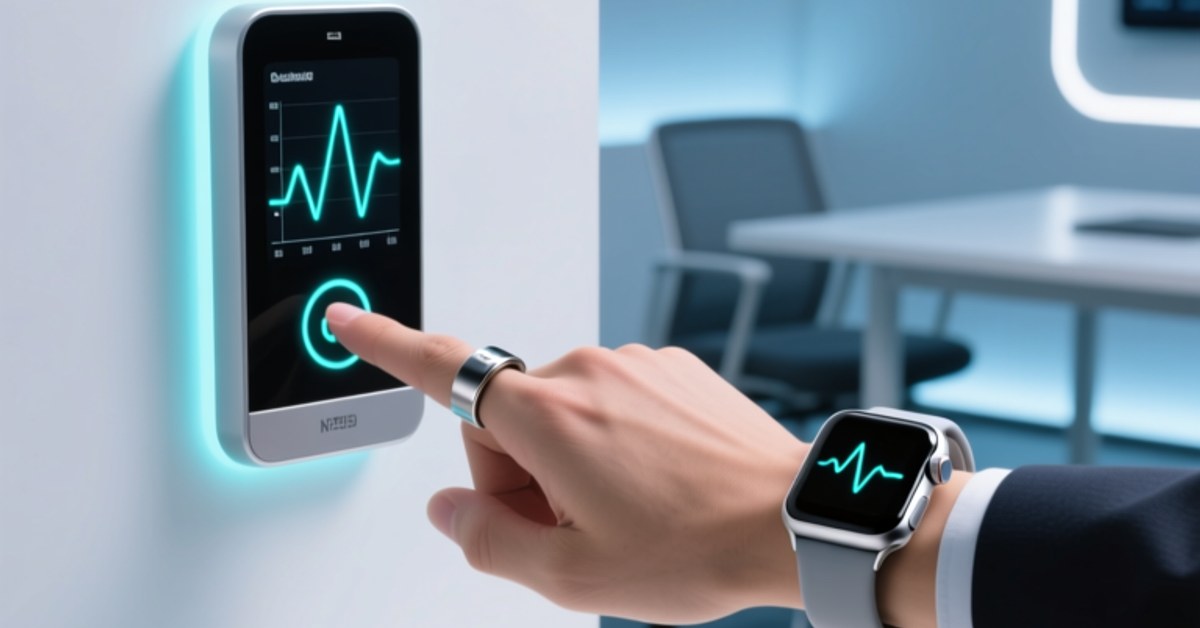
The Expanding Role of NFC in Wearable Technology
Near Field Communication has long been associated with contactless payments, but its potential in smart wearables now stretches into identity, access control, and health monitoring. For wearable device manufacturers and product managers, embedding NFC opens a gateway to enterprise and consumer applications that demand security, simplicity, and instant data exchange. This shift is redefining what a ring, wristband, or smartwatch can achieve beyond telling time or counting steps.
At the core, an NFC wearable houses a tiny passive or active tag that communicates with readers at close range. With the global installed base of NFC-enabled smartphones and infrastructure, wearables can tap into existing ecosystems for hotel check-ins, corporate badging, fitness club authentication, and even medical device pairing. The technology’s low power nature, standardized protocols, and robust security features make it ideal for compact, always-on devices.
Identity and Access: Your Wearable as a Key
One of the most compelling applications is wearable-based identity and physical access. Instead of carrying cards or remembering PINs, users can authenticate with a tap of an NFC smart ring or wristband. This has moved rapidly from niche to mainstream in several verticals:
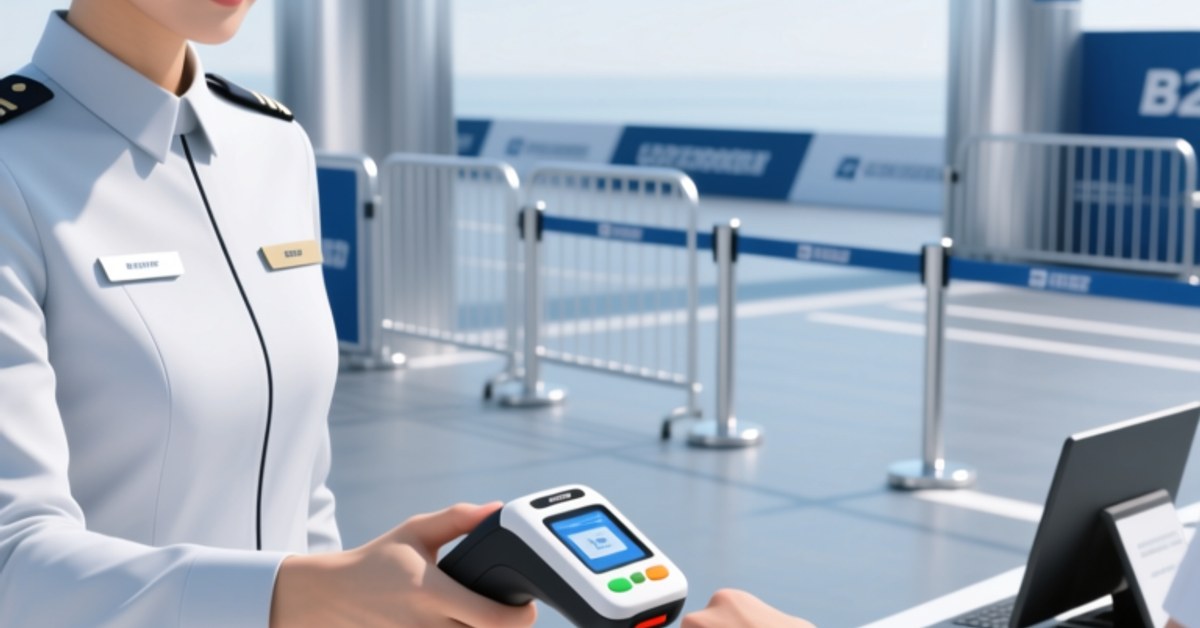
- Corporate & campus access: Employees use NFC wristbands or keyfob-style wearables to enter offices, parking garages, and restricted zones. Integration with existing access control systems is straightforward through readers compatible with ISO 14443 or 15693 standards.
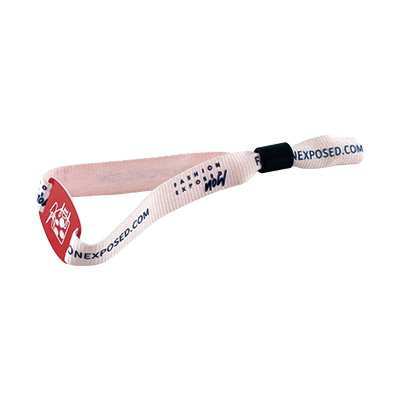
- Hospitality & events: Hotels issue NFC silicone wristbands that act as room keys and cashless payment tokens. Large-scale festivals leverage the same technology for entry gates, reducing queues and fraud. (Learn more about NFC in smart entertainment)
- Membership & loyalty: Gyms and clubs offer NFC wearables as a convenient member ID, combining access with payment for vending or premium zones. Each tap can record attendance, personalize machine settings, or trigger custom content.
From a security standpoint, modern NFC wearables can store digital keys protected by encryption and mutual authentication. The link to a user’s digital wallet or backend platform ensures instant deactivation if lost. For OEMs, designing a wearable with a secure element (such as a chip from the NXP NTAG DNA family) adds a layer of trust that enterprises demand.
Health Tracking: Bridging Wearables and Medical Ecosystems
NFC wearables are emerging as critical tools in health and wellness. Unlike Bluetooth, which requires pairing and consumes more power, NFC enables quick, intentional data exchanges—ideal for sporadic health data uploads or device configuration.
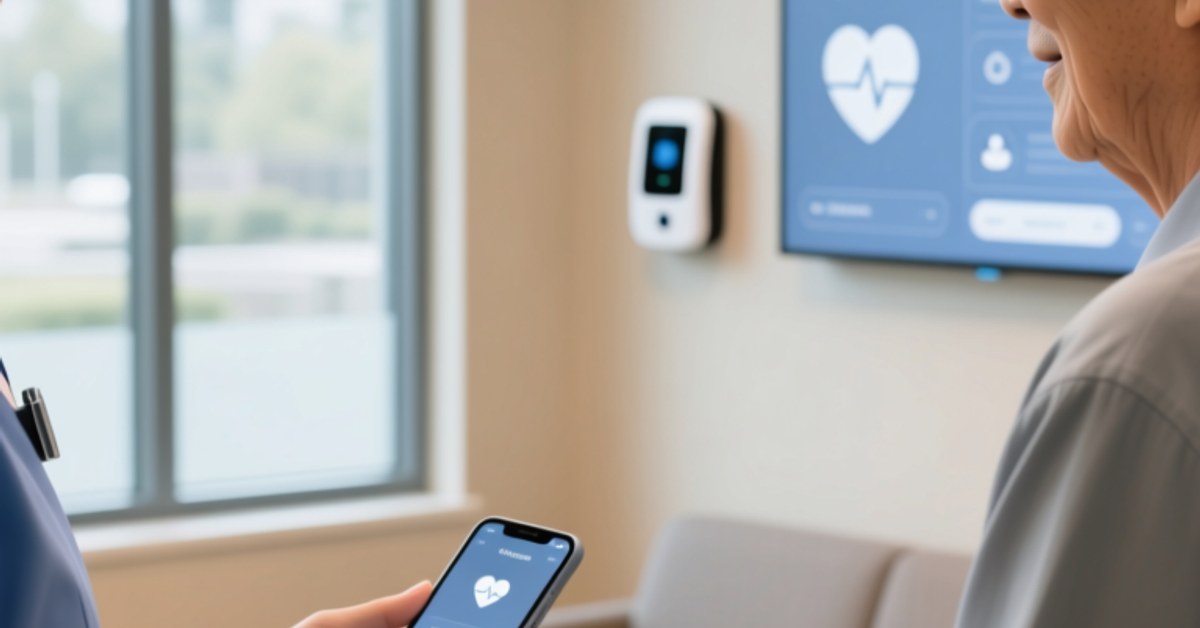
- Patient identification: A patient wearing an NFC bracelet in a hospital can be scanned at each point of care, linking to electronic health records instantly. This reduces errors and speeds up triage.
- Medication adherence: Smart pill bottles or wearable patches use NFC to log when a dose was taken. A tap from an NFC smartwatch can transmit data to a caregiver app.
- Fitness & vital sign logging: NFC enables wearables such as smart rings to pair with gym equipment, medical terminals, or home hubs for body temperature, heart rate, or glucose monitoring. The short range ensures privacy and intentionality.
Technical requirements for health applications are stringent: tags must withstand moisture, repeated sterilization (for reusable patient wristbands), and skin contact. Industrial-grade NFC inlays — such as those encapsulated in medical-grade silicone — are essential. Our guide to durable NFC tags covers these specifications in depth.
Technical Considerations for Wearable NFC Integration
Integrating NFC into a small form factor like a ring or slim wristband requires careful component selection. The following table summarizes key aspects:
>
| Parameter | Typical Options | Impact on Wearable Design |
|---|---|---|
| NFC chip type | NTAG 213/215/216 (standard), NTAG 424 DNA (secure, encrypted) | Memory size, security level, and cost; DNA recommended for identity applications. |
| Antenna | Copper coil etched on flexible PCB or printed on PET | Smaller form factors demand thinner antenna traces and careful tuning for read range around 1-3 cm. |
| Substrate & packaging | Epoxy-encapsulated inlay, silicone overmolding, ceramic ring inlay | Durability requirements (waterproof, shock resistance); silicone wristbands often use pre-made NFC inlays for simple integration. |
| Power strategy | Passive (harvested from reader field) | No battery needed; however, active NFC can be used in smartwatches for card emulation mode. Passive is sufficient for most identity and access tasks. |
Additionally, the wearable must comply with NFC Forum standards to ensure interoperability. For product managers, working with a supplier that offers pre-certified NFC inlays dramatically shortens time-to-market. At RFIDHY, our catalog includes a range of NFC inlays engineered for wearables: from ultra-thin wet inlays for leather straps to ruggedized inlays for silicone wristbands. (Explore RFIDHY’s NFC solutions)
How RFIDHY’s Product Ecosystem Accelerates Your Wearable Project
Whether you are prototyping a smart ring for gym access or scaling a line of patient ID bracelets, having the right components is crucial. Our websites provide a full spectrum of NFC/RFID wearables and components:
- NFC silicone wristbands: Comfortable, waterproof, and available in multiple colors — ideal for hospitality and access control. Our factory pre-loads unique IDs and encodes data according to your project needs.
- NFC smart rings: Ceramic or epoxy rings with embedded high-performance NFC inlays, compatible with both Android and iOS readers.
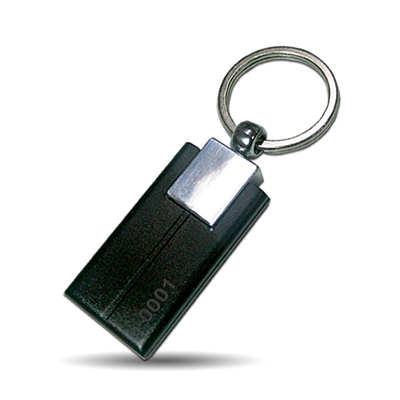
- NFC keyfobs and cards: For hybrid scenarios where wearables complement traditional tokens.
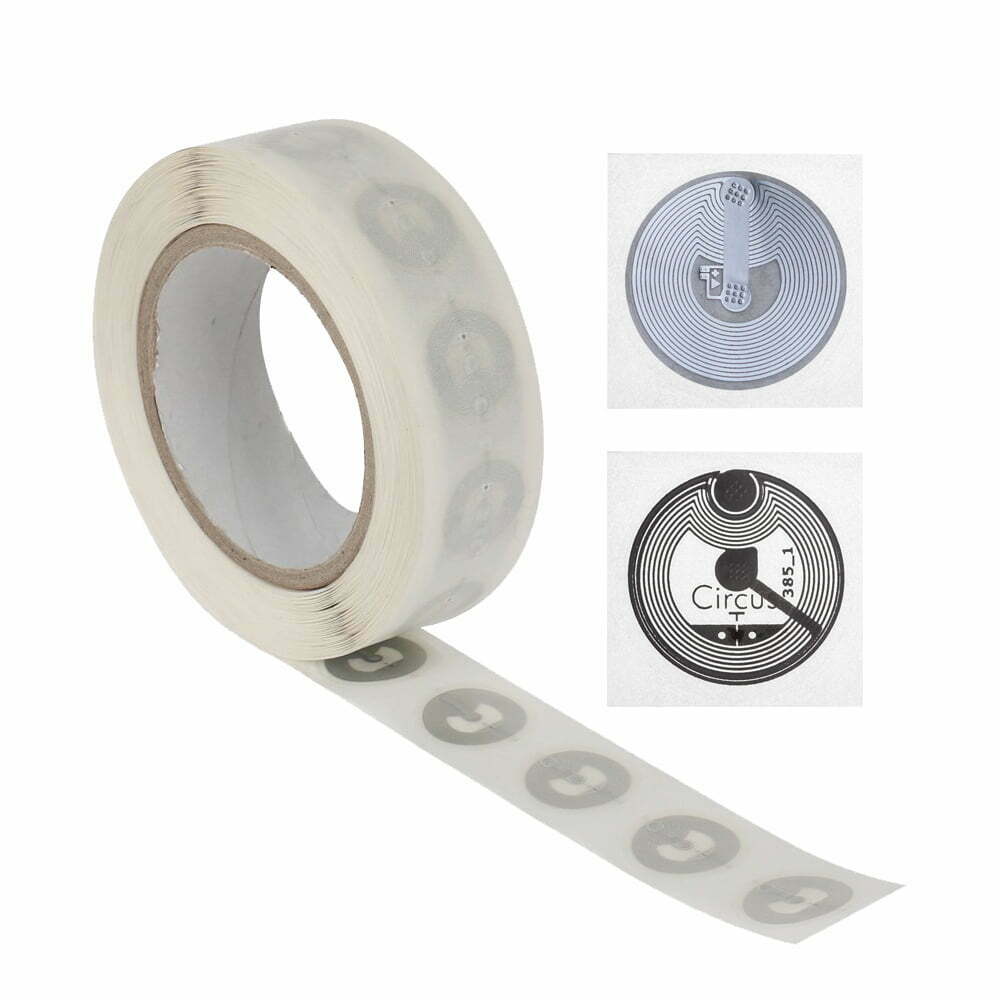
- Custom NFC inlays: Customized antenna size, chip, and memory for integration into your own wearable enclosure.
All products are backed by our expertise in NFC encoding and supply chain flexibility. For enterprises needing secure element provisioning, we support NXP DNA chips and can manage the key management infrastructure. Visit NFCWORK’s product page for our full wearable range.
Choosing the Right Wearable Strategy: A Quick Comparison
>
| Wearable Type | Best for | Key Technical Highlights |
|---|---|---|
| NFC smart ring | Convenience, minimal design, gym/membership ID | Passive, operates without battery, IP68 ring options available; often uses NTAG 215/216 |
| NFC wristband | Events, hospitals, multi-day use | Adjustable fit, tamper-evident closures for security; can be pre-printed with QR codes and variable data |
| NFC smartwatch integration | Multi-function devices, health + access | Built-in secure element, card emulation mode; can store multiple virtual cards |
| NFC-enabled patch or tag | Medical adherence, sensor data logging | Ultra-thin, flexible, may include sensors; I2C interface for dynamic data |
Conclusion
NFC in wearables has matured well beyond the tap-to-pay myth. It now delivers real business value through secure identity, frictionless access, and HIPAA-compatible health data transfer. For OEMs and product managers, the opportunity lies in choosing the right NFC components and building experiences that users adopt daily. As infrastructure grows, the wearable that opens a door or logs a vitals reading will become as natural as checking the time.
FAQ
- Can an NFC ring replace my office access card?
- Yes, if your access control system supports NFC standards such as ISO 14443 (MIFARE). The ring must be encoded with your facility’s credential format, and readers may need a firmware update. Many commercial buildings have already adopted mobile access, making NFC ring integration straightforward.
- Do NFC health wearables require batteries?
- Not necessarily. Passive NFC tags do not need batteries—they are powered by the reading device’s magnetic field. This makes them perfect for rings and wristbands used for patient ID or quick data logging. Active NFC (with a battery) is used in smartwatches for card emulation, but health data upload via tap is typically passive.
- How secure is wearable NFC for identity?
- Security depends on the NFC chip. Standard tags (NTAG 213/215/216) have basic originality signatures. For high-security identity applications, use chips like NTAG 424 DNA which support AES encryption and mutual authentication. Combined with server-side validation, wearable NFC can exceed the security of traditional RFID cards.
- What is the typical read range of an NFC wearable?
- Most NFC wearables operate within 1–3 cm depending on antenna design, reader power, and metal interference. This short range is intentional for security and privacy. For access control, this is sufficient; health data tap-to-connect typically works at 1–2 cm.
- Can I get custom NFC wristbands with my logo and pre-programmed data?
- Absolutely. RFIDHY and our partner sites offer full customization: color, printing, variable QR codes, and pre-encoding of URLs, NDEF messages, or secure keys. Minimum order quantities are low, making prototyping accessible. Visit NFCWORK Products for more details.
Ready to Build Your Next NFC Wearable?
Whether you are designing a smart ring for membership clubs, a wristband for a major event, or a patient ID bracelet for a hospital network, the right NFC components are critical. RFIDHY’s comprehensive portfolio — from durable NFC inlays to fully customized wristbands — accelerates your development and ensures reliability.