Addressing Critical Gaps in Healthcare Delivery
Healthcare providers face persistent operational and safety challenges. In the U.S. alone, over 1.5 million preventable adverse drug events occur annually—many linked to manual medication administration. More than 7,000 sentinel events per year stem from patient misidentification. Nurses spend up to 25% of their time on documentation, diverting attention from direct care. NFC-enabled medical wearables offer a proven, scalable response—combining security, speed, and interoperability.
NFC Patient Wristbands: The Secure, Clinical-Grade Alternative
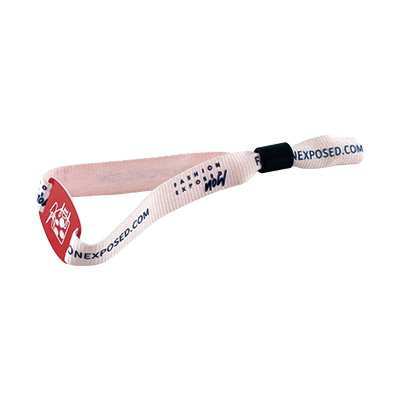
Replacing legacy barcode wristbands, NFC wristbands from RFIDHY deliver ISO 14443 Type A compliance with a reliable 2–5 cm tap range—even through fluids, gloves, or light bandaging. Built with MIFARE DESFire EV3 chips, they support AES-128 encryption for full HIPAA-aligned data protection. Anti-tamper functionality (e.g., antenna break detection) triggers real-time alerts upon unauthorized removal—ensuring integrity across admission, surgery prep, and discharge.
Key Technical Specifications
>
| Feature | Specification |
|---|---|
| Material | Medical-grade silicone (USP Class VI, ISO 10993 compliant) |
| Sealing & Sterilization | IP68 rated; autoclavable at 121°C |
| Chip Options | NTAG 216 (888B write capacity for ADT data); MIFARE DESFire (8KB for full patient summary incl. allergies, code status, blood type) |
Clinical Use Cases Driving Real Impact
- Patient ID & Safety Verification: Tap-to-verify at admission desks, medication dispensing stations, pre-op check-ins, and bedside blood transfusion workflows.
- Real-Time Location Systems (RTLS): NFC proximity sensing enables low-cost, high-accuracy tracking of mobile assets—including IV pumps, wheelchairs, and infusion devices—without Bluetooth or Wi-Fi infrastructure.
- Vitals Integration: NFC tap synchronizes vitals monitor readings directly into the EHR—eliminating transcription errors and manual charting delays.
Proven Results: Kaiser Permanente NFC Wristband Pilot
A 2023 pilot across three regional facilities migrated 15,000+ patient IDs from barcode to NFC wristbands. Outcomes included:
- 92% nurse satisfaction rate (surveyed N=217)
- 38% reduction in average medication administration time
- Zero adverse events related to ID mismatch during the 90-day trial
This demonstrates how NFC medical wearable adoption delivers measurable safety and efficiency gains—not just theoretical benefits.
Extending Care Beyond the Hospital Walls
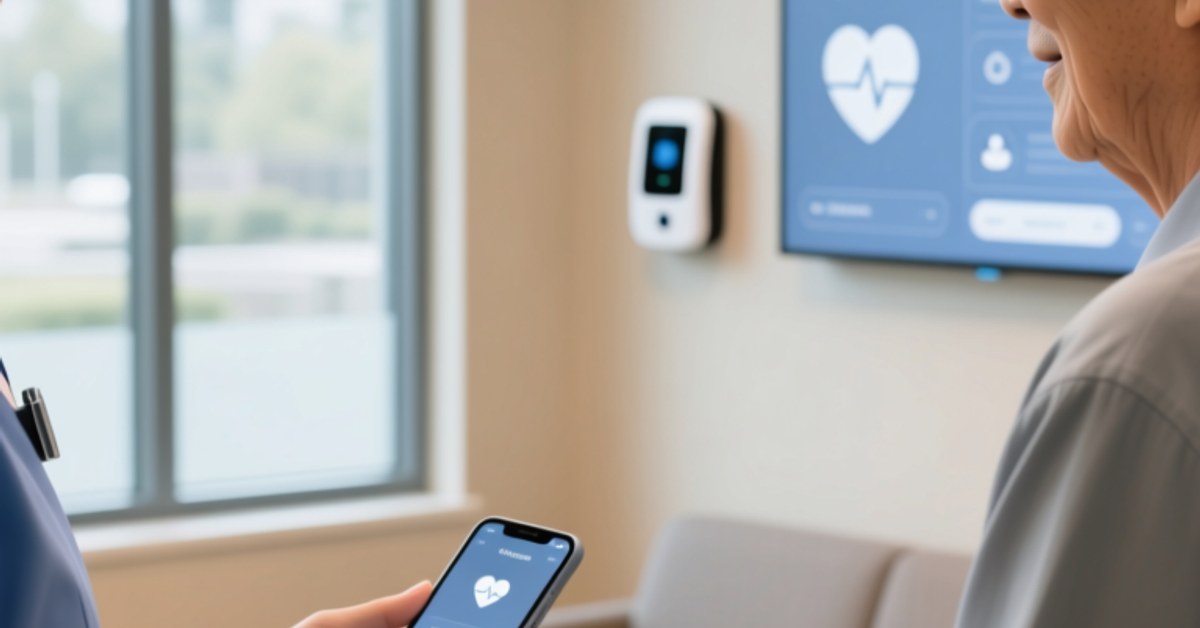
In home health settings, NFC silicone wristbands serve as intuitive, tamper-resistant interfaces for remote patient monitoring. Patients tap their smartphone to log vitals (BP, glucose, SpO₂), and data flows securely to provider EHRs via FHIR API. NFC tap timestamps provide auditable, timestamped evidence of adherence—supporting value-based care reporting and CMS compliance.
Budget Considerations and ROI
While NFC wristbands cost $2–$5/unit (vs. $0.15–$0.50 for barcodes) and NFC readers range from $200–$500 (vs. $100–$200 for barcode scanners), the ROI is compelling:
- Nursing time savings: $200K+/year per 100-bed facility
- Adverse event avoidance: $5M–$15M/year per 100 beds (based on AHRQ estimates)
When factoring in reduced readmission penalties, improved CMS Star Ratings, and enhanced patient trust, NFC implementation pays for itself within 6–12 months.
FAQ
Are NFC patient wristbands compatible with existing EHR systems?
Yes. RFIDHY’s NFC wristbands support standard protocols (ISO 14443, NDEF) and integrate seamlessly with major EHR platforms—including Epic, Cerner, and Meditech—via FHIR APIs or HL7 middleware.
How do NFC wristbands ensure data privacy and HIPAA compliance?
All RFIDHY NFC wristbands used in healthcare applications feature encrypted storage (AES-128), write-lock capabilities, and optional server-side authentication. Data never resides unencrypted on the tag—and sensitive fields (e.g., SSN, DOB) are excluded by design.
Can NFC wristbands be reused or sterilized between patients?
Yes. Our medical-grade NFC wristbands are IP68-rated and autoclavable at 121°C, supporting multi-patient reuse in controlled environments—subject to facility infection control policy and chip endurance testing.
Do you offer custom NFC chip programming for healthcare workflows?
Yes. RFIDHY provides HIPAA-aligned chip configuration services—including dynamic field mapping (e.g., linking MRN to allergy flags), secure key provisioning, and integration with hospital ADT systems.
Ready to Implement NFC Medical Wearables in Your Facility?
Partner with NFCWORK Technology and RFIDHY to design, test, and deploy HIPAA-compliant NFC patient wristbands tailored to your clinical workflows, EHR environment, and compliance requirements.